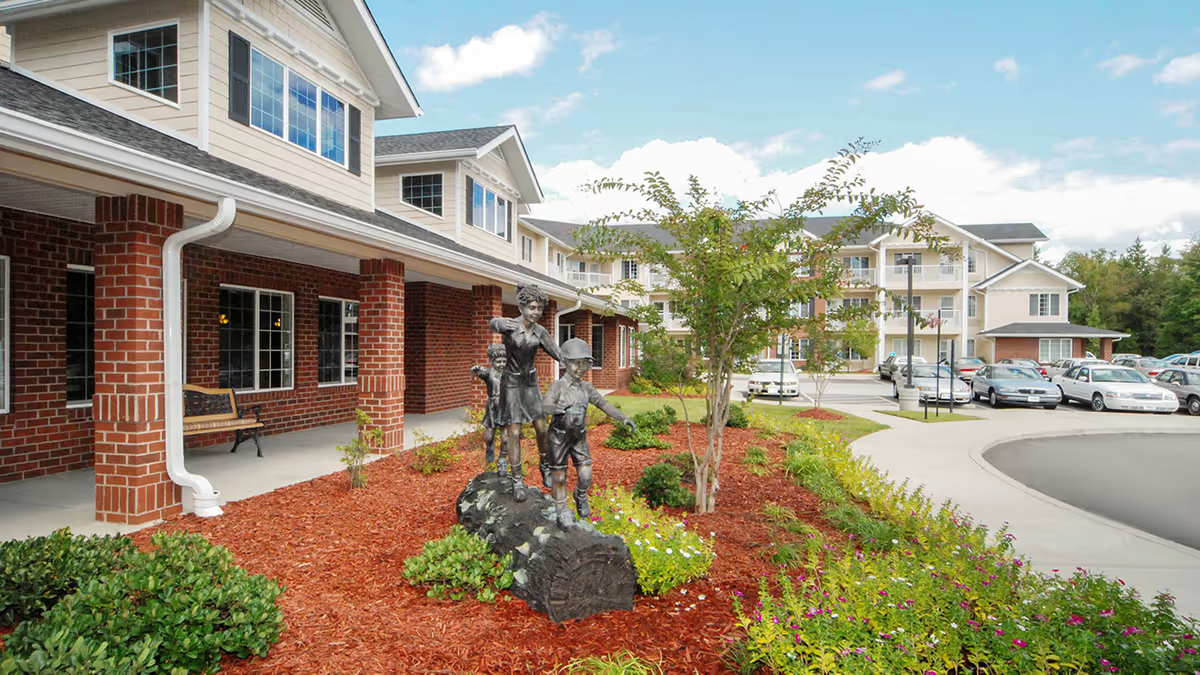
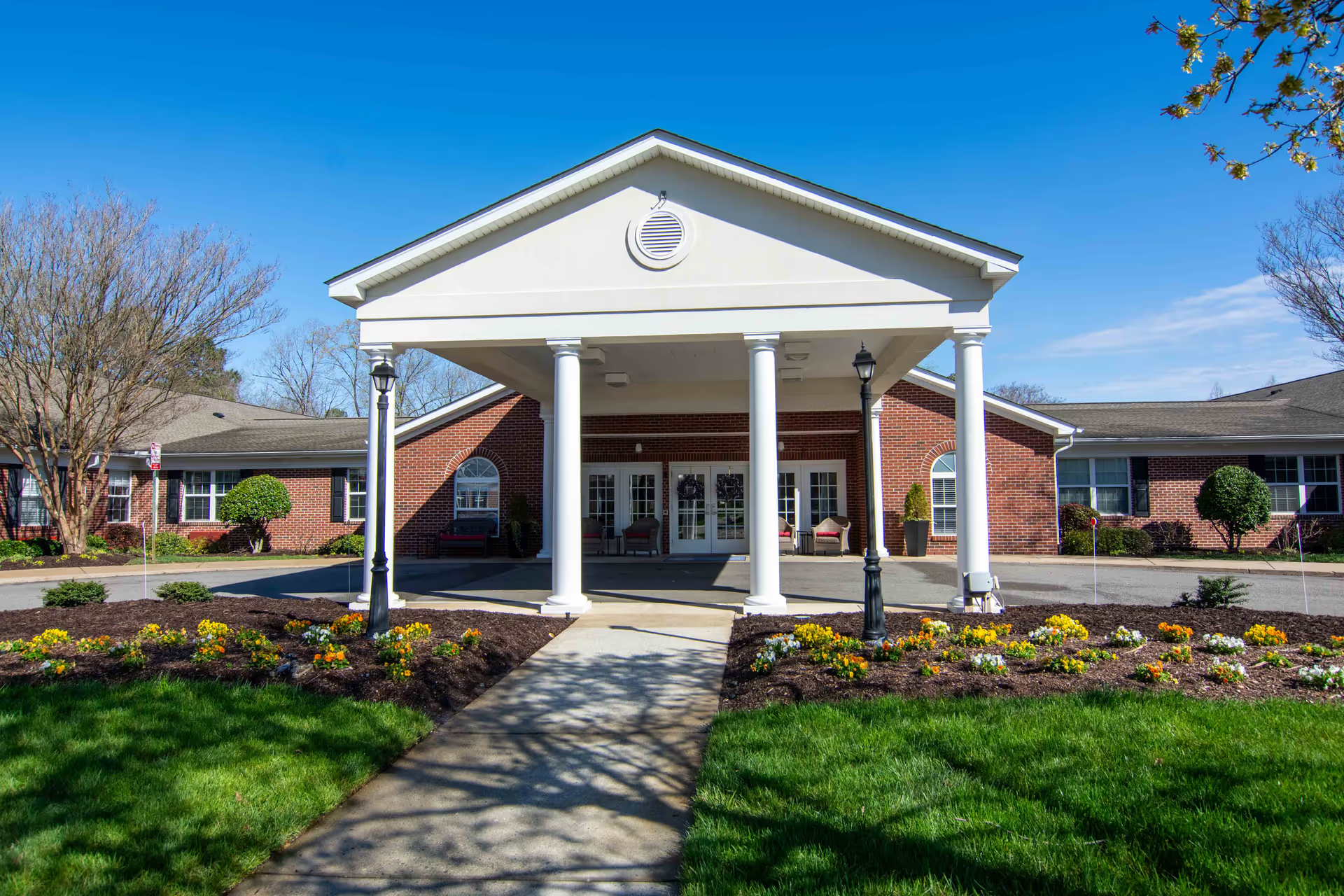
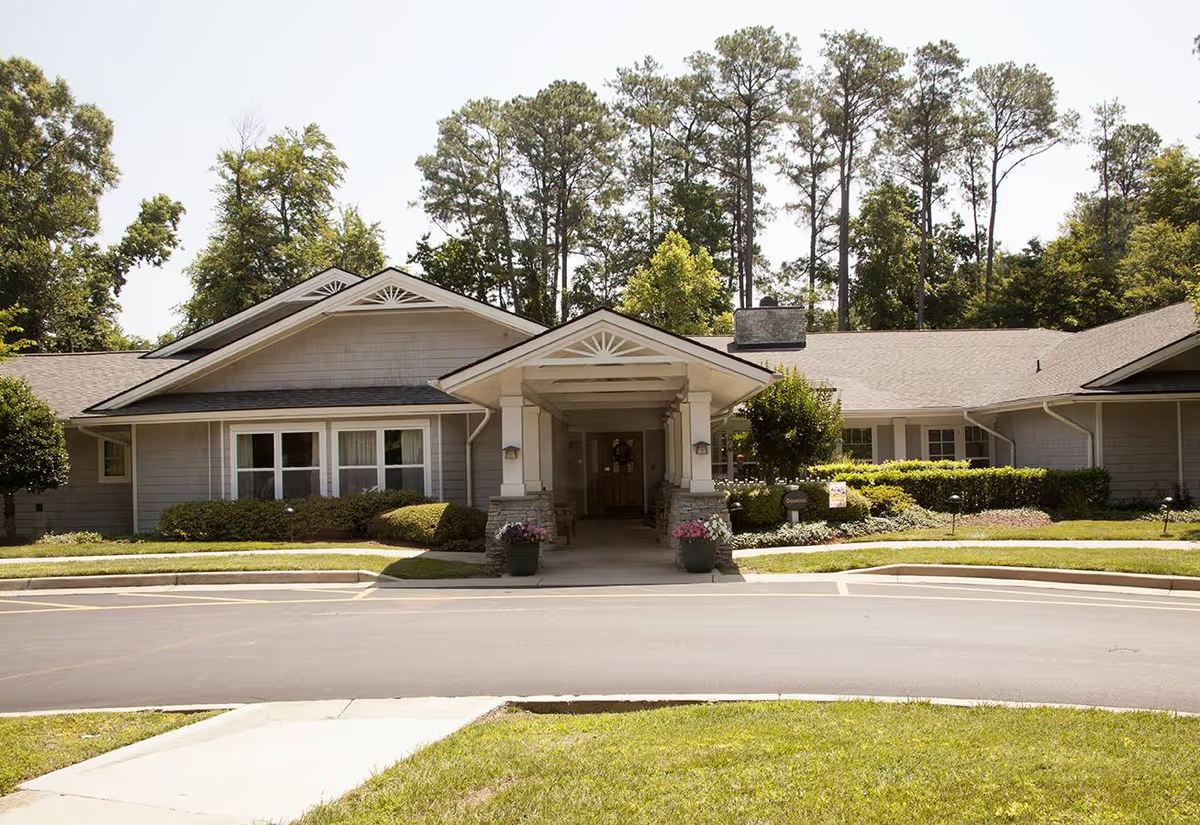
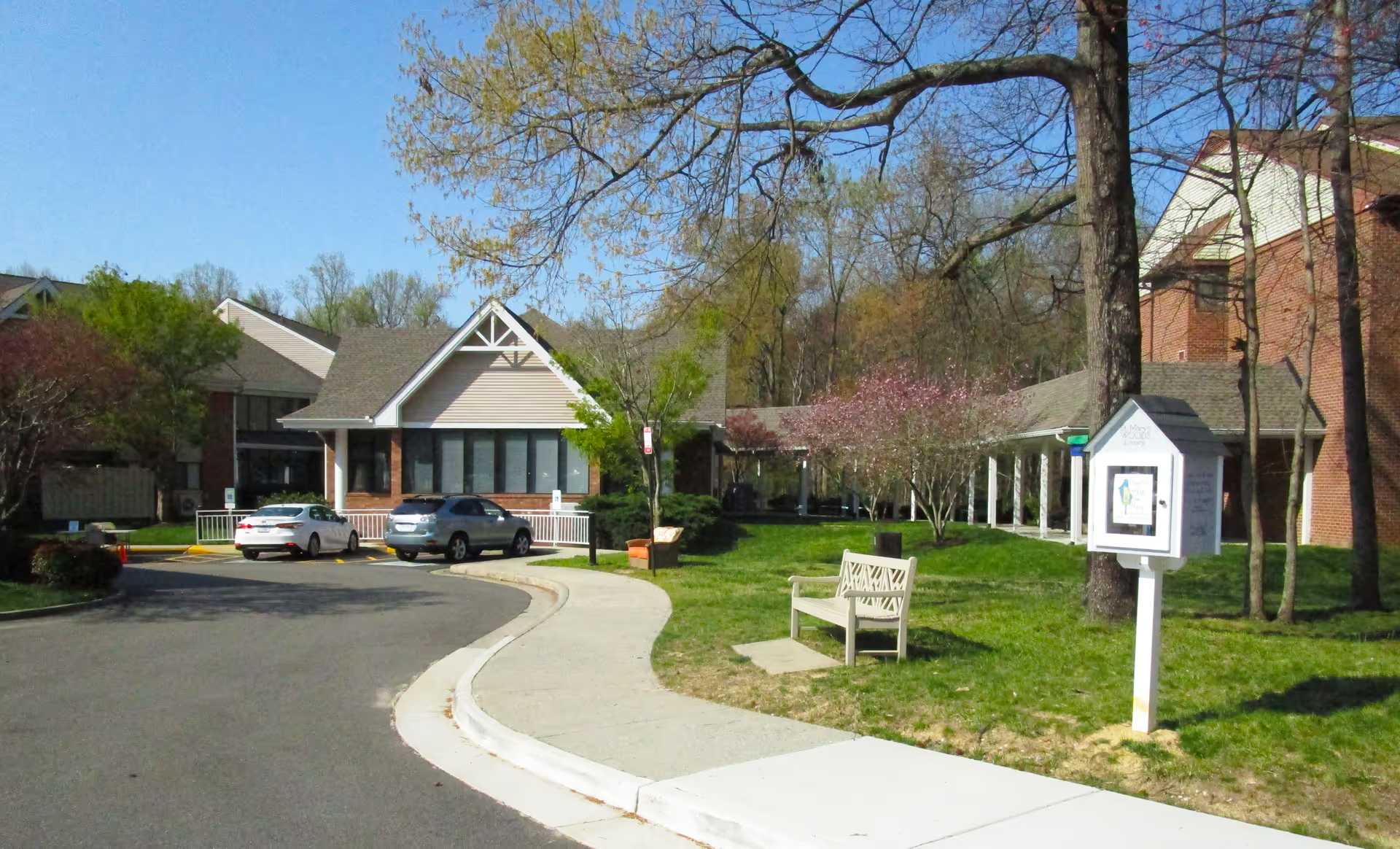
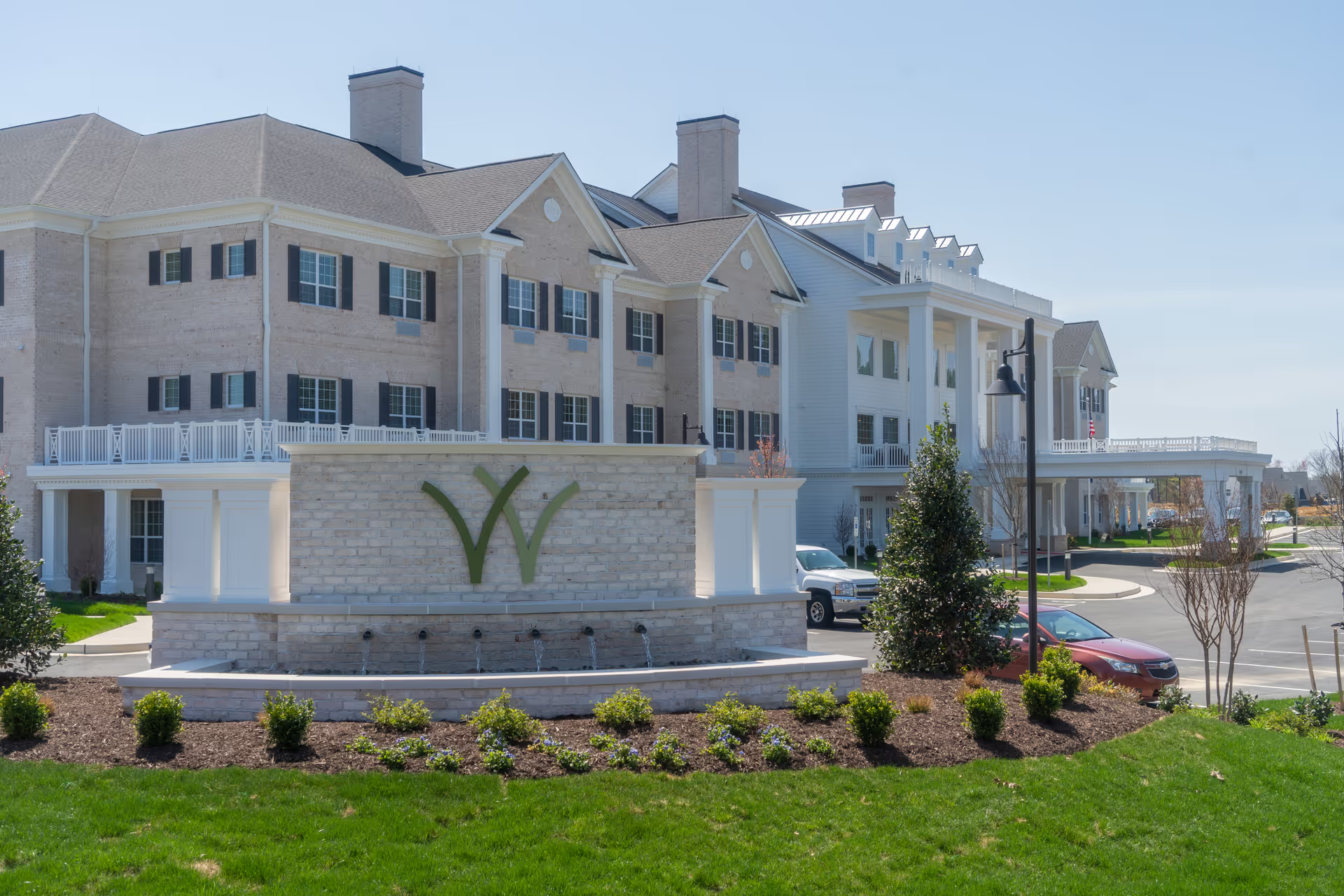
Discovery Village at the West End elicits strongly mixed impressions. Many families and residents describe a clean, bright, and well‑appointed building with a home‑like atmosphere, seasonal décor, and a robust slate of amenities and outings. Front desk and office staff are frequently characterized as welcoming and accessible, and several accounts single out directors and activity teams for being responsive, communicative, and hands‑on. Where the operation is working well, reviewers highlight compassionate, attentive caregiving, effective family communication, smooth transitions into memory care and hospice, and a wide array of social and recreational programming that keeps residents engaged.
At the same time, a consistent theme across accounts is variability in day‑to‑day operations. Staffing levels and turnover appear to be persistent challenges; reviewers describe thin nurse/CNA coverage on some shifts, medication delays, and an incorrect or inconsistent technician‑to‑resident ratio. These staffing gaps are linked in multiple accounts to slower response times, limited personal care engagement, reduced therapy follow‑through, and, in some cases, declines in mobility. Several reviewers also raised concerns about supervision and safety on specific units, as well as episodes of missing or misplaced belongings and inconsistent laundry handling—issues that point to weaknesses in property‑management and accountability processes.
Dining and clinical services drew mixed assessments. Many residents enjoy communal dining spaces and occasional well‑prepared meals, but a recurring complaint concerns inconsistent food quality, repetitive menus, high salt or bland preparation, and difficulty obtaining posted menus. Clinical practice issues cited include medication‑administration process gaps, delays in receiving medications, and variable clinical follow‑through after therapy or incidents. While some families report excellent coordination with hospice and proactive mental health programming, others describe limited memory‑care activities and inexperienced staff in specific units.
Management and organizational culture are described unevenly. Some reviewers praise hands‑on leadership, quick issue resolution, and accessible communication (including text messaging). Others report slow managerial follow‑up, inconsistent enforcement of policies, and an operational focus that can prioritize appearances or amenity presentation over sustained clinical investment. A small number of accounts reference serious concerns—including supervision lapses and regulatory attention—which prospective families should investigate directly with the provider and via state inspection records.
Practical considerations for prospective residents and families: many experiences are positive when staffing is stable and leadership is engaged, but variability means outcomes can differ by unit and time. When evaluating this community, ask to review current staffing ratios by shift and unit, medication administration protocols, property‑loss and laundry procedures, sample menus and dining schedules, the memory‑care activity calendar, incident/complaint resolution processes, and any regulatory or inspection history. Also clarify financial policies for displacement events and room changes. A site visit at different times of day, conversations with unit staff and current families, and written answers to the above operational questions will help establish whether the facility’s strengths align with a prospective resident’s clinical and social needs.