Commonwealth Senior Living at the West End presents a mixed but generally positive picture across these reviews. Many families and residents praise the caregiving staff as compassionate, attentive, and resident-focused; multiple comments highlight staff who know residents by name and provide personalized attention. The community has a clearly defined memory-care program and several reviewers noted confidence in the unit’s clinical focus. Recent operational improvements are also mentioned, including added licensed practical nurse coverage, increased housekeeping, and seven-day administrative presence, which some families said materially improved their experience.
Dining and social programming are frequently cited strengths. Reviewers describe restaurant-quality meals prepared by an on-site chef, flexible menu options, and personalized meal accommodations. The dining room and common areas are often described as homey and warmly decorated; activity programming includes regular outings, transportation, music, fitness classes, and an active schedule of social events and family nights. Rehabilitation and respite stays also receive positive notes for responsive therapy and transitional care.
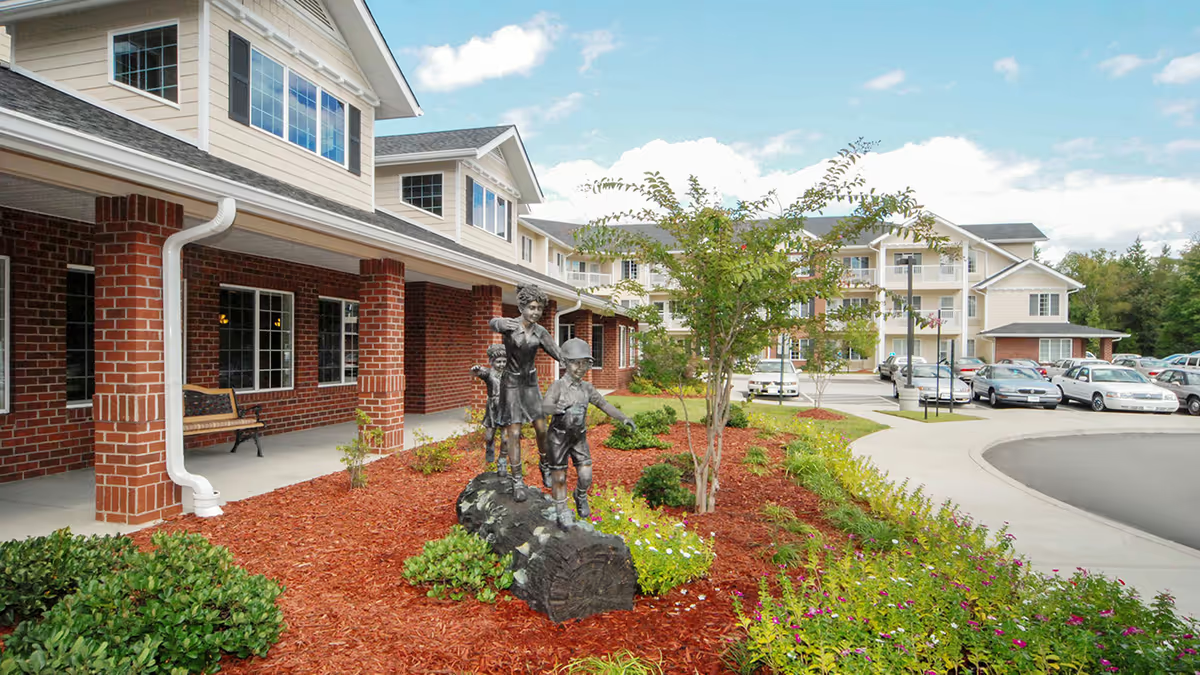
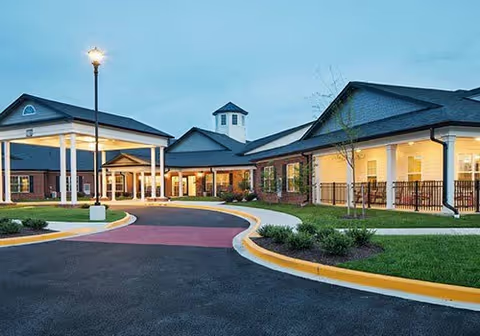
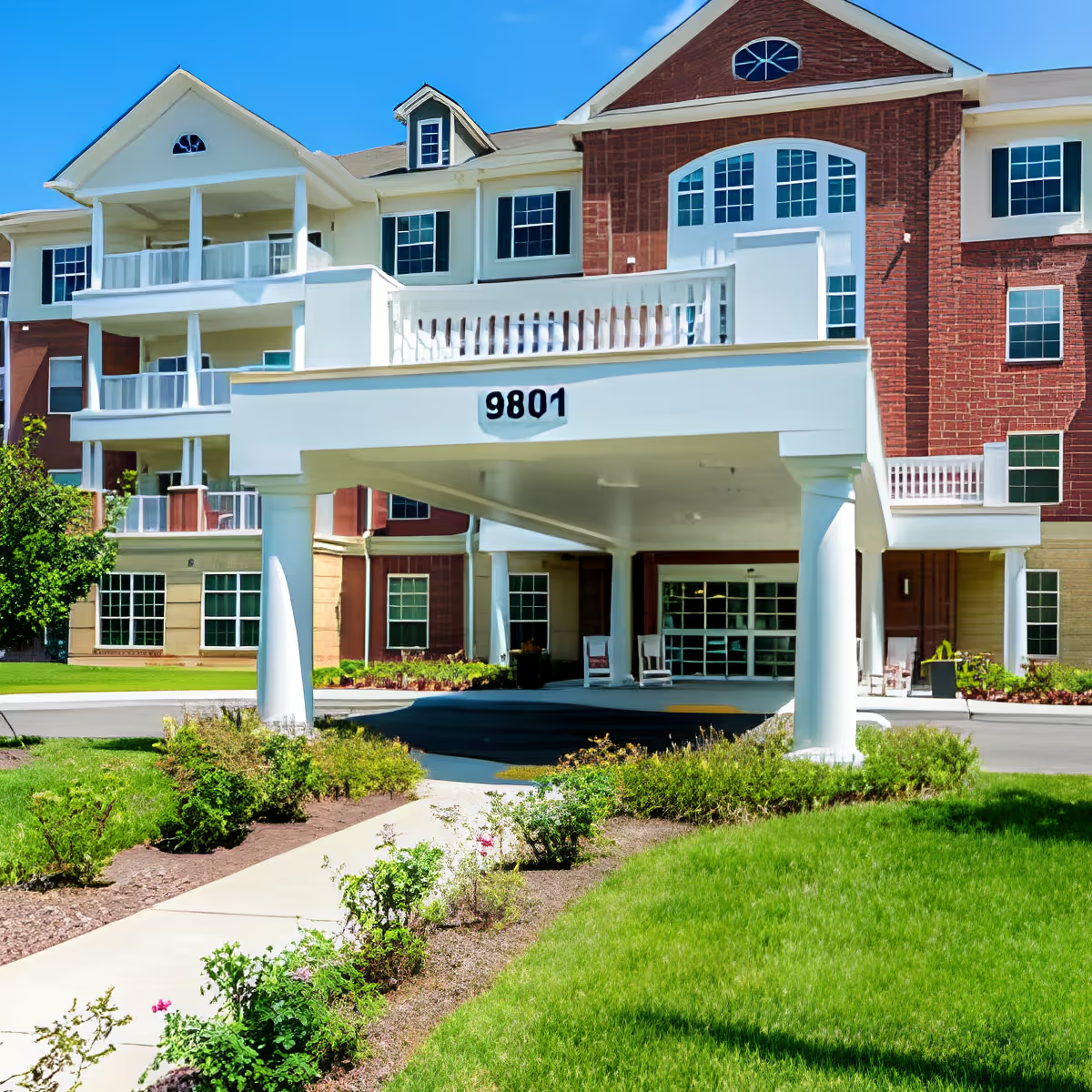
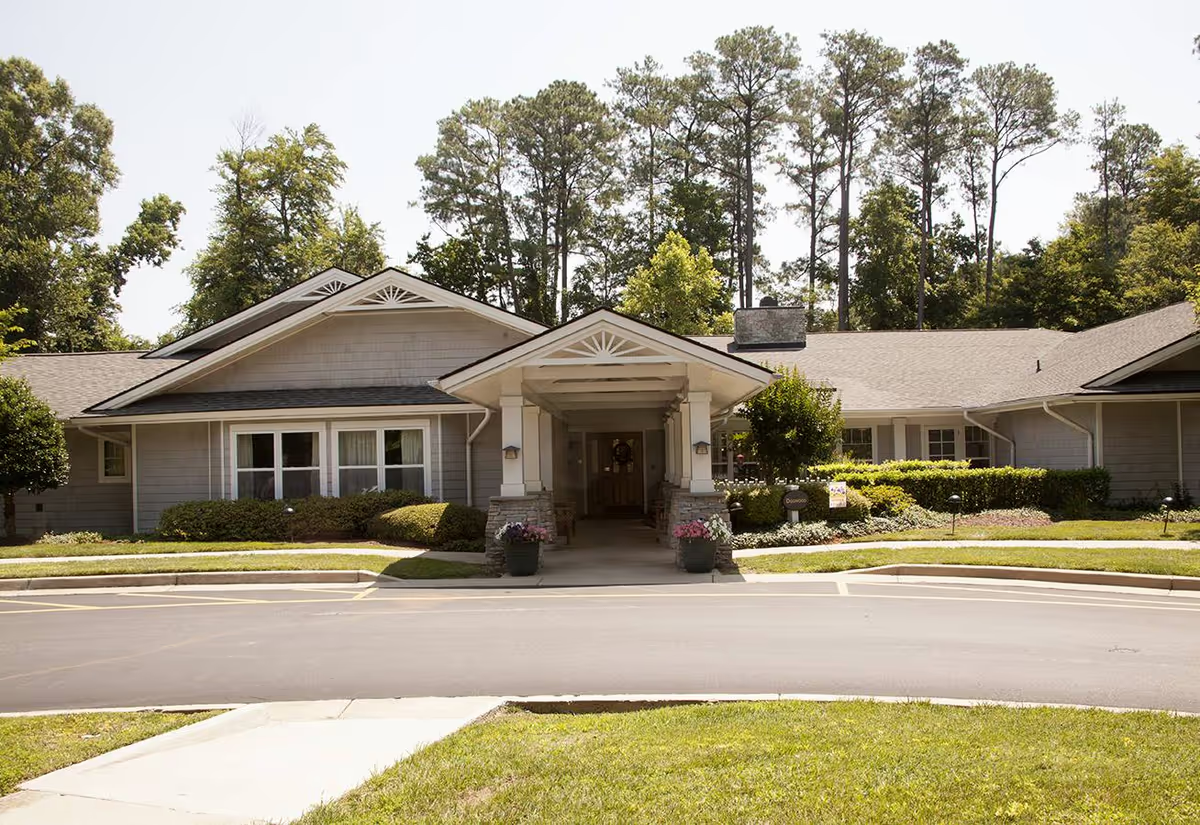
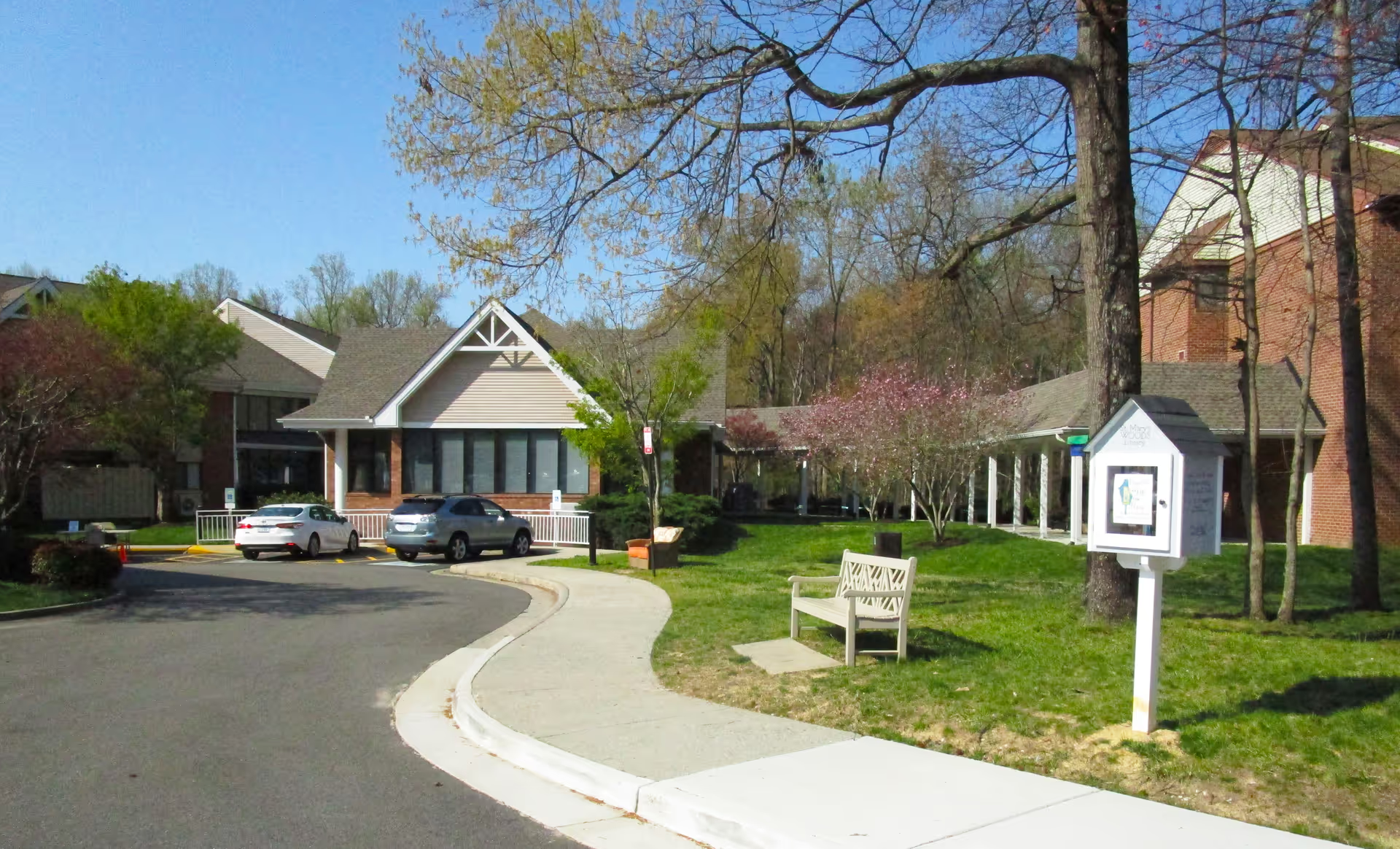
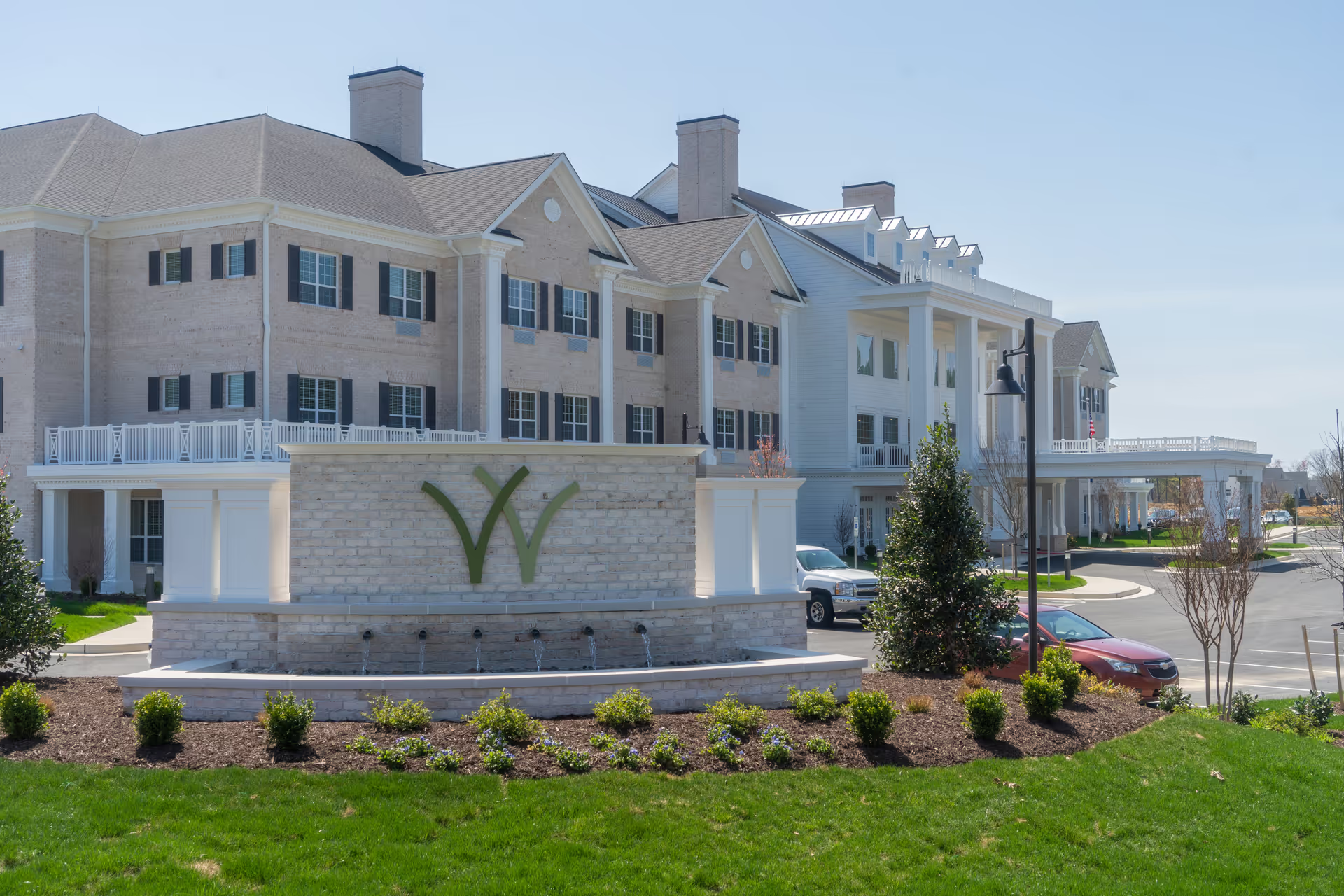
Facility condition and amenities are other consistent positives: the property is described as clean and well-kept, with a range of room sizes including larger newer rooms, an on-site salon, laundry services, and an accessible garden and one-level spaces. Several families emphasized a welcoming, family-like atmosphere and the presence of programs that encourage social engagement.
However, a number of operational concerns recur and warrant consideration. Staffing consistency is a primary theme: reviewers describe variable staffing levels that affect daytime and, more notably, nighttime coverage. Specific operational gaps include delayed responses to call bells, limited on-site clinical presence overnight, and situations where unlicensed staff take on expanded medication-administration responsibilities. These patterns create family concern about responsiveness and clinical oversight during off-peak hours.
Relatedly, sanitation and housekeeping practices appear uneven across the community; while many praise the cleanliness, others reported lapses that suggest inconsistency in housekeeping standards. Accessibility and room configuration are additional practical considerations: some units are small or have flooring that can be difficult for wheelchair users, and a subset of families felt portions of the community had a more institutional rather than homelike feel. Cost structure is also a recurring theme — the community is described as relatively expensive, with added community fees and expectations (for example, furnishing requirements) that increase out-of-pocket costs.
Finally, management and communication present a mixed record. Several reviews commend responsive leadership and proactive problem-solving, noting that named administrators were engaged and helpful. At the same time, other reviewers cited instances of unmet promises, inconsistent follow-through, and concerns about how conduct or clinical issues were escalated. Prospective families should weigh the strong caregiving culture, robust dining and activities, and recent staffing improvements against the operational risks around nighttime coverage, medication oversight, sanitation consistency, and cost. Visiting during different times of day (including nights and meal times), asking about current staffing ratios and overnight clinical coverage, and clarifying fee and furnishing policies can help families assess fit for their needs.