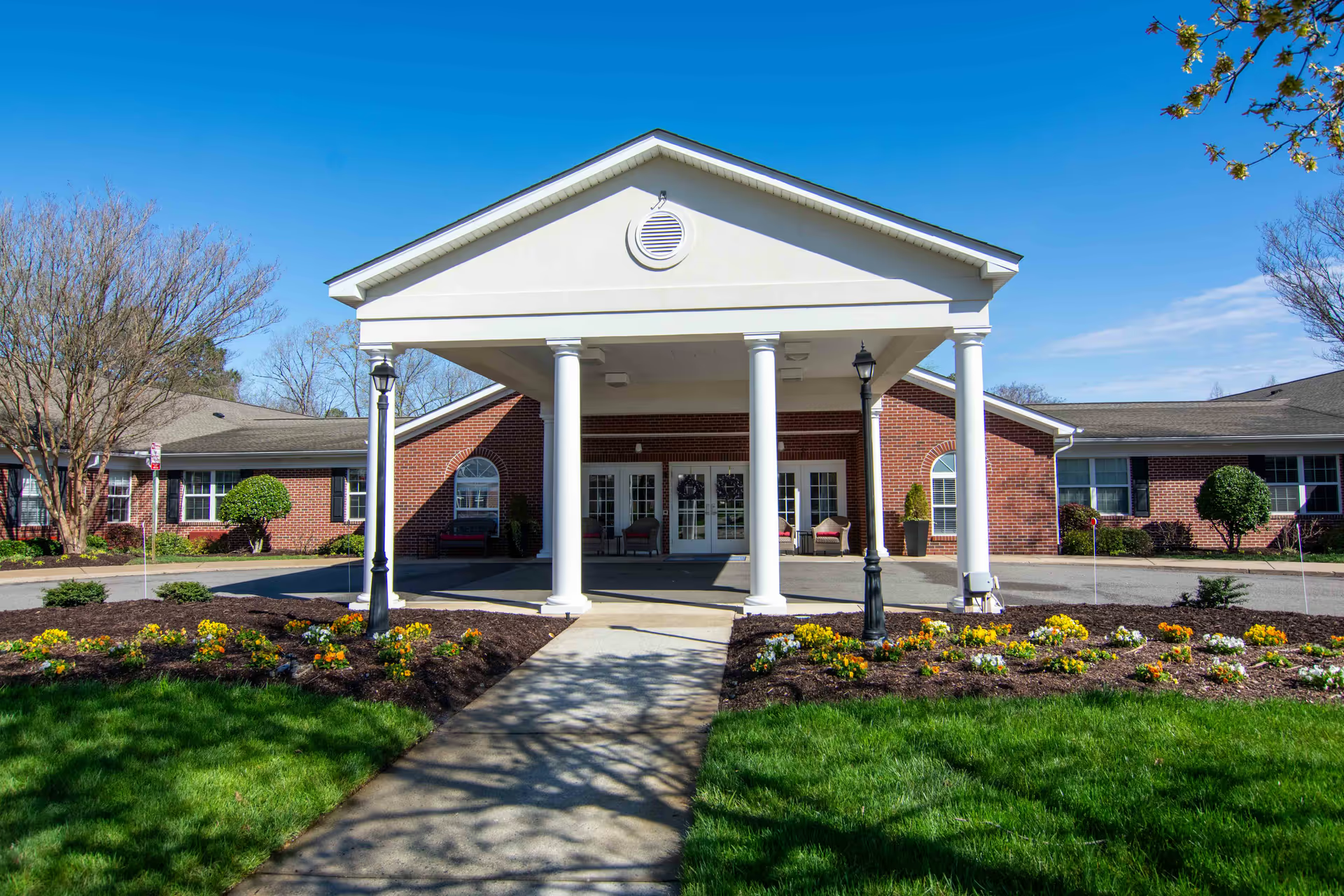
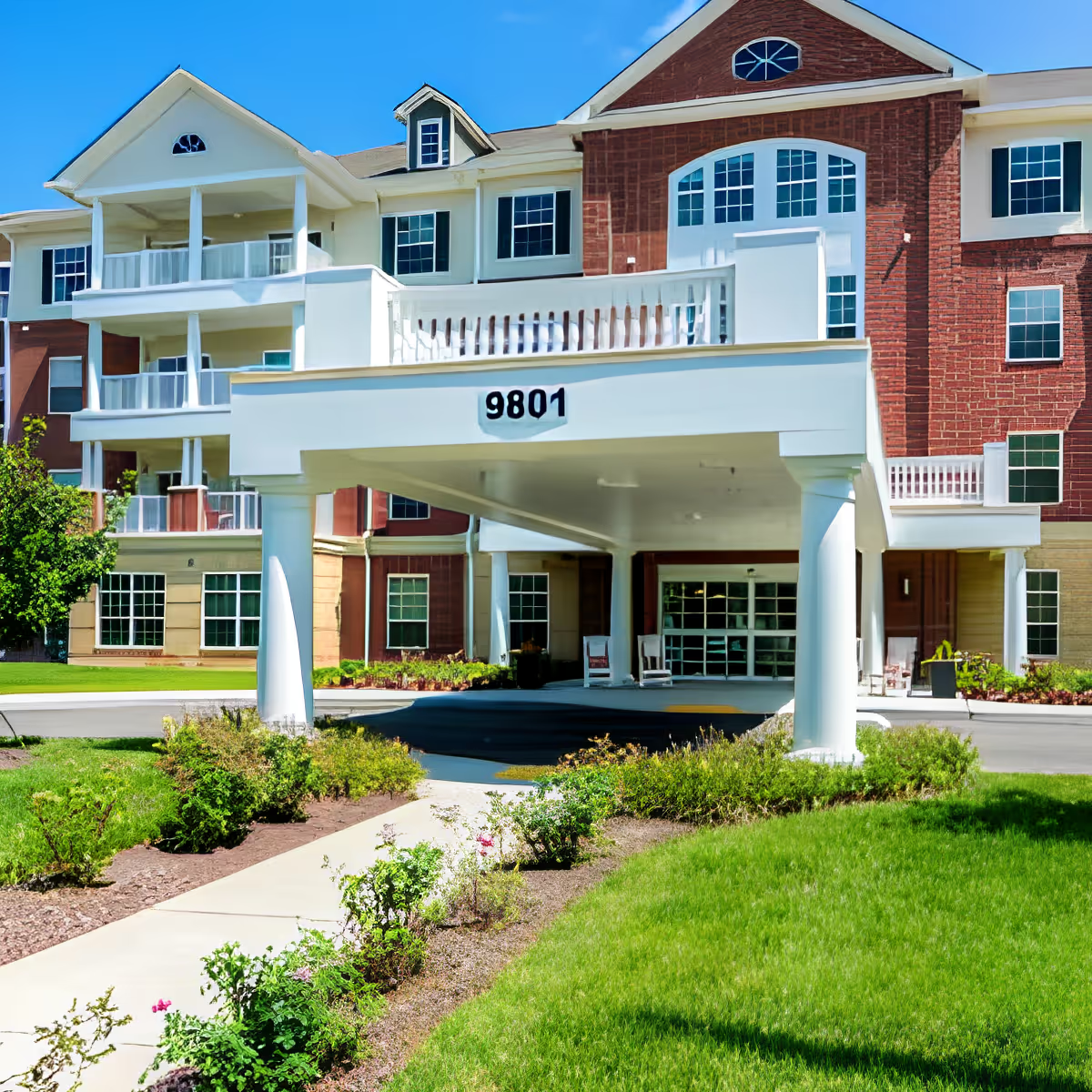
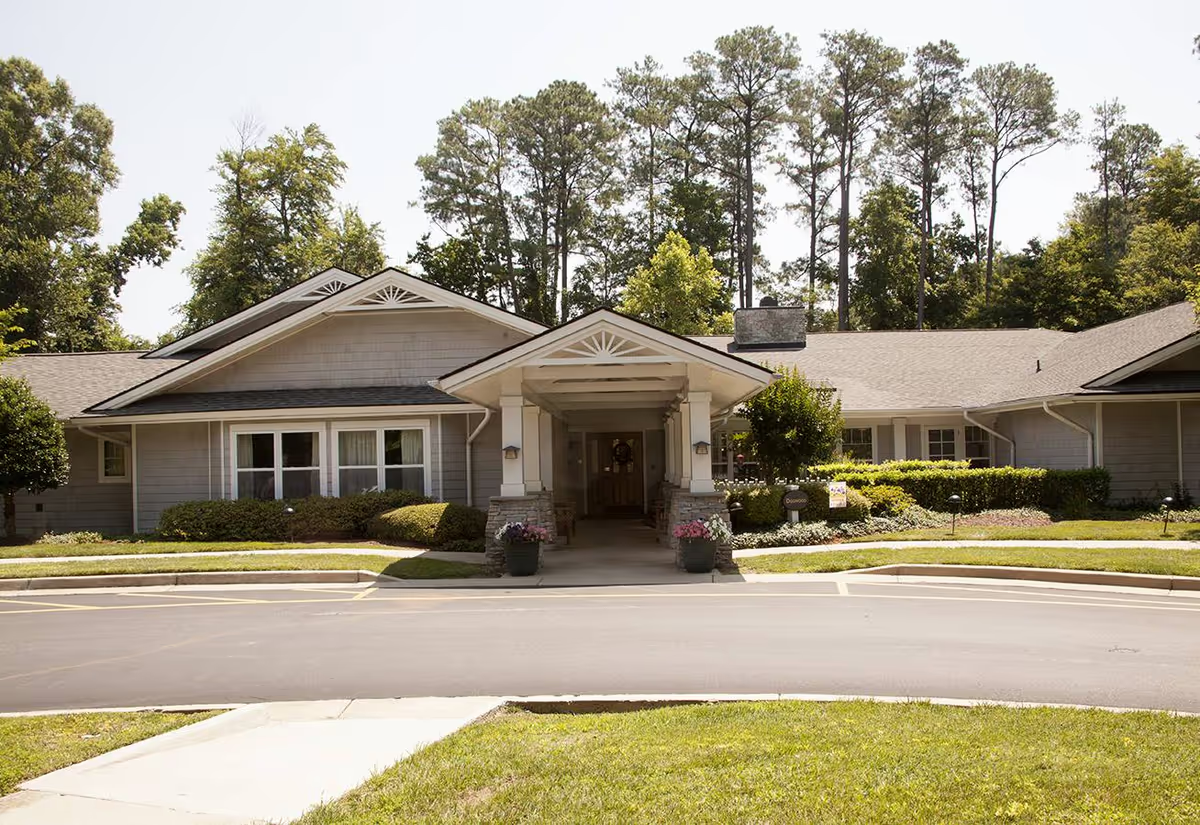
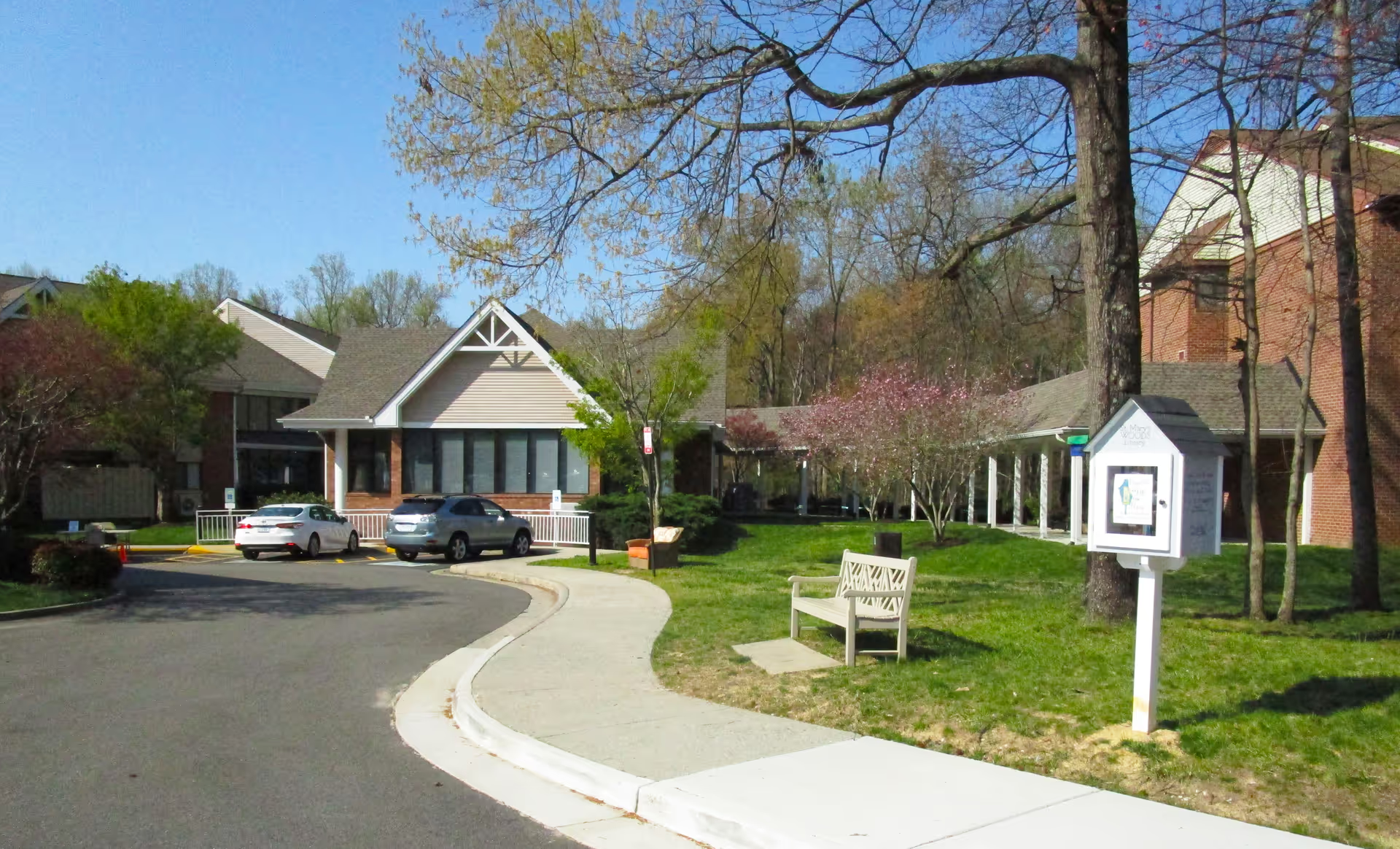
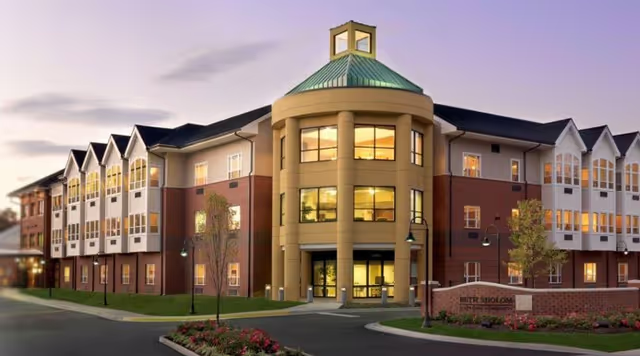
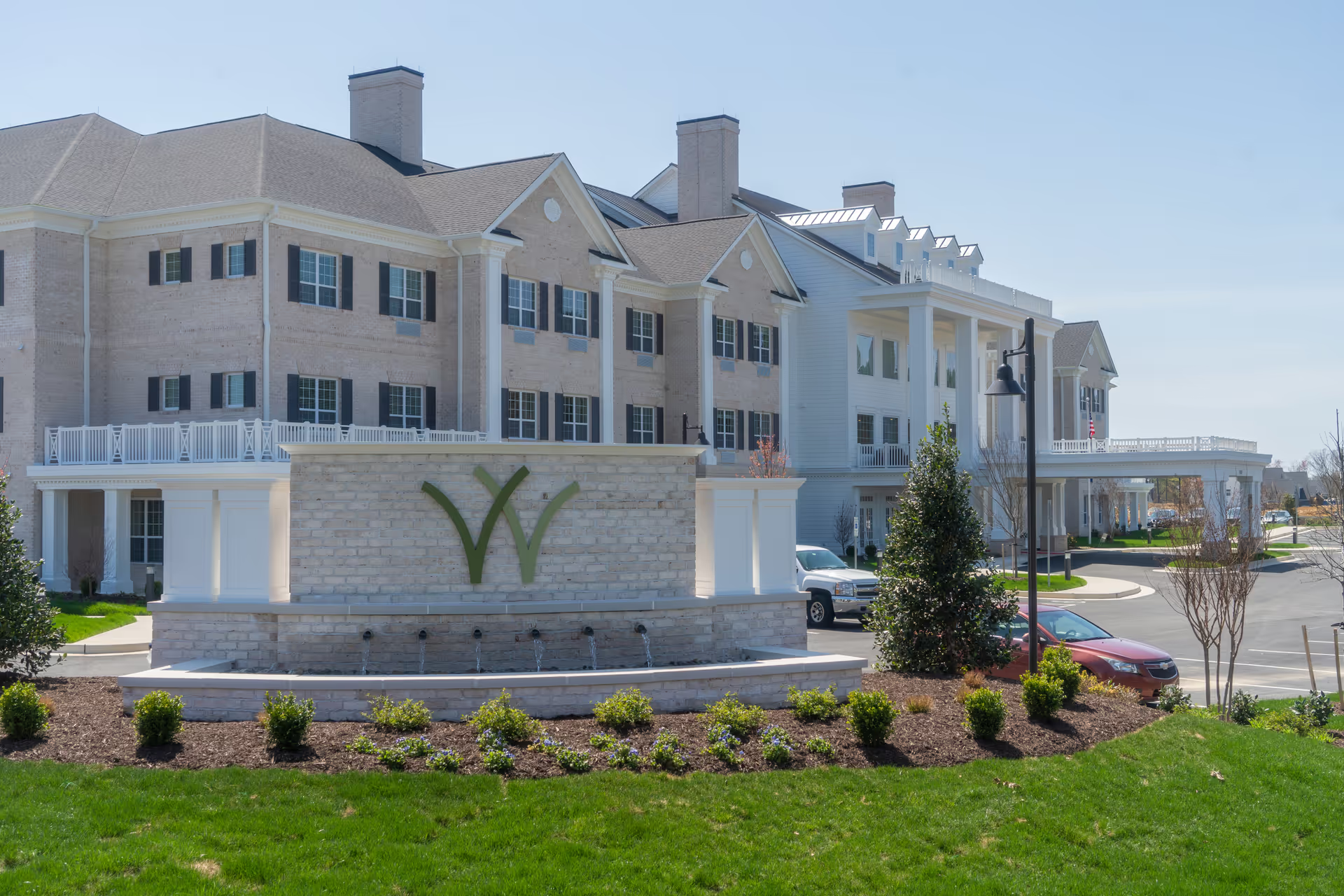
Dogwood Terrace by Barclay House is consistently described as a welcoming independent-living community with a strong social culture and a broad set of on-site amenities. Reviewers highlight attentive, personable staff, well-kept common spaces, and apartment options that include studios, one- and two-bedroom units with private balconies or patios. The property offers a robust activities program—bingo, card games, lectures, bookmobile visits, live music, bus tours and other outings—that contributes to an engaged resident population and frequent opportunities for socialization.
Dining and daily services are a prominent feature of the community. Many residents and families praise chef-prepared meals, table service, family-dining options and meal delivery when residents are unwell. That said, comments about food quality and menu variety are inconsistent; some describe excellent, restaurant-style dining while others note reheated or limited options at times. Regular housekeeping and responsive maintenance are generally noted as strengths, although several reviewers indicate service levels fluctuated during peak periods of the pandemic.
On the care side, Dogwood Terrace operates primarily as an independent-living community with flexible supplemental caregiver options available for purchase; it does not position itself as an assisted-living or skilled-nursing provider. This model suits residents who need light assistance or prefer a task-based caregiver arrangement, but it is not appropriate for people requiring continuous nursing or skilled clinical care. There are also a subset of reviews expressing concerns about incident response and family communication in urgent situations, which suggests gaps in clinical-escalation protocols and follow-up communication that prospective residents and families should assess directly.
Facility and operational strengths include a wide range of amenities (library, salon, small fitness area, game rooms, theater), convenient features such as laundry on each floor, and available transportation services for scheduled trips. Areas to scrutinize during a tour include unit condition variability—some apartments were described as very spacious while others were characterized as small or dated—accessibility for wheelchair users (limited wheelchair-capable transport and curb-step challenges were noted), and the absence of full in-unit cooking in many apartments.
Management impressions vary: some reviewers praise accessible leadership, regular town-hall meetings, and staff who promptly resolve issues, while others report organizational lapses (for example, scheduling or virtual-tour problems), high turnover among frontline staff, and occasional concerns about billing or contractual interactions. There are isolated, serious allegations regarding refund or contractual handling; these appear to be individual disputes but warrant careful documentation review during the decision process.
In summary, Dogwood Terrace presents as a socially rich, amenity-forward independent-living community with many strengths for residents who are largely independent and seek engagement, meals, and supportive services on an a la carte basis. Prospective residents and families should verify clinical escalation procedures, staff continuity, dining options, accessibility accommodations, and contract/refund terms during their visits to ensure the community’s model aligns with the resident’s current and anticipated care needs.