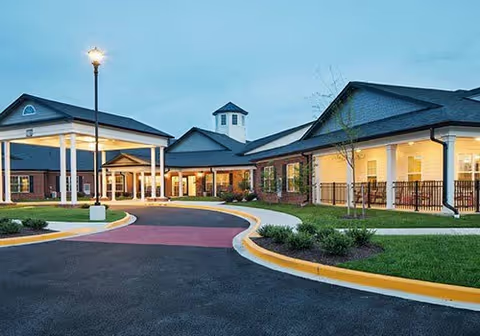
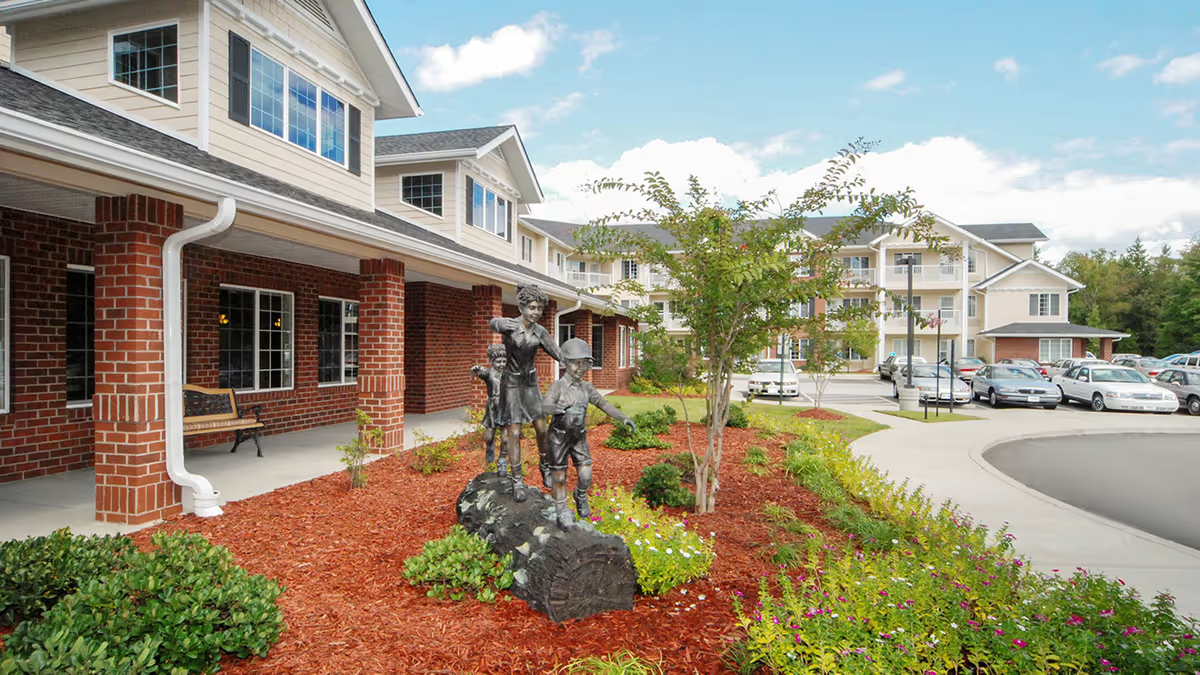
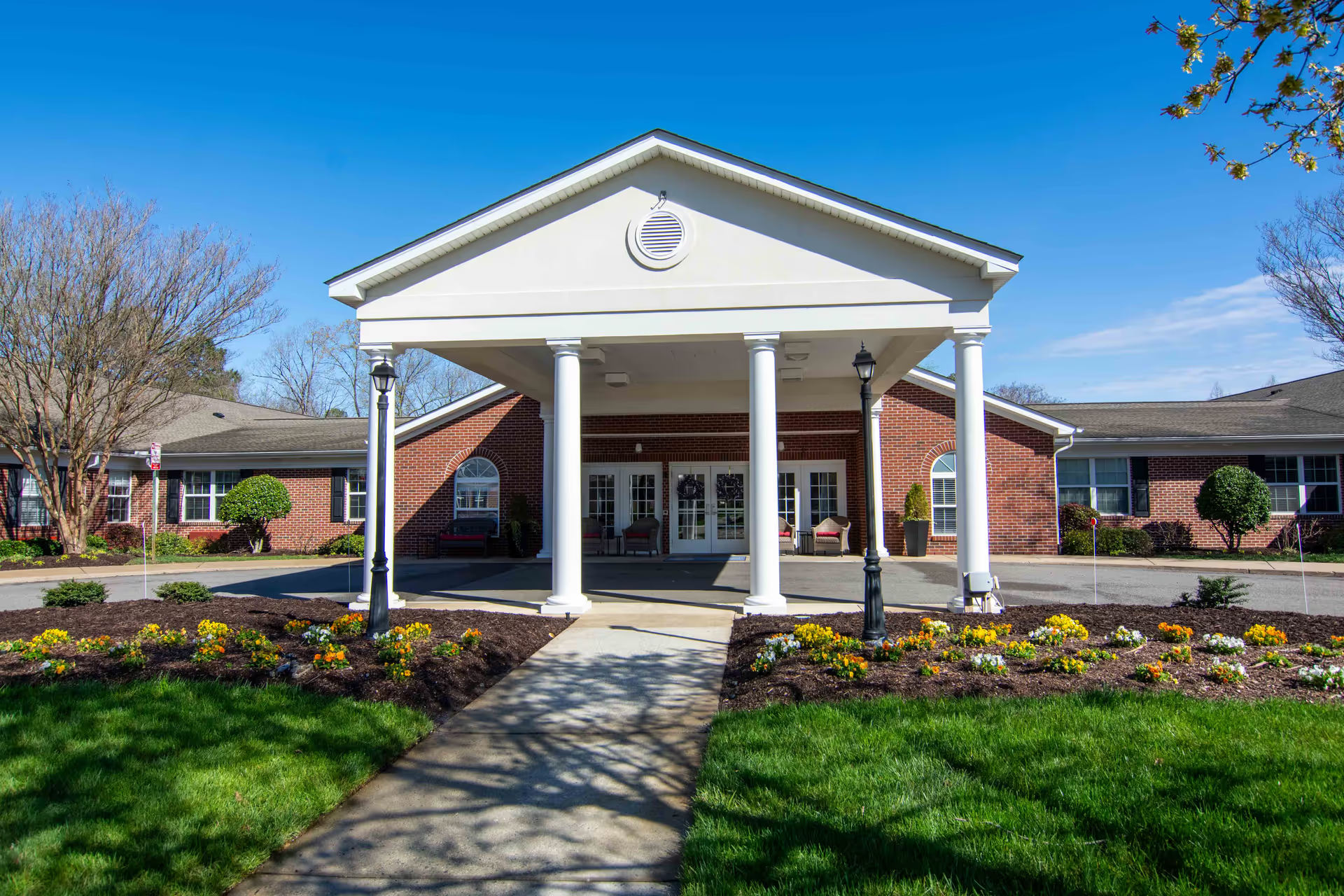
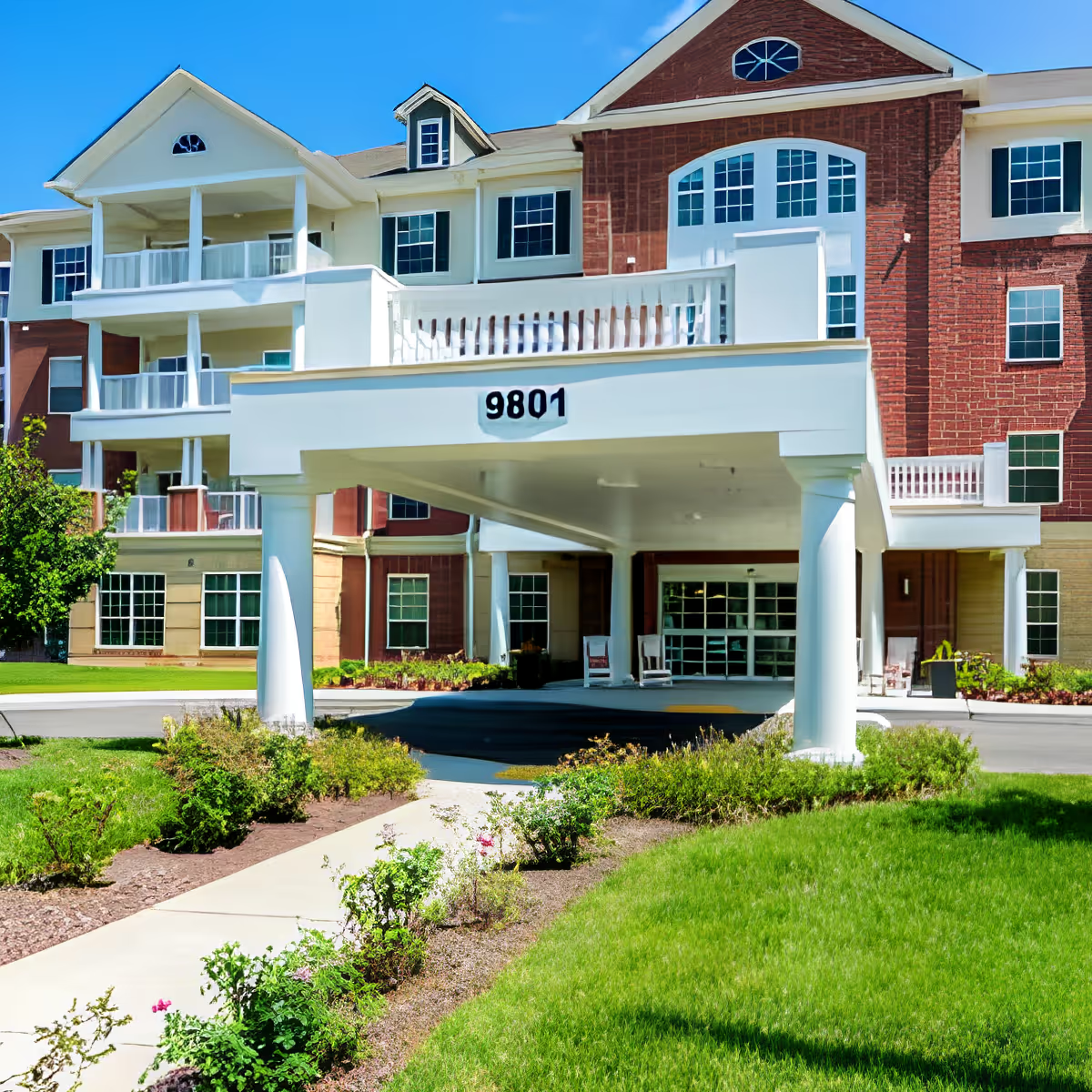
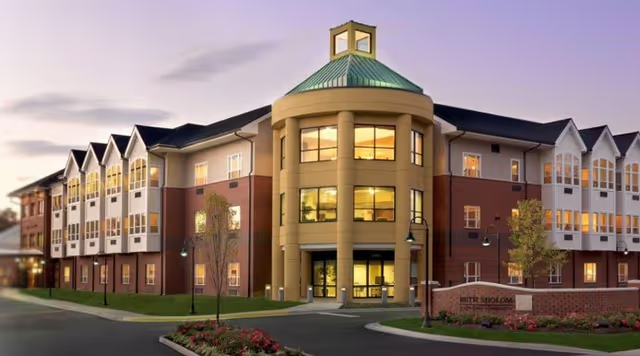
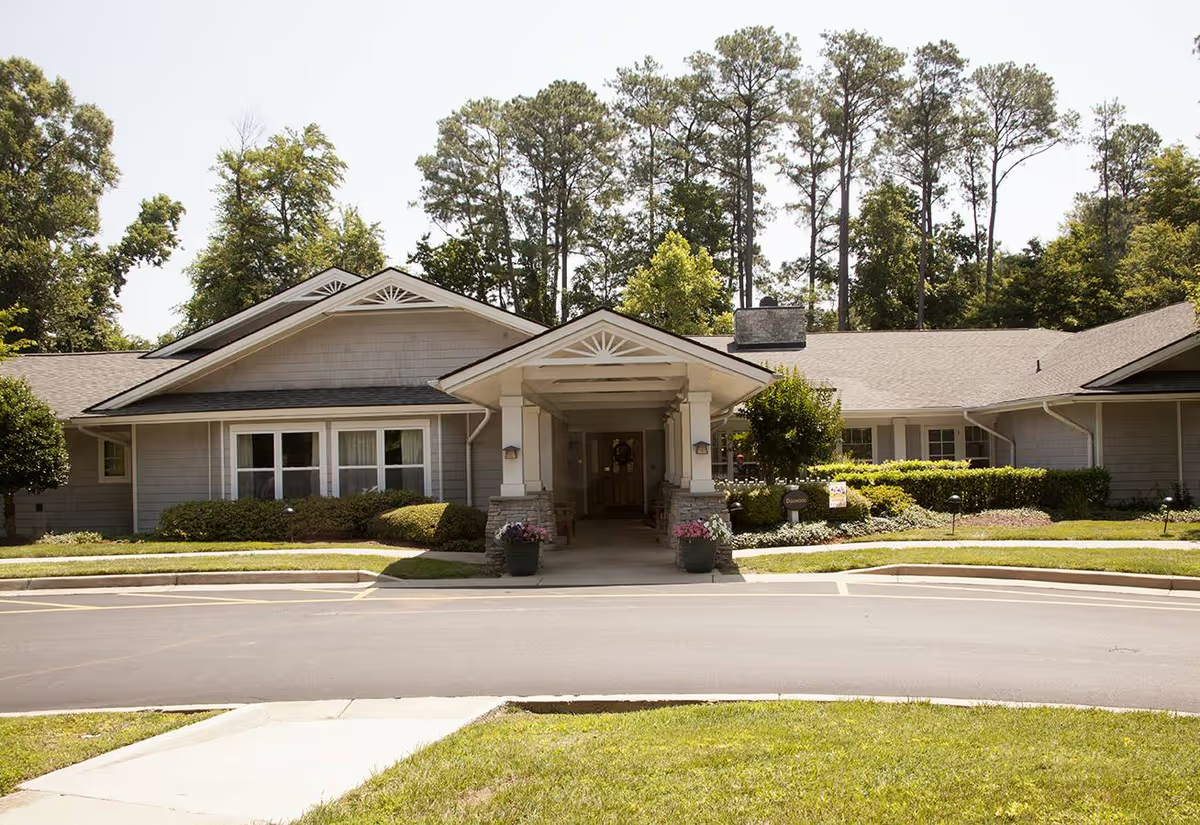
Overall impression: The Westmont at Short Pump is consistently described as a new, high-end community with a strong hospitality focus. Reviews emphasize the property’s hotel-like design, bright and well-appointed public spaces, and a broad amenity set that includes a salon/spa, theater, therapy gym, and multiple dining venues. The community’s location and thoughtful finishes are frequent positives, and many families found tours and admissions staff informative and welcoming.
Care quality and staff: Clinical care receives mixed but often favorable comments. Numerous reviewers praised compassionate nursing, engaged CNAs, and proactive care coordination—especially where transitions have been managed to avoid apartment moves as residents need higher levels of care. At the same time, several reviews raised concerns about medication management (delays, missed or inconsistent administration, and pharmacy coordination), variable staffing coverage—particularly daytime CNAs and activity staff in memory care—and instances where families felt clinical follow-up or incident communication could improve. Memory care is an area of bifurcated feedback: some describe outstanding, resident-centered memory-care teams and programming; others describe training and supervision gaps that affect consistency of care.
Dining and activities: Dining is one of the community’s strongest, most consistently praised elements. Multiple reviewers highlighted an executive chef, restaurant-style table service, frequent special-event menus, and a wide-ranging culinary program. That said, a subset of reviews noted occasional variability in food quantity/quality and longer wait times during peak service. The life-enrichment program is described as robust and signature-driven, with many daily opportunities, university-style classes, outings, seasonal events, pet programs, and strong volunteer involvement—factors that contribute to an active resident culture.
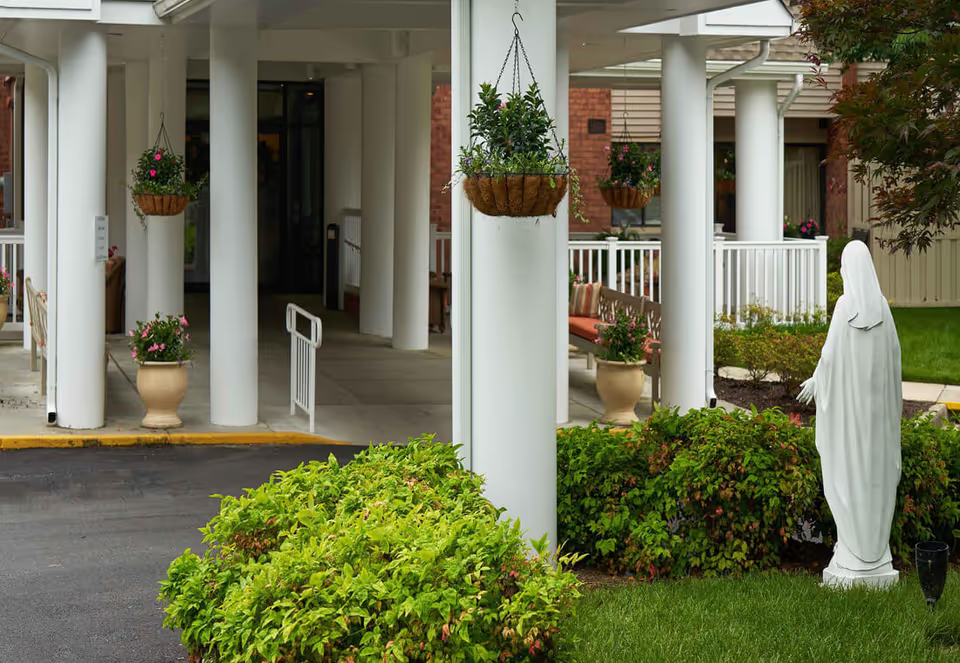
Facilities and amenities: The physical plant and amenities receive very high marks. Reviewers cite clean, modern apartments, generous common spaces, sunny terraces, and functional features that support an aging-in-place model (in-unit laundry, accessible layouts). The property’s newness and design are repeatedly lauded, and the campus is seen as well-located for shopping and transportation.
Management, admissions, and operations: Patterns in operations and administration are mixed. The admissions and marketing teams are frequently praised for informative tours and a warm welcome. However, some families reported opaque sales and contract practices (deposit terms, disclosure and paperwork access) and slower administrative responses after move-in. Early-stage operational kinks—move-in coordination, logistics typical of a newer community—and occasional executive turnover were cited as contributors to uneven service. There are also multiple mentions of billing and vendor-payment delays that required follow-up.
Notable patterns and consideration points: The dominant strengths are the environment, dining, and activity programming; these create a strong lifestyle offer for prospective independent and assisted living residents. The principal operational concerns to weigh are consistency of clinical processes (medication and incident follow-up), memory-care staffing and supervision, transparency in the sales/contract process, and administrative responsiveness during transitions. Prospective residents and families who prioritize amenities and an engaging social program are likely to find the community appealing; those whose highest priority is consistently executed clinical operations and airtight contract transparency may want to ask targeted questions about staffing ratios, medication protocols, memory-care staff training, and the community’s written contract and deposit policies during a visit.