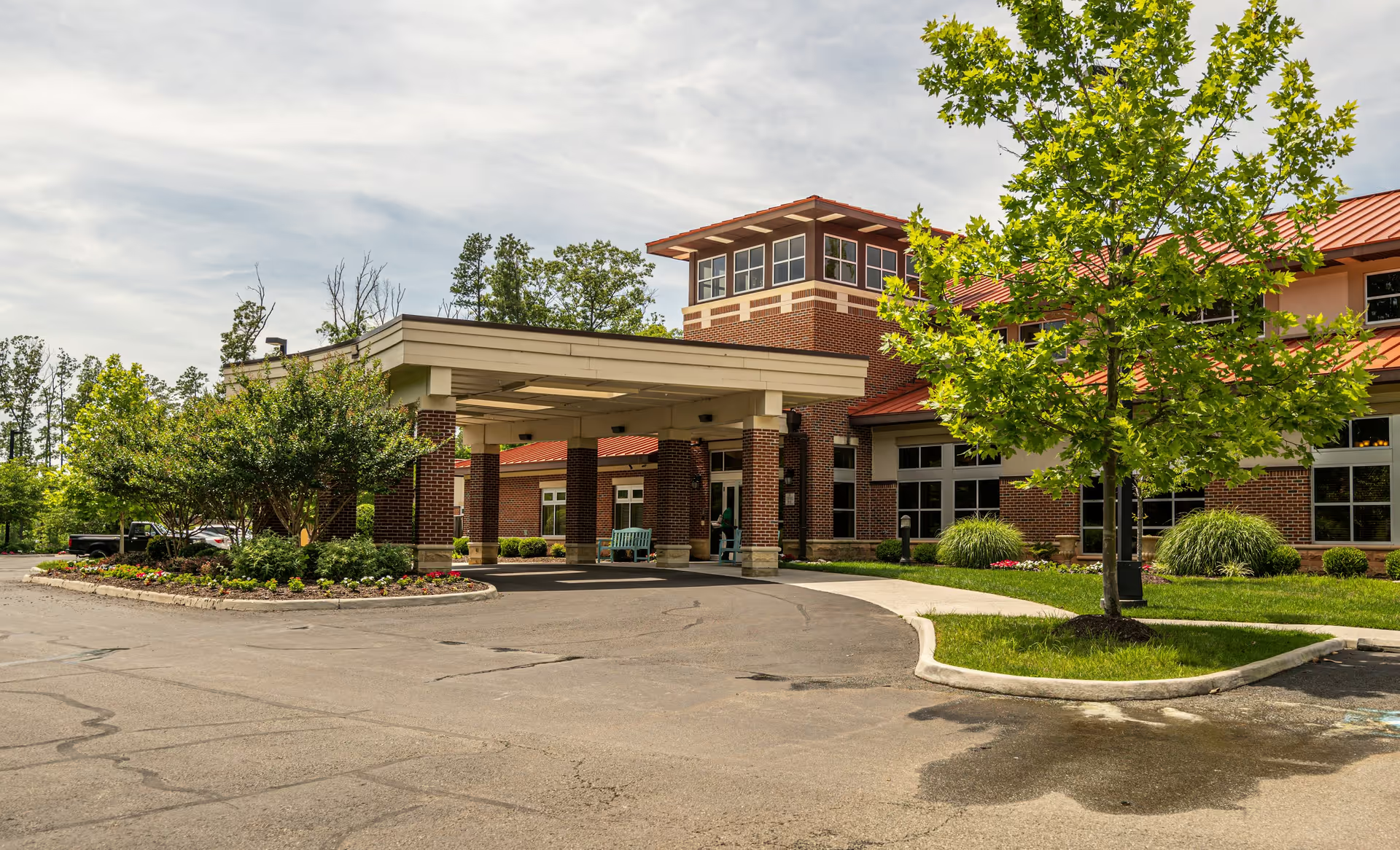
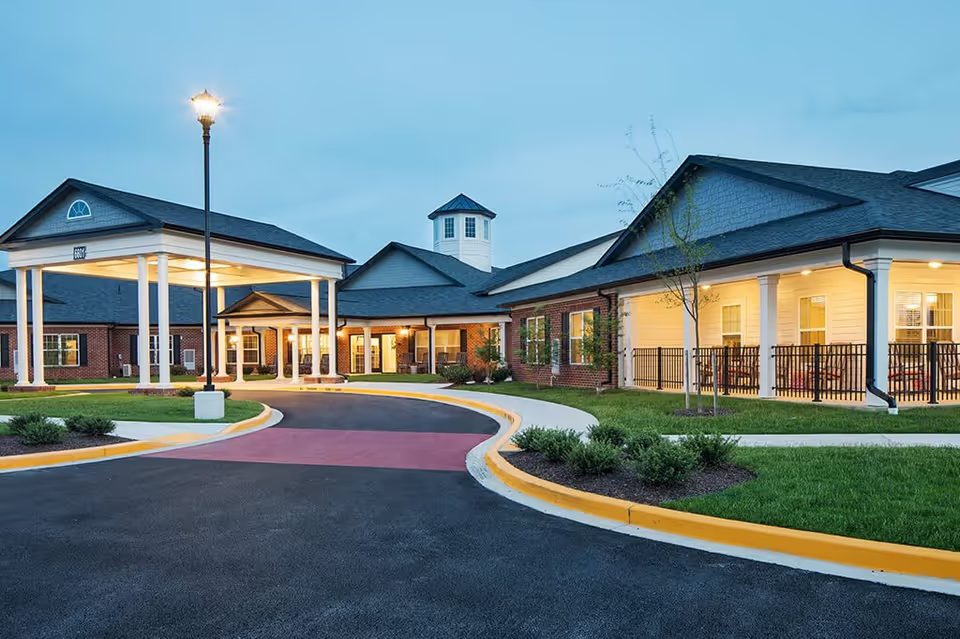
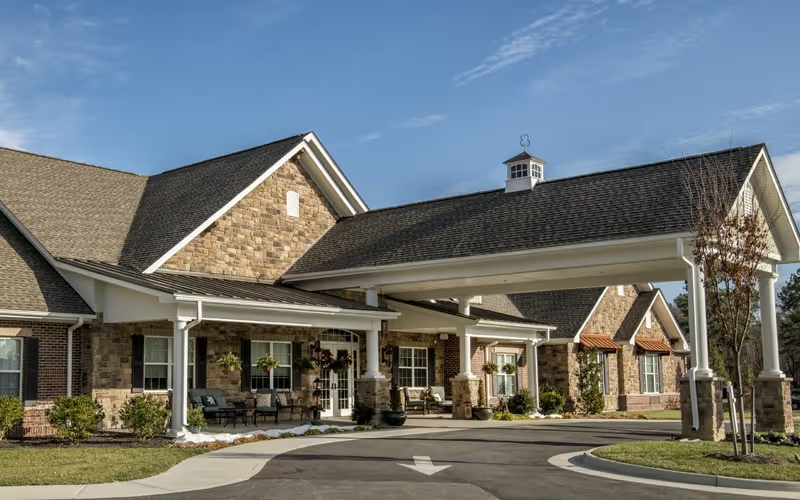
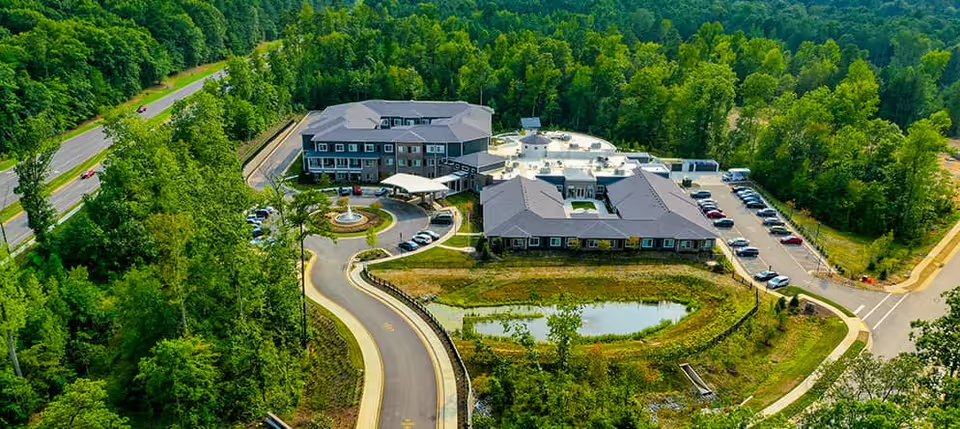
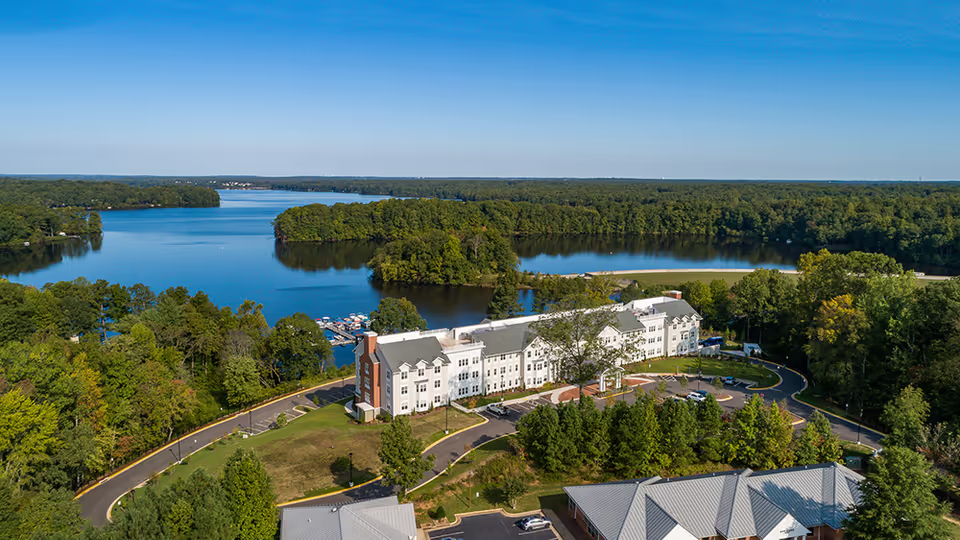
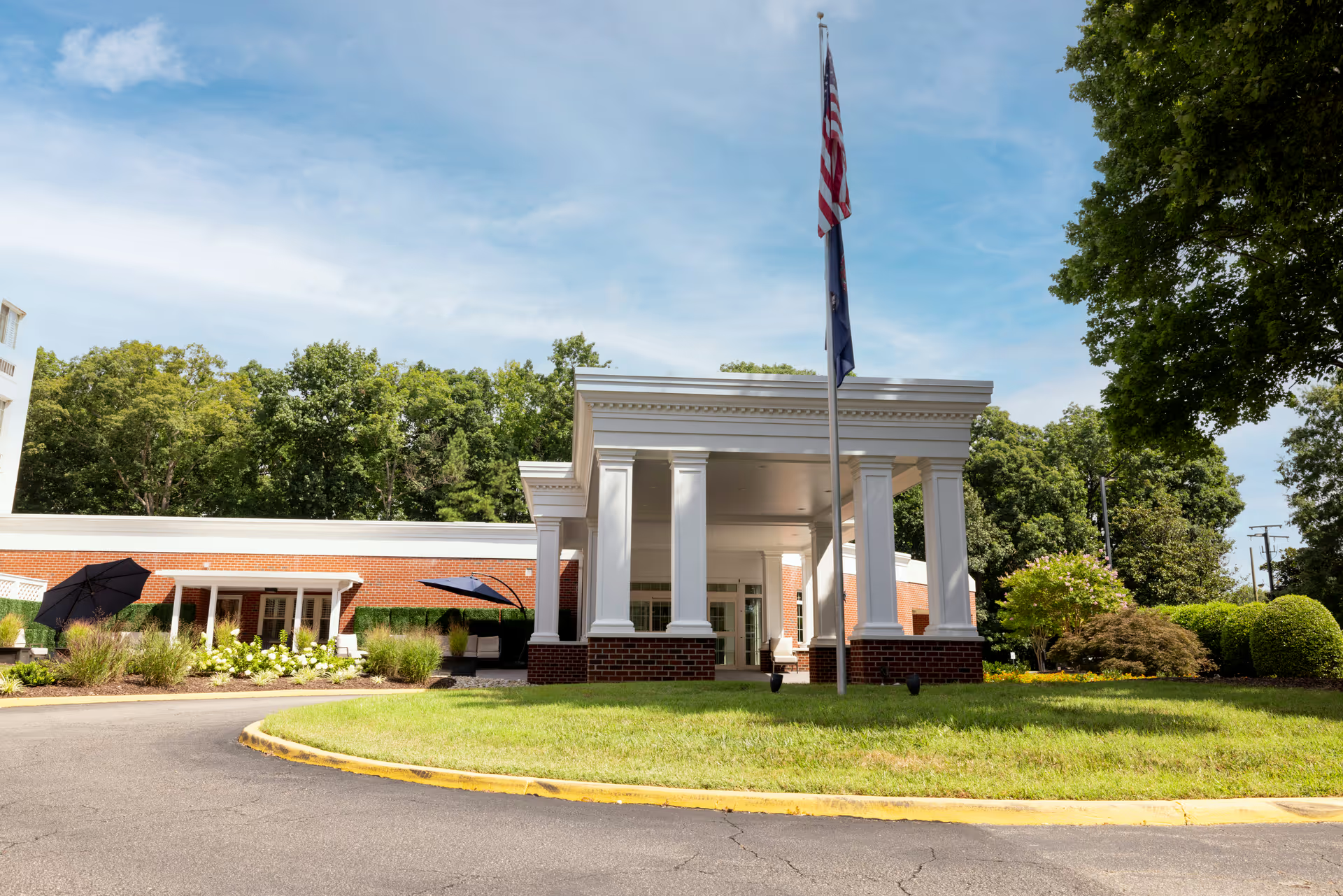
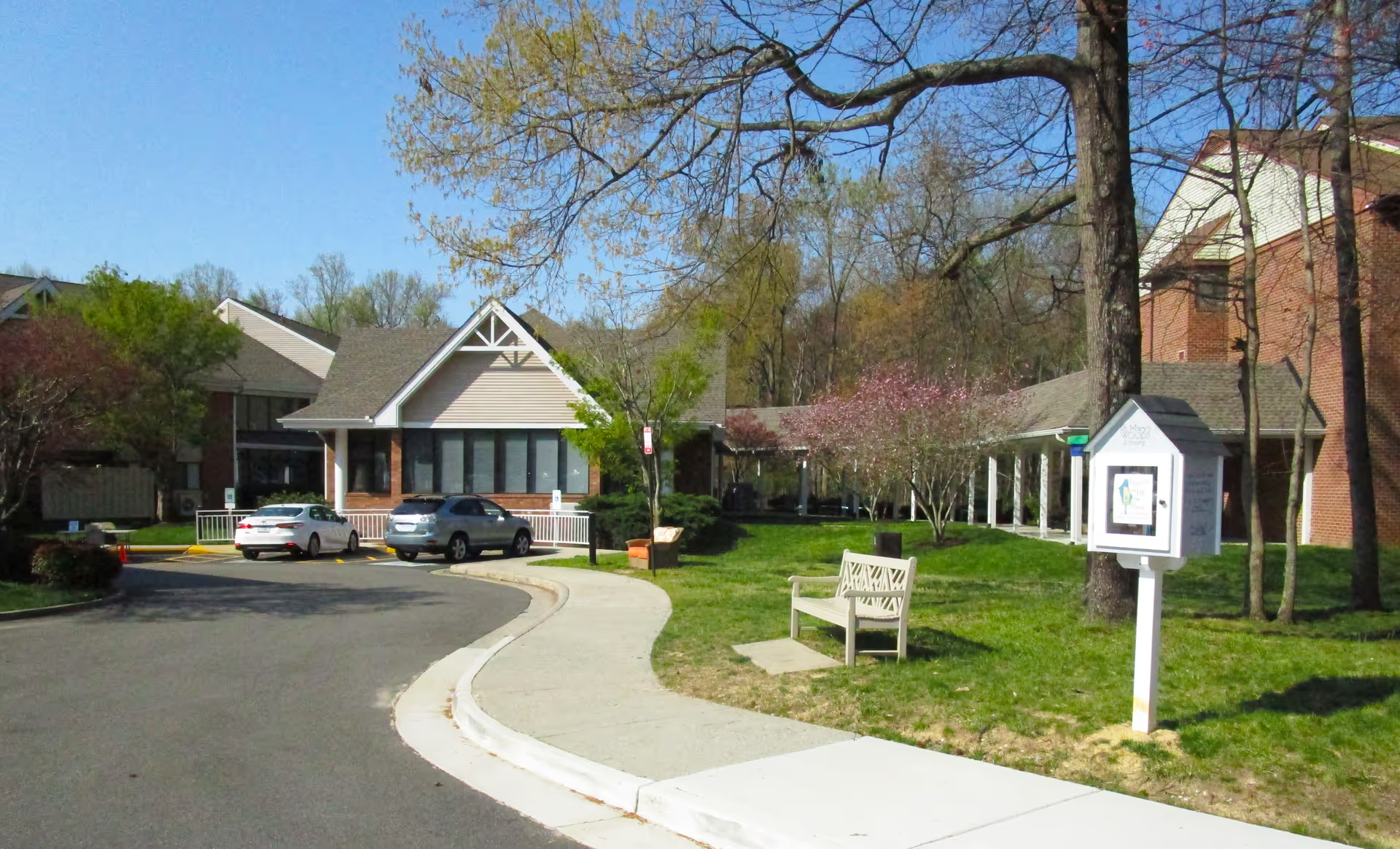
Chesterfield Heights presents as an independent-living community that many families find warm, well-run, and oriented toward resident comfort. Reviewers consistently highlight a caring staff and hands-on on-site management presence; maintenance responsiveness, personalized family communication, and a generally clean, recently renovated interior are frequently noted. The community aesthetic is described as upscale and hotel-like, with well-maintained landscaping, attractive common areas, and multiple apartment floor plans that include balconies or patios.
Care quality is characterized by attentive, resident-focused staff and engaged management who are often praised for being available and proactive. Residents and families describe a family-like atmosphere with staff who provide emotional support and practical assistance. The community offers continuity options such as end-of-life support and allows third-party caregivers, but as an independent-living community it does not provide assisted living or on-site skilled nursing; this limits suitability for people who need higher levels of clinical care or memory-care services.
Dining and food service are strong selling points for many: three meals daily with varied choices, special-event and holiday dining, accommodating chefs, and servers familiar with residents’ preferences. At the same time, review patterns point to occasional variability in meal consistency and service continuity, and some families express concern about the cumulative cost of included or optional meal plans relative to limited budgets.
Activities and social life are prominent features. The facility offers a full activity calendar—crafts, games, outings, faith-based services, and themed events—with an active activities director and reliable transportation for shopping and medical appointments. These offerings support a robust social scene and many comments about residents thriving socially. Some practical drawbacks noted include distance from certain apartments to the dining hall and occasional requests for a broader variety of activities.
Operationally, the facility has strengths and some notable weaknesses. Strengths include an on-site management team that often lives on the premises, dependable maintenance, housekeeping and linen services, and visible attention to sanitation and décor. Weaknesses inferred from reviews include pest-control concerns in some units, inconsistent communication and follow-up with families in specific situations, staff turnover that can affect continuity, and occasional lapses in infection-control communication during outbreaks. Capacity constraints and a waiting list are recurring logistical themes, and practical matters such as limited in-unit laundry, parking tightness, and an open dining area that can be noisy are cited as everyday limitations.
Overall, Chesterfield Heights appears well-suited for independent, mobile older adults who value active programming, dependable transportation, polished facilities, and attentive frontline staff. Prospective residents and families should weigh the facility’s limited clinical-care scope and the operational considerations noted above—particularly pest-control responsiveness, communication practices, and meal-cost implications—when assessing fit and long-term needs.