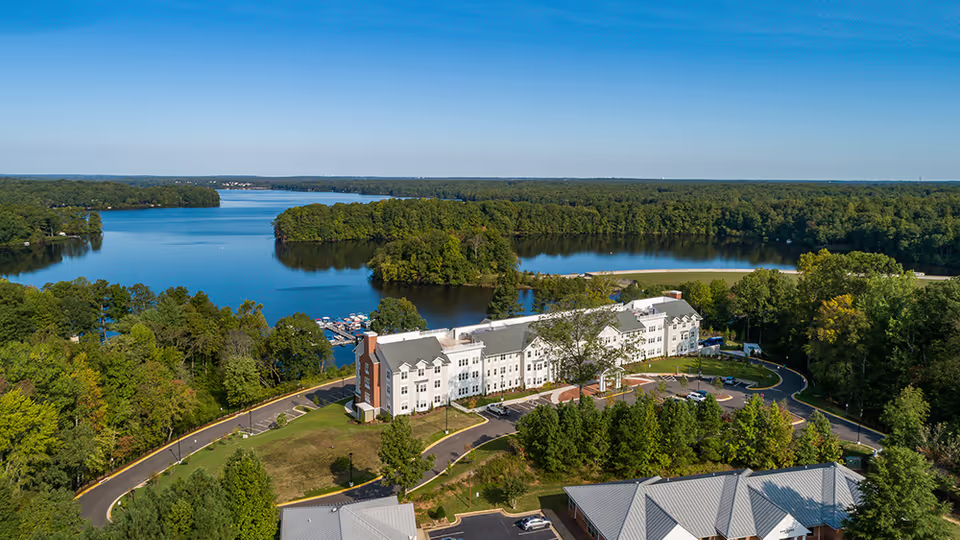
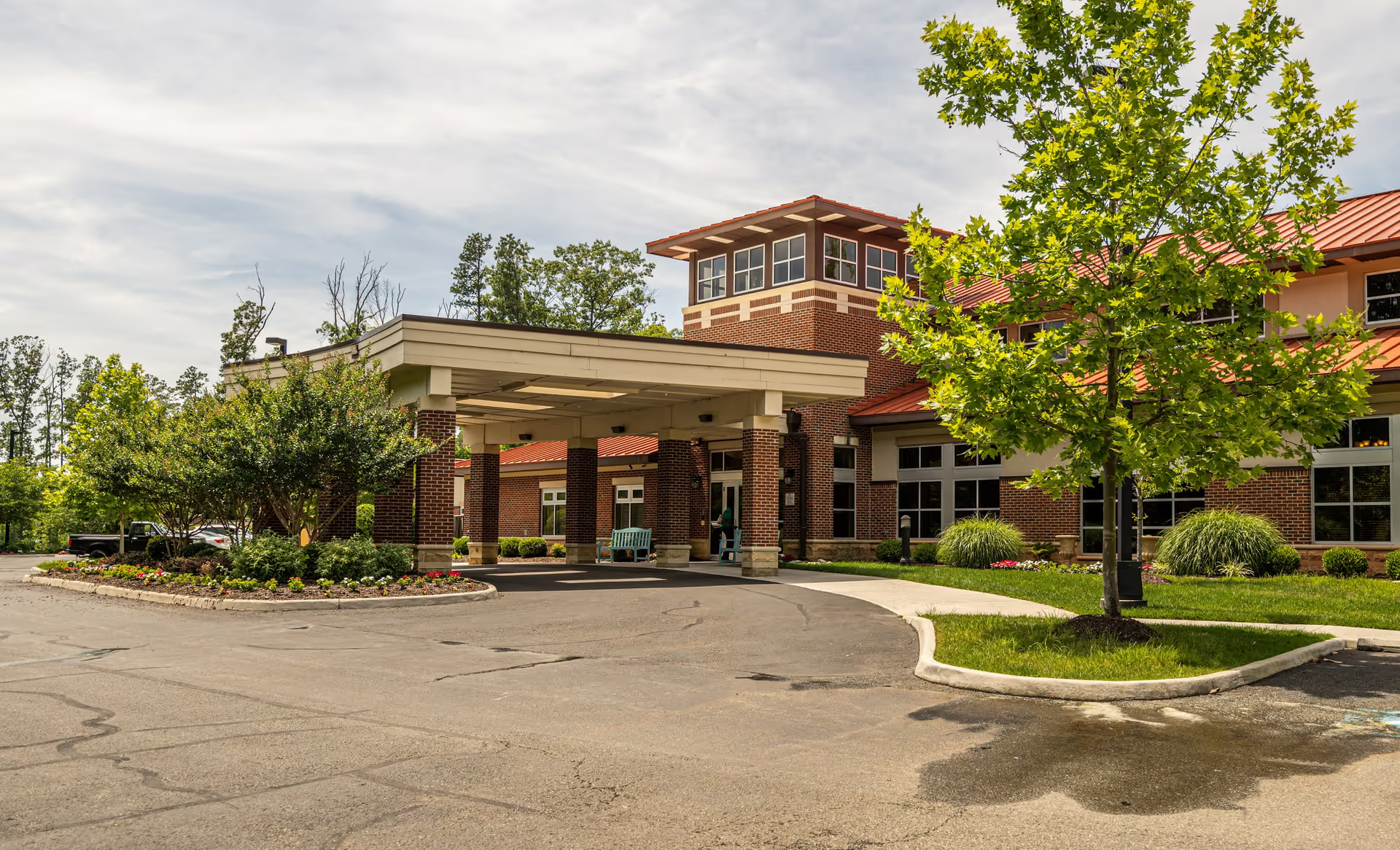
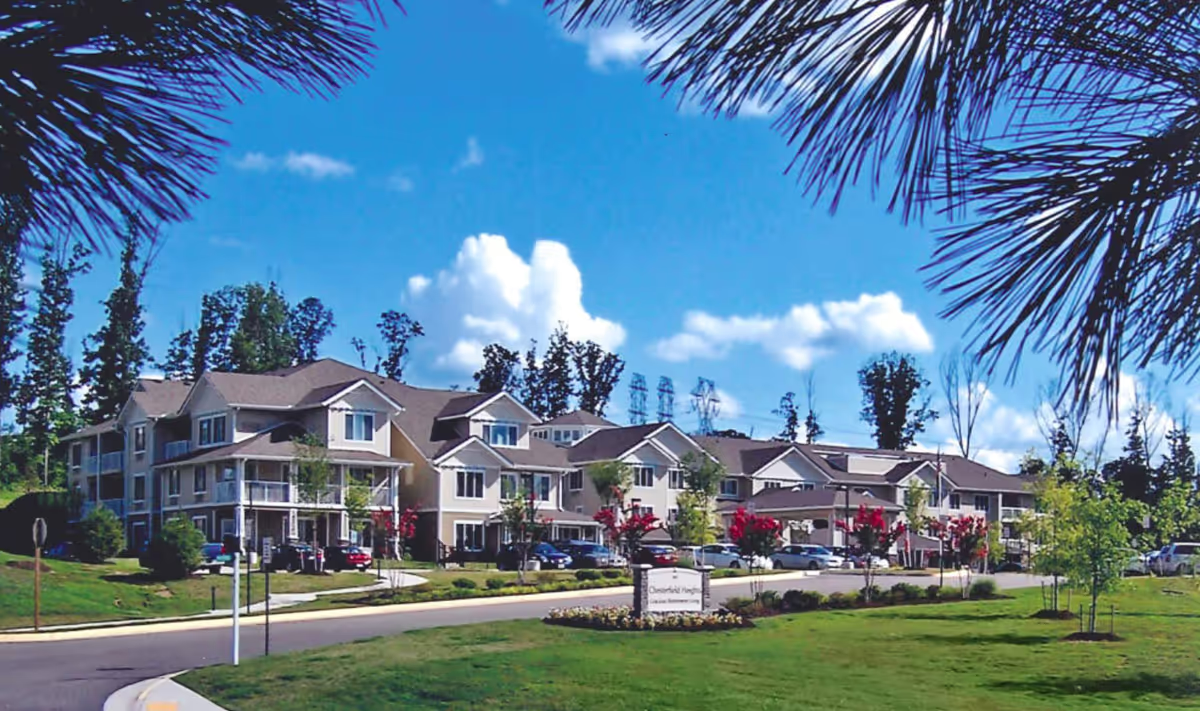
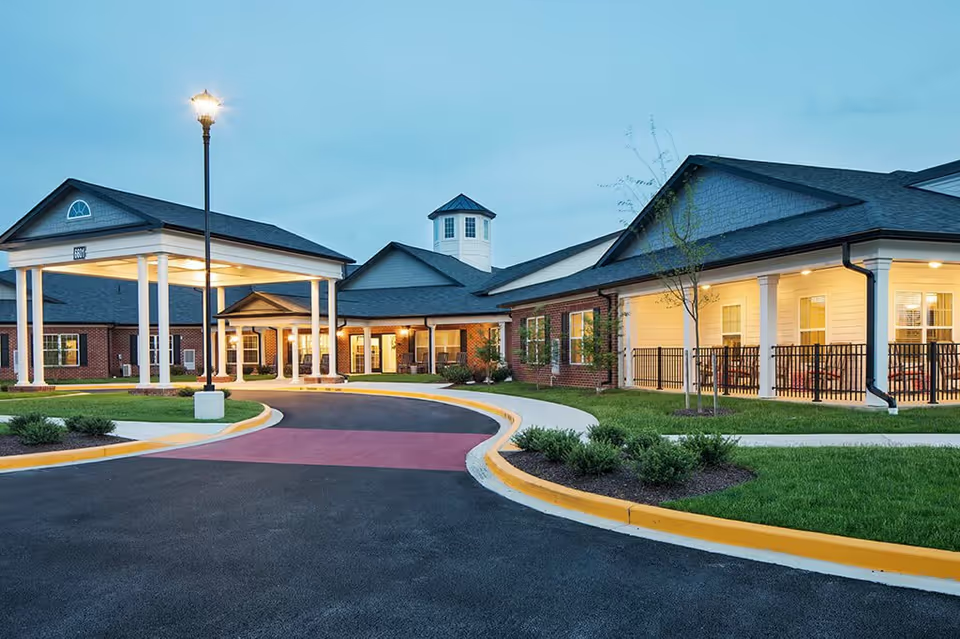
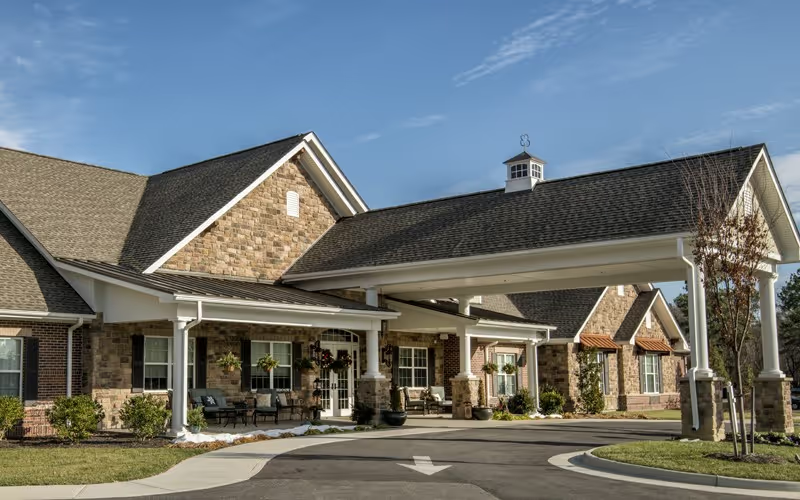
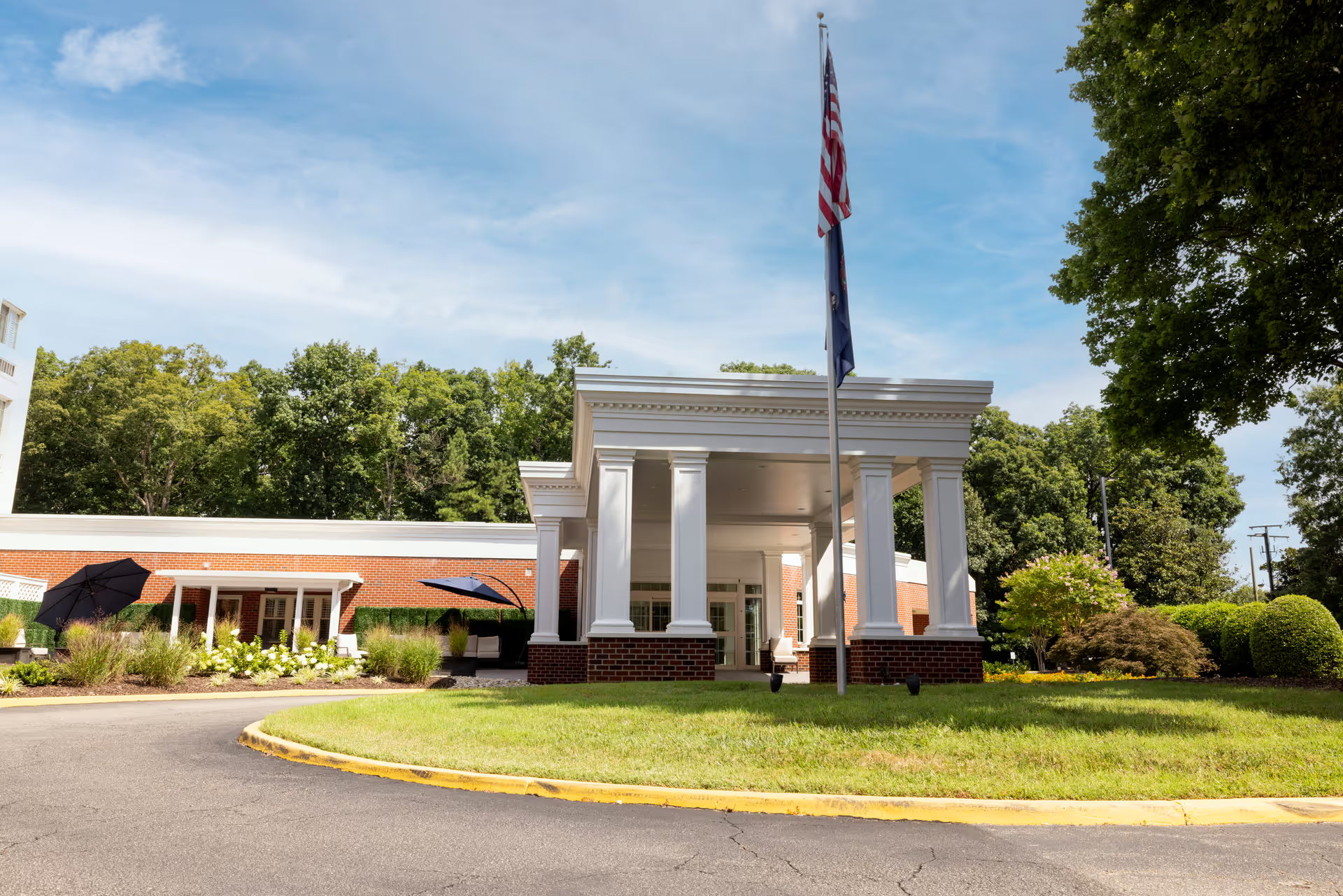
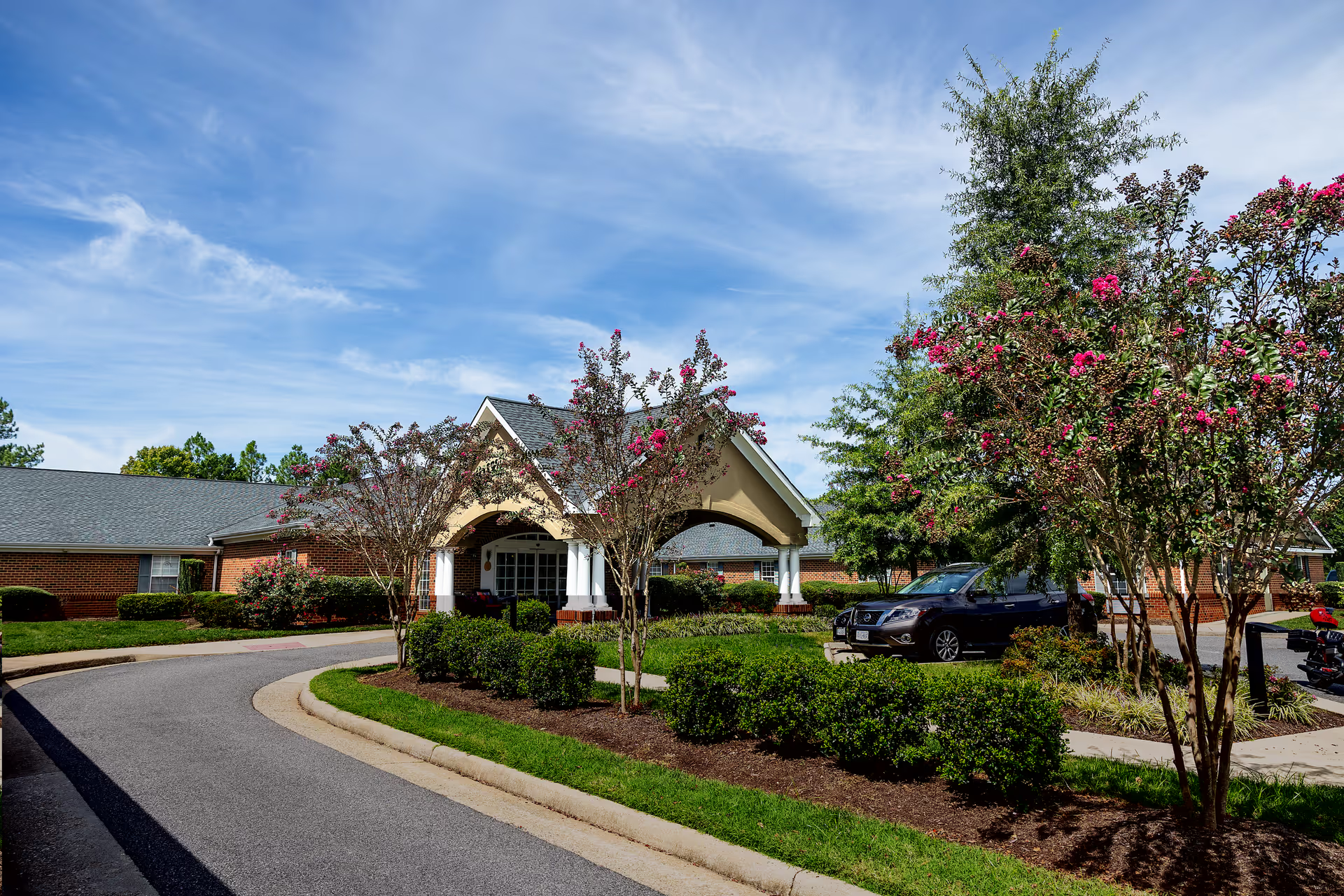
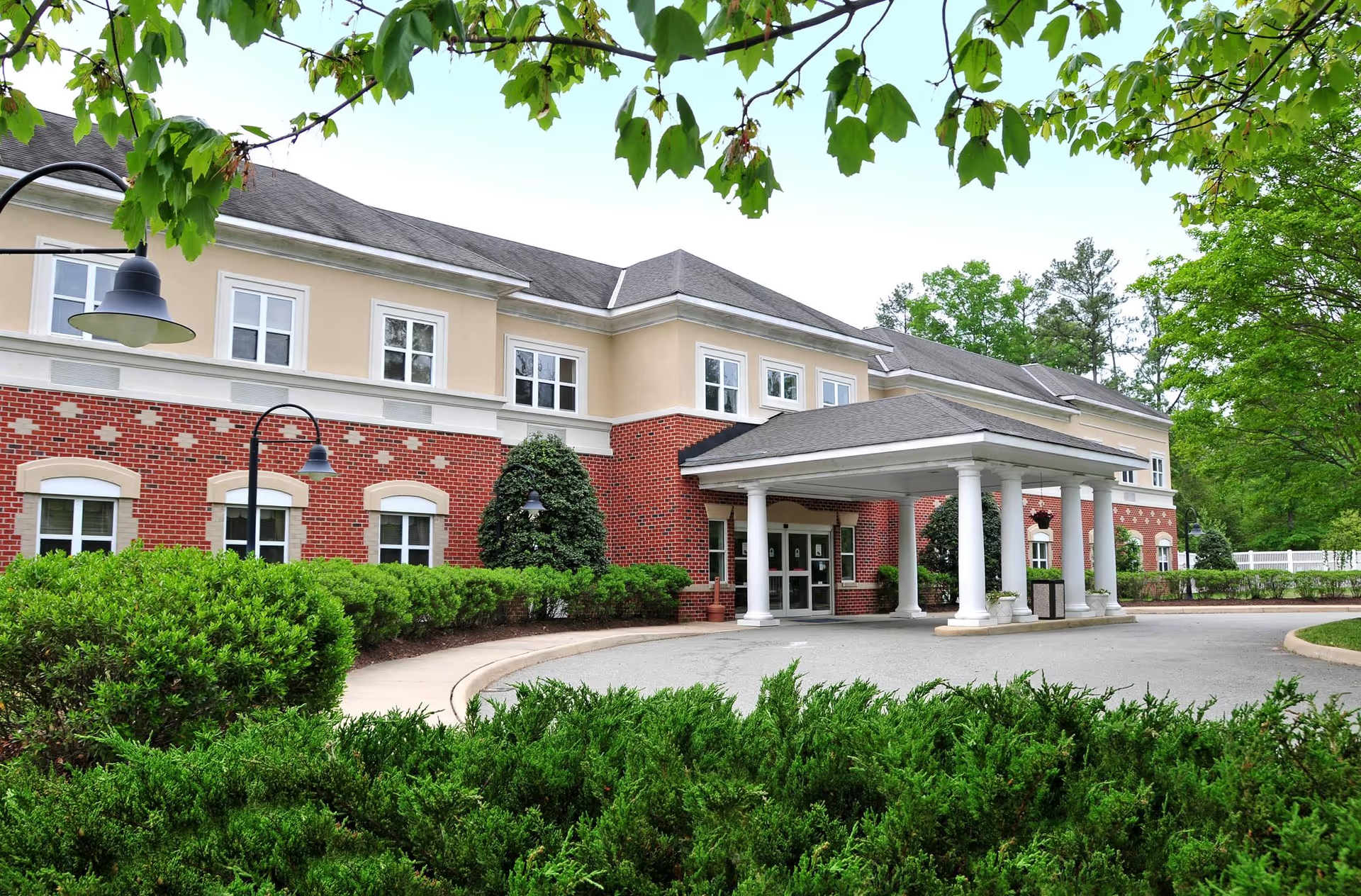
Watercrest Richmond is consistently described as a well-designed, upscale senior living community with strong emphasis on person-centered spaces and active aging. Reviewers highlight an open, light-filled environment, considerable investment in biophilic and spa features (living plant and moss walls, therapeutic salt room, on-site pedicure services), and a range of distinctive amenities such as specialty food stations and event-ready social areas. The physical plant — from multiple activity rooms and studios to generous common areas and outdoor spaces — is frequently cited as a primary strength that supports both social engagement and family involvement.
Care and staffing receive largely positive commentary: many families praised compassionate, attentive caregivers and named community leaders who facilitated smooth move-ins and ongoing communication. Assisted living and memory care services are noted as having a high standard of clinical attention in several accounts, and reviewers frequently referenced helpful transition support, proactive activity programming, and staff who go beyond baseline duties to make residents comfortable. At the same time, a pattern emerges around inconsistent responsiveness and variable professionalism in certain customer-facing roles. Specific operational concerns include uneven callback practices, occasional negative front-desk interactions, and questions about staffing levels and direct-care compensation that may affect continuity of care.
Dining and activities are commonly described as strengths. The community is credited with a strong culinary program, flexible meal options (including all-day dining), and a broad calendar of activities that span arts and crafts, music, fitness, light therapy, and spa-based services. These offerings are presented as supporting quality of life and opportunities for ongoing learning and social interaction. Outdoor programming and well-appointed common areas further reinforce the community’s orientation toward active living and family connections.
Management and operations present a mixed picture. Several reviewers applauded organizational systems, visible leadership engagement, and rapid responsiveness from named staff during positive interactions. Conversely, other reviewers noted unanswered inquiries, management communication gaps, and concerns about fees or restrictive policies for outside caregivers. There are also mentions of parking and access constraints during busy times. For prospective residents and families this suggests the value of validating operational details in person — specifically asking about staffing ratios and turnover, fee schedules and charge transparency, front-desk and on-call communication protocols, and policies regarding outside caregivers and parking.
Overall, Watercrest Richmond appears to offer a thoughtfully appointed environment with robust programming and many examples of strong, compassionate caregiving. The recurring operational themes—variability in responsiveness, front-desk professionalism, and staffing/compensation questions—are not uncommon for new or growing communities and are actionable areas to confirm during a tour. Recommended next steps for families: schedule a meal visit, observe front-desk and staff–resident interactions, request staffing metrics and turnover data, review the contract for fee details, and meet leadership to discuss communication practices and policies prior to commitment.