Overall sentiment in the reviews is predominantly negative with a small, consistent note that some staff members are pleasant. The most frequently mentioned positive point is that a portion of the staff are described as "nice," but this is outweighed by multiple recurring complaints about care quality, staffing, and the physical environment. Reviewers convey a sense that Hilton Plaza Inc is not meeting expectations set by its advertising or by what families and residents commonly seek in a senior living community.
Care quality emerges as one of the most serious themes. Multiple reviews describe the care as "very poor," "substandard," and generally inadequate. Complaints about care are specific in tone ("poor staff and care") even if not detailed in particular incidents; the language indicates consistent dissatisfaction with the ability of the facility to meet residents' basic care needs. This pattern suggests systemic problems rather than isolated incidents, given the repeated use of strong negative descriptors.
Staffing and staff competence are tightly linked to the care concerns. Reviewers report staffing shortages and also call out poorly trained staff and staff who are not friendly or helpful. The combination of insufficient staffing levels and inadequate training creates a twofold problem: not enough personnel to meet residents' needs, and the staff who are present lacking the skills or demeanor expected. While some individual staff members are praised as "nice," that positive does not counterbalance the recurring reports of unhelpful, poorly trained, or insufficient personnel.
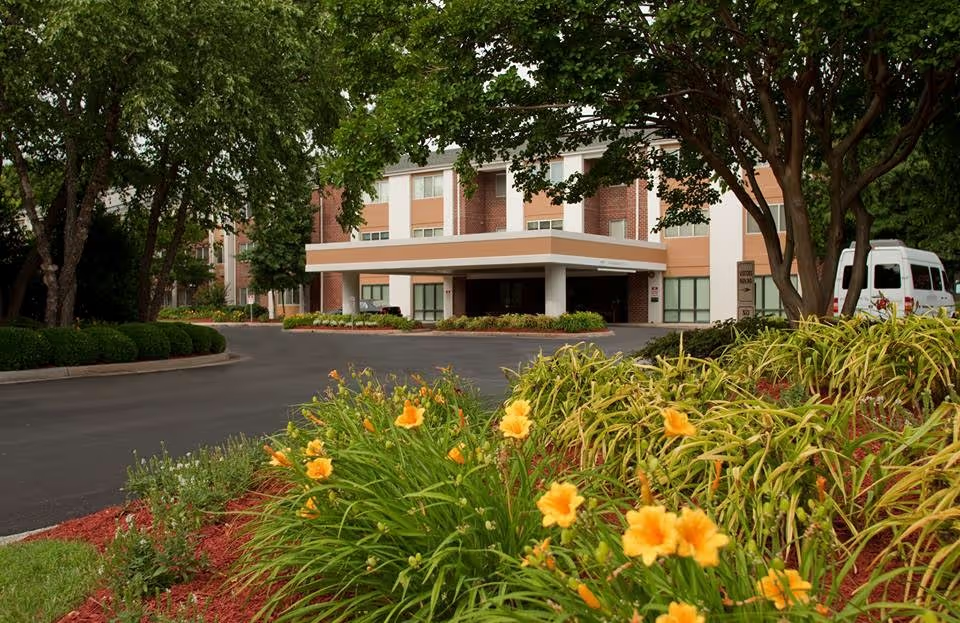
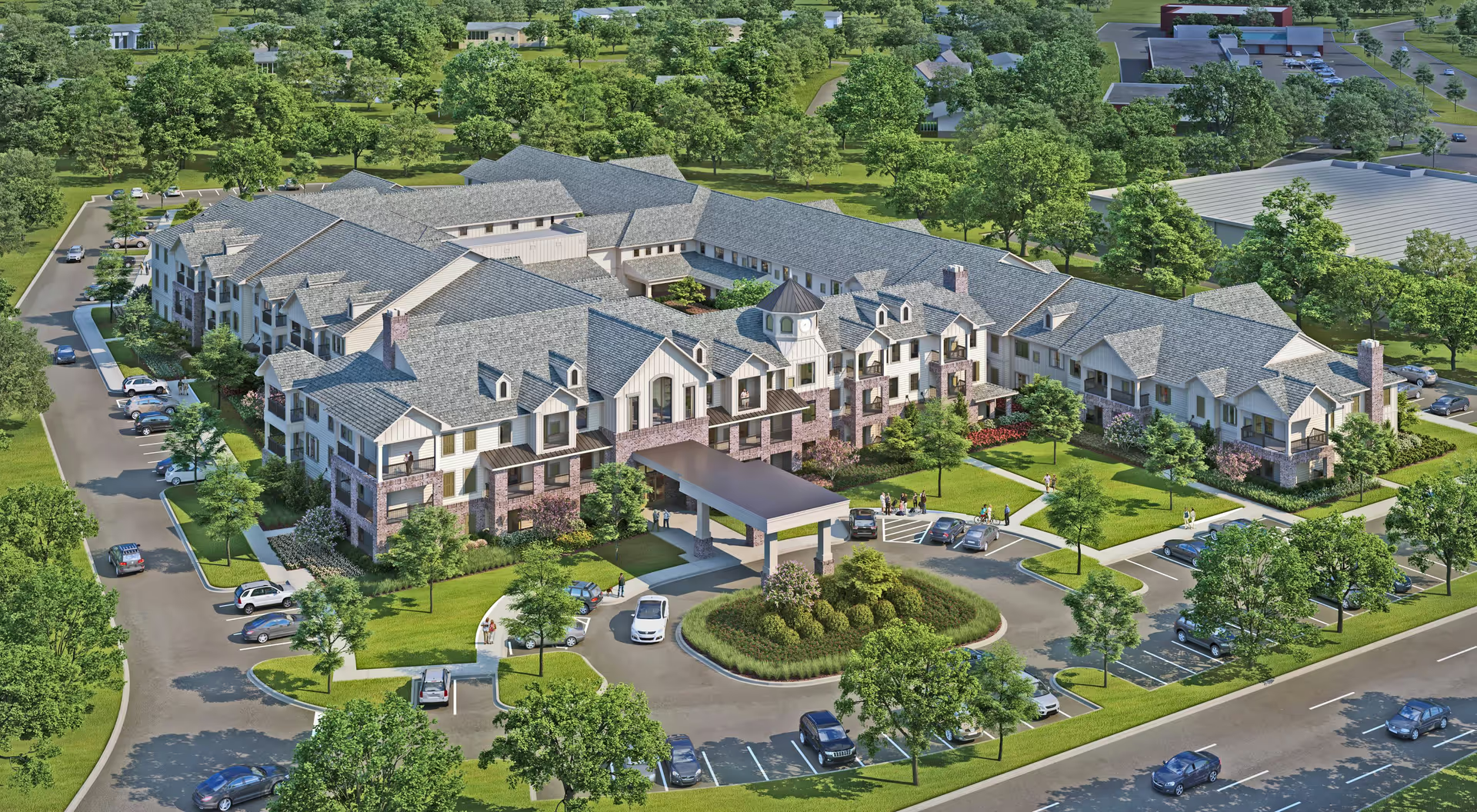
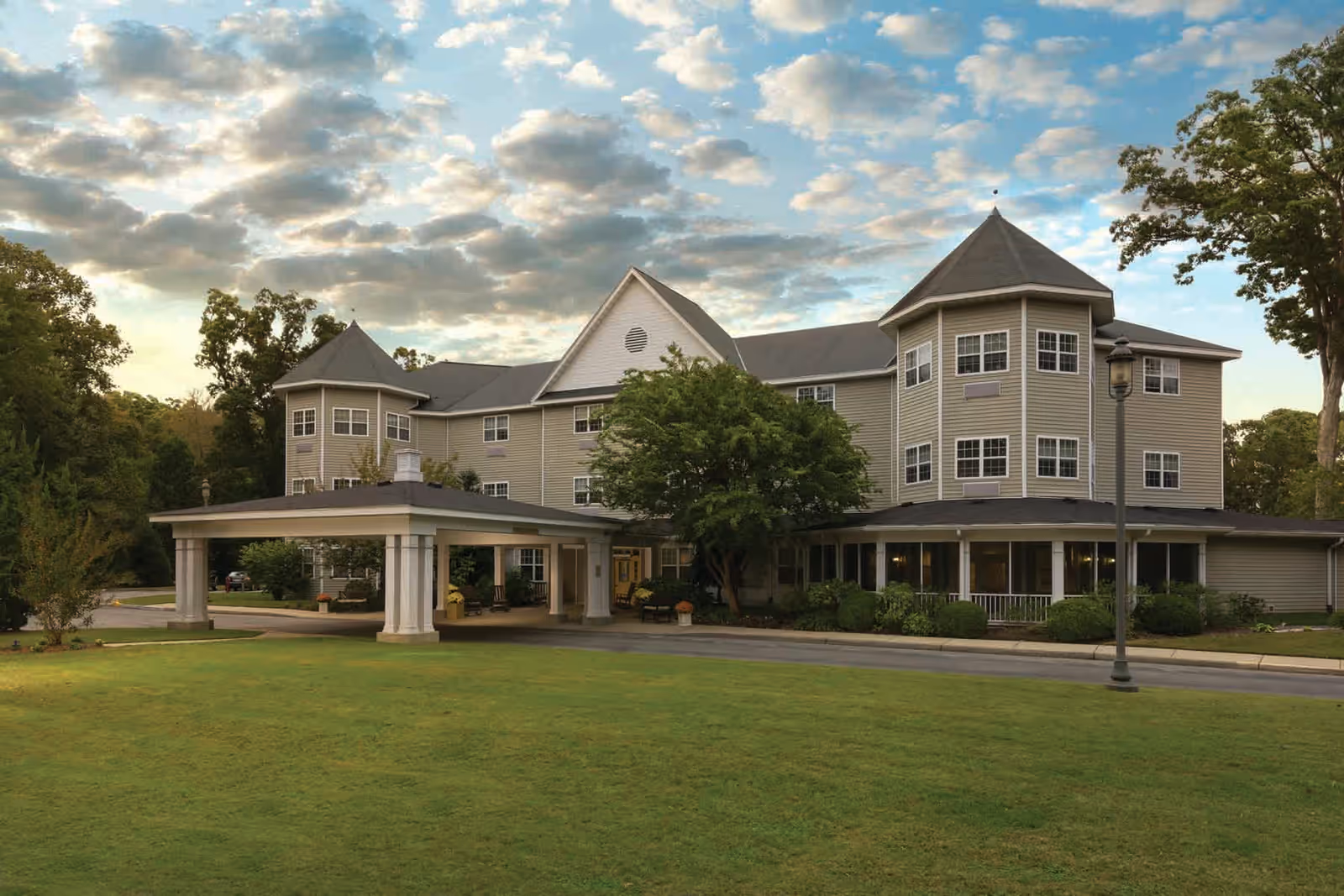
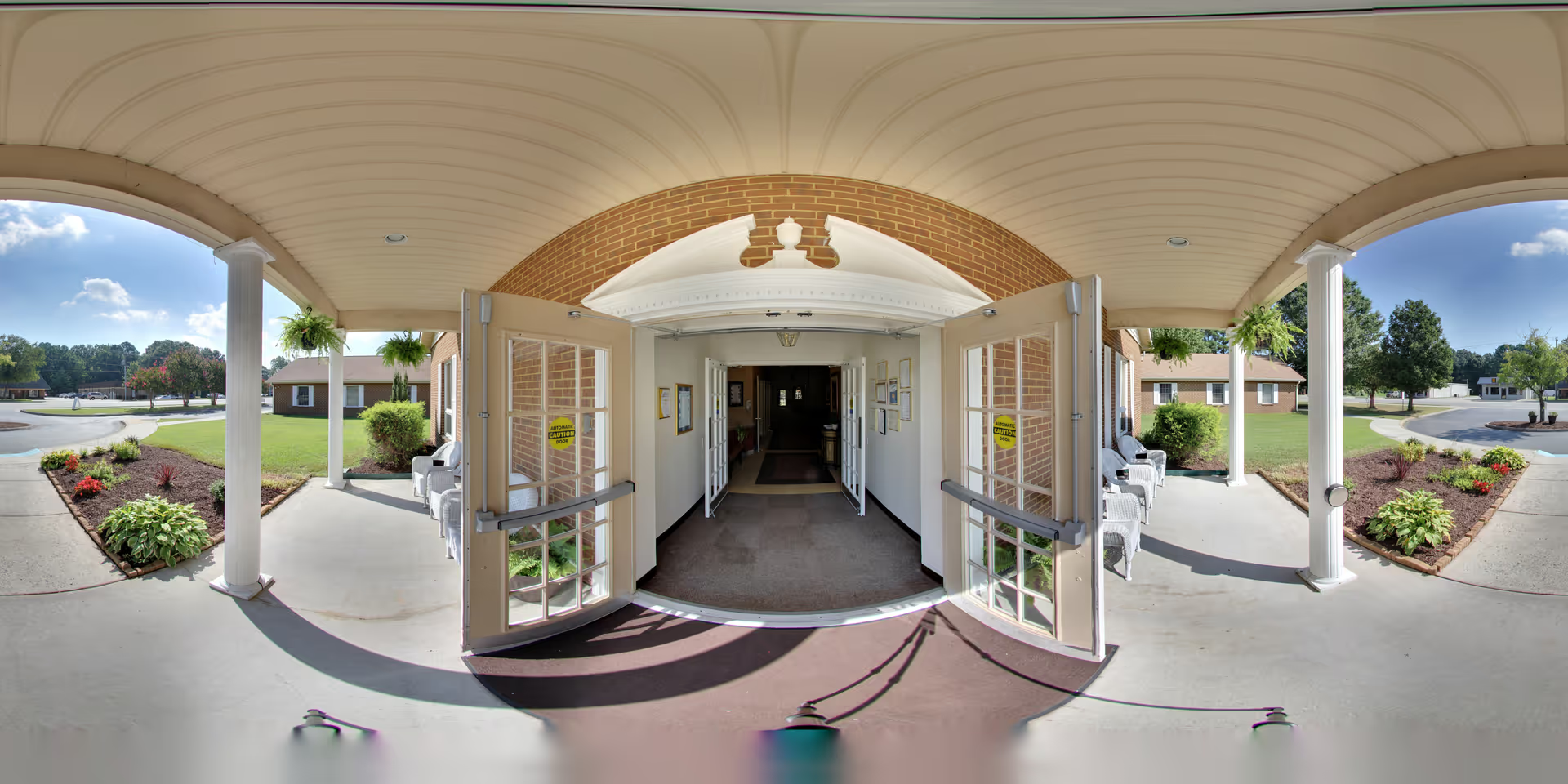
The facility and its presentation are another major area of dissatisfaction. Reviews describe the building and interiors as outdated, dark, and having an unwelcoming design and color scheme. Multiple comments that the environment is "not home-like" and "not as advertised" point to a mismatch between marketing or expectations and the on-site reality. The descriptors—"outdated facility," "dark environment," and "needs updates"—imply that physical renovations, better lighting, and interior redesign would be needed to improve residents' comfort and the overall atmosphere.
Cost and value are additional recurring concerns. Reviewers mention a "high cost" while simultaneously describing poor care and an environment that is not home-like or as advertised. This creates a perception of poor value: residents or families feel they are paying premium rates without getting commensurate quality in staffing, care, or physical surroundings. That perception amplifies frustration and erodes trust in management.
Notably, the reviews do not provide detailed comments about specific operational areas such as dining, activities, medical oversight, or administrative responsiveness, so those aspects cannot be assessed from the available summaries. However, the dominant patterns—staffing shortages, reports of poor/substandard care, poorly trained and sometimes unfriendly staff, and an outdated, dark facility that does not feel home-like—paint a coherent picture of a community struggling with both human resources and capital-maintenance issues. Taken together, these themes suggest systemic problems that prospective residents and families should probe further: confirm current staffing levels and training, ask for specifics about recent or planned renovations, request references or recent inspection reports, and arrange an in-person visit to evaluate whether the small number of "nice" staff can offset the broader deficiencies reported.