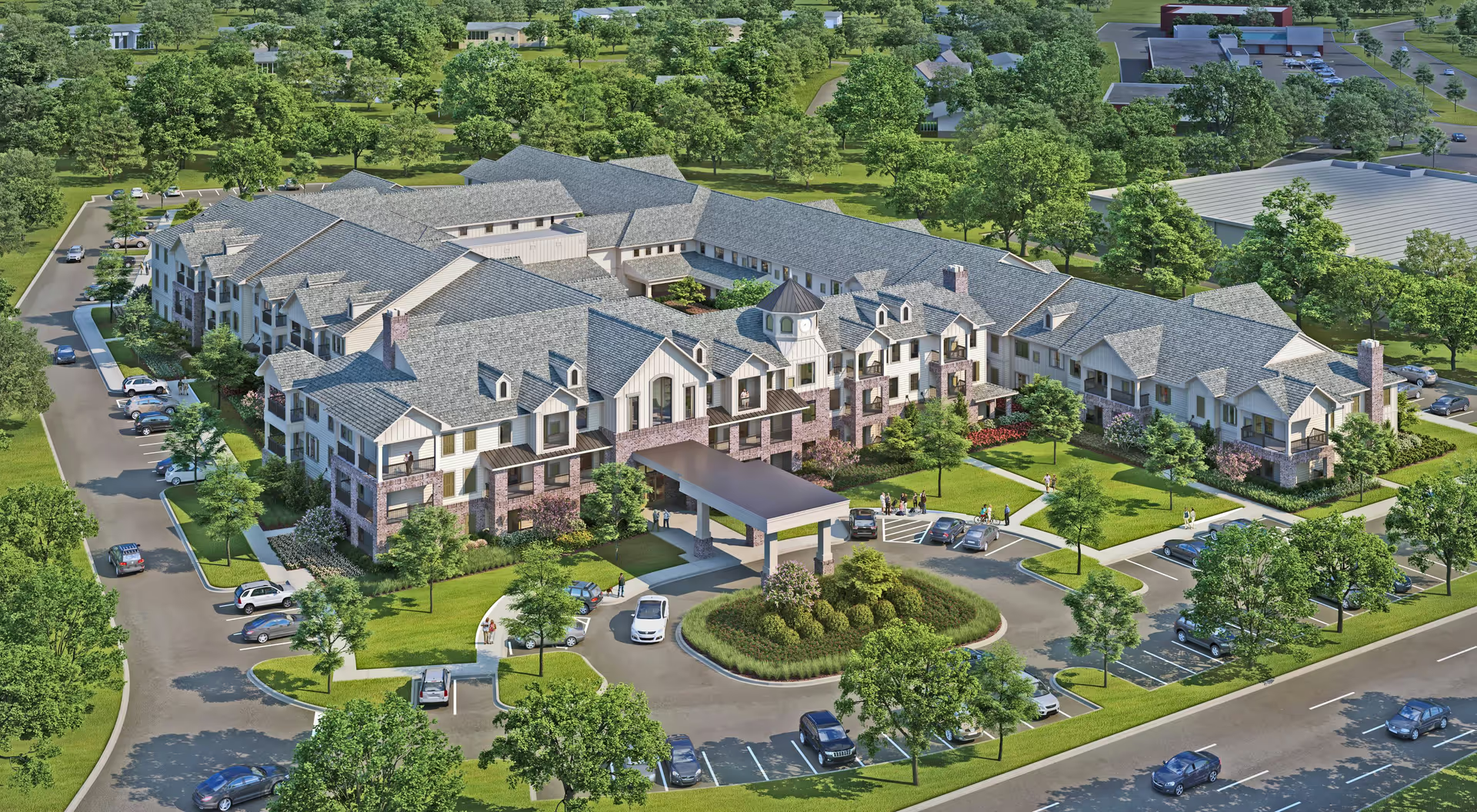
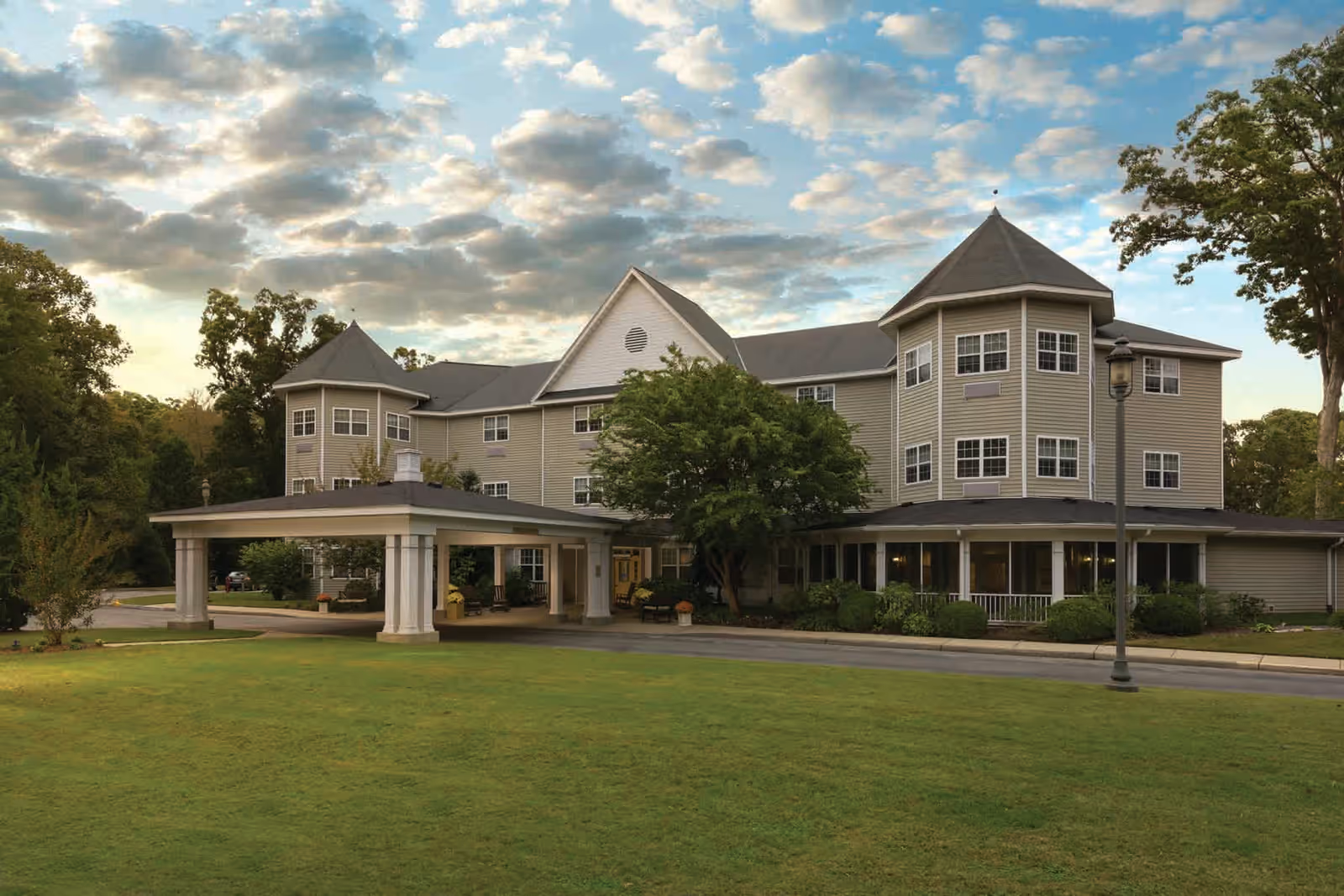
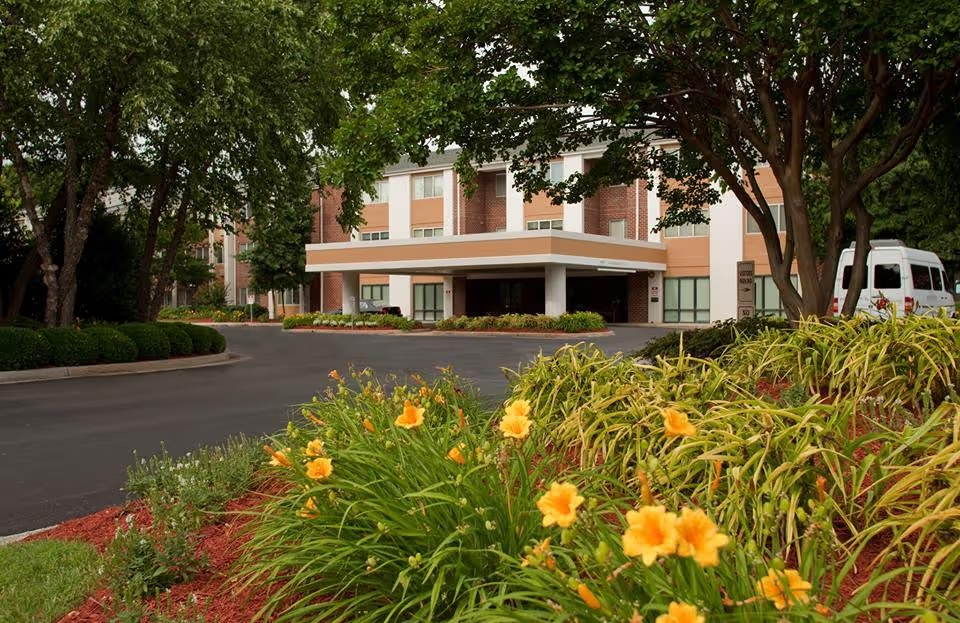
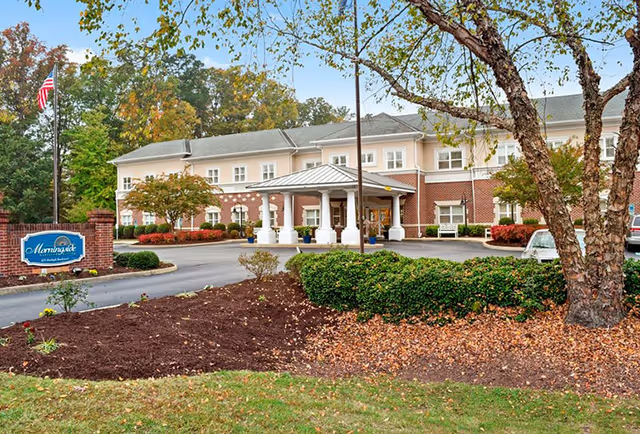
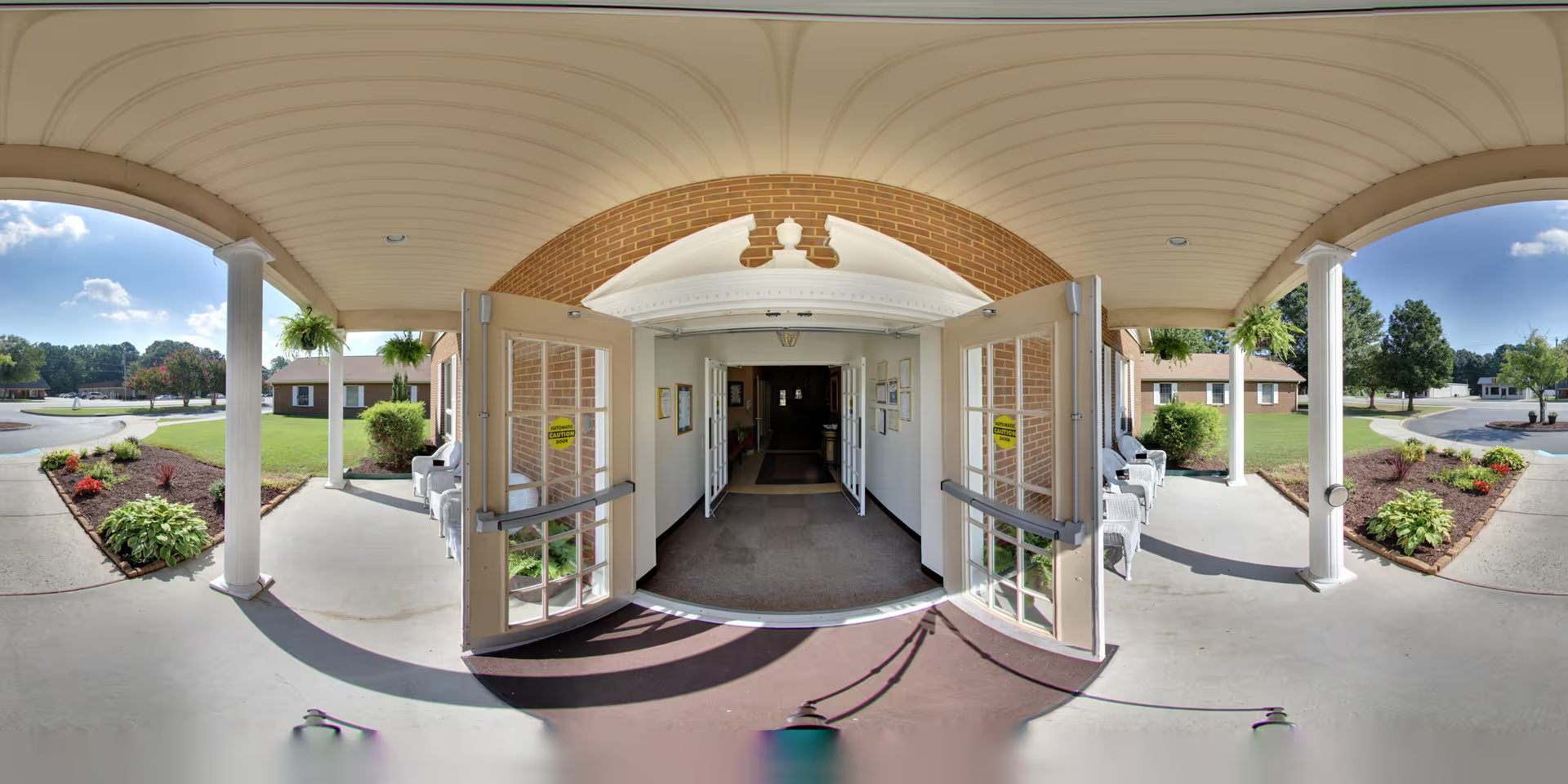
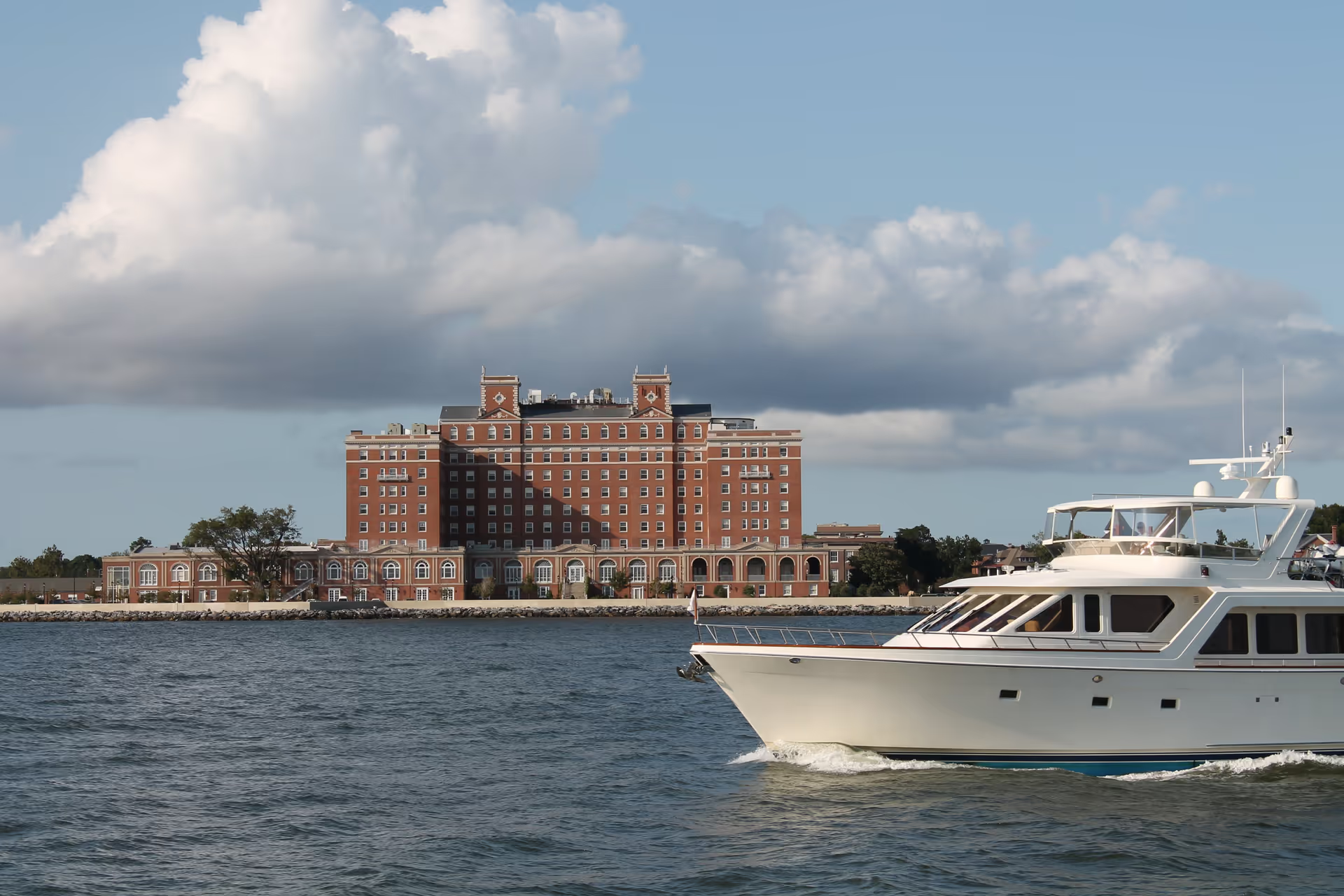
Regent of Newport News presents a pronounced contrast between physical environment and operational consistency. The facility's renovation and conversion from a hotel receive frequent praise: reviewers describe an elegant, hotel-like exterior and interior, attractive decor and antiques, spacious and practical resident apartments, and well-designed common areas that create a welcoming, home-like atmosphere. For many families the setting, move-in assistance, and the personal touches in decor and furnishing contribute to a strong first impression.
Care and frontline staff are a clear strength in many accounts. Numerous comments highlight personalized attention, respectful and considerate interactions, and a staff demeanor that feels family-like. Activity and dining staff are singled out positively in several descriptions, and some families describe measurable improvements in their relatives' well-being after moving in. These accounts suggest the facility is capable of delivering attentive, resident-centered care when staffing and processes align.
At the same time, reviews identify operational weaknesses that affect safety and consistency of care. Chronic understaffing and role ambiguity—where staff balance multiple duties—are recurring themes; these conditions are linked to delays in responsiveness, unanswered calls, and gaps in routine tasks. Related concerns include gaps in medication-administration and documentation processes and inconsistent cleanliness and sanitation oversight. Several accounts imply that these process gaps have increased risk for medication errors and safety incidents.
Safety and maintenance practices are another area of concern. Feedback points to inadequate upkeep of emergency equipment and safety-critical items, and to environmental hazards such as water on floors and bathroom issues that can increase fall risk. There are also mentions of inspection or regulatory issues and one or more serious allegations regarding eviction practices; these raise governance and compliance questions that prospective families should investigate further.
Dining, activities, and amenity delivery appear uneven. While some reviewers praise cafeteria staff and the look of communal spaces, others describe variable food quality, few actual activities despite a posted calendar, and amenities (for example, a salon) that were not operational. This suggests that programming and amenity availability may be inconsistent over time or dependent on staffing levels.
Management and communication draw mixed evaluations. Positive interactions and helpful admissions support are reported alongside critiques of management responsiveness, unresolved paperwork or medication concerns, and poor communication with families. Taken together, the pattern indicates a facility with strong physical assets and many engaged caregivers but with operational and management gaps that affect day-to-day consistency. Prospective residents and families should verify current staffing levels, review medication and safety protocols, ask about recent inspection outcomes, and observe activity and dining programming during a visit to assess whether the facility’s operational practices meet their expectations.