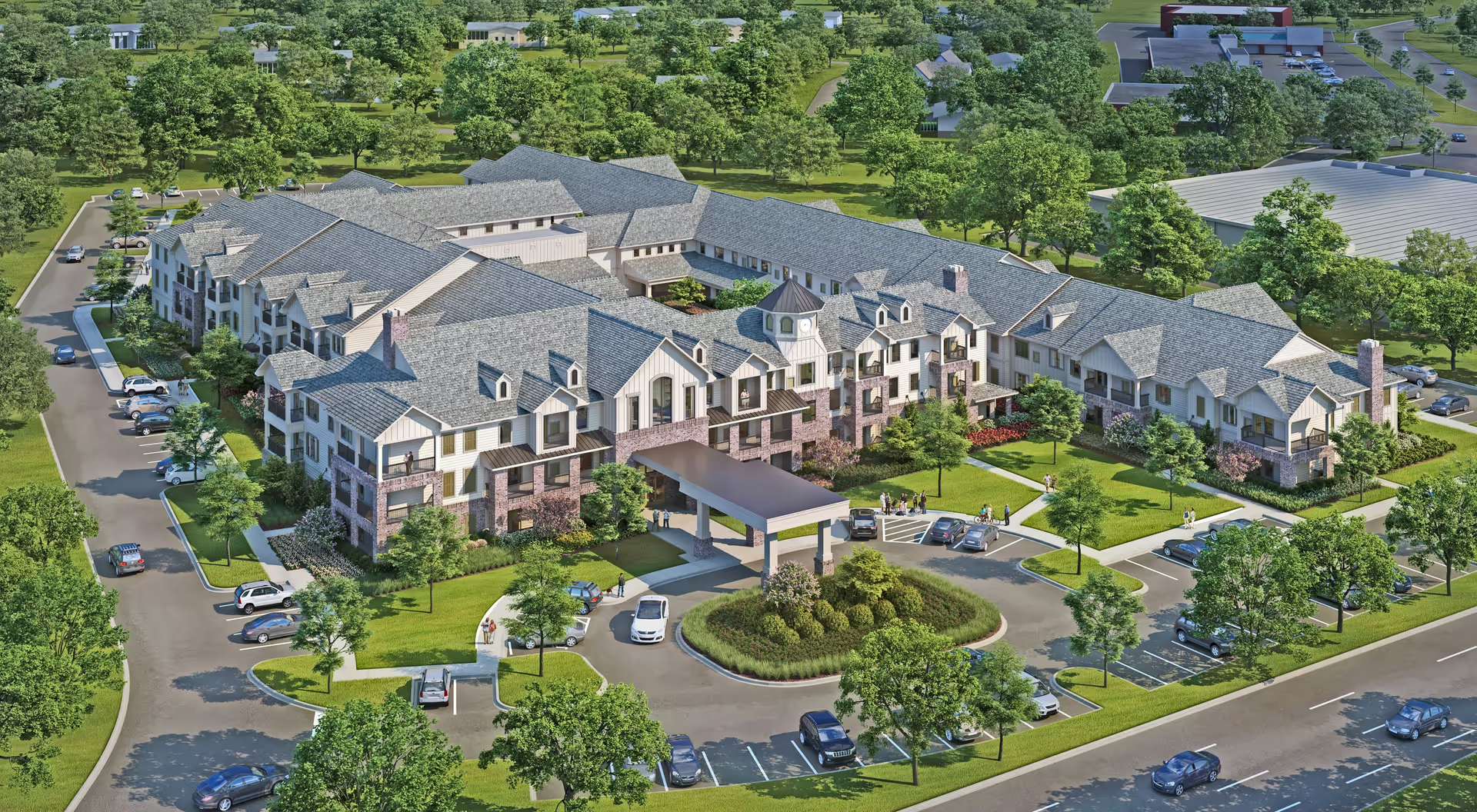
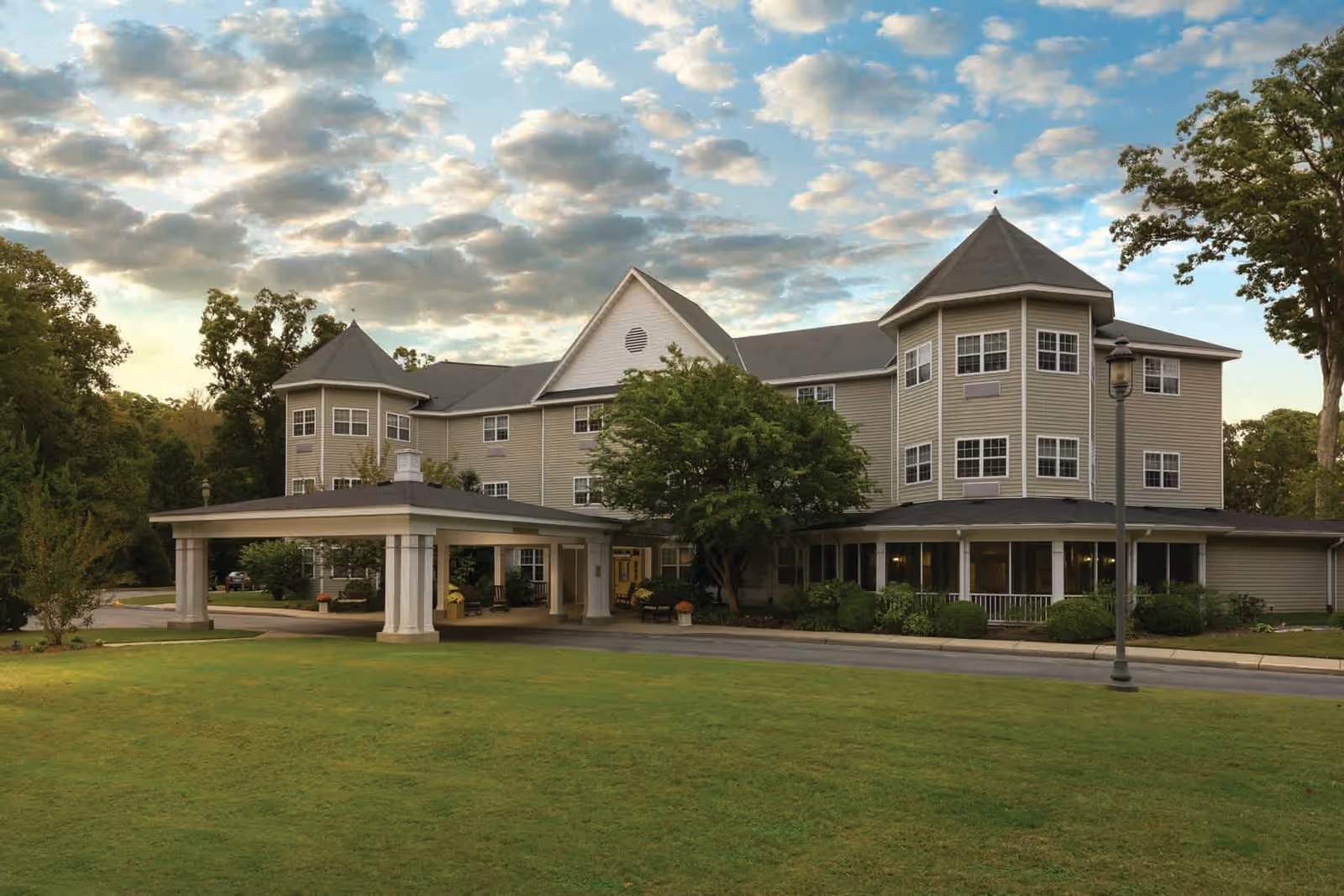
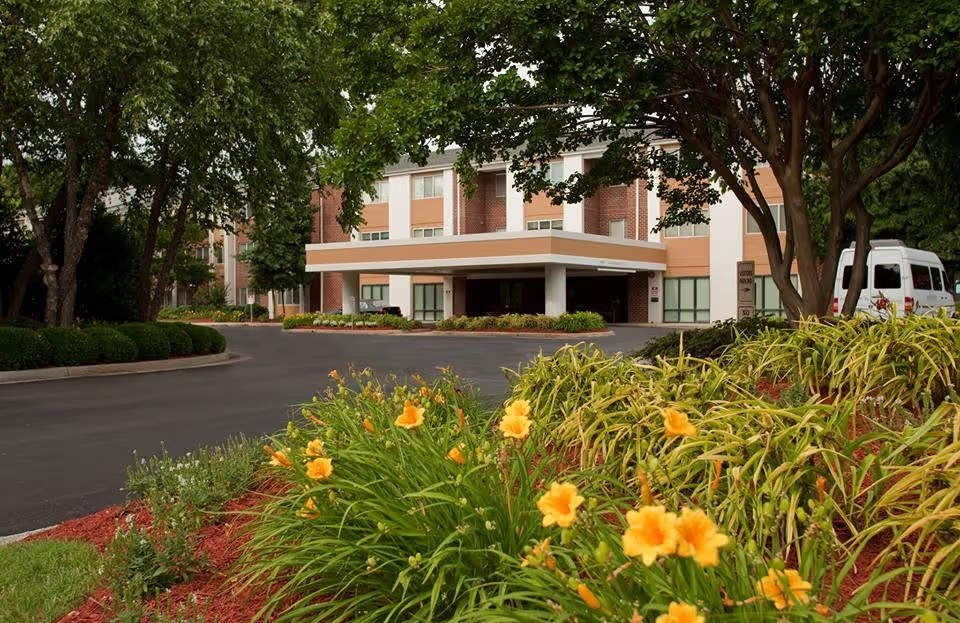
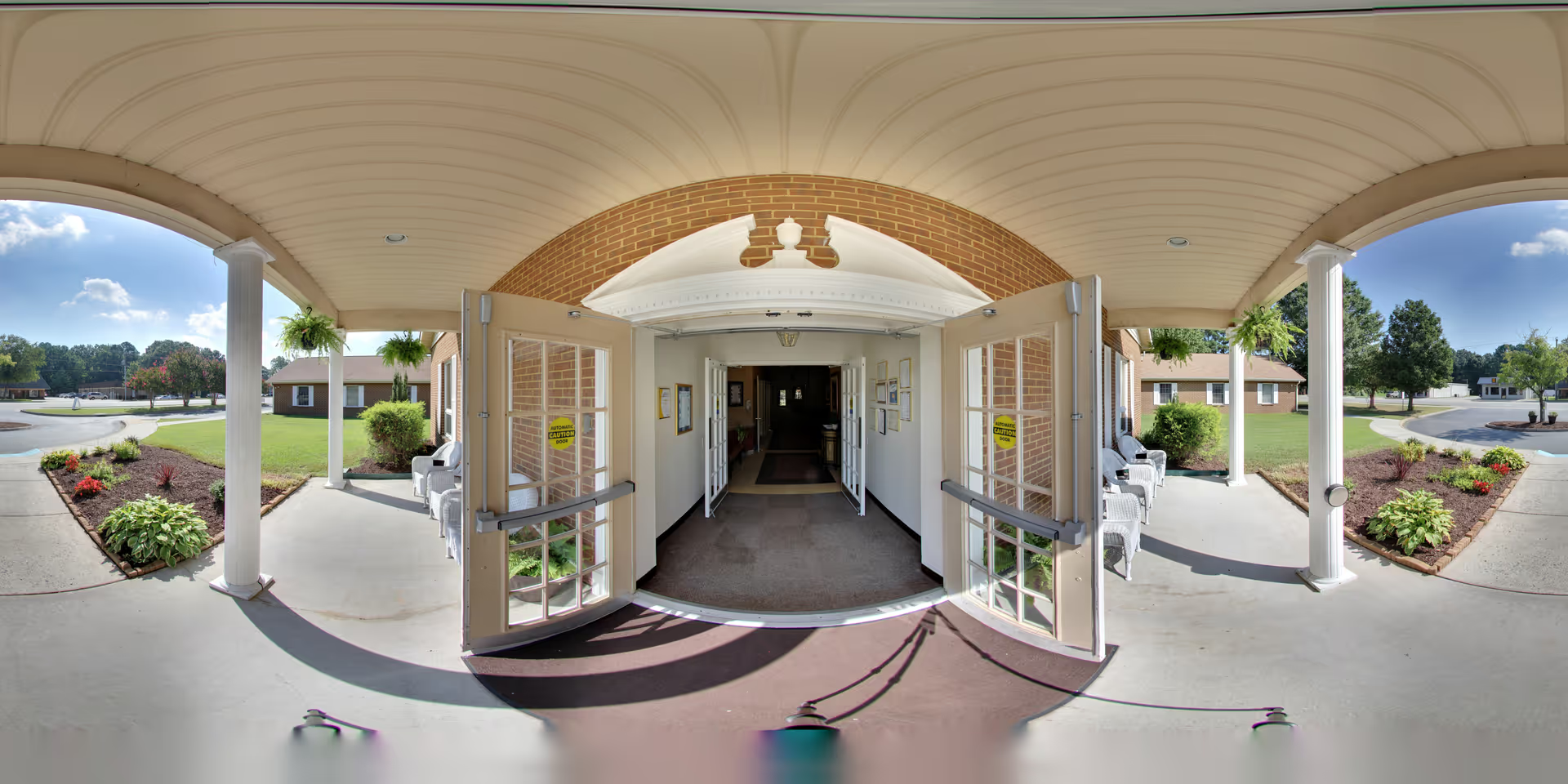
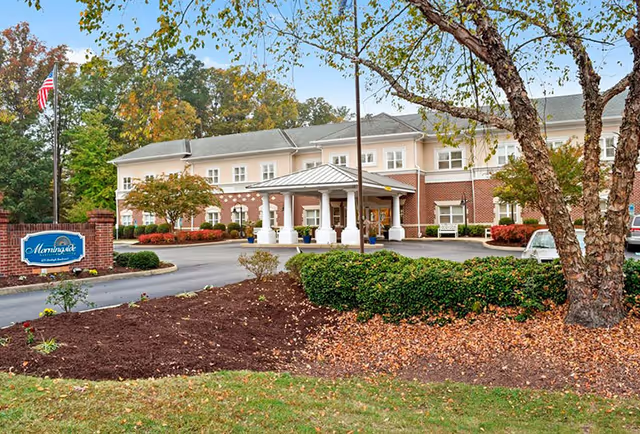
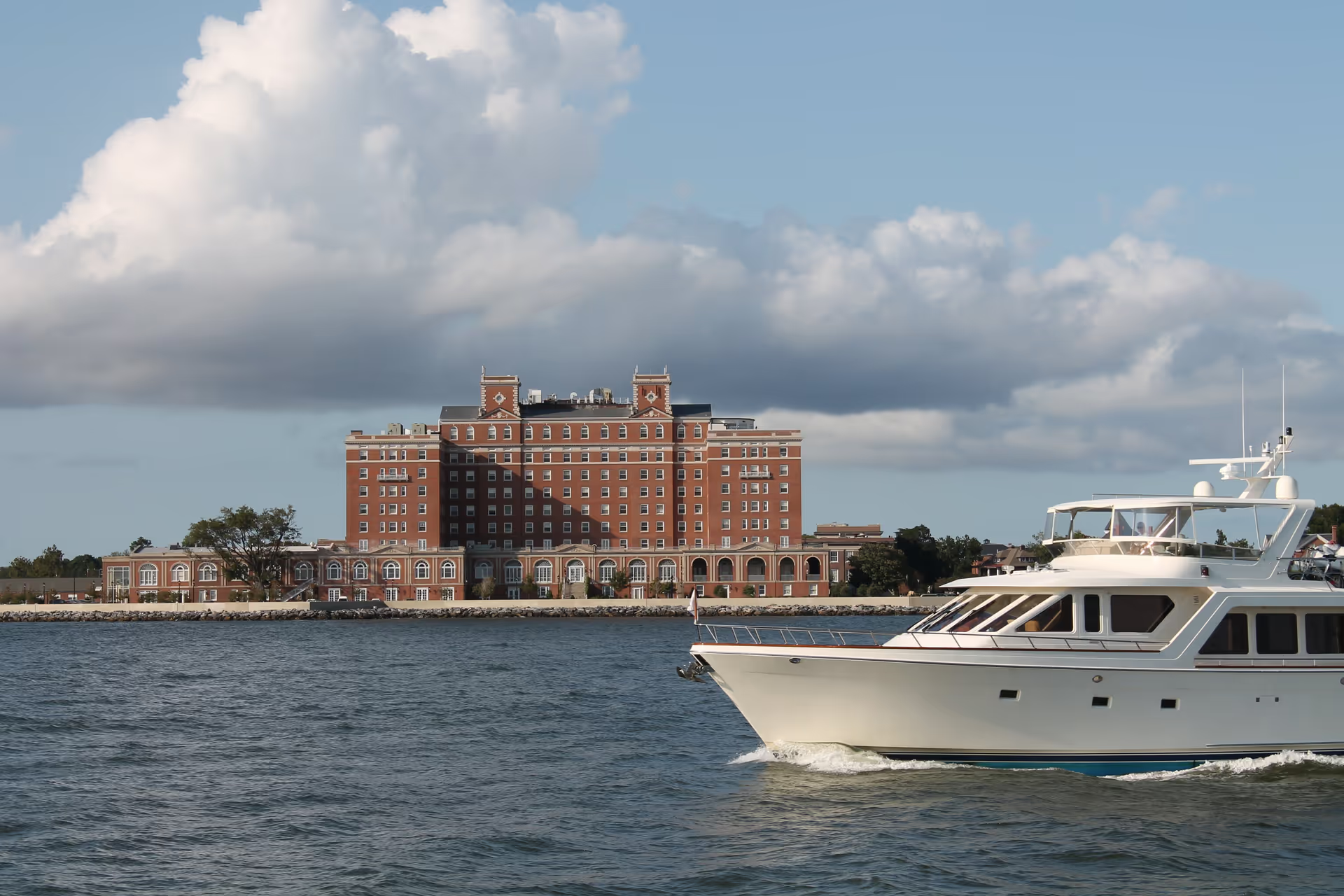
The Chesapeake presents as a high-end, recently updated continuing-care community with many features attractive to independent-living residents seeking a hotel-like environment. Strengths noted consistently include modern common areas, a renovated and varied dining program, multiple meal-plan options (including short-term carryover), on-site therapy and rehab rooms, an exercise pool and fitness offerings, and a broad activity calendar with communal spaces such as a library, cafe, beauty shop, and movie/all-purpose room. Several families highlighted positive clinical partnerships with nearby hospitals and good post-surgical rehabilitation outcomes. Frontline staff interactions are frequently described as friendly and professional, and many residents value the campus landscaping, size, and social engagement opportunities.
At the same time, reviews identify several operational patterns that warrant close review by prospective residents and families. Clinical and staffing concerns recur: short staffing in assisted/healthcare units, inconsistent responsiveness to resident needs (including medication-timing delays), and gaps in care continuity and communication between clinical staff and families. These issues appear most pronounced where residents require progressively higher levels of care or have cognitive or behavioral changes. The community’s policies around transitions to higher-acuity care — including limited acceptance of incapacitated residents, mandated moves to specific wards, or requirements to hire private nursing support — can create significant additional costs and logistical burden for families.
Dining and hospitality are overall strengths in terms of variety and presentation, but there are repeated comments about inconsistent meal service (cold food and beverage temperatures) and occasional service reliability problems. Facility logistics also present tradeoffs: the large campus offers many amenities but can create parking challenges, long walks between destinations, and limited in-unit storage for residents. Additional operational concerns include pest-control issues in some areas and allegations about missing property and asset controls, which point to potential gaps in environmental management and security processes.
Management and culture are mixed themes. Positive accounts describe professional, caring teams who provide individualized attention. Conversely, other reviews raise concerns about leadership, communication responsiveness (including difficulty reaching administrators), fundraising communications tied to the provider, and a workplace environment that may affect staff morale. Cost is another central consideration: the community operates at a higher price point with substantial entrance fees and the potential for significant ancillary costs if additional care or private staffing is required.
Overall, The Chesapeake may be a good fit for independent-living residents seeking upscale amenities, active programming, and strong rehabilitation links. Families anticipating future high-acuity needs, cognitive decline, or tight budgets should evaluate the facility’s transition policies, staffing levels, clinical protocols, contract terms (entrance fee and ancillary costs), and security/environmental-management practices during visits and in writing before making a placement decision.