Overview Reviews reflect a strongly polarized picture. The facility receives consistent praise for its rehabilitation offerings—physical and occupational therapy staff are frequently described as knowledgeable, encouraging and instrumental in returning residents home. Many families and former residents credit the therapy team with measurable functional gains and cite careful goal-setting, daily sessions, and individualized plans. A significant portion of reviewers also highlight compassionate nursing assistants and several attentive licensed nurses who deliver hands‑on care and routine clinical tasks well.
Care quality and clinical concerns Therapy-centric care is the facility’s clearest strength: short inpatient rehab stays often produce rapid improvement in mobility, transfers and activities of daily living. That said, reviewers describe variability in nursing and personal-care execution. Common operational issues include delayed responses to call bells, uneven bathing and toileting assistance, and inconsistent follow‑through on wound or pressure‑injury care. While some families described attentive wound care and healed pressure injuries, others reported lapses that suggest inconsistent clinical oversight and documentation practices.
Staffing and communication A recurrent theme is staffing variability. Reviewers note periods where staff are compassionate, communicative and accessible, while other shifts appear understaffed, leading to slow response times and missed requests. Communication tone and conduct are also inconsistent: several comments praise specific nurses, therapists and administrators for clear, reassuring communication, but others describe curt or dismissive interactions and gaps in managerial follow‑up. Weekend and after‑hours clinical availability were identified as particular pressure points.
Dining and activities Dining receives mixed but generally positive comments: many reviewers found meals appetizing and accommodating to special diets, and kitchen staff are credited for flexibility. Some also noted cold breakfasts, occasional tray errors and variability in portioning and seasoning. Activities programming is frequently singled out as a positive element—organized group activities, bingo, and visits from a therapy dog contribute to engagement and morale.
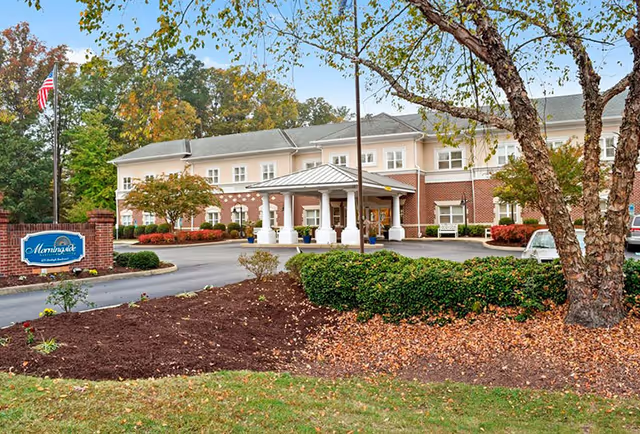
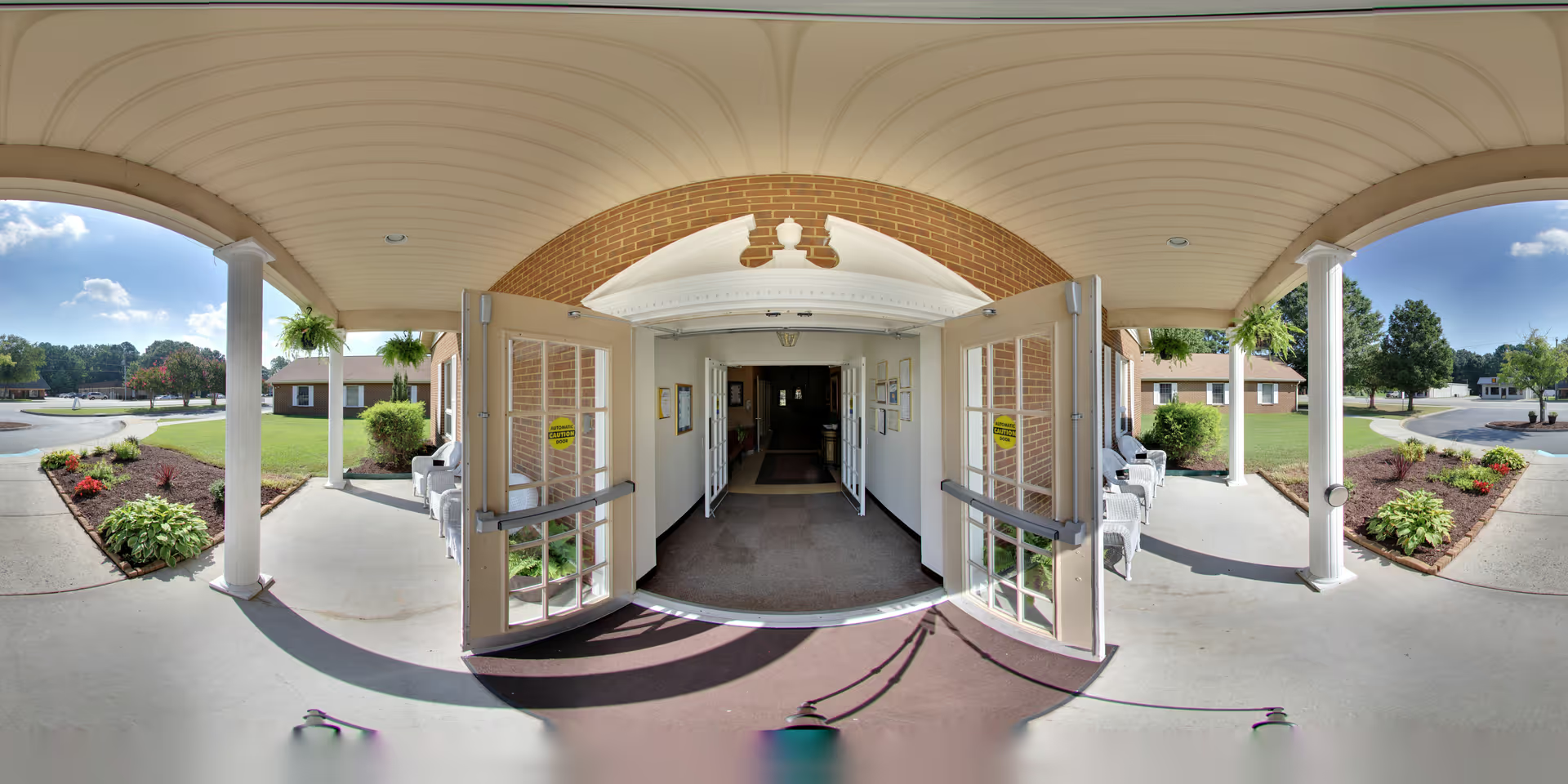
Facilities and maintenance Physical-condition feedback is mixed. Several reviews describe clean common areas, no unpleasant odors, and efficient housekeeping; others identify dated décor, worn furnishings, maintenance issues in some rooms, and pest‑control concerns in specific locations. Room configuration (private vs. semi‑private) is noted as an important factor for family satisfaction.
Management and operational patterns Leadership visibility and responsiveness appear inconsistent. Some families praise an accessible administrator and effective care meetings; others express frustration with perceived lack of managerial follow‑through, constrained on‑call physician access, and administrative delays around discharge or belongings. A few reviewers raised serious individual concerns—including missing personal items and questions about end‑of‑life care—which warrant direct discussion with facility leadership and, if necessary, follow‑up with oversight agencies.
Notable patterns and advice for families The most consistent positive pattern is the facility’s strong, therapy‑focused rehabilitation capability—individuals prioritizing intensive PT/OT often report good outcomes. The most consistent negative patterns are operational: staffing shortages, variable personal‑care execution, sanitation and maintenance inconsistencies, and uneven leadership responsiveness. Prospective residents and families considering this facility should prioritize questions about current staffing ratios (including nights and weekends), infection‑control and pest‑management practices, wound‑care protocols, meal‑service consistency, and how the facility handles property accountability and family communication. For rehab-focused stays where therapy is the primary goal, the facility may offer strong benefits; for residents with high ongoing personal‑care needs or complex wound/skin issues, families should confirm current operational safeguards before admission.