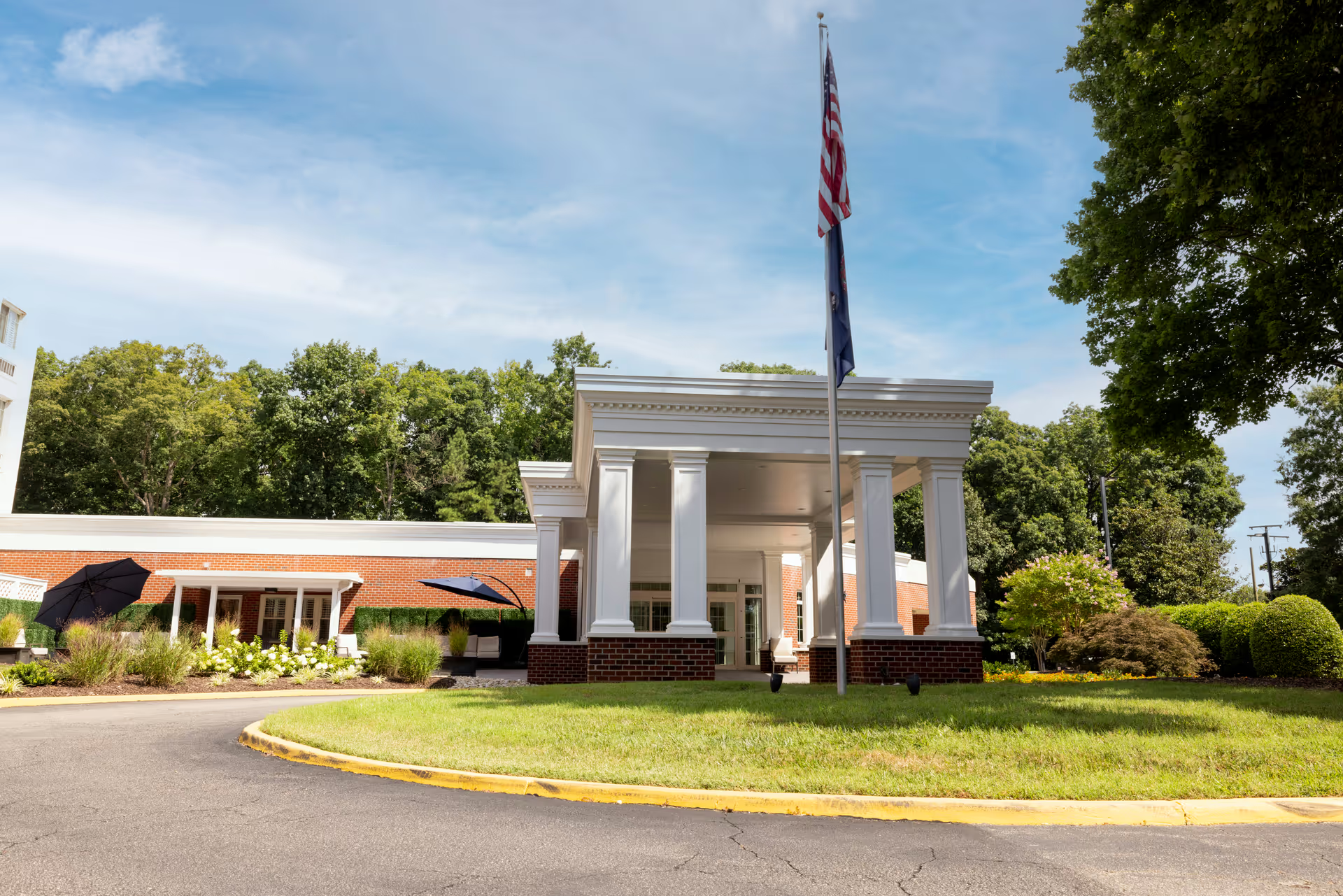
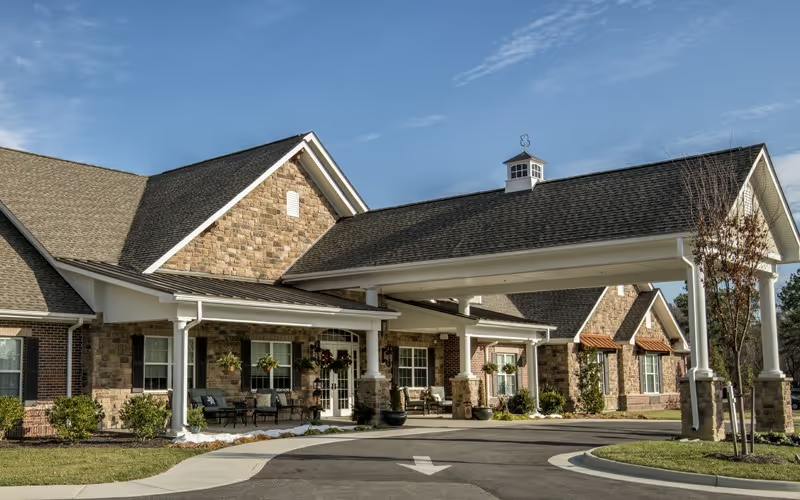
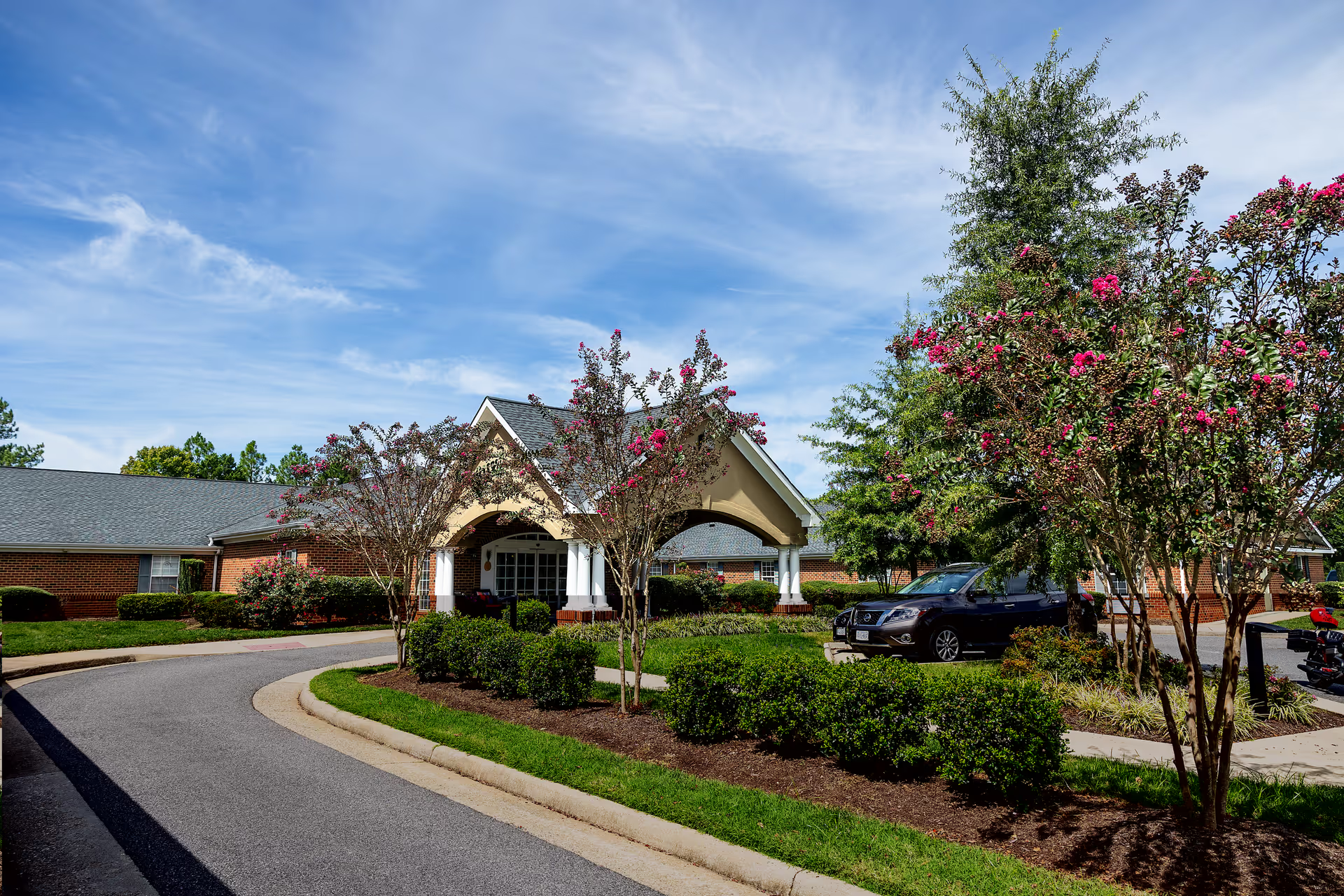
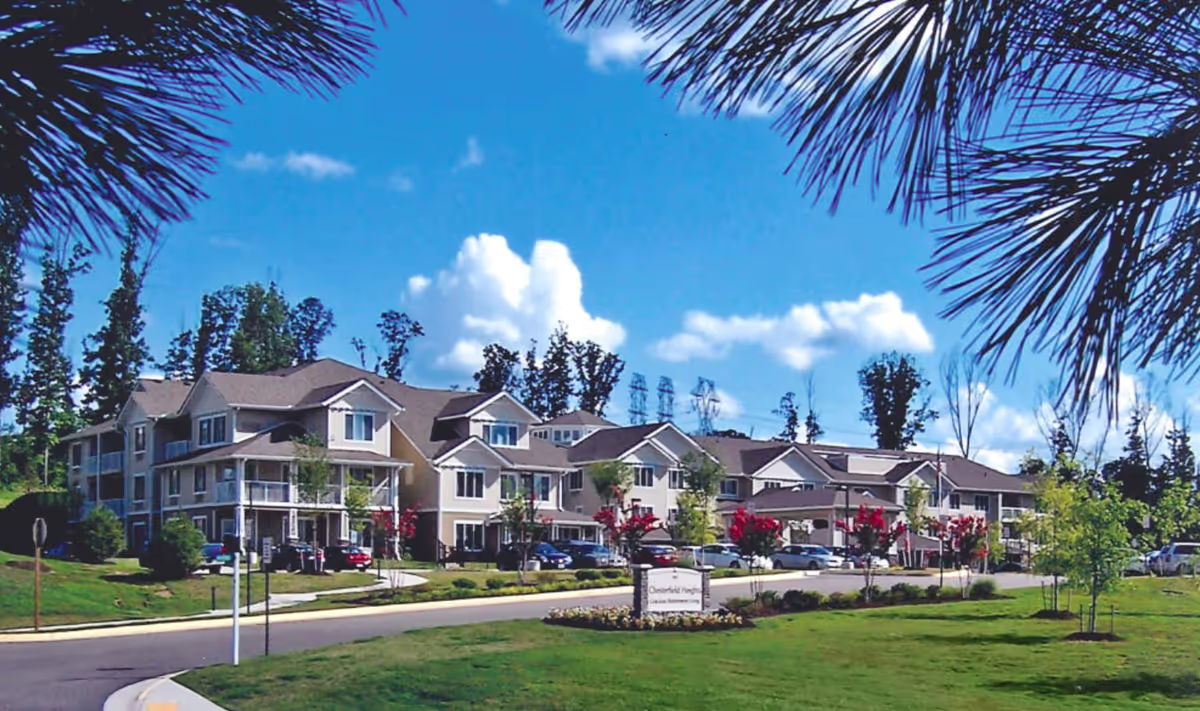
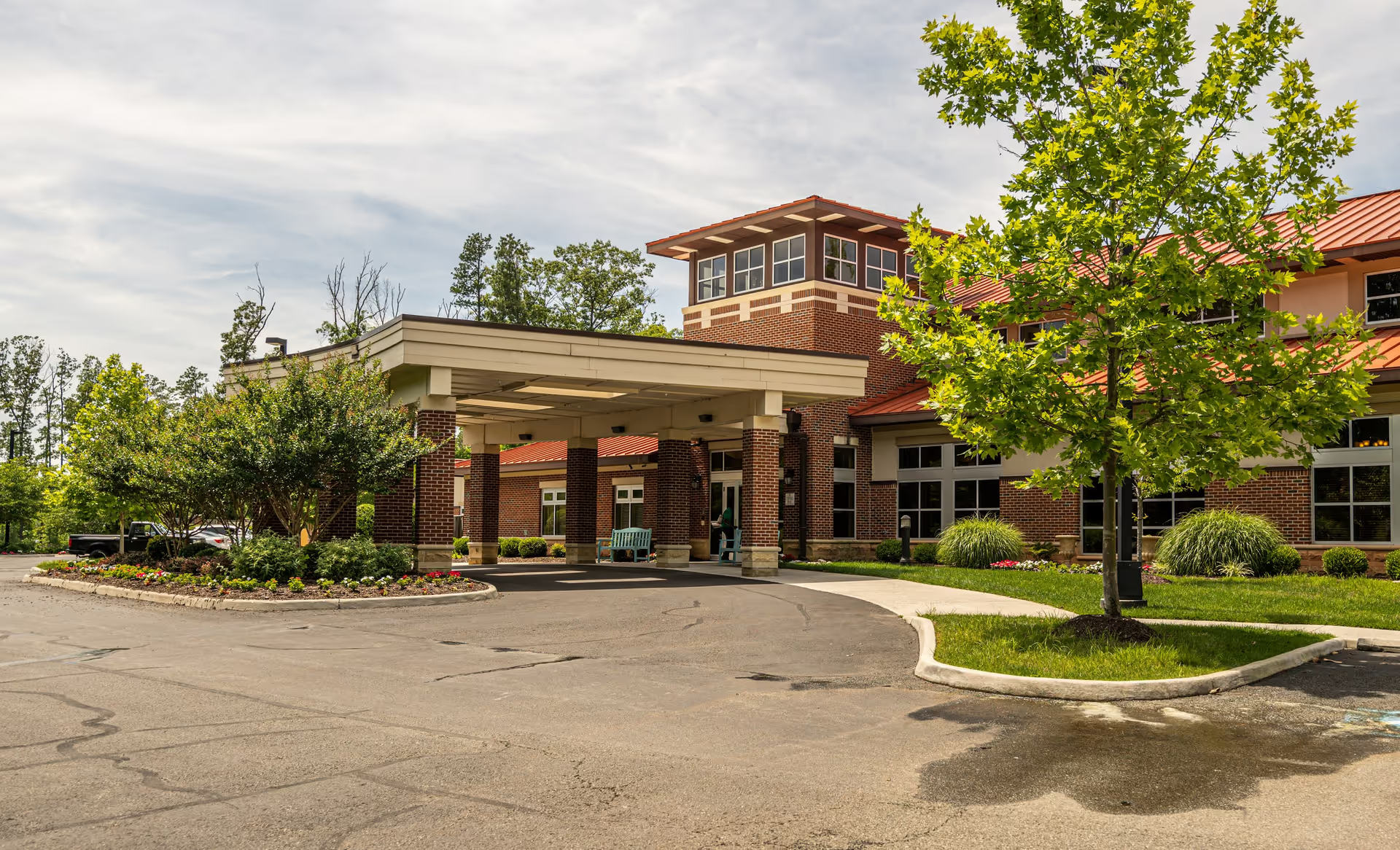
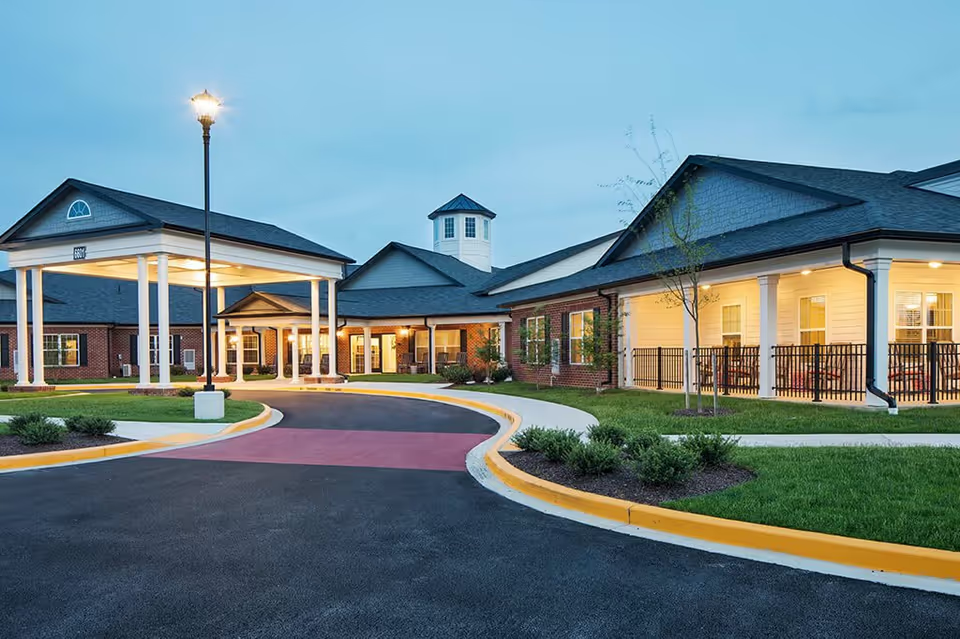
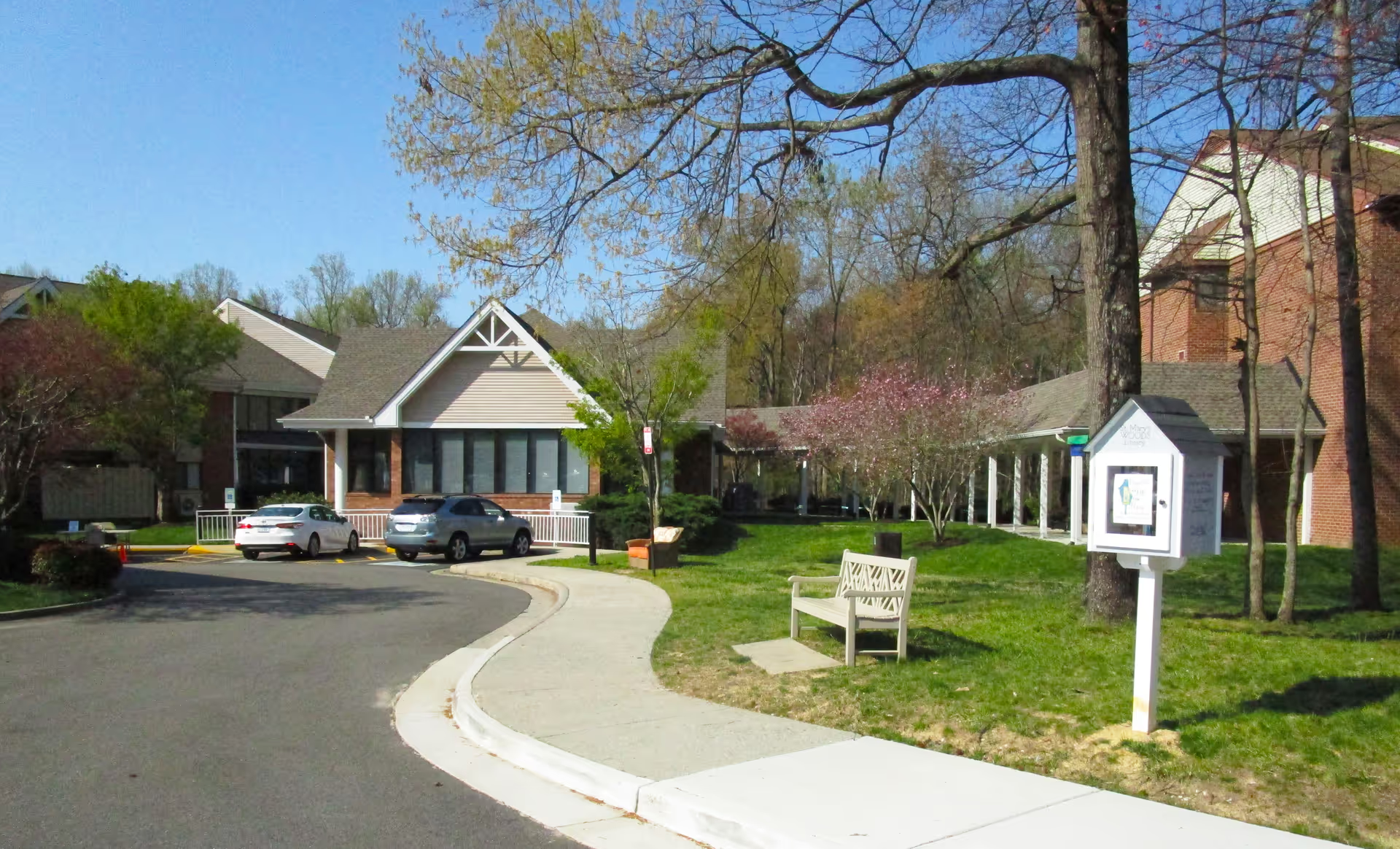
The Crossings at Bon Air elicits a highly mixed but patternable set of impressions. Strengths center on the built environment, hospitality-style amenities and social programming. Many families describe a clean, modern building with spacious apartment layouts, in-unit kitchens and washers/dryers, balconies on many units, and a large staffed lobby. The campus offers numerous communal options—restaurant-style dining, an on-site pub and happy hour, a library, fitness spaces, walking trails and an active calendar of events—that support social engagement and a hotel-like atmosphere. On-site clinical and wellness supports such as in-house physical therapy and a hairstylist were noted positively, as were respite-stay options and a continuum of care that includes independent living, assisted living and memory care.
Staff interactions are a frequent reason families choose the community: many accounts praise compassionate, attentive employees, proactive front-desk personnel and helpful sales and therapy teams. These personal strengths contribute to a welcoming environment and frequent positive anecdotes about individual caregivers going above and beyond. However, staffing is also a recurrent concern. Reviewers describe high turnover, periodic understaffing (notably on weekends), and variability in staff responsiveness and follow-through. These operational patterns are linked in several accounts to gaps in clinical-incident response and family communication, and to inconsistent medication and documentation practices.
Dining and activities are prominent features with divided assessments. The facility’s dining room, diverse menus, social meals and a lively pub/happy-hour culture are often cited as positives that support resident social life. At the same time, there are repeated comments about inconsistent food quality, cold or unpalatable meals, and uneven dining service—an operational inconsistency that families should clarify during a visit. Activities programming is generally viewed as robust, offering bridge, live entertainment, outings, classes and regular social events; yet some families, especially those with relatives in memory care, report limited structured cognitive programming and periods with fewer meaningful interactions.
Facility maintenance and management form another mixed area. The campus is described as modern and well-appointed in many accounts, but others note maintenance delays, intermittent infrastructure problems (hot-water and leak issues cited), stained carpeting or hallway wear, and occasional sanitation concerns in specific areas. Technology and communications are also uneven: there are mentions of internet/TV/phone outages and mandatory third-party service fees, as well as slow business-office responsiveness. A number of families expressed concern about frequent leadership and ownership changes, which they felt contributed to inconsistent policies and service follow-through.
Taken together, the pattern is one of strong hospitality and social offerings anchored by many committed staff members, combined with operational variability that affects clinical responsiveness, dining consistency and maintenance. Prospective residents and families would benefit from targeted questions during a tour: current staffing levels (including weekend coverage), recent management tenure and turnover, infection-control and visitation policies, meal-sampling and dining-service routines, memory-care activity schedules, maintenance-response timelines, fee structure (including mandatory service fees), and how clinical incidents and family communications are handled. Those priorities will help determine whether the community’s many amenities and engaged staff align with an individual resident’s clinical and day-to-day needs.