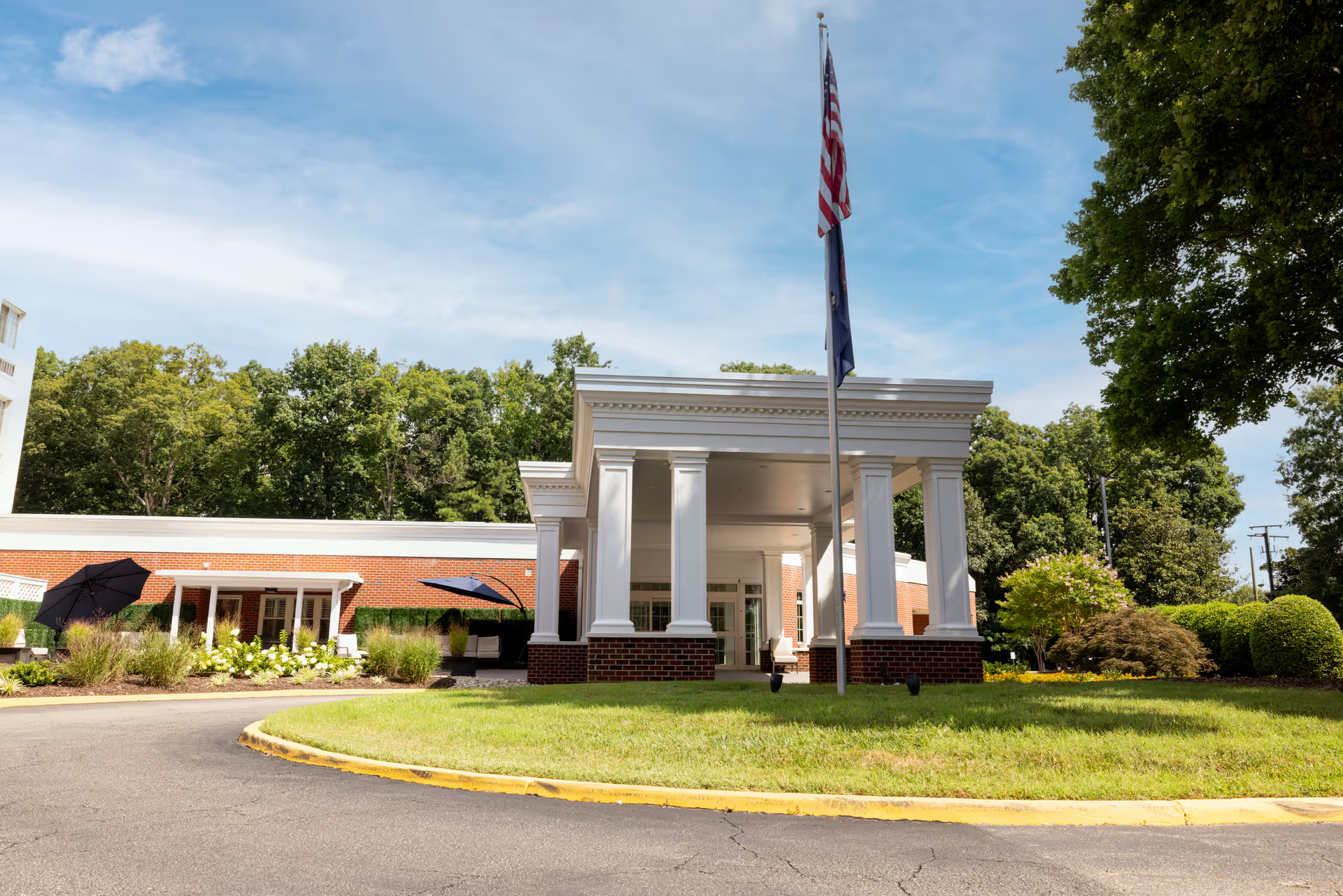
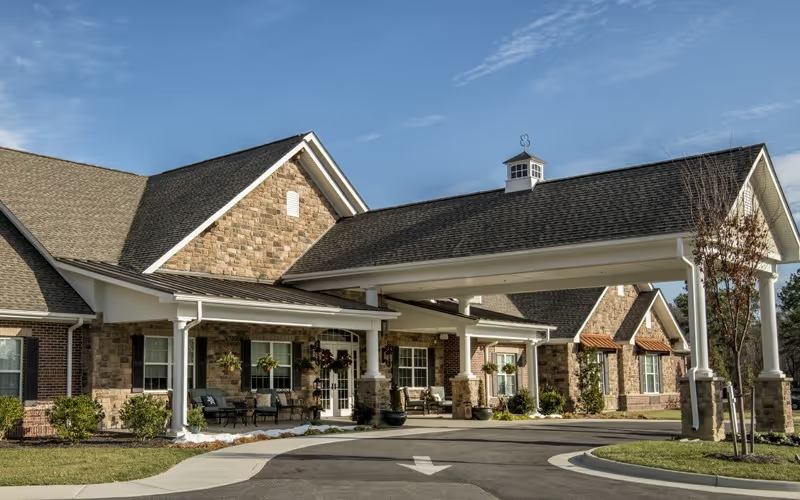
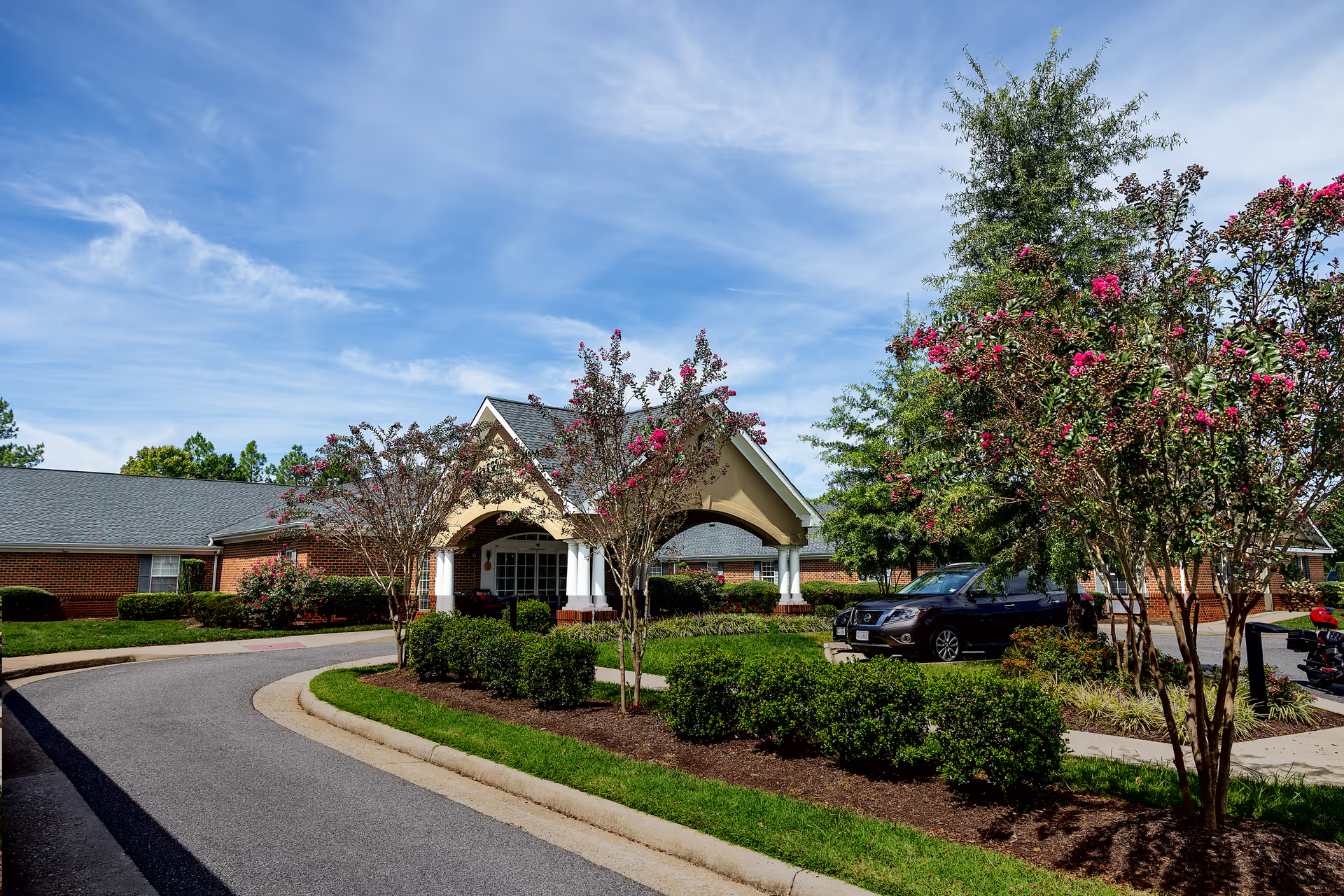
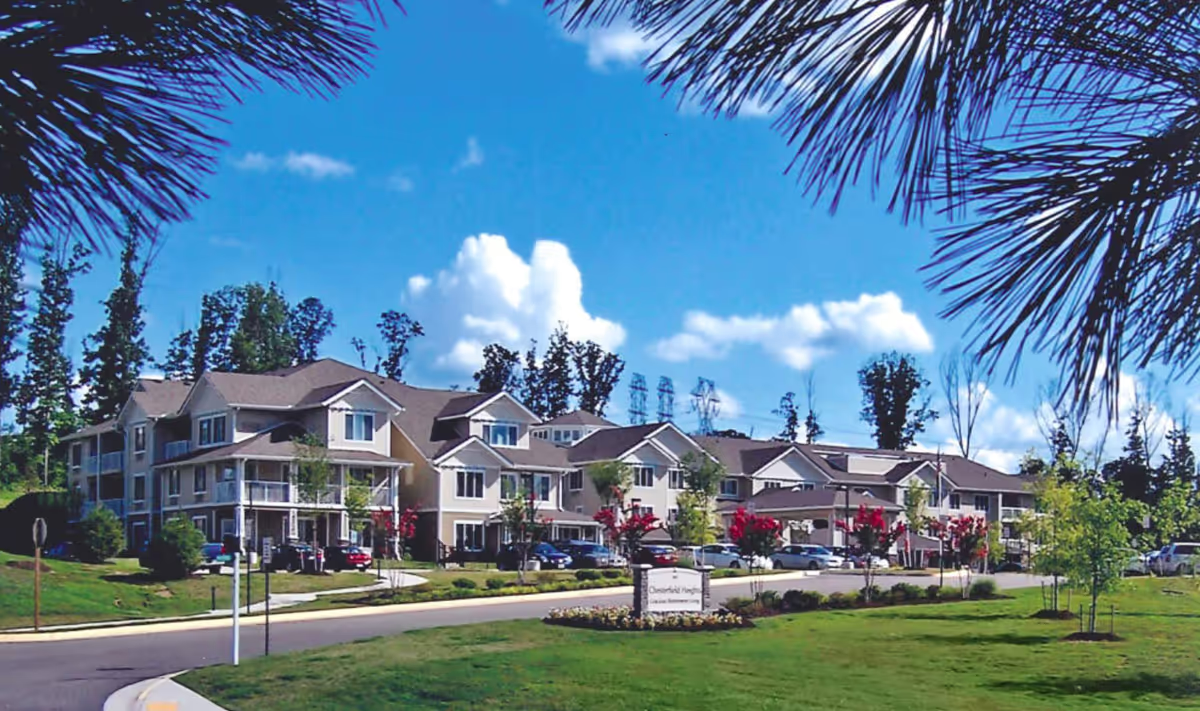
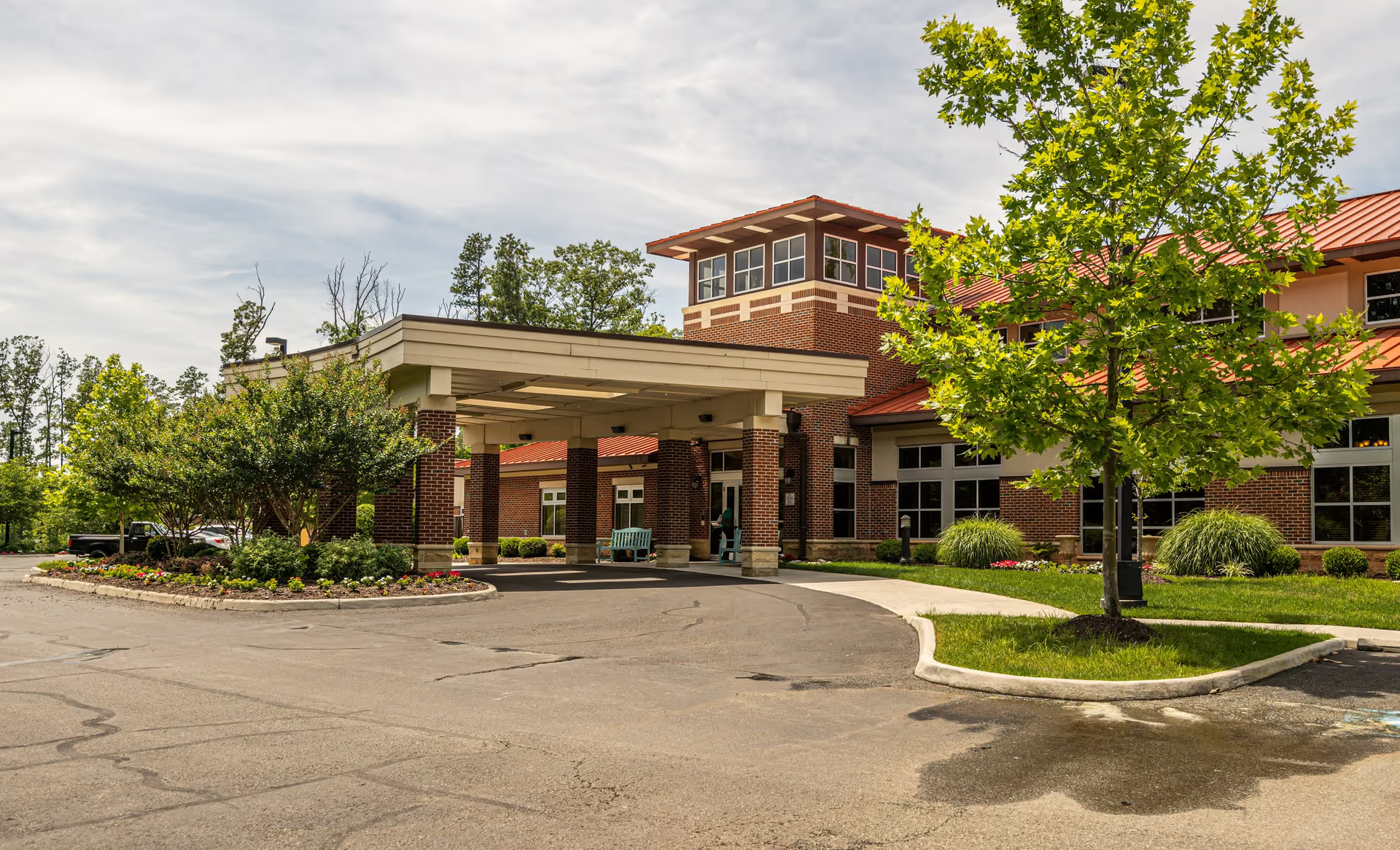
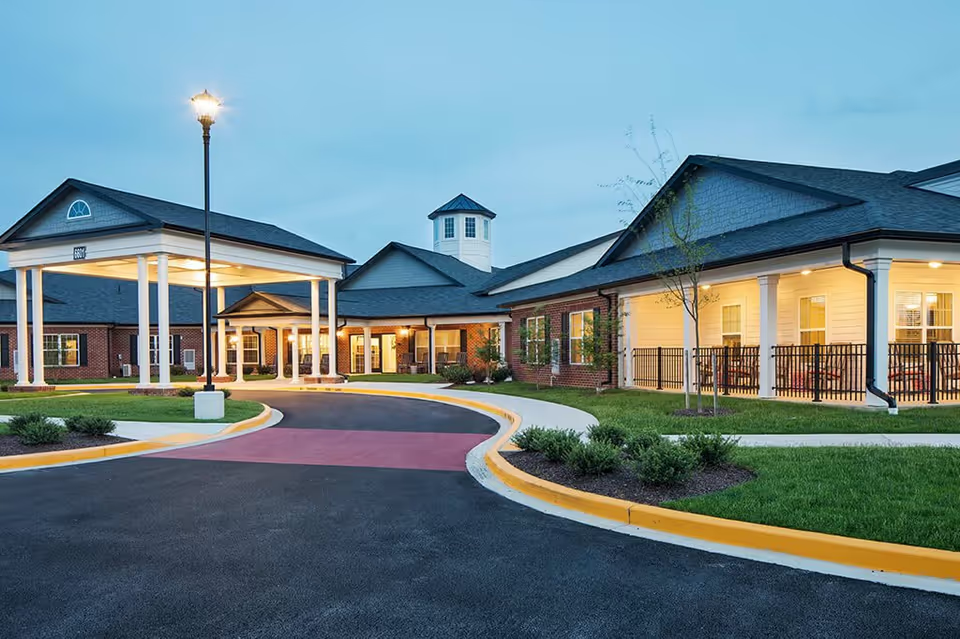
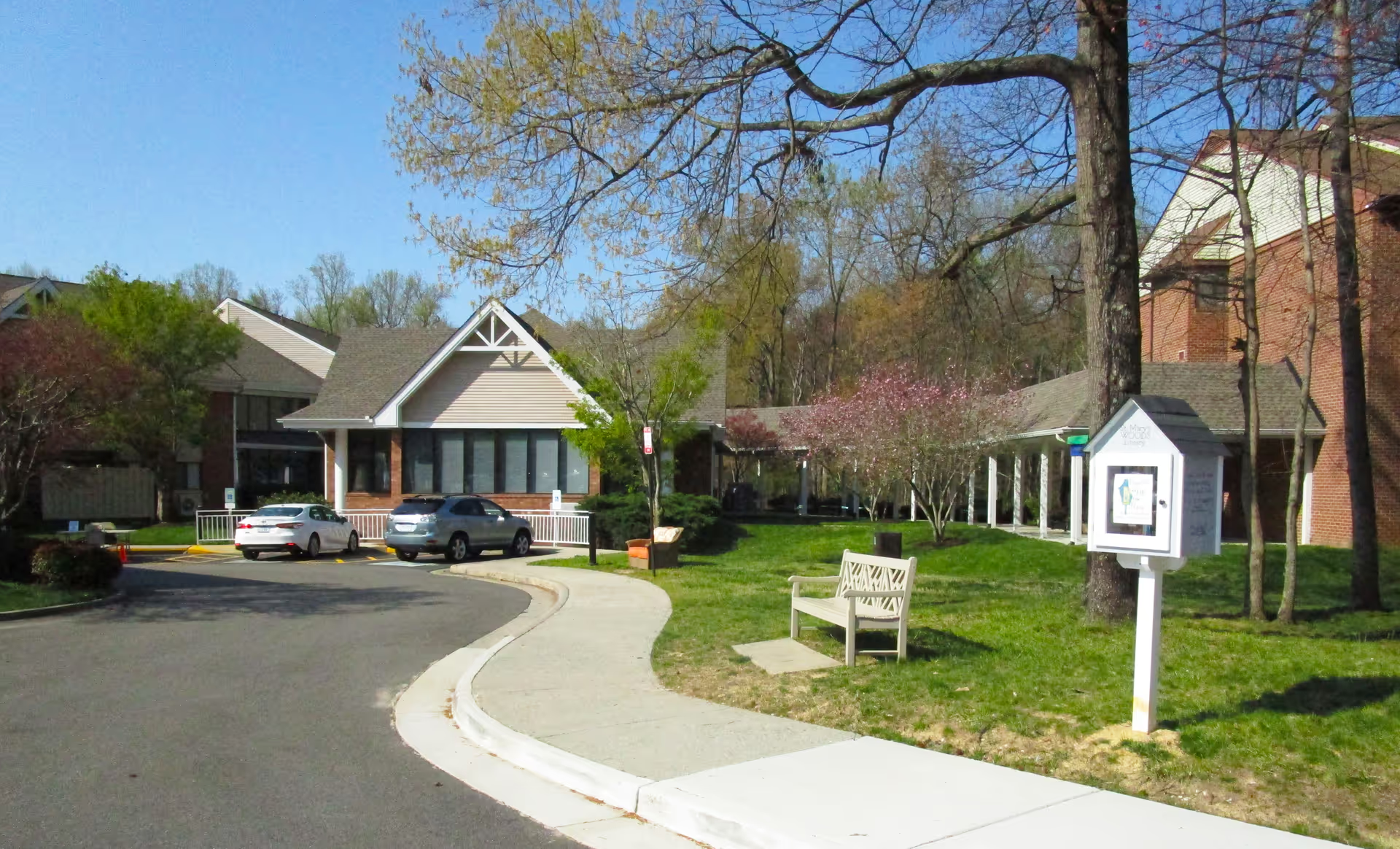
The Virginian draws strongly mixed feedback. Positive accounts emphasize a welcoming, compassionate staff, well-maintained common areas and grounds, and a convenient location close to hospitals, pharmacies, and shopping. Many families praised specific team members, the sales and move-in assistance process, and recent renovation work; communal amenities such as a library, movie room, game room, transportation services, and a range of apartment floorplans (including ground-floor patios) also contribute to resident satisfaction. Several reviewers described a family-like atmosphere, engaged activities, and dining rooms that feel spacious and social.
At the same time, an important cluster of operational concerns appears repeatedly. Staffing instability and frequent management turnover are cited as underlying drivers of inconsistent day-to-day performance: housekeeping schedules and sanitation practices are uneven, front-desk coverage is sometimes lacking, and maintenance reliability has been questioned (examples include elevator outages and other equipment concerns). There are specific sanitation and pest-control concerns in kitchen and common-area zones and localized moisture/mold concerns that families identified as needing attention.
Dining and food-service are notable areas of variability. Some residents and families praised particular chefs and dishes, but many others described repetitive menus, cold or poorly executed entrees, wrong orders, missing condiments, and a dining operation constrained by limited kitchen staffing. These issues have intersected with service-process weaknesses (delays, complicated meal-request procedures, and inventory shortages) that can affect resident nutrition and satisfaction.
Clinical and care alignment is another consistent theme. The community is positioned as independent living, but several accounts indicate a higher-than-expected prevalence of residents with cognitive impairment and medical needs. Reviewers described limited dementia-specific programming and occasions where clinical oversight felt insufficient for higher-acuity residents. Families considering The Virginian should assess current clinical staffing levels and memory-care supports relative to their loved one’s needs.
Management and administrative practices also received mixed marks. While some families experienced transparent, helpful staff and improvements under new leadership, others reported billing and contract concerns (unexpected charges and notice-period issues), inventory-control gaps, and communication mismatches between sales promises and operational realities. Security procedures and infection-control practices were questioned in isolated but significant accounts; prospective families should ask about front-desk coverage, emergency response, and recent safety or regulatory actions.
In sum, The Virginian offers many attributes that appeal to independent residents—friendly staff, an active social program, attractive grounds, and varied apartment options—but persistent operational issues (staffing turnover, dining consistency, housekeeping and sanitation, maintenance reliability, and alignment of care level with resident needs) create variability in the resident experience. Prospective residents and their families should conduct an on-site assessment focused on current staffing levels, kitchen operations, sanitation and maintenance logs, dementia-support resources, and contract/billing terms to determine whether the community’s present state matches their expectations and care requirements.