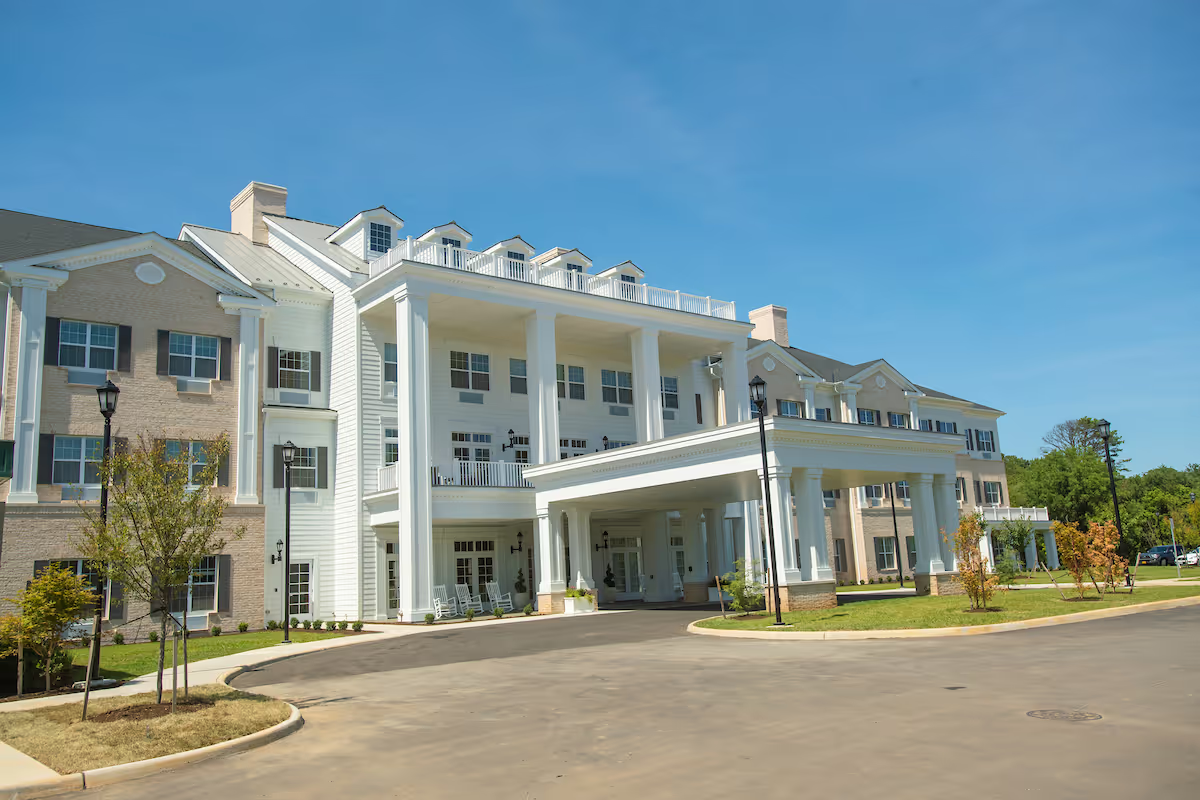
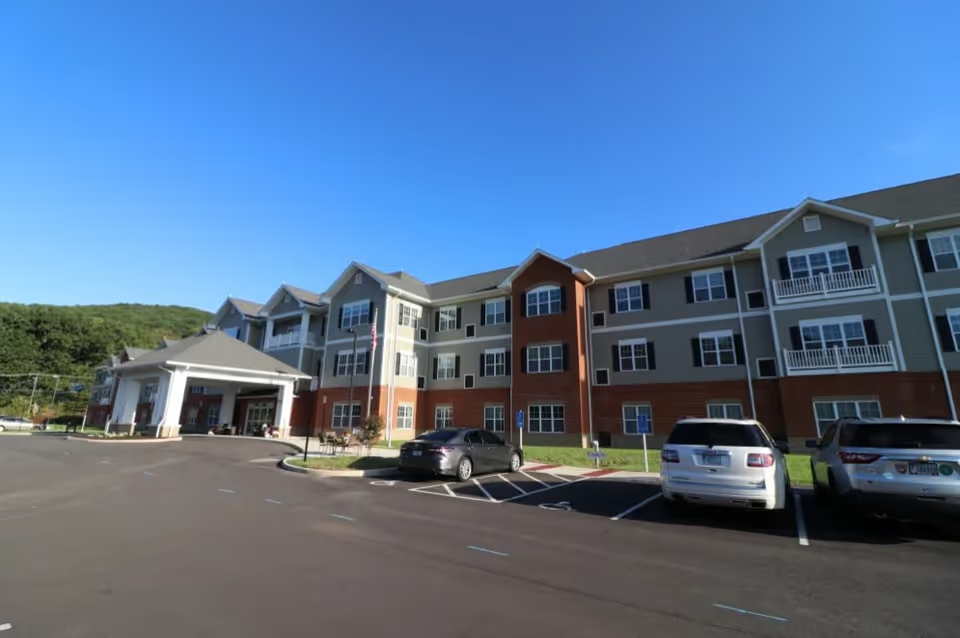
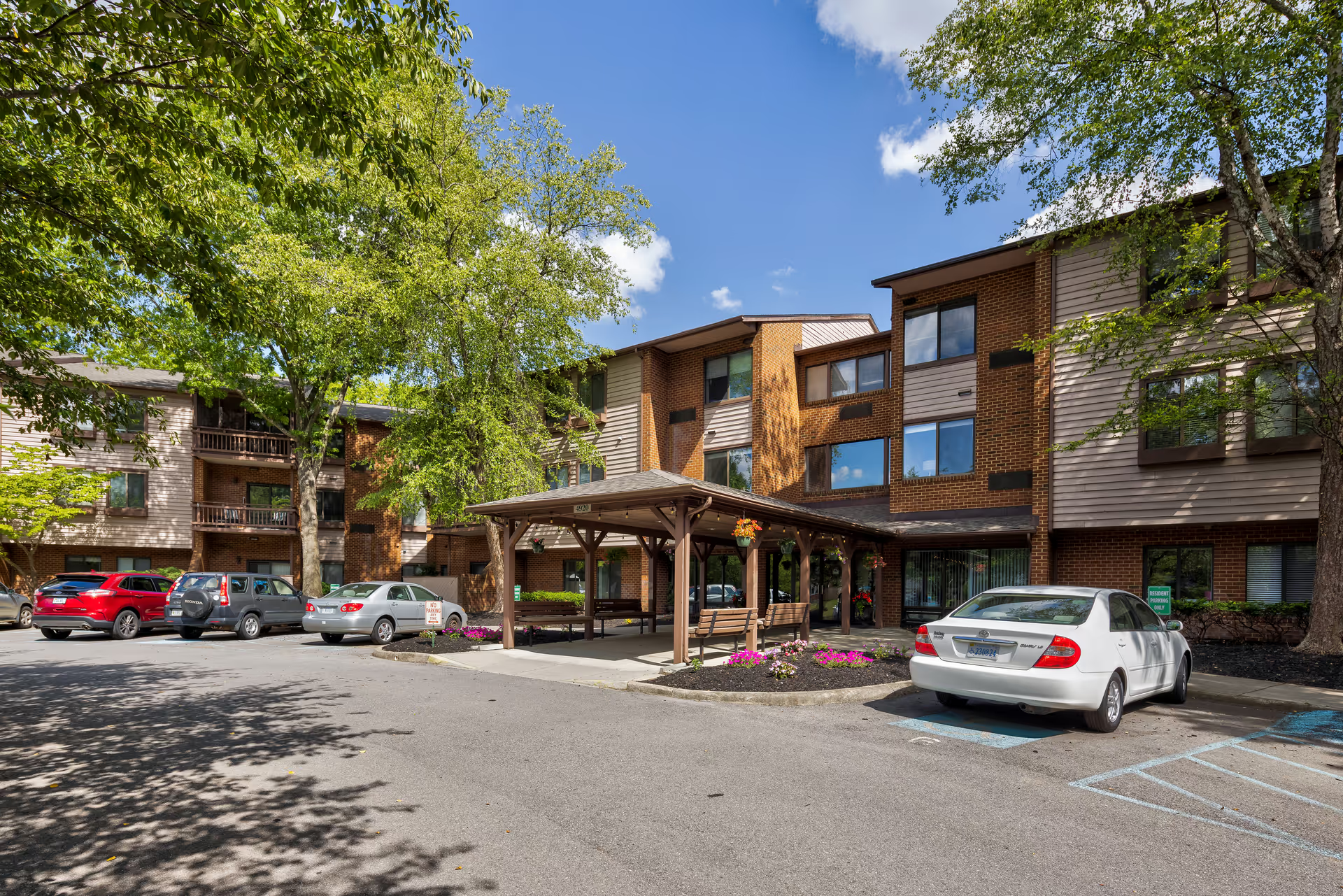
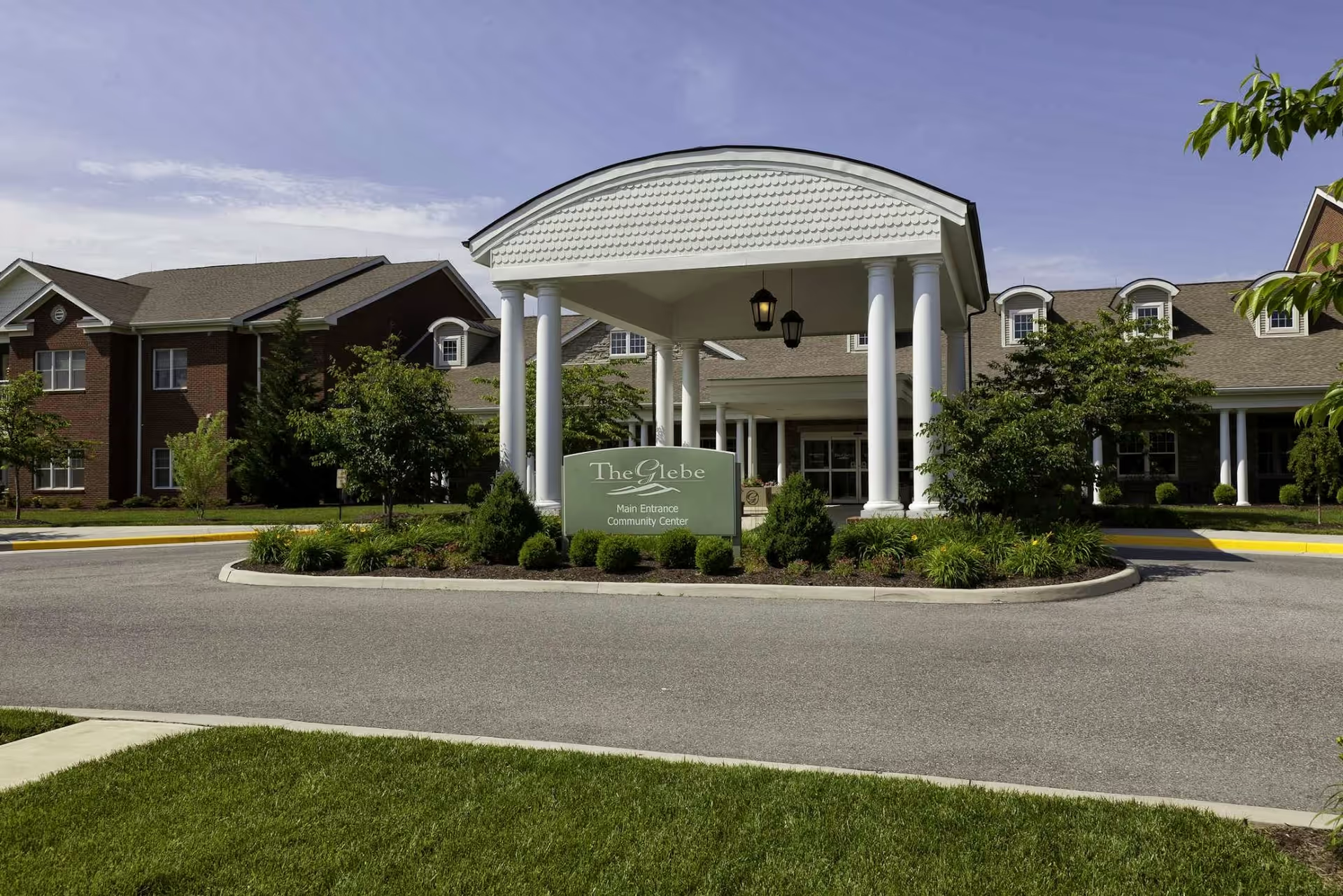
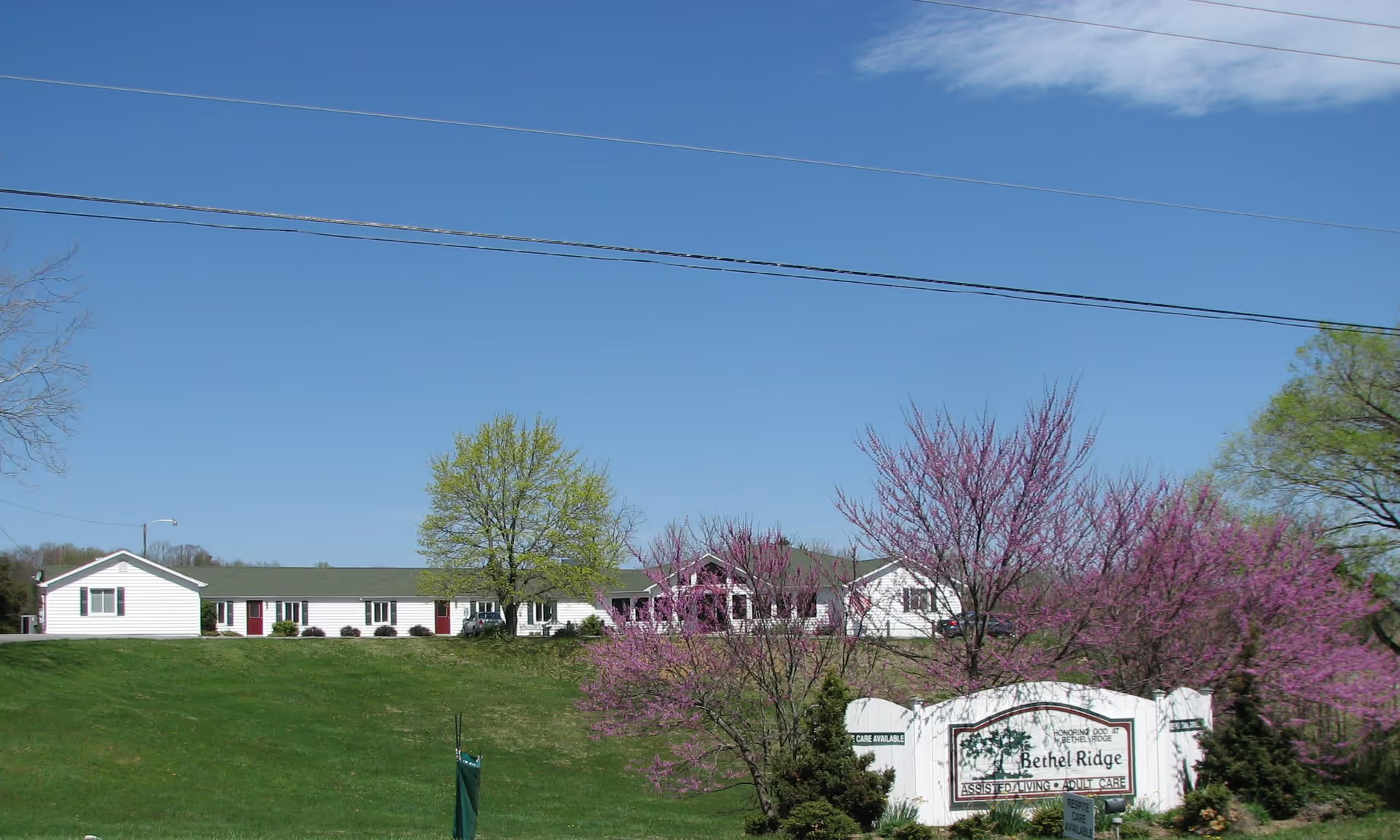
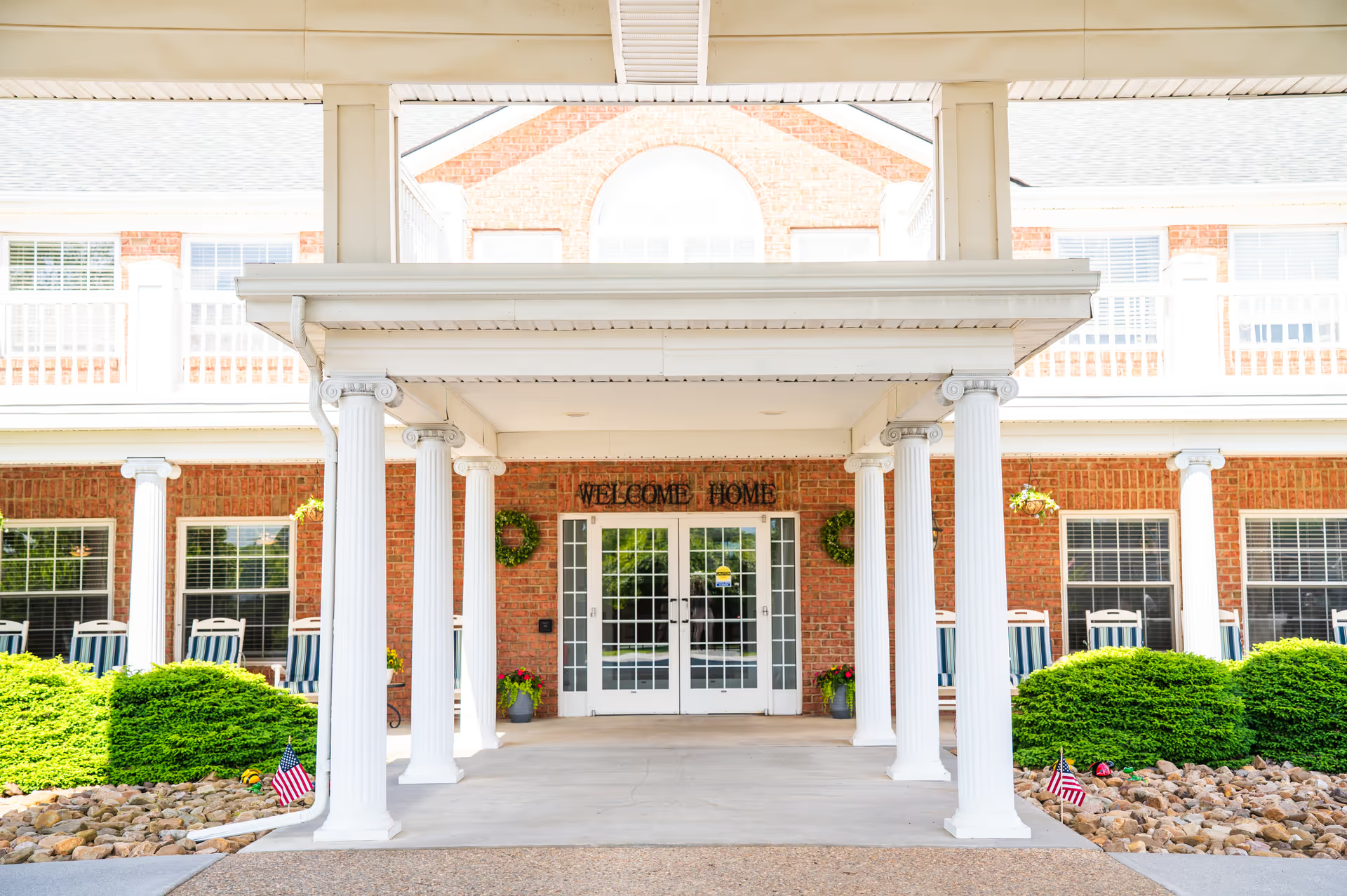
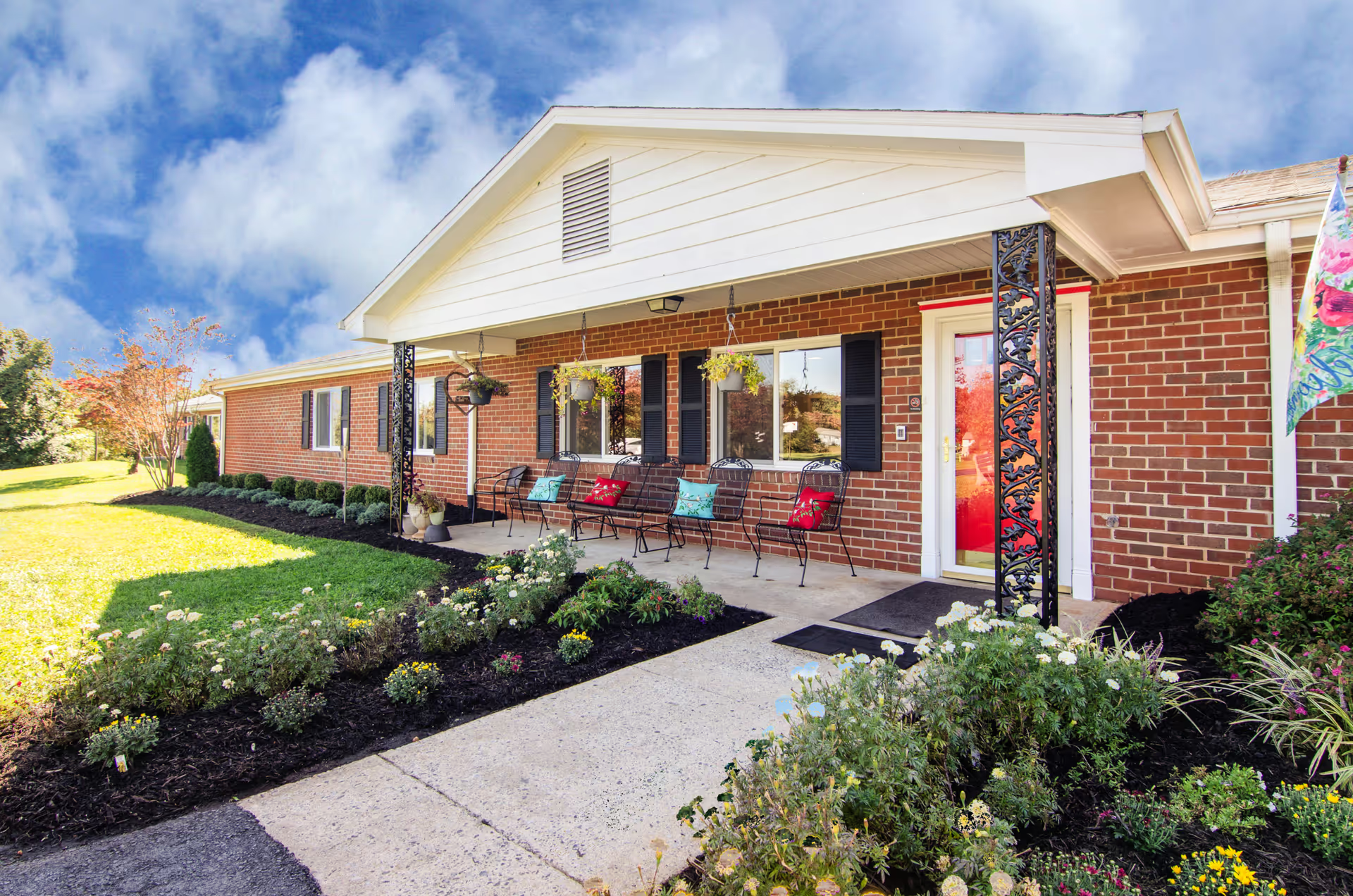
Brookdale Roanoke is consistently characterized as a memory-care–focused community with a domestic, household-style layout that many families find comforting. The facility’s design — small cottages/pods, secure walking paths, and courtyard spaces — supports resident mobility and easy navigation. Reviewers frequently note visible staff presence, an active activities schedule oriented to cognitive engagement, and individualized dining accommodations; these elements contribute to a generally home-like environment for people with dementia.
Staff quality and culture are recurring strengths in reviewer accounts. Many families describe compassionate, dementia-trained caregivers, long-tenured employees, and staff who make efforts to support families during transitions and end-of-life situations. Move-in coordination, ongoing family communication, and regular caregiver meetings are often cited as positive elements. At the same time, reviewers describe variability in clinical follow-through: while some families detail attentive nursing and timely medication administration, others identify lapses in follow-up, inconsistent documentation, and occasional delays in attending to resident needs.
Dining and activities receive largely favorable comments for appeal and personalization. Meals are often described as appetizing with the ability to customize for resident preferences; the activities program emphasizes cognitive games, social engagement, and outdoor time. Amenities such as an on-site salon, garden areas, and secure walking routes are appreciated, though some families observe that in-building amenities are limited compared with larger campuses.
Facility-level operational concerns emerge repeatedly. Room sizes are described as small, and a number of reviewers express that on-site therapy and skilled-nursing services are limited. Several comments raise concerns about staffing levels at peak times and about gaps in housekeeping, laundry, and sanitation maintenance, which can affect perceived cleanliness and comfort. There are also patterns of billing and consent-communication problems, including unexpected charges and miscommunications about payment; these issues have created financial and trust-related friction for some families.
Safety and accountability are mixed themes. Some families highlight strong monitoring to prevent elopement and attentive supervision, while others report fall-risk and monitoring gaps and describe experiences where incident response and managerial follow-through were inadequate. A small number of reviews include serious claims about resident safety and staff response; those claims are significant and should be explored further with the provider and local oversight sources during any assessment.
Overall, Brookdale Roanoke appears to offer substantive memory-care strengths — trained, compassionate staff; household-style living; an engaging activities program; and pleasant outdoor spaces. Prospective residents and families should weigh these strengths against the facility’s operational limitations: small rooms, constrained therapy options, variable housekeeping and clinical follow-through, and occasional billing or communication problems. When considering this community, visitors should request current staffing ratios, examples of incident-response protocols, written details about included services and fees, and an opportunity to speak with current families to verify consistency of care and administrative practices.