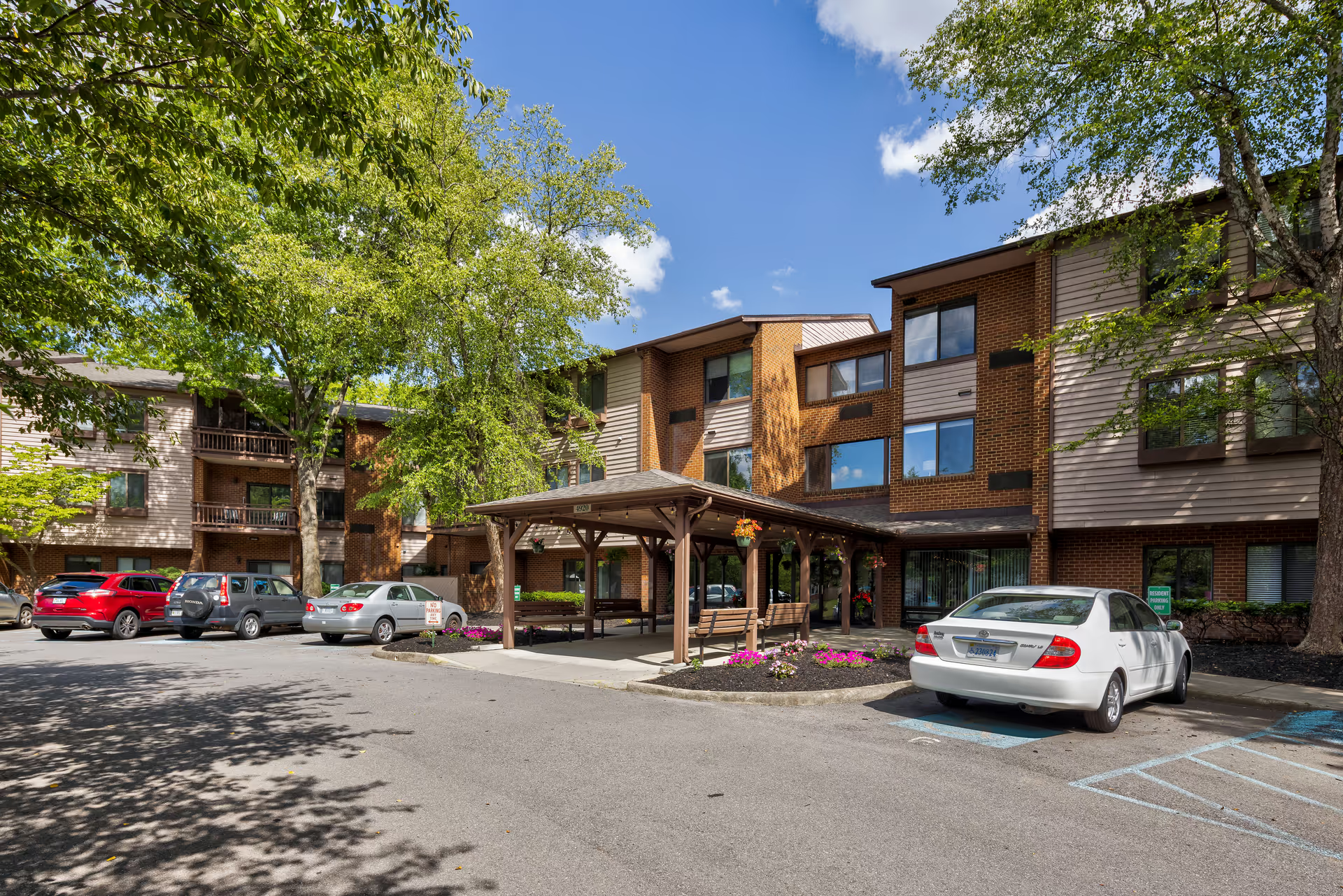
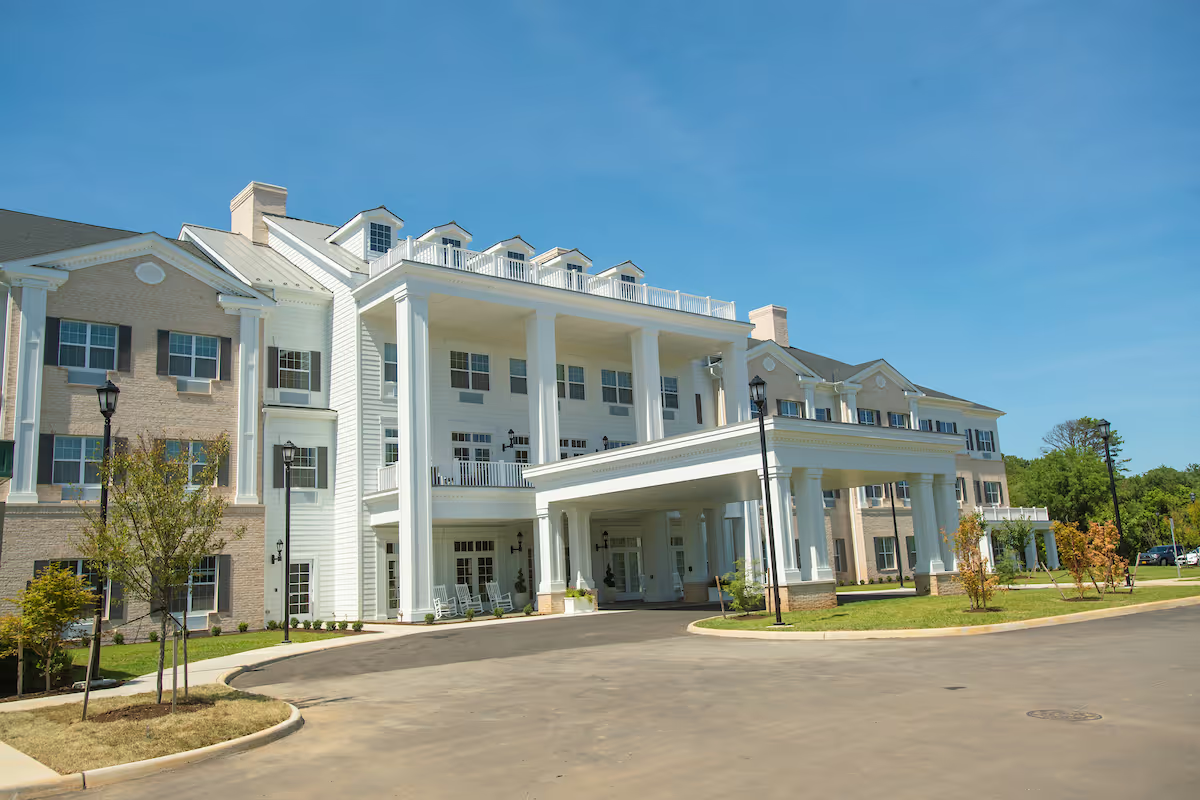
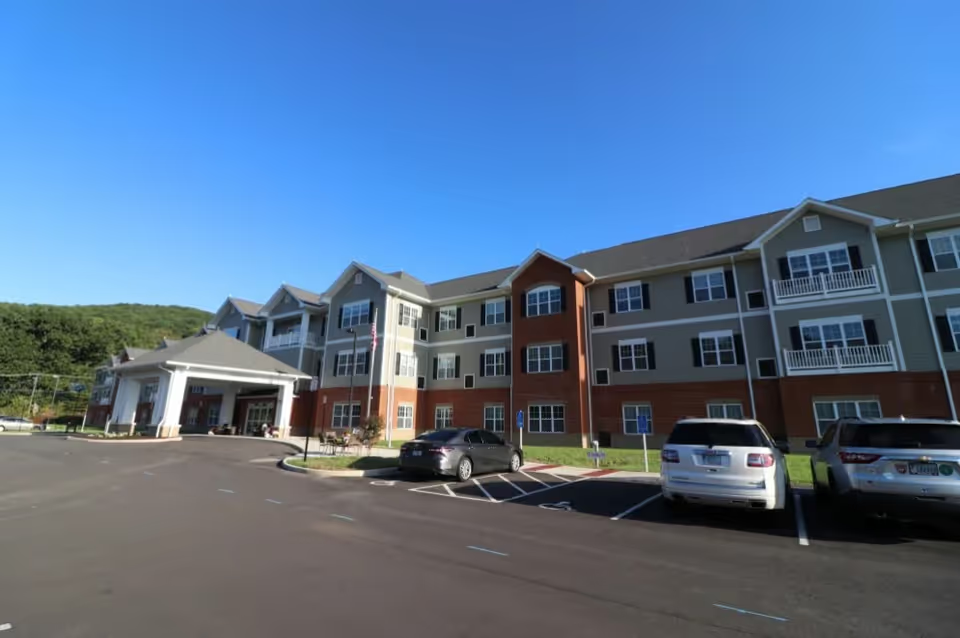
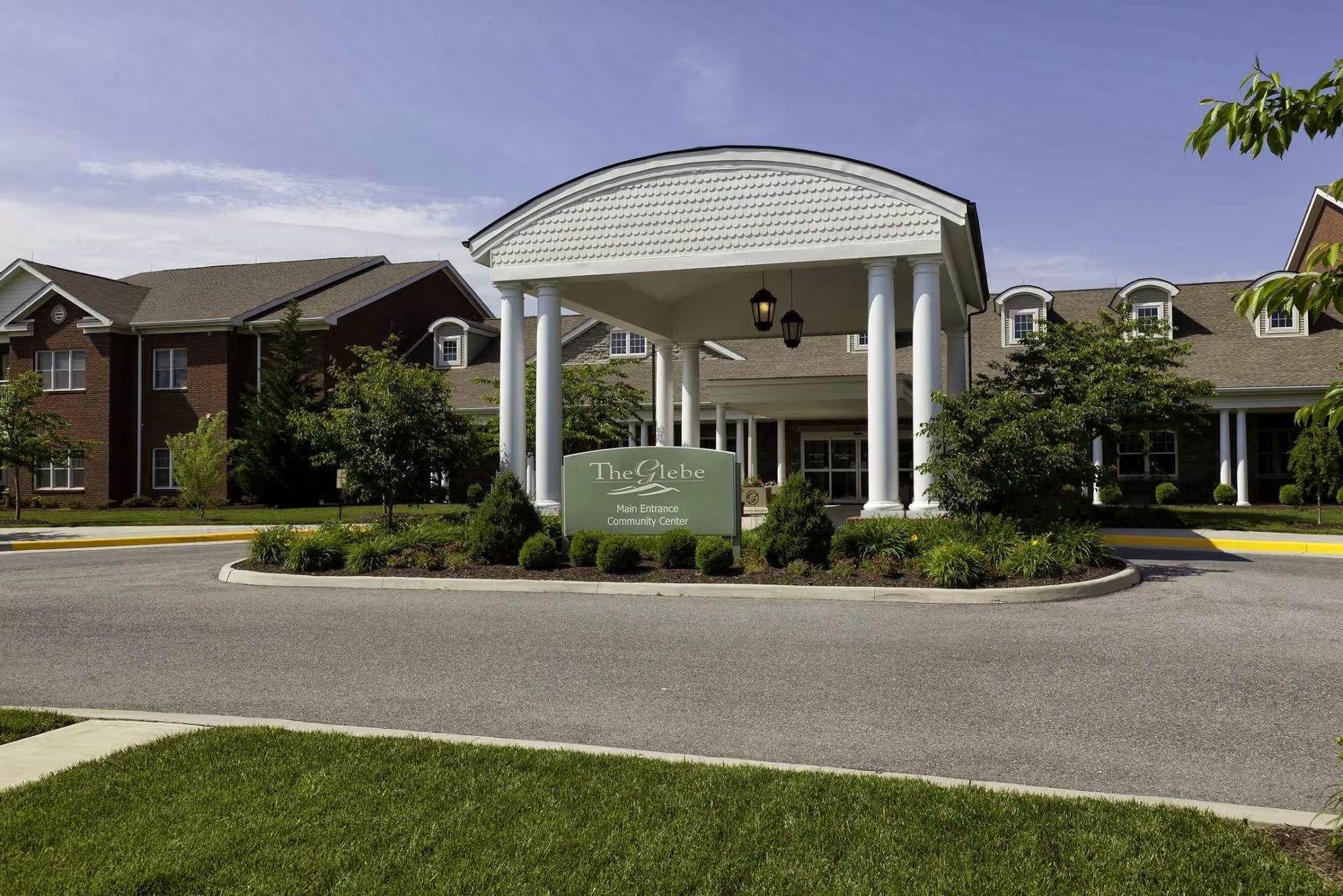
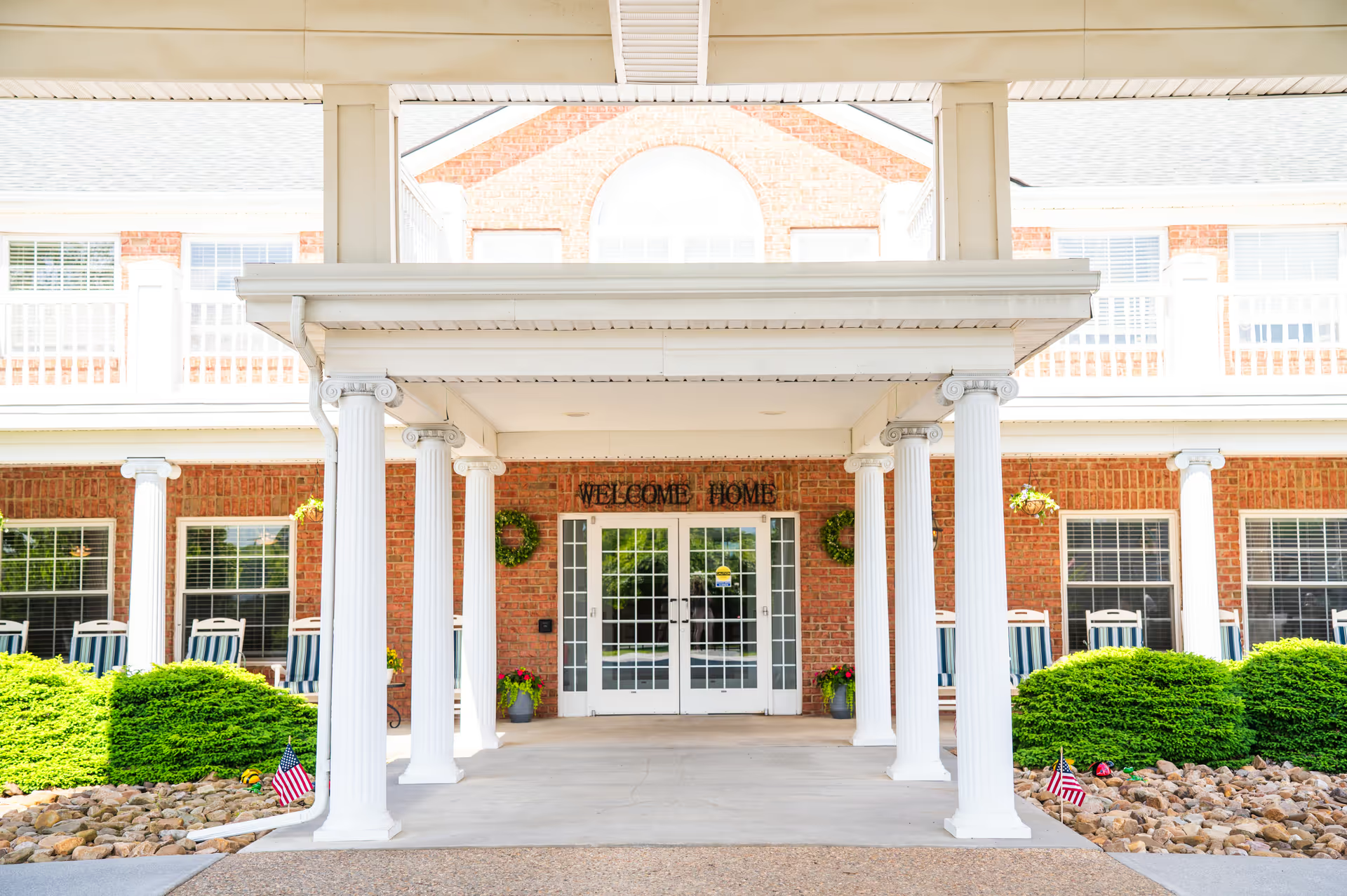
Friendship Salem Terrace is consistently described as a well‑maintained, attractive campus with a homelike memory‑care unit, ample common spaces, and visible outdoor amenities. Reviewers praise the facility’s appearance — bright, clean interiors, well‑kept grounds, and pleasant views — and point to a range of onsite amenities (library, salon, theater, internet room) that support social engagement. Physical therapy and rehabilitation services are highlighted as effective, and many families note prompt housekeeping and overall sanitation of common areas.
Staff and care interactions are generally presented as a core strength. Multiple accounts emphasize friendly, respectful, and attentive nursing and caregiving staff who engage residents by name and provide personalized attention in the dementia unit, including one‑on‑one care at times. The admissions and outreach representatives receive positive remarks for professionalism and communication. Programming is robust: music, arts, Bible study, bingo, and other activities are regularly offered, and dining is described as varied and nutritious with dessert options; however, some families found meal timing (for example, an early breakfast cutoff) to be inconvenient.
At the same time, several operational patterns emerge as areas for inquiry. Cost is frequently described as high, so financial expectations should be clarified up front. Clinical coverage outside daytime hours appears to be limited in practice; a number of families noted transfers to the emergency department for issues that were not perceived as acute, and one comment specifically mentioned a night nurse not being on call. Relatedly, a few families raised concerns about medication oversight and clinical monitoring following notable declines in individual residents; these are significant items to discuss with management and the clinical team.
Facility design and staffing also present mixed feedback. While common areas and some memory‑care spaces feel bright and open, other parts of the dementia unit were characterized as having an institutional layout, small private rooms, and awkward door placements that may affect circulation and privacy. Reviewers described variability in staffing levels and turnover, and a few observed periods with more limited staff presence. These patterns suggest prospective residents and families should assess current staffing ratios, shift coverage, and how the facility adapts staffing to resident acuity.
Practical next steps for families considering Friendship Salem Terrace: schedule a walkthrough of the specific unit and a sample room to evaluate room size, layout, and noise; ask for details about overnight and weekend clinical coverage, medication‑management protocols, and recent staffing turnover; confirm meal schedules and any flexibility; and request a written outline of the activity program and rehabilitative services. Overall, the facility is presented as warm, clean, and activity‑rich with many praised strengths, but families should probe clinical coverage, staff consistency, room dimensions, and cost to ensure the fit matches their needs.