Overall impression: Davis & McDaniel Veterans Care Center is frequently described as a clean, well-maintained, veteran-centered facility with a compassionate workforce and strong therapy offerings. Many families and residents praise the nursing staff, aides, and therapists as attentive and skilled; rooms and common spaces are often characterized as spotless, and the facility’s proximity to the Salem VA Medical Center is noted as a practical advantage for veterans.
Care and staff: Reviews indicate a generally high level of compassion and clinical skill among individual staff members. Residents and families commonly highlight nurses, aides, and therapists who know residents by name, provide individualized attention, and run active rehabilitation programs. At the same time, reviewers describe variability in training, teamwork, and shift-to-shift consistency. That variability manifests operationally as uneven communication, occasional delays in rounding, and lapses in responsiveness. A pattern emerges of strong individual caregivers tempered by periodic system-level gaps in coordination and oversight.
Dining: Dining impressions are mixed. Several accounts praise hot, well-prepared meals and positive dining experiences, while other comments point to repetitive menus, inconsistent preparation, and meals that lack expected quality. The overall pattern is one of unreliable meal-service continuity and limited menu variety — an operational area that appears to affect resident satisfaction unevenly across time and units.
Activities and therapy: Activity programming is described positively, with organized events, social opportunities, and proactive rehabilitation services. Families mention festivals, outings, and therapy-intensive care that promote engagement and recovery. Physical and occupational therapy services are repeatedly cited as a strength, and social programming supports resident interaction and morale.
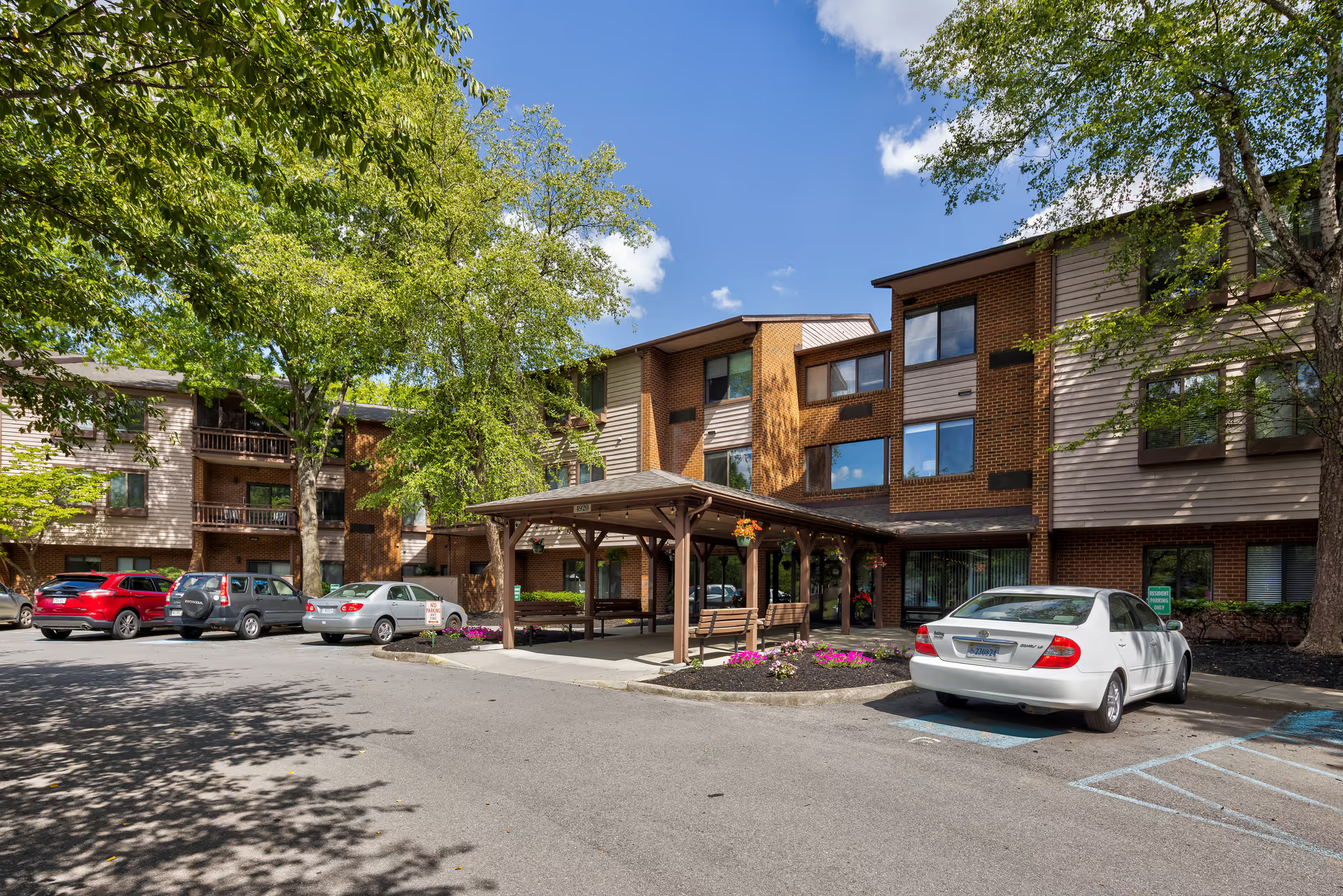
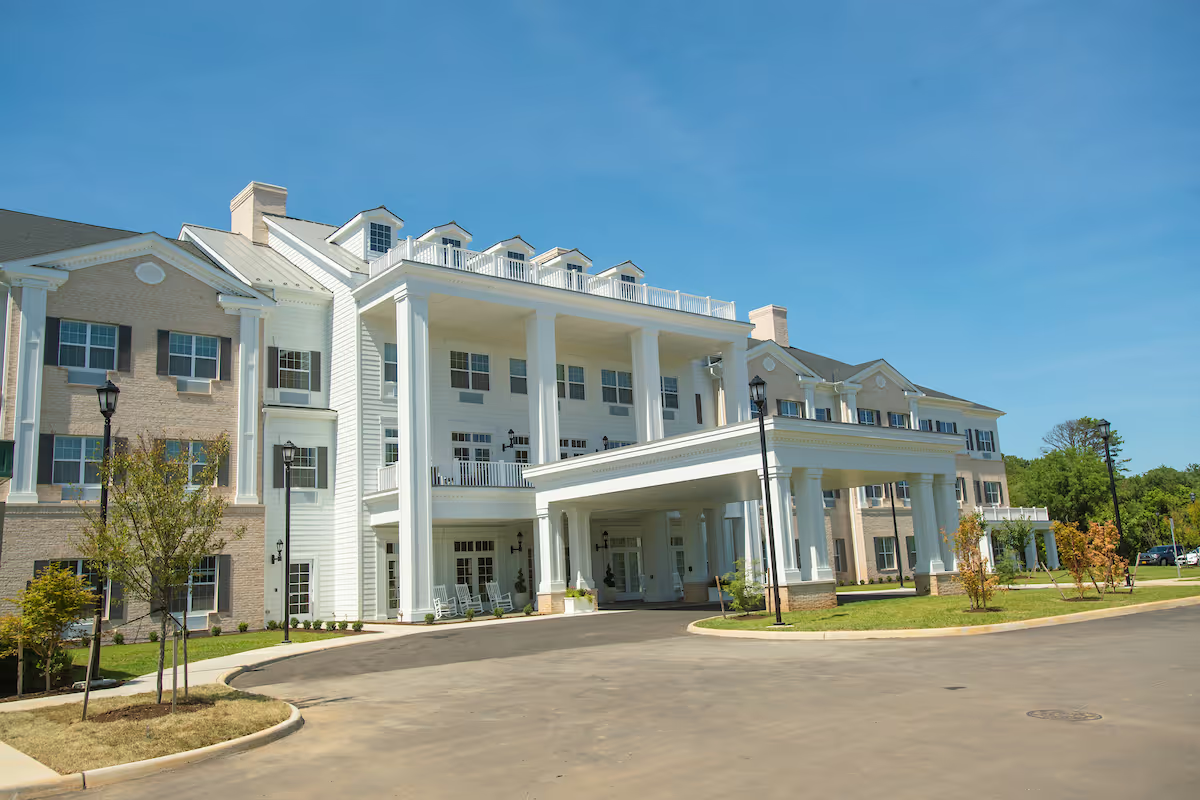
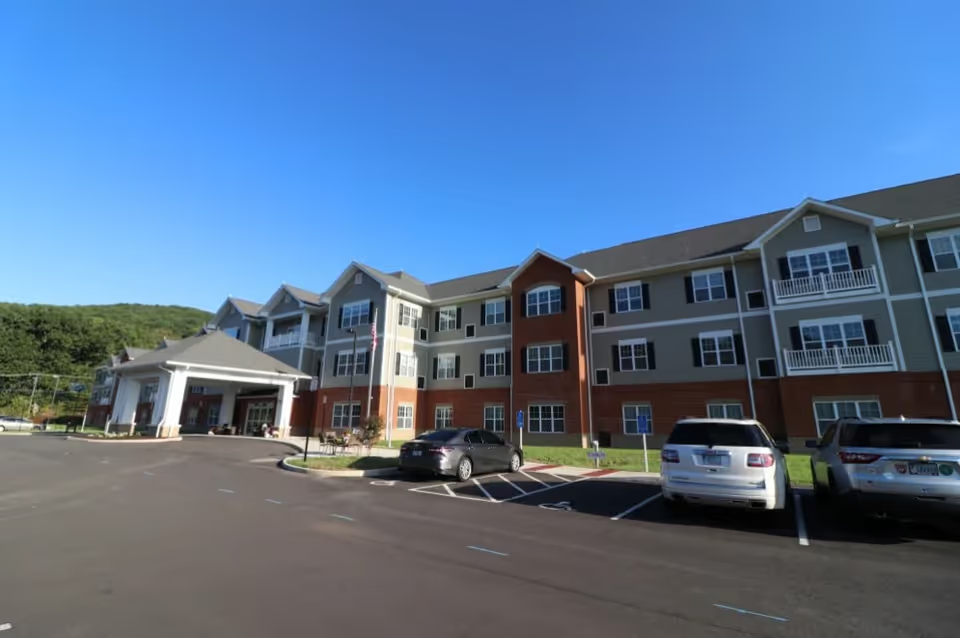
Facilities and cleanliness: The facility is frequently described as attractive and well maintained; many reviewers emphasize cleanliness and orderly rooms. However, several comments raise sanitation and odor variability across units and shifts, suggesting that housekeeping and personal-care practices are not uniformly consistent throughout the building.
Management and communication: Administrative responsiveness receives both praise and criticism. Some families commend proactive communication, accessible leadership, and named staff members who are helpful and responsive. Conversely, other families report gaps in clinical-incident response and in the timeliness or tone of family notifications, including situations that required family intervention. Taken together, these accounts point to generally capable leadership but inconsistent implementation of communication and clinical escalation protocols.
Notable patterns and bottom line: The dominant themes are compassionate, skilled frontline caregivers, strong therapy and activity programming, and a well-kept facility that supports veteran-centered care. Counterbalancing those strengths are operational inconsistencies — most notably in meal quality, staff training and teamwork, rounding and responsiveness, and unit-level sanitation practices. Prospective residents and families should expect solid clinical and rehabilitative services and a supportive culture, while also asking specific questions about dining plans, staff continuity, hygiene routines, incident-escalation protocols, and how the facility handles handoffs between shifts to ensure consistent care.