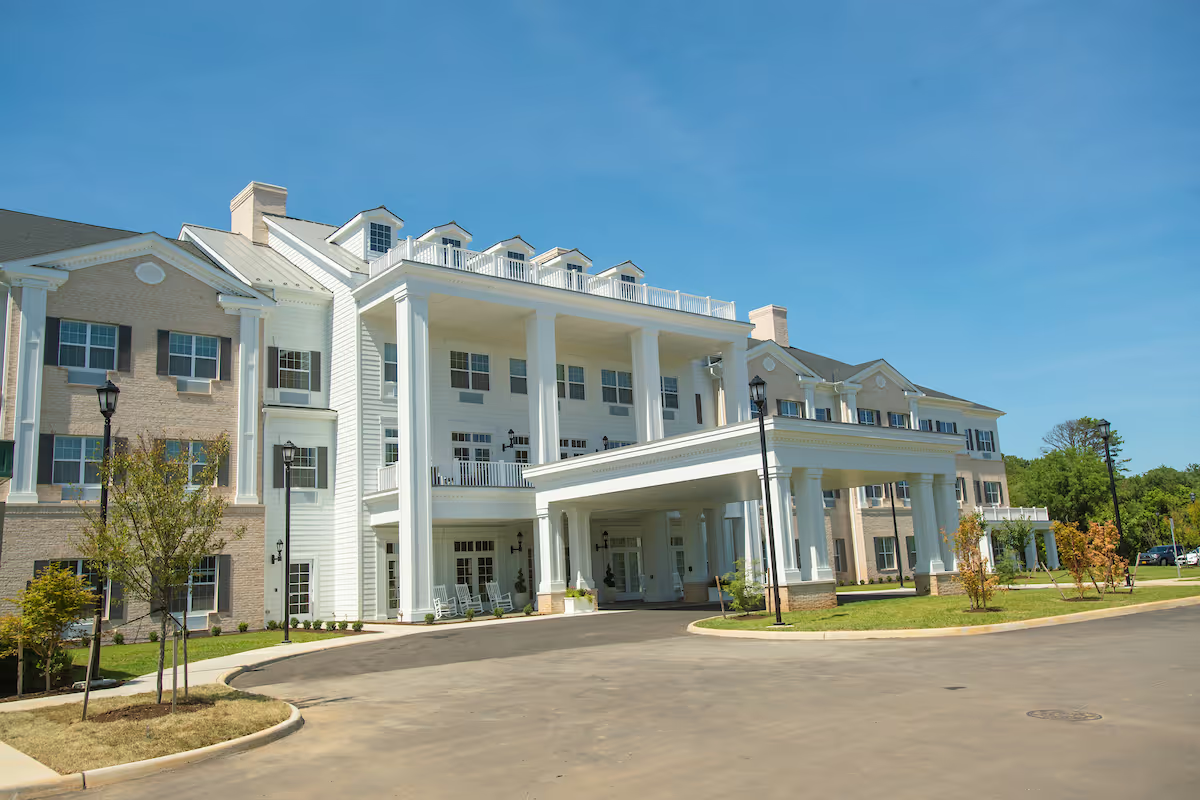
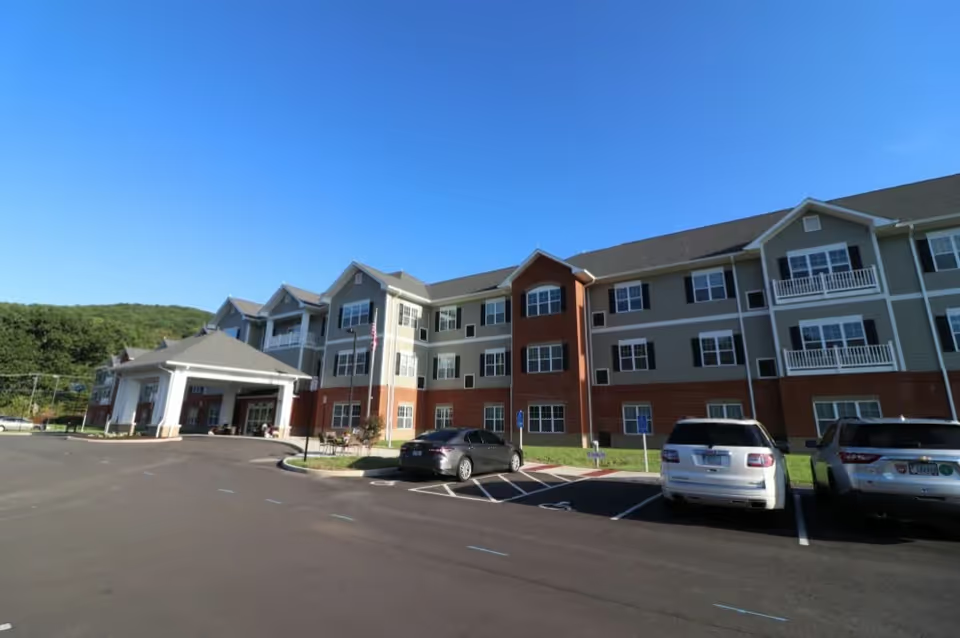
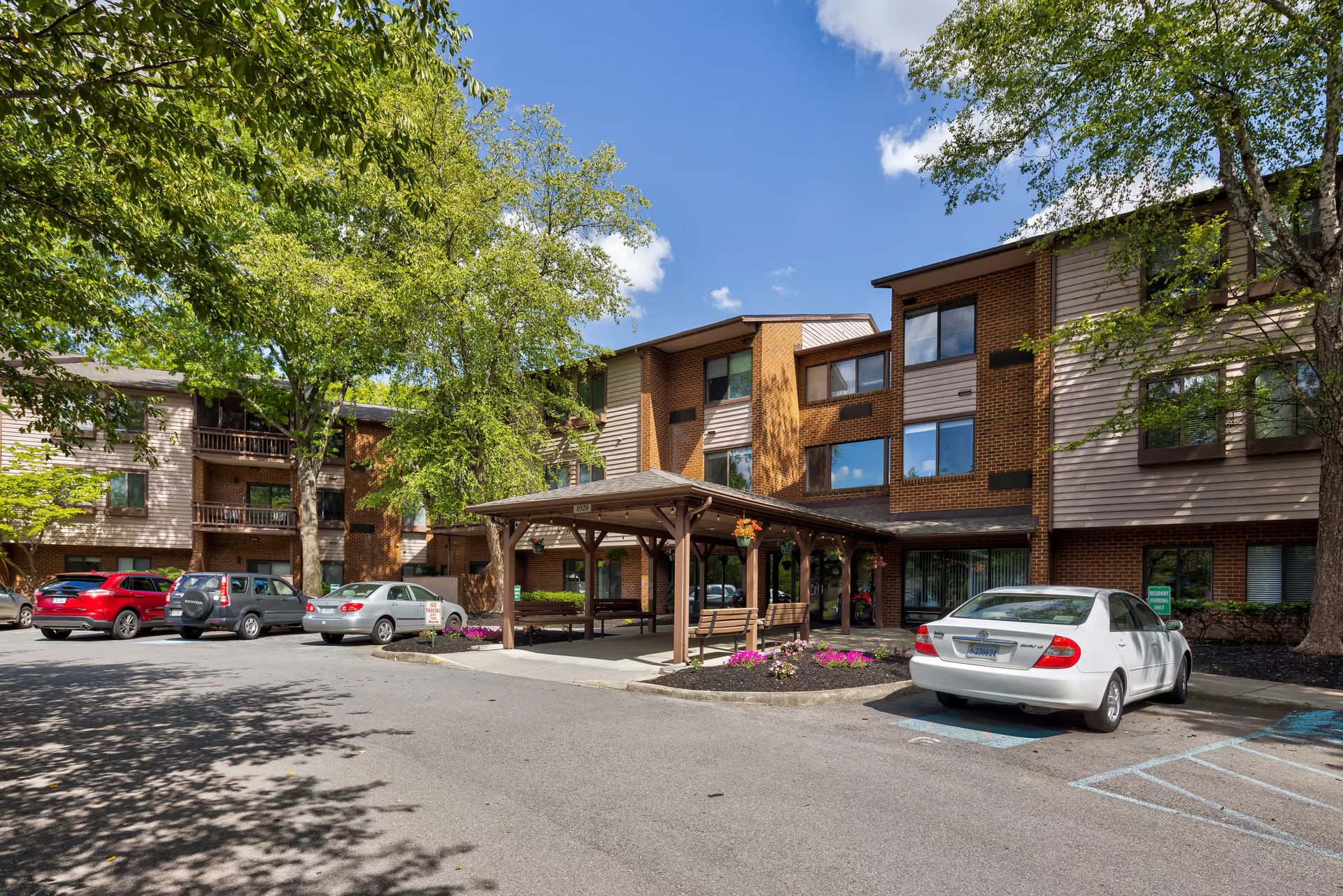
The reviews present a mixed but clearly polarized view of Friendship Assisted Living. Strengths cited repeatedly include an accessible administrator, a team-based staff approach, multiple levels of care available on-site, and an openness to work with hospice programs — including attending hospice meetings and retaining residents on hospice. The community environment is often described as attractive and comfortable, with residents appearing content and common areas characterized as cozy. Transportation services and a central dining program with optional in-room meal delivery are operational features that families find useful.
Staff performance elicits divergent impressions. Many accounts describe staff as friendly, helpful, and effective at making visits more enjoyable; the kitchen receives frequent praise and is described as a highlight. However, other comments raise concerns about inconsistent staff conduct and management practices, with references to mean behavior and perceptions of administrative incompetence. These divergent perceptions suggest variability in staff interactions and in how management issues are addressed.
Care-quality themes are likewise mixed. Positive aspects include coordinated, team-oriented approaches to resident needs and willingness to coordinate with external providers such as hospice. Conversely, several notes indicate gaps in routine personal care: inconsistent bathing schedules, delays or omissions in incontinence-related care, and broader concerns about clinical oversight and responsiveness. These are operational concerns that could affect resident comfort and dignity if not addressed systematically.
Dining is a clear strength for many families — the kitchen and food are frequently praised — but there are also complaints about meal consistency, with instances of meals being overly tough or highly seasoned. The facility provides both communal dining and in-room delivery, which offers flexible options for residents with varying needs.
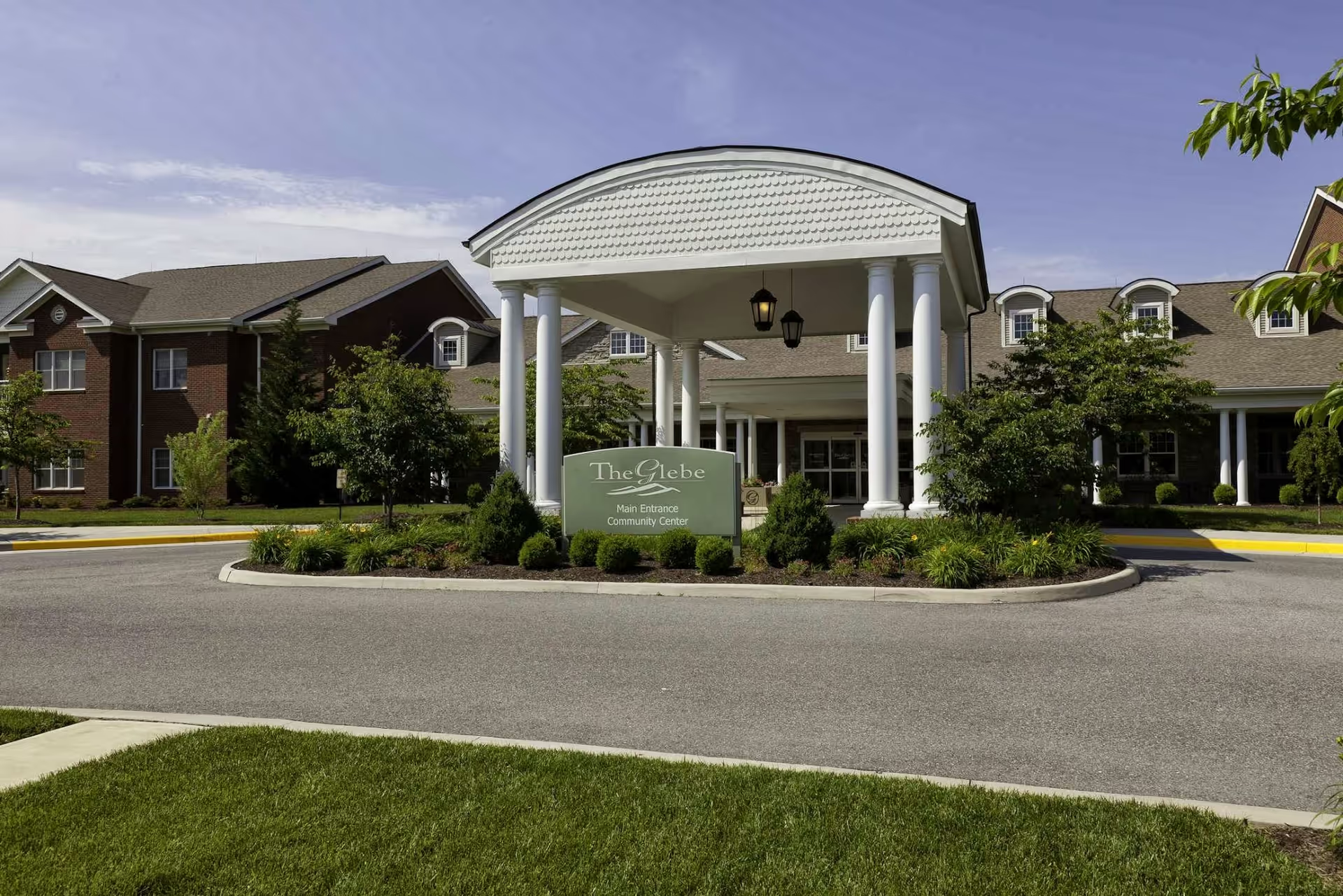
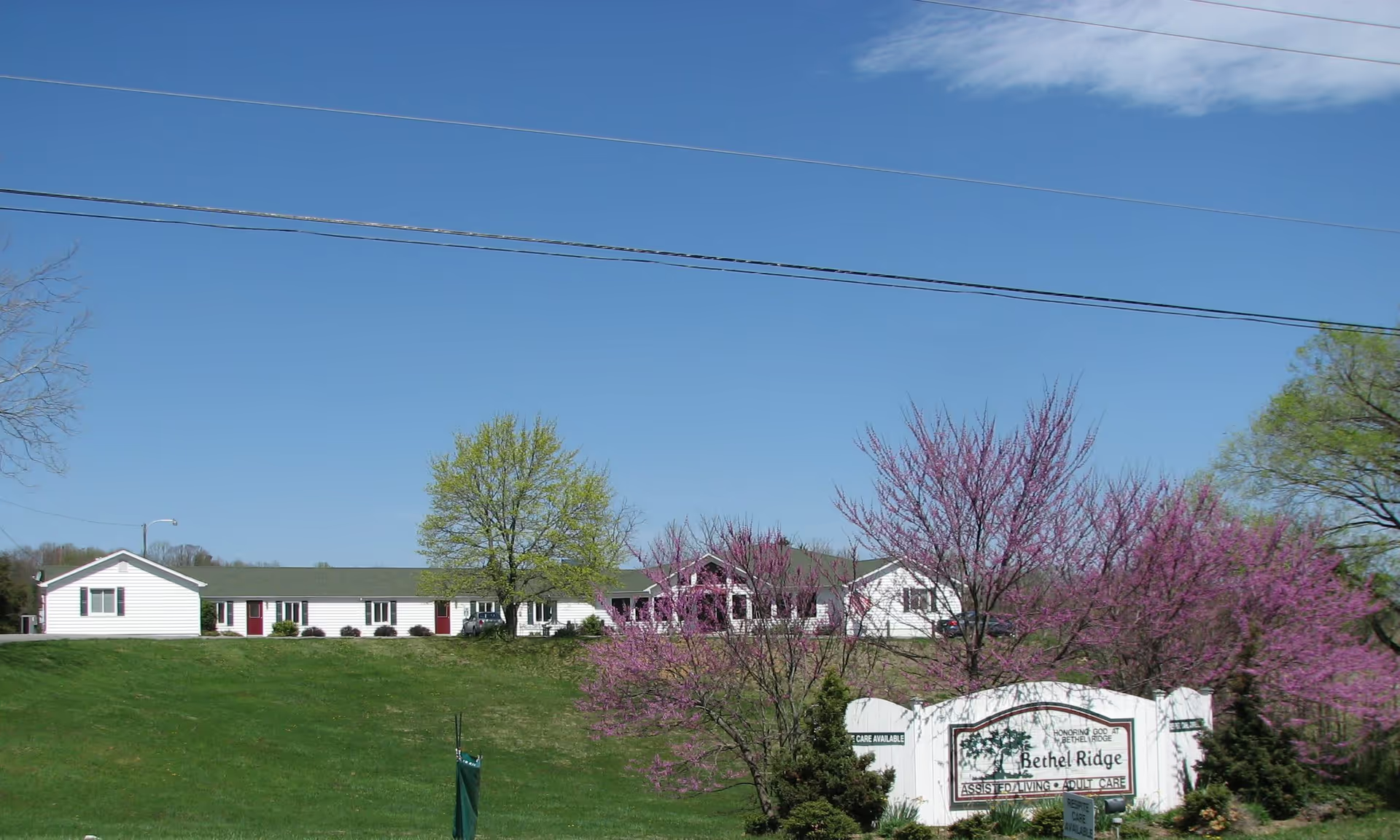
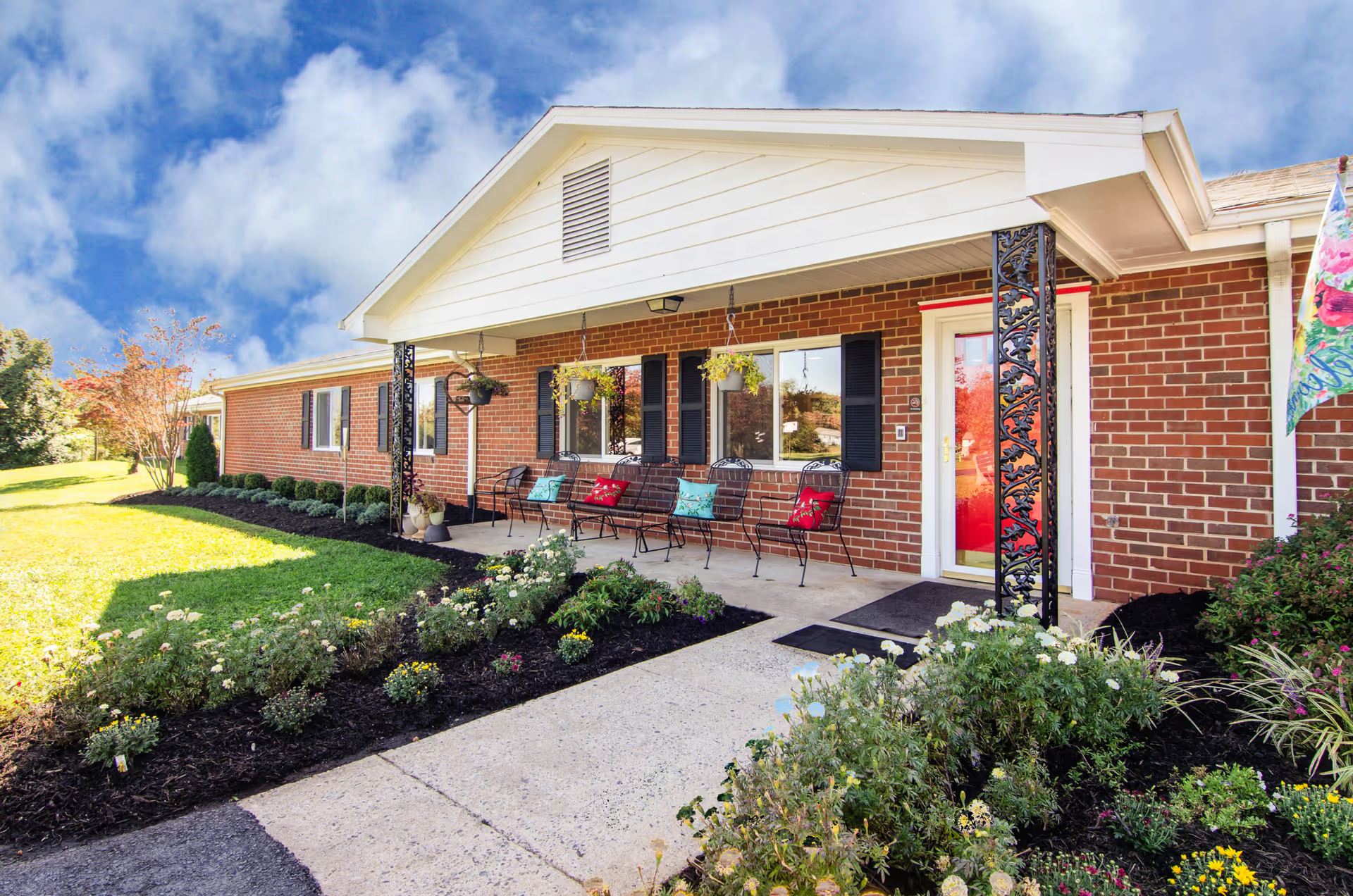
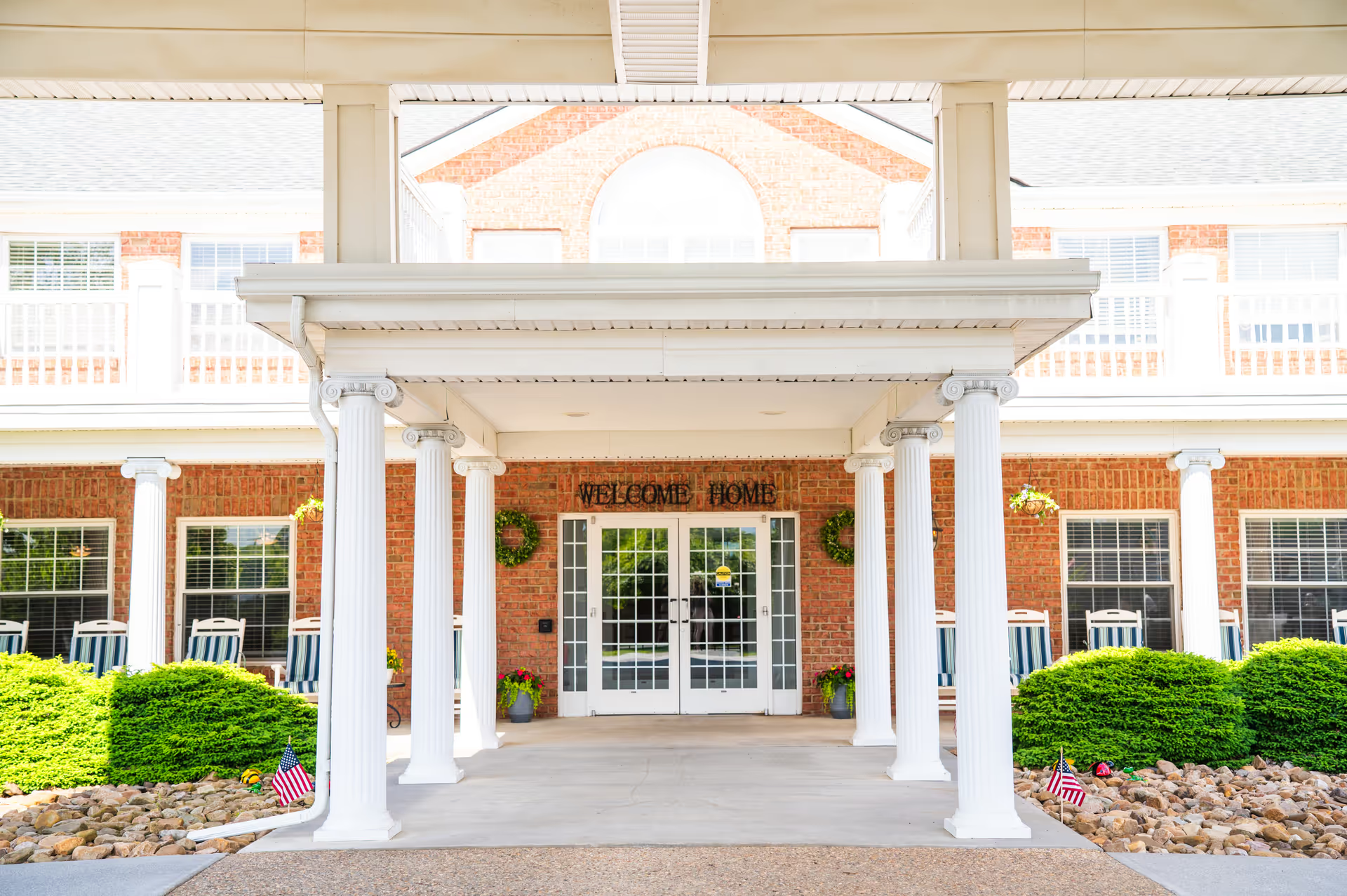
Facility and maintenance feedback is mixed as well. The community is described as beautiful and comfortable, but reviewers also noted cleanliness and laundry management issues and occasional furniture or equipment disrepair. Combined with the care and staffing inconsistencies, these maintenance and sanitation concerns contribute to perceptions that the facility may not always deliver value commensurate with its cost.
Notable patterns: the facility appears to offer meaningful services and a strong dining program, and it has administrative accessibility around hospice and care-level transitions. At the same time, recurring operational weaknesses — incontinence-care processes, personal-care scheduling, maintenance follow-through, and inconsistent management/staff conduct — are significant and recurring themes. Prospective residents and families should arrange an in-person tour, sample a meal, ask for specifics about staffing ratios and bathing/laundry schedules, review maintenance and incident protocols, and discuss hospice-transition policies to get a clearer sense of current practices and recent improvements.