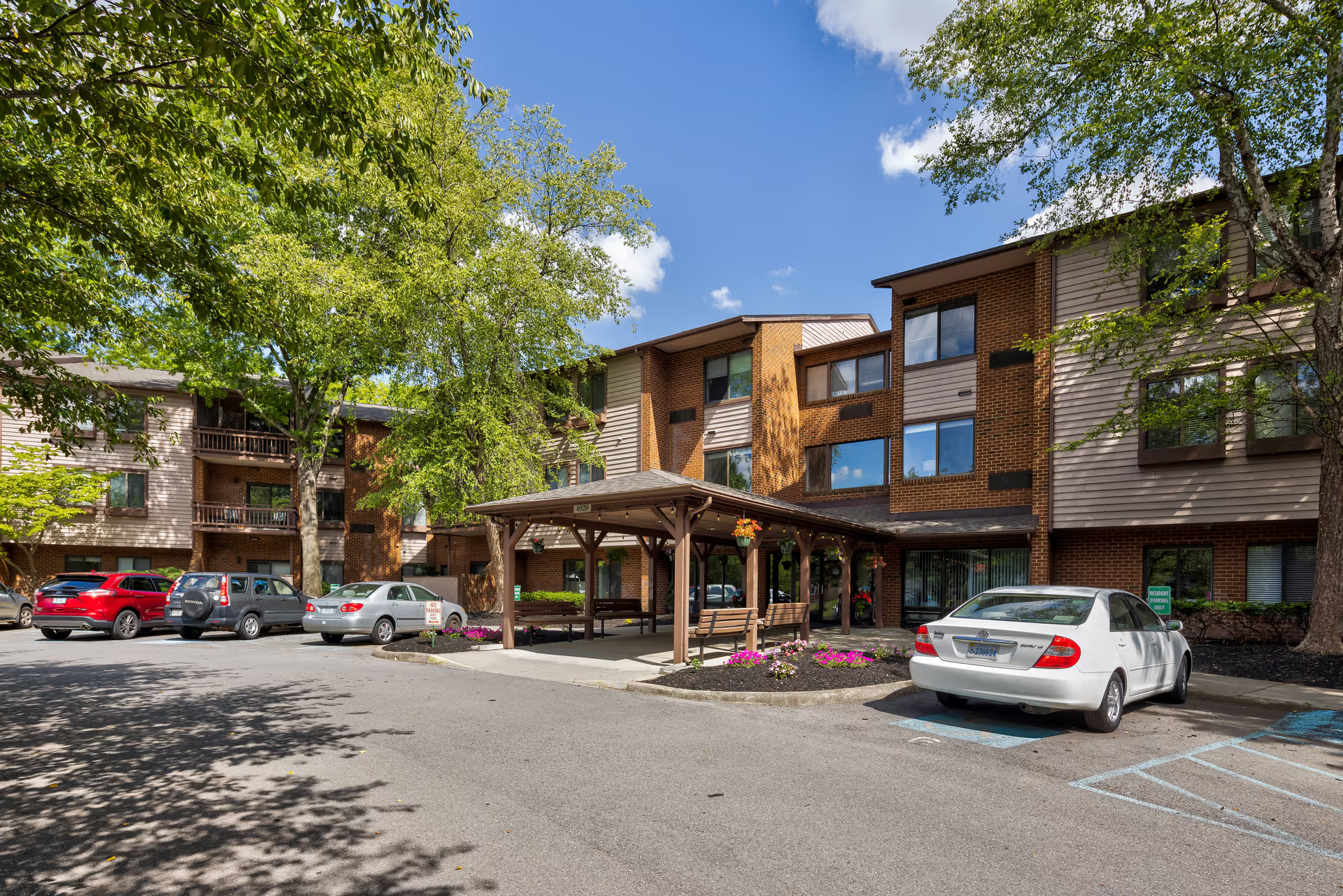
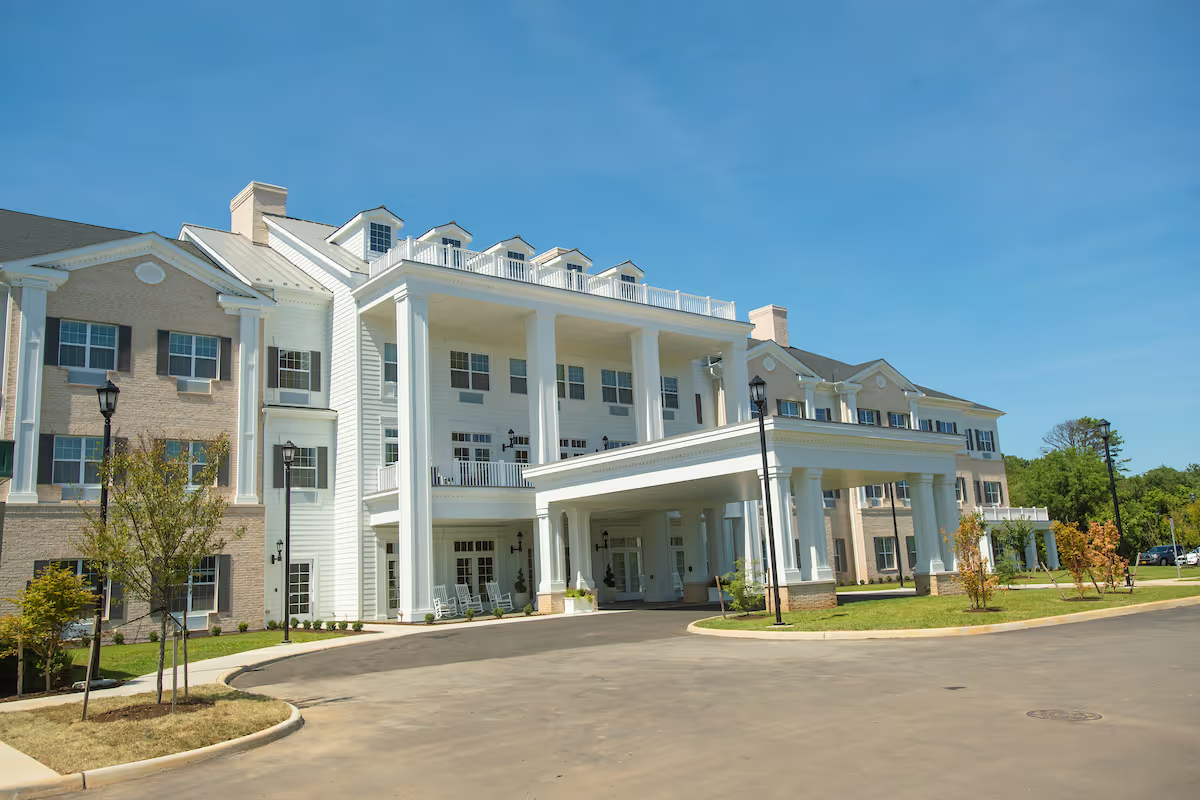
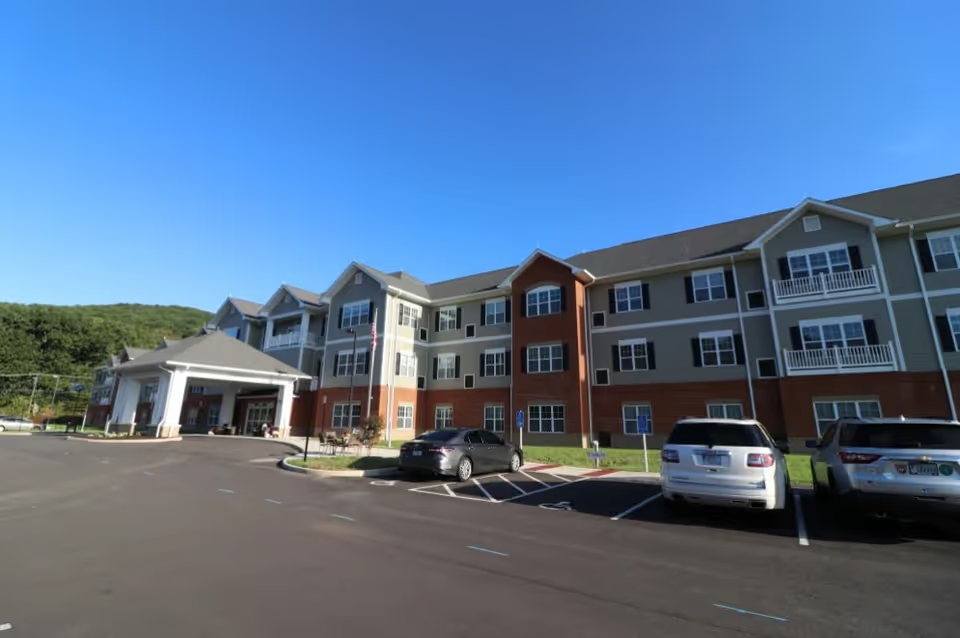
Brookdale Salem elicits strongly polarized impressions. Many families and residents praise the community’s physical environment and social life: the building is frequently described as clean, bright and hotel-like, with well-maintained grounds, attractive common areas (fireplaces, music spaces) and a range of apartment configurations from studios to multi-room suites. The activities program is a clear strength, with a broad calendar of outings, birthday and holiday events, live music, bowling and group social programs that residents and families often cite as improving quality of life. On-site therapy (Genesis rehab), transportation to medical appointments, and a staffed memory-care unit are additional programmatic strengths that support restorative care and social engagement.
Care quality perceptions are mixed. Many reviews highlight compassionate, hands-on CNAs and nursing staff who provide day-to-day care, timely medication administration in some cases, and effective rehabilitation services. At the same time, there are repeated operational concerns that affect clinical continuity: staffing shortages and turnover are noted as recurring issues, and families describe instances of delayed responses, inconsistent medication administration or documentation, and variability in clinical follow-through. These observations suggest that while individual caregivers and clinical teams are frequently effective, system-level staffing and process gaps have intermittently affected consistency of care.
Dining and nutrition receive both positive and critical comments. Several reviewers complimented the food, citing variety and improved culinary leadership, pleasant dining rooms, and social meal experiences. Conversely, there are notable operational complaints about meal-service continuity — including temporary kitchen shutdowns, cafeteria staffing reductions, and substituted or simplified meal offerings during staffing or maintenance events — and concerns about dietetic oversight in some situations. Prospective residents and families should ask about current kitchen staffing, menus for specific dietary needs, and continuity plans for service interruptions.
Facility operations and housekeeping are similarly mixed. The community’s physical plant is generally viewed favorably — modern finishes, bright rooms, and attractive communal spaces — yet multiple accounts point to inconsistent housekeeping and maintenance responsiveness (delayed room cleanings, laundry handling variability, occasional hot-water or equipment issues). Room sizes and floor layouts can be compact or confusing for some residents; prospective residents should verify unit dimensions and accessibility features during a visit.
Management, billing and admissions practices are a recurring area of concern. Reviews point to billing errors, unexpected admission or monthly fees, and price increases that some families found insufficiently explained. Communication breakdowns around therapy updates, medication changes, and incident follow-up are also described. While some reviewers recount responsive and helpful administrative staff who resolved problems, others describe slow or inadequate follow-through. These patterns suggest an operational inconsistency between teams or over time; families should request clear written fee schedules, escalation contacts, and typical communication protocols before committing.
Notable patterns and risk signals: overall sentiment clusters toward two poles — a substantial body of positive experiences centered on engaged staff, good programming, and an attractive environment, and a set of operationally focused negative experiences involving staffing levels, administrative transparency, dining continuity, and housekeeping consistency. There are intermittent but serious safety and security concerns raised, including allegations of theft and adverse incidents; such claims are not the dominant theme but warrant direct inquiry. For families considering Brookdale Salem, recommended due diligence includes touring the specific unit type under consideration, reviewing contract and fee details closely, asking for current staffing ratios and kitchen continuity plans, clarifying medication- and therapy-communication processes, and requesting references from current resident families in the same care level (assisted living or memory care). This will help balance the community’s evident programmatic strengths against the operational variability noted by a number of families.