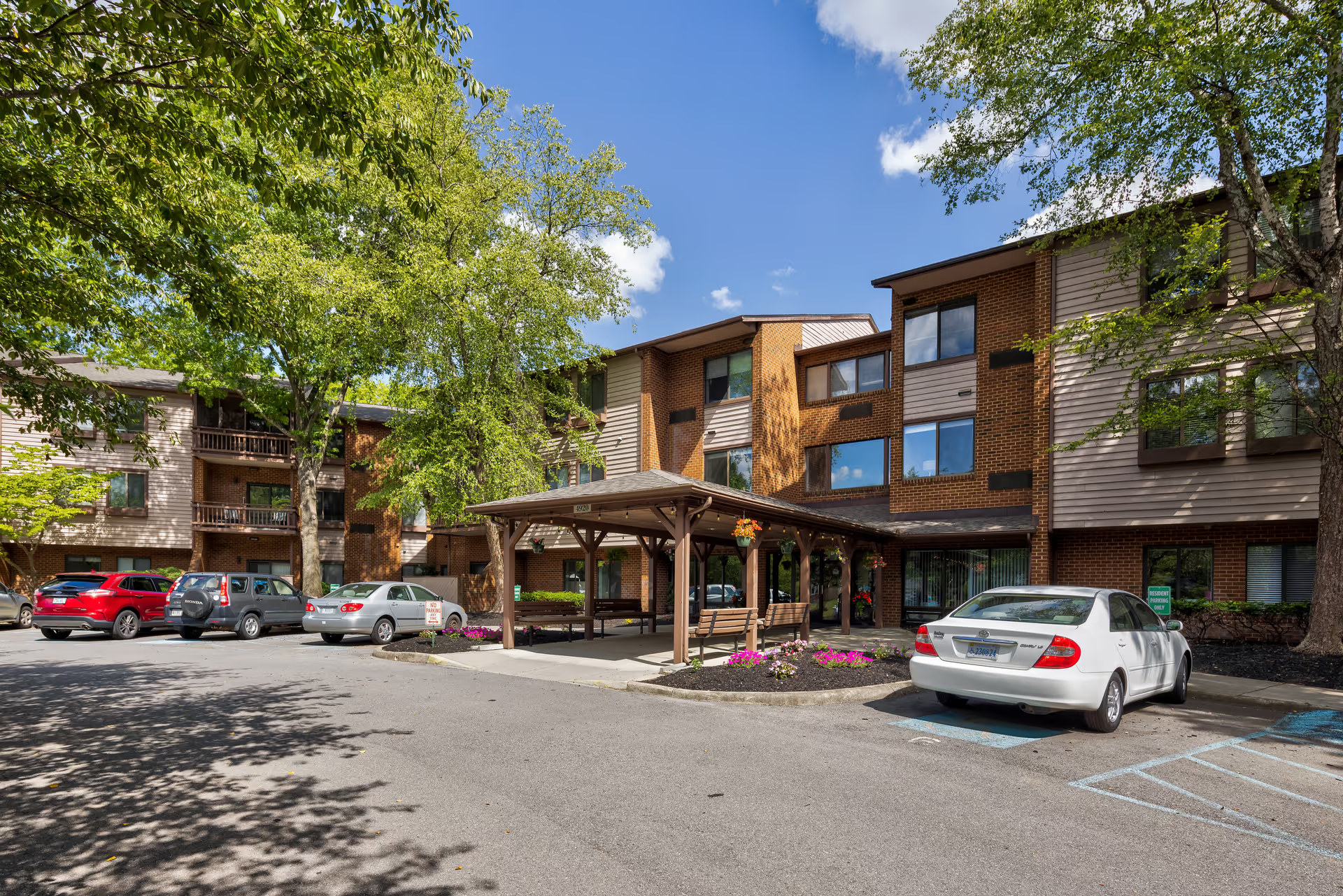
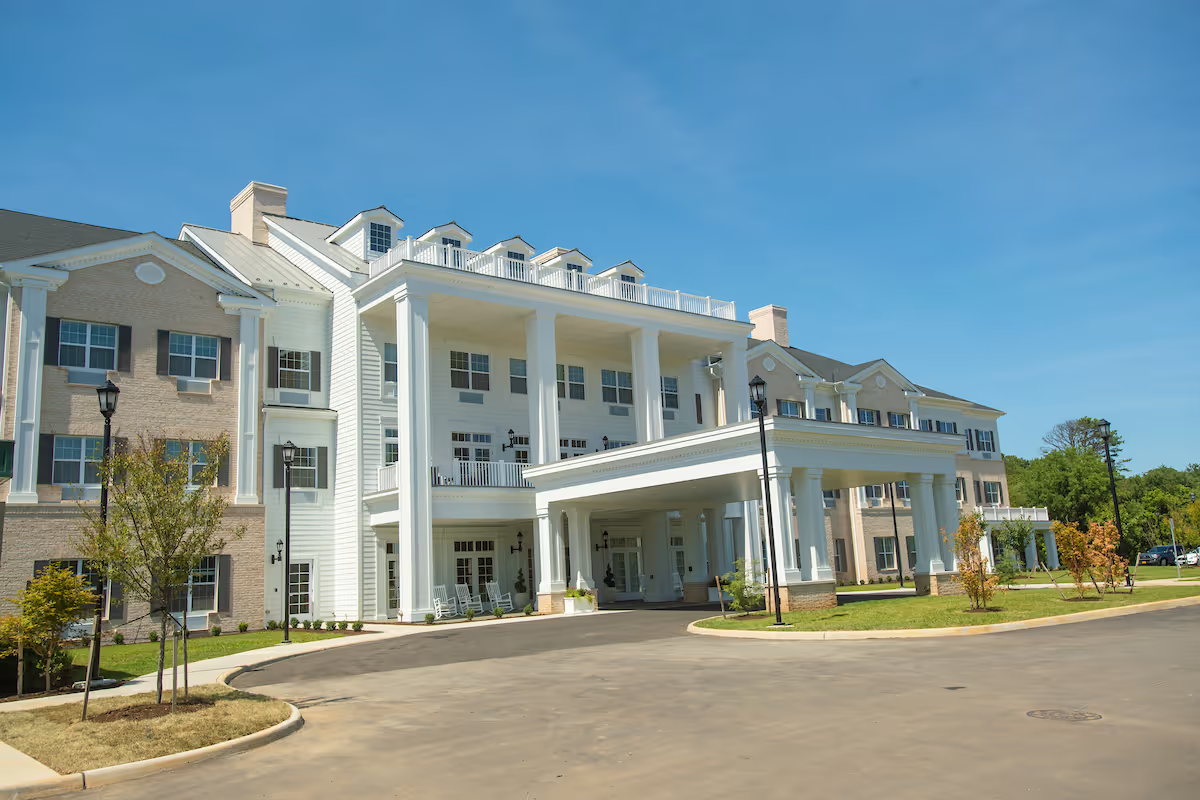
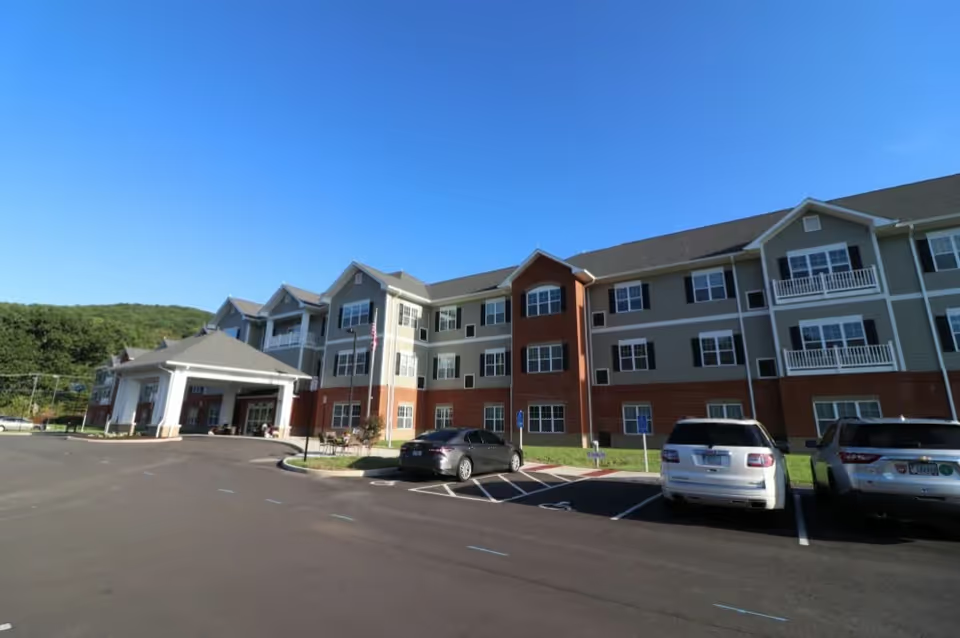
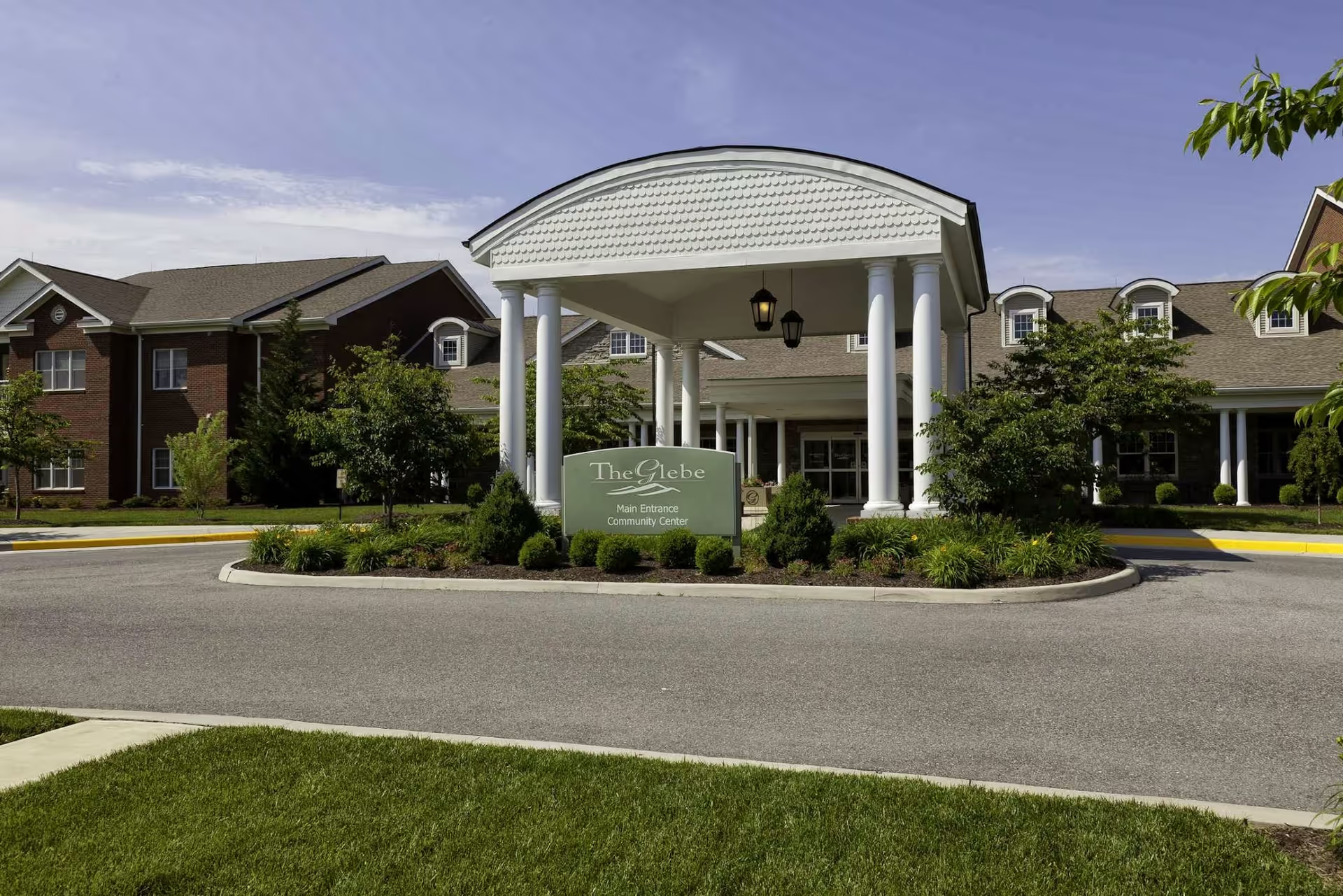
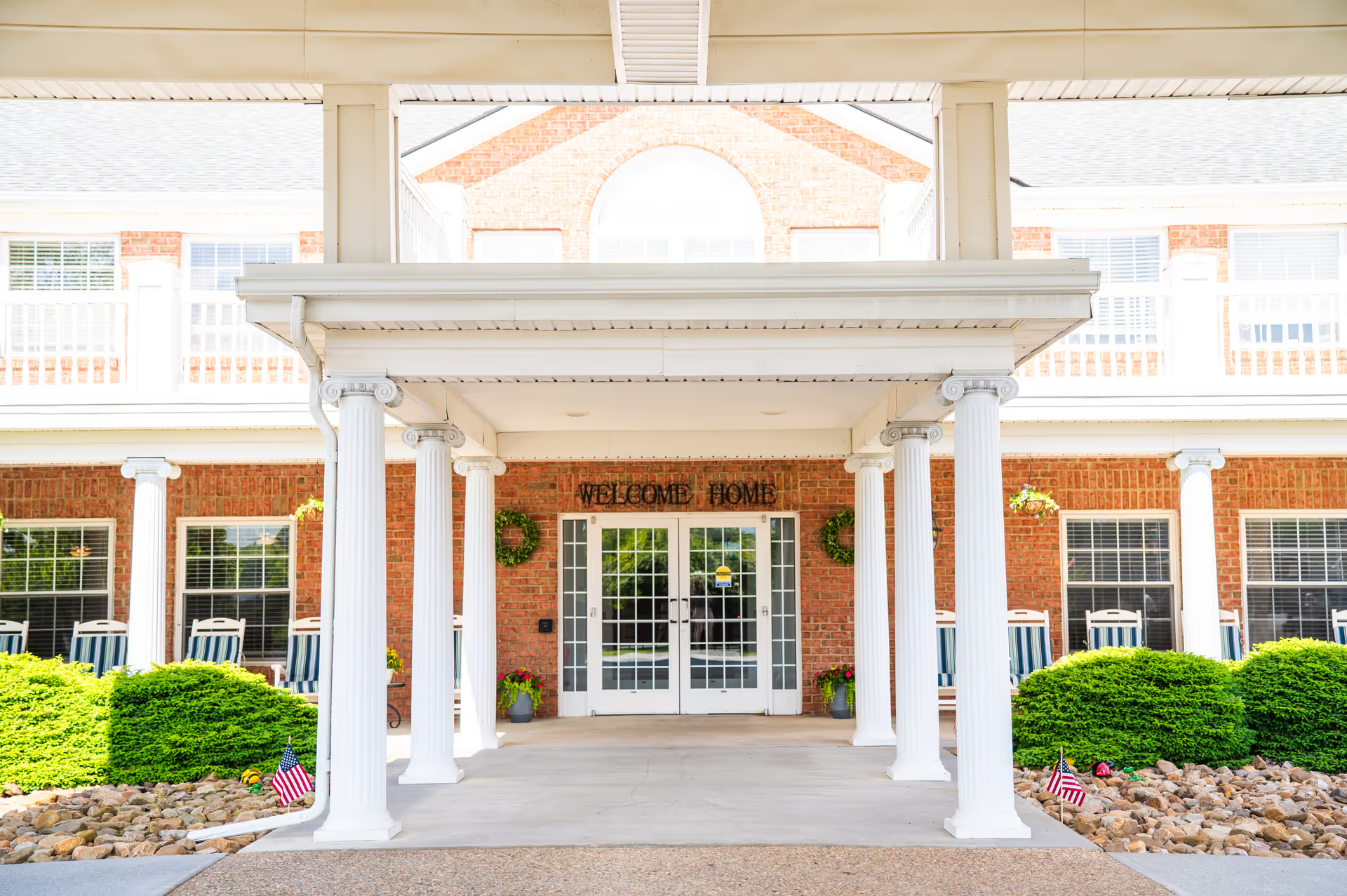
The reviews present a mixed portrait of Friendship Richfield Living - Joseph C Thomas Center. Many families praise the facility's physical environment and day-to-day housekeeping: reviewers describe a clean, well-maintained building and grounds, large private rooms with good natural light, and a generally welcoming, home-like atmosphere. Multiple accounts highlight compassionate, attentive caregivers who provide personalized care, coordinate with hospice at end of life, and make admissions or tours accommodating when needed.
At the same time, a recurrent operational pattern emerges that affects care consistency. Staffing levels are frequently described as inadequate; reviewers indicate low staff-to-resident ratios that translate into limited supervision, periods when residents are left idle between meals, and reduced responsiveness to needs. Where staffing is thin, families report that safety oversight and timely assistance suffer. These staffing constraints also appear to limit the activities program: memory-care households reportedly have minimal engagement opportunities and a single activities person may be expected to cover multiple units, reducing the frequency and variety of cognitive, social, and physical programming.
Dining and dining variety are another common theme. Comments range from average to unsatisfactory, with several reviewers noting a limited menu and repetitive, sandwich-heavy offerings. In contrast, others appreciated meals. This variability suggests inconsistent dining experiences across days or households. Administrative and communication issues are also noted: some families describe a mismatch between marketing or expectations and day-to-day realities, and there are concerns about staff communication style and responsiveness to family questions or complaints. A secured memory-care unit is referenced; while such arrangements are typical for dementia care, reviewers expressed a desire for clearer information and transparency about locked-unit policies.
Overall, the facility shows strengths in environment, housekeeping, and examples of caring, professional staff and individualized end-of-life coordination. However, those strengths are offset for some families by operational weaknesses—most notably chronic understaffing, limited activity programming, inconsistent dining, and gaps in supervision and family communication. Prospective residents and their families would benefit from an on-site visit that includes meeting the activity staff, sampling meals, asking about current staffing ratios and supervision protocols, reviewing secured-unit policies, and discussing communication procedures for clinical incidents and family updates.