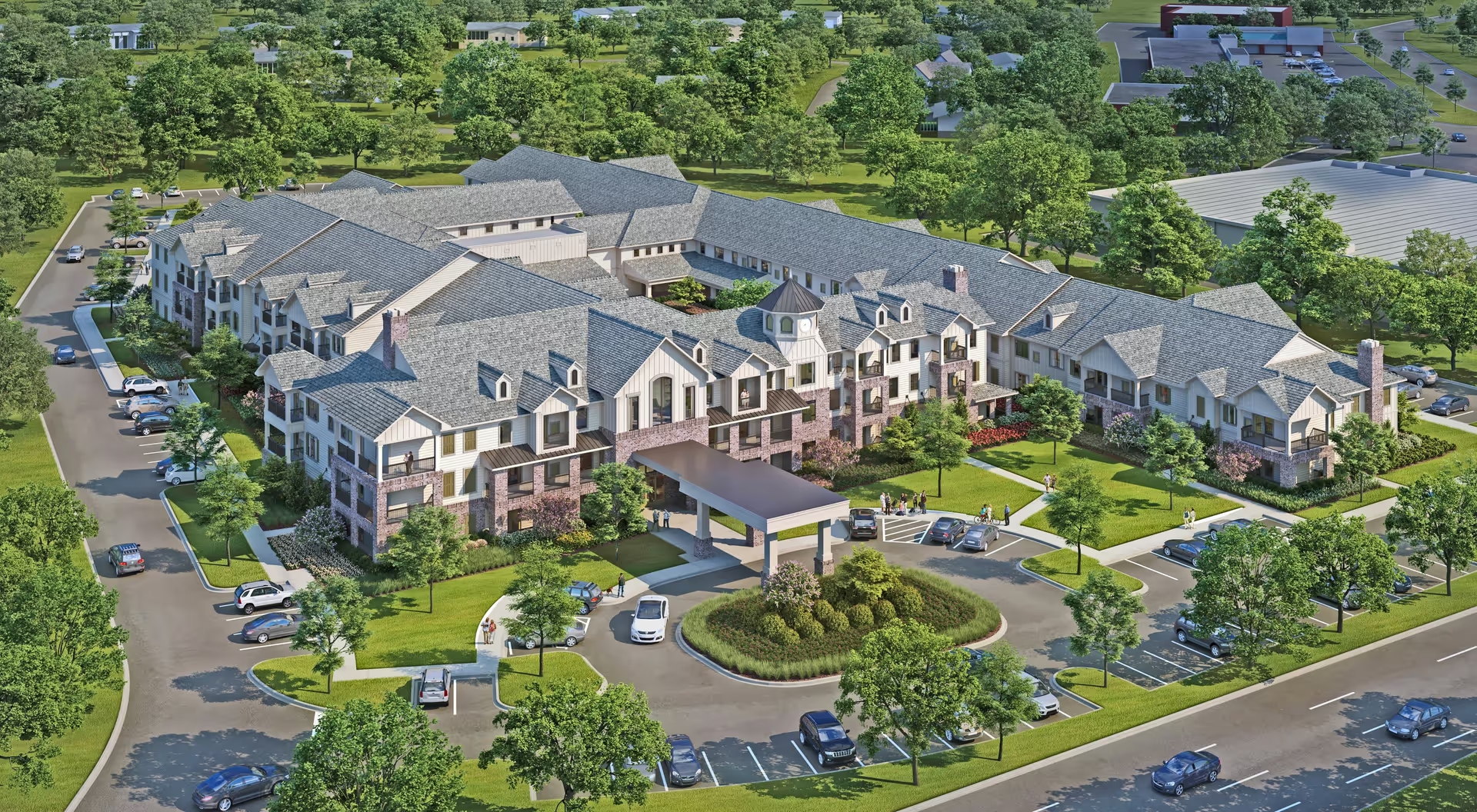
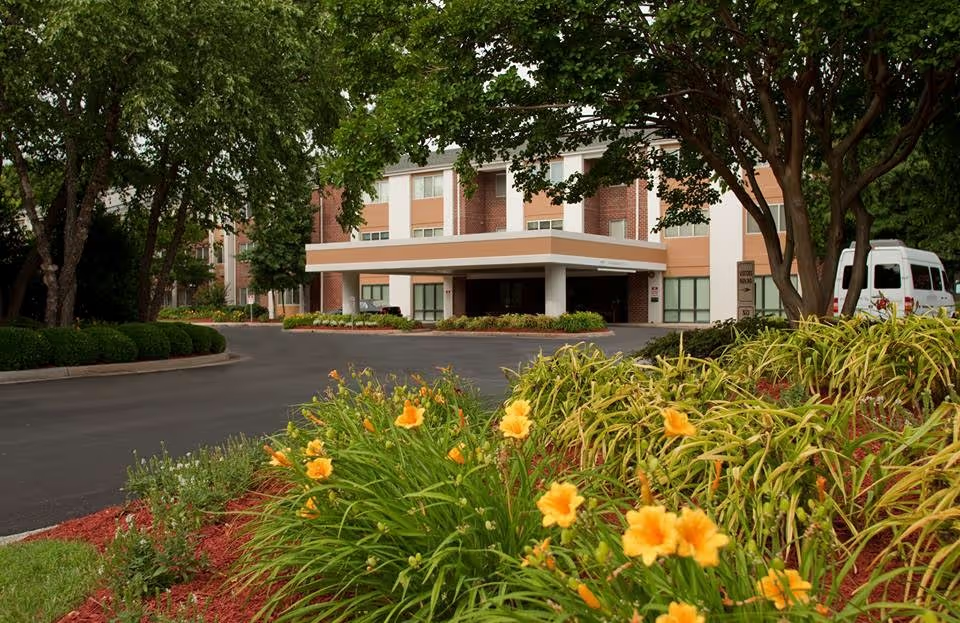
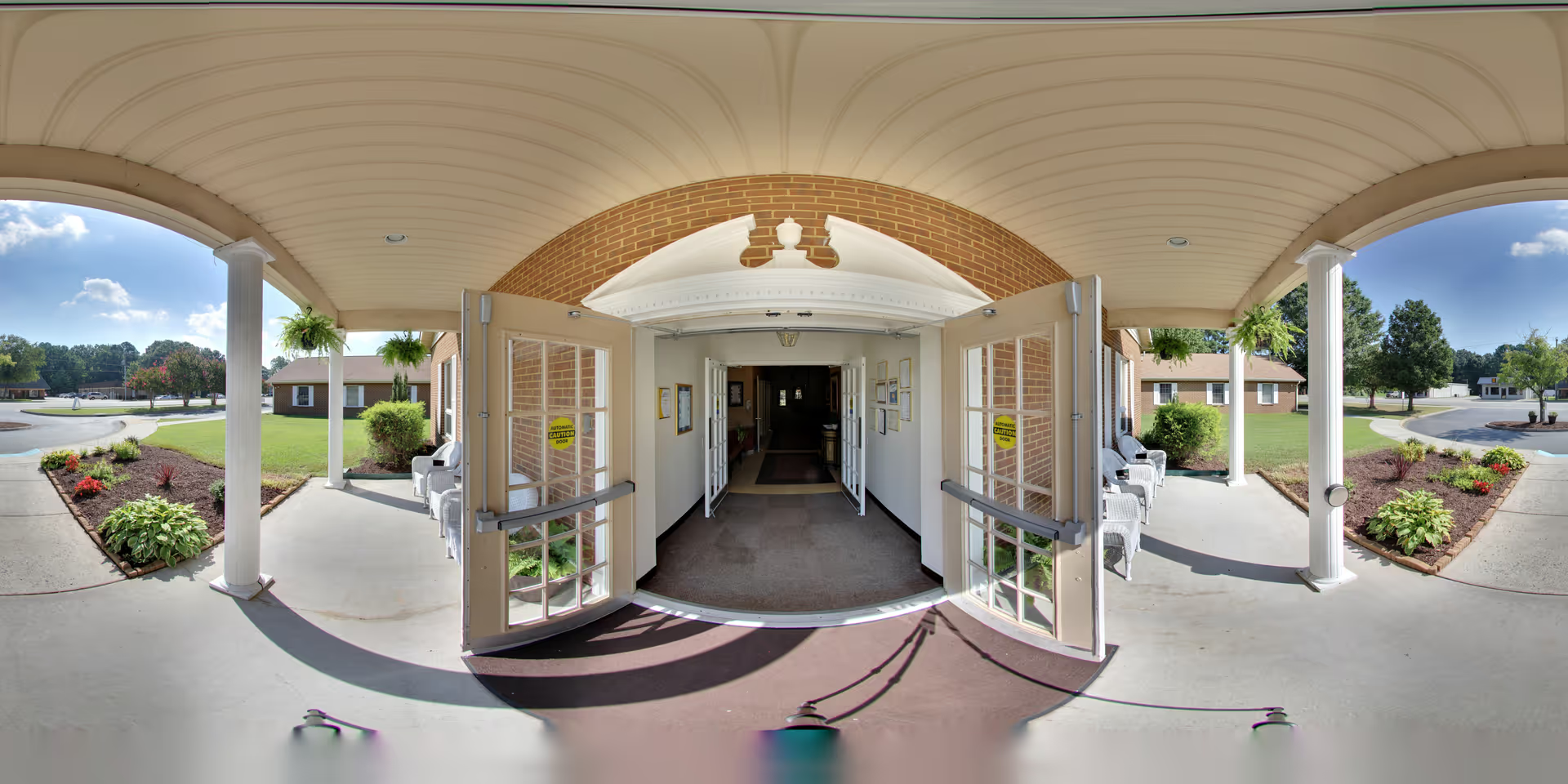
Overall impression: Riverside Convalescent Center presents a mixed but generally positive profile. The facility is frequently described as clean and inviting, with particular strengths in rehabilitation therapy and staff attitudes. Renovations to the rehab area and attractive outdoor/garden spaces contribute to a therapeutic environment for short-term recovery stays. At the same time, reviewers indicate operational and infrastructure limitations that affect day-to-day resident experience.
Care quality and staff: Many accounts emphasize effective, persistent therapy and staff who treat residents with dignity and respect. Therapy teams are described as focused on recovery goals and successful in restoring mobility and confidence after procedures such as knee replacement. Nursing and support staff are often characterized as friendly and helpful, and staff assistance with discharge planning has been noted. However, there are recurring concerns about staffing levels; staffing shortages are linked to delayed responses to call lights, periods when the nursing station is unattended, and slower-than-expected attention to resident needs. These responsiveness issues appear to be an operational weakness rather than isolated behavioral complaints.
Dining and activities: Feedback on dining is mixed. Several reviewers enjoyed the food and found meal options satisfactory, while others described late meal service and inconsistent food quality. Resident programming and activities are generally portrayed positively — clean, inviting common areas and organized activities contribute to an engaging atmosphere that residents appreciated.
Facilities and amenities: The campus combines recently updated rehab spaces and pleasant garden-view rooms with older sections of the facility. Specific infrastructure concerns include aging beds, intermittent TV and amenity failures, and other maintenance gaps that suggest deferred upkeep in parts of the building. The combination of renovated and older areas produces variability in room amenities and comfort levels.
Management and operations: Management receives positive remarks for strong leadership and practical support during transitions home. At the same time, reviewers point to system-level resource constraints and underfunding that appear to drive the maintenance and staffing issues described above. Visitation policies have been restrictive at times during infection-control events; while such policies can be institutionally mandated, limited visitation flexibility was a noted frustration for some families.
Notable patterns and trade-offs: Riverside's clear strengths are its therapy program, respectful staff, cleanliness, and pleasant outdoor spaces — attributes that make it a reasonable option for short-term rehabilitation. The primary trade-offs involve facility age, maintenance reliability, and staffing consistency, which can affect amenities, meal service, and response times. Prospective residents and families should weigh the facility's rehabilitative capabilities and staff responsiveness against the potential for intermittent amenity failures and delays in routine care; visiting to inspect specific rooms, asking about current staffing levels, and clarifying meal schedules and maintenance plans are advisable steps before admission.