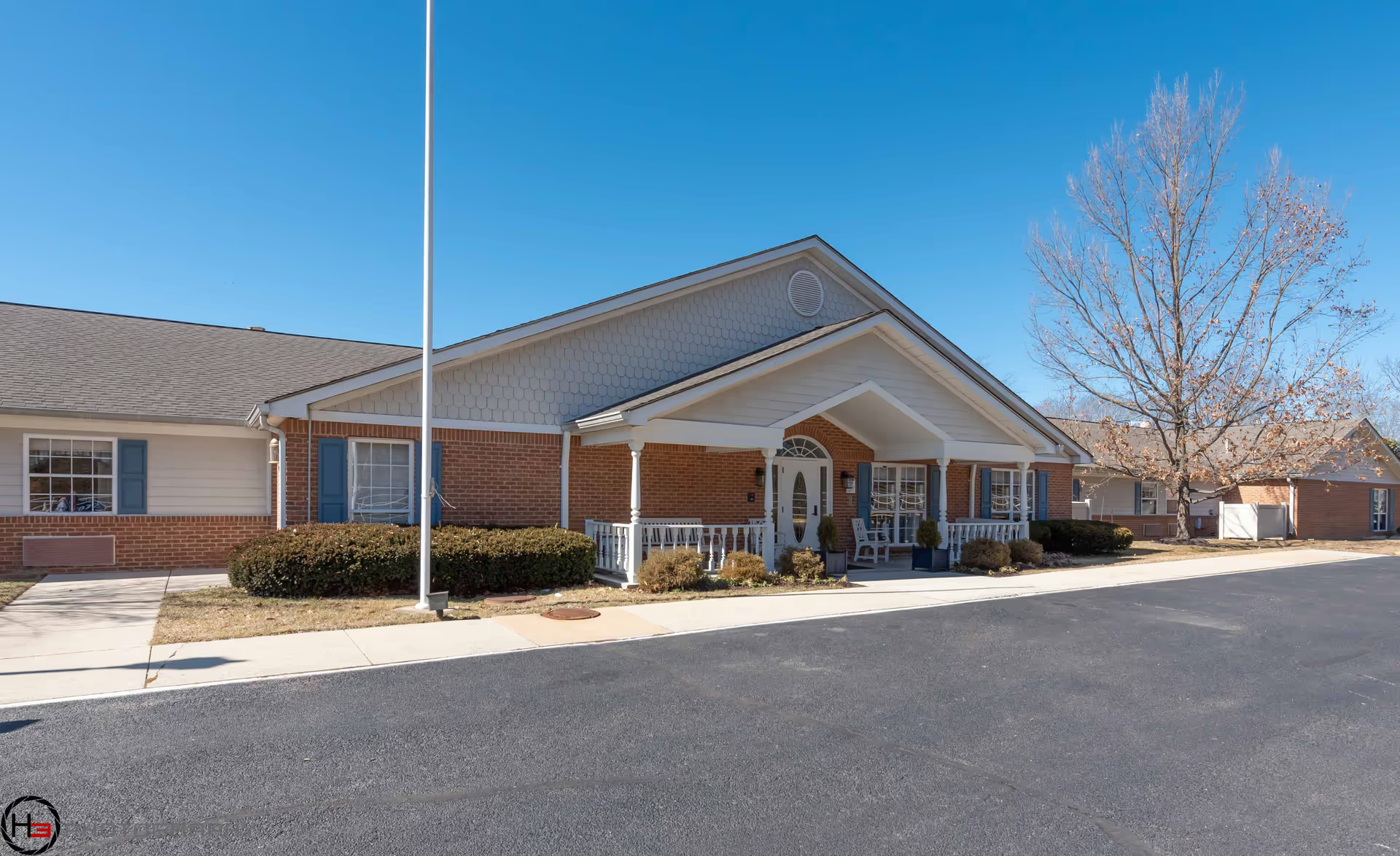
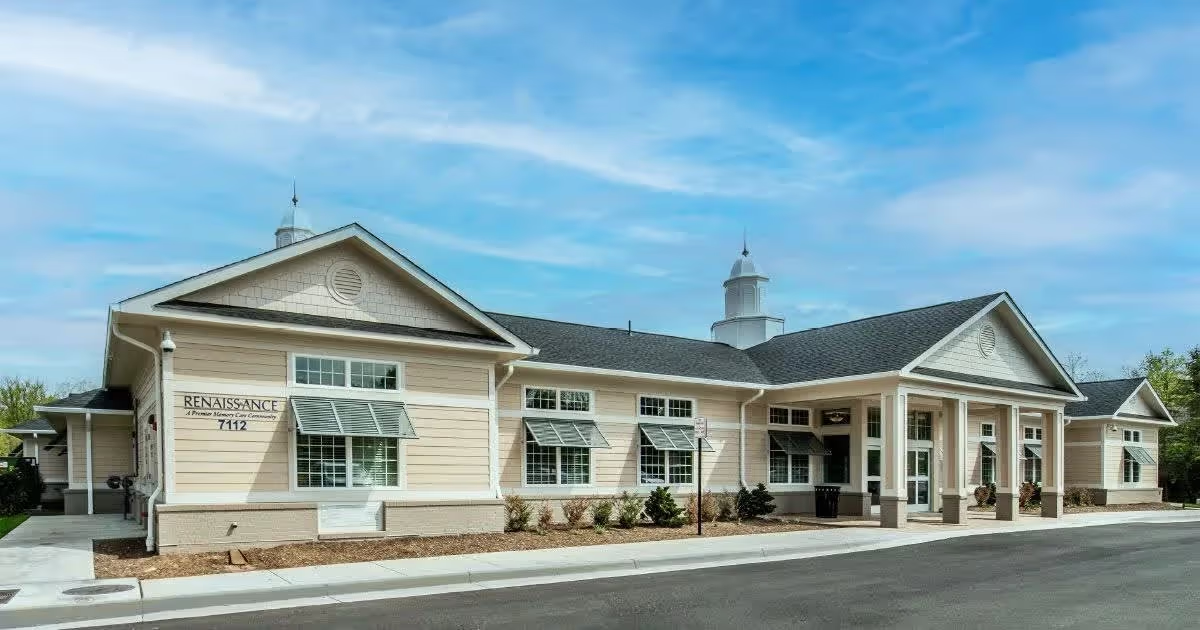
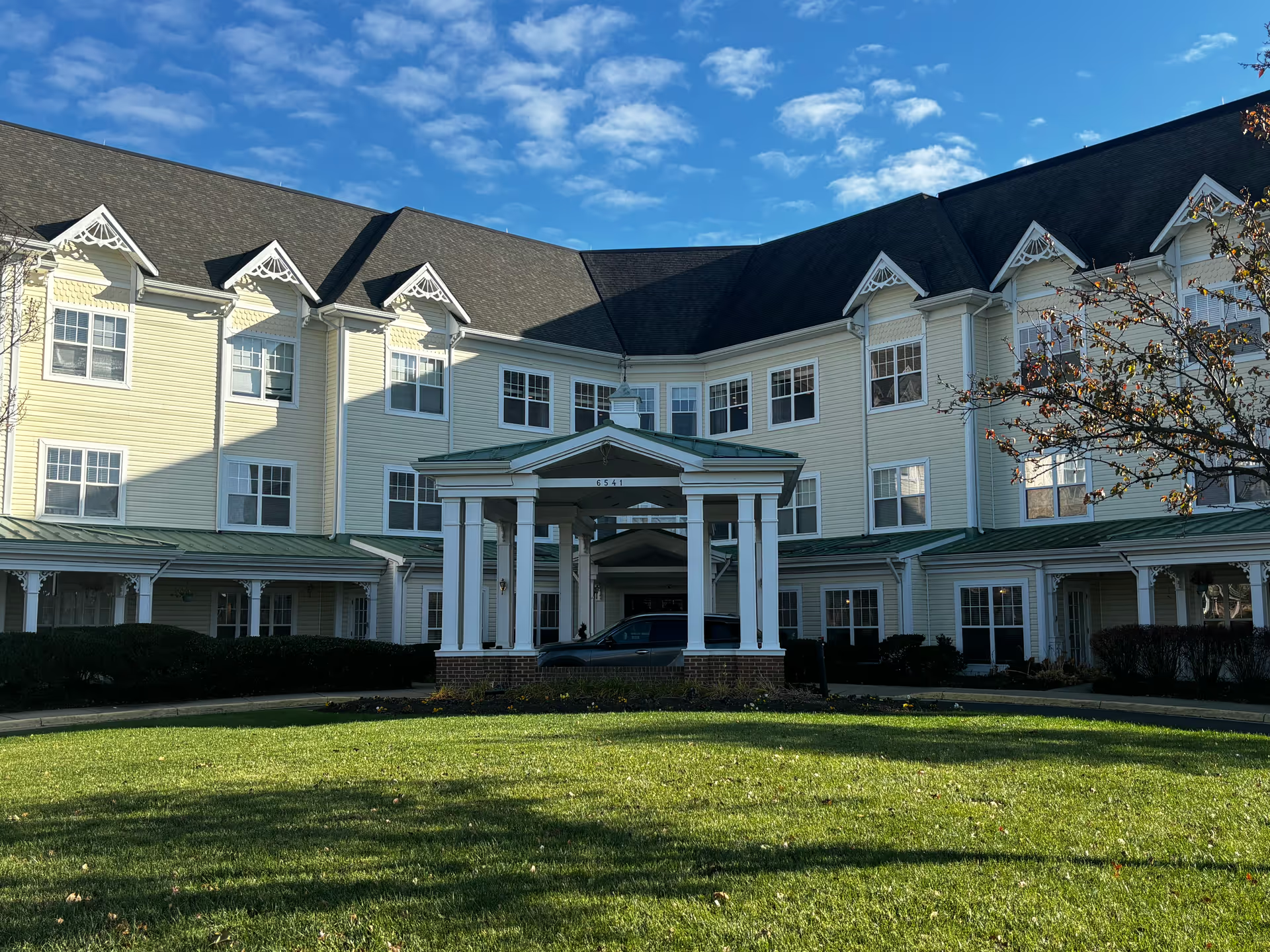
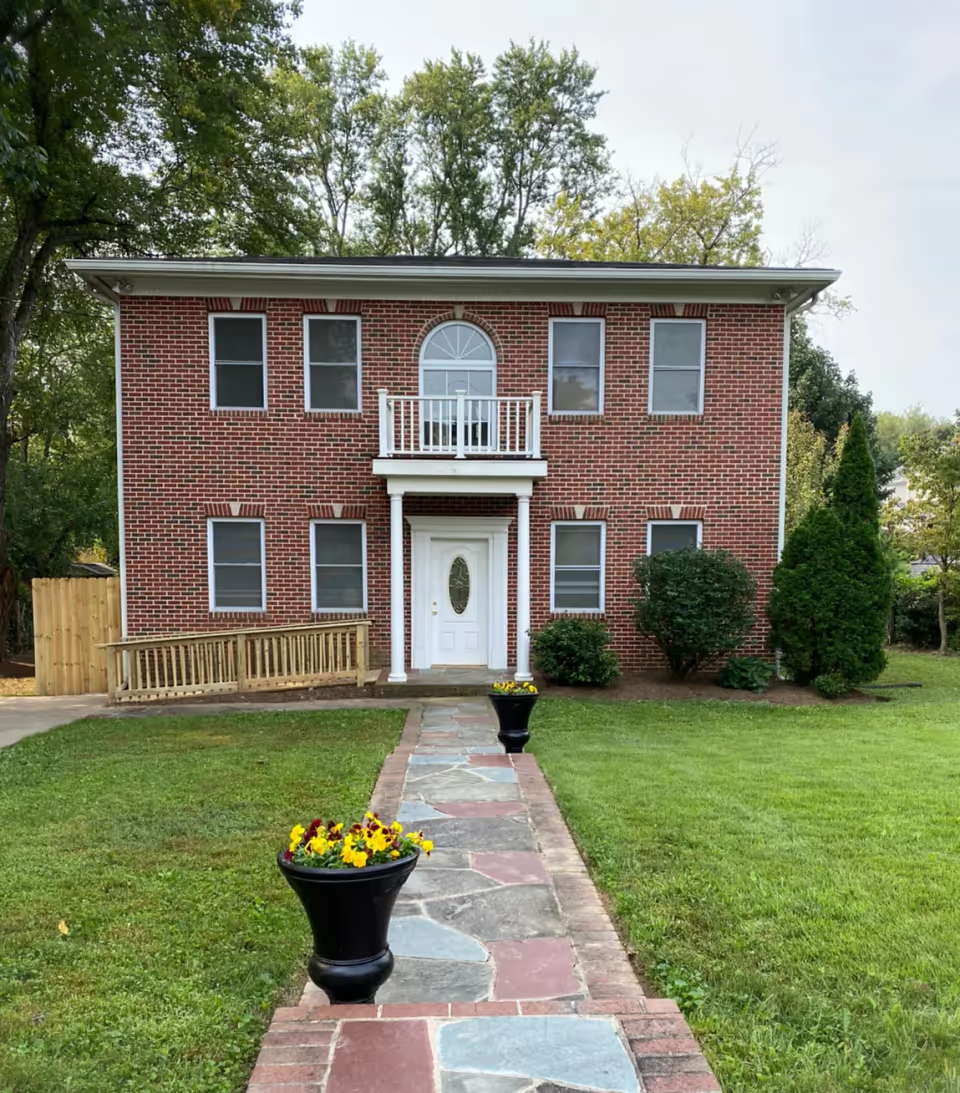
Aarondale presents as a small, well‑maintained senior living community with a pronounced emphasis on a family‑like culture. The campus and grounds have been recently renovated in places and are frequently described as attractive and orderly; apartments come in a range of sizes, though several commenters noted some unit types are compact. Housekeeping and general cleanliness are regularly praised, and landscaping and outdoor spaces contribute to a tranquil, residential atmosphere.
Staffing and care are the most consistently highlighted strengths. Reviewers emphasize compassionate, attentive caregiving from long‑tenured employees, strong dining and housekeeping teams, and a pervasive sense that staff “treat residents like family.” Clinical resources include around‑the‑clock licensed nurses and an established Wellness Director; these elements underpin many families’ confidence that routine medical and personal‑care needs are addressed. At the same time, a set of more serious clinical concerns appears in a minority of accounts: issues around supervision, wound care, incident response, and a formal complaint that prompted an investigation. Those accounts contrast with the generally positive clinical impressions and suggest variability in oversight and incident management that prospective families should clarify during their visits.
Dining and activities are prominent positives. The culinary program and fine‑dining presentations are frequently noted as highlights, with residents enjoying varied menus and special event meals. Programming is robust for a community of this size — exercise classes, live musicians, writing programs, university‑style classes, outings, and frequent entertainment are repeatedly cited. The activities leadership is described as energetic and creative. Reviewers also identify limits: activity cancellations and more constrained programming occurred during infection‑control periods, and some families observed reduced evening offerings or more restricted routines in memory‑care settings.
Memory care is positioned as a discrete strength in terms of security and a focused clinical environment; reviewers found the memory‑care unit to be appropriately contained and staffed for dementia needs. However, several families warned of operational limits when residents present with very high acuity or challenging behavioral needs; one recurring operational constraint is limited capacity for couple placements, which can be a decisive factor for spouses seeking co‑location.
Management and communication receive mixed marks. Many reviewers complimented responsive admissions support, move‑in assistance, and helpful Sales/Wellness staff. Others described episodic communication challenges — a brusque front‑desk interaction or inconsistent follow‑up — and noted that base pricing can increase over time, so fee transparency and escalation policies should be discussed in detail. The facility’s COVID response was praised for containment measures, but infection‑control restrictions did at times reduce communal activities and dining experiences.
Overall, Aarondale is frequently recommended for families seeking a smaller, community‑oriented option with strong dining, active programming, and visible caregiving commitment. Prospective residents and families should tour in person, inspect the unit sizes that match their needs, ask specific questions about supervision protocols, wound‑care and incident response processes, couple placement availability, and long‑term fee escalation policies. Those steps will help balance the community’s many strengths against the operational variability documented in a minority of accounts.