Overall impression: Reviews present a mixed but consistent portrait: many families praise the facility for warm, person-centered caregiving, a home-like atmosphere, and well-maintained common areas, while others describe operational weaknesses that have created variability in day-to-day experience. Strengths commonly cited include skillful clinical staff, attentive aides, an engaged maintenance team, and an appealing dining program. Counterbalancing those positives are recurring concerns about staffing stability, communication, and housekeeping consistency.
Care quality: Clinical and direct-care staff receive frequent positive mentions for compassionate attention and competent nursing care; several families described clear improvements under particular nursing leadership. At the same time, there are repeated complaints about understaffing, slow call-button responses, medication delays, and inconsistent follow-through on promised treatments or meetings with nursing. Reviewers described issues indicative of gaps in medication-management workflows and family communication about clinical changes; these gaps appear to produce uneven care quality depending on shift and unit.
Staff and culture: The facility is frequently described as warm and family-like, with many staff praised as friendly and authentic. However, high staff turnover and administrative churn were cited as drivers of inconsistent experiences — the set of familiar, reliable caregivers fluctuates, and families reported variability in professionalism on some shifts. There are isolated—but serious—noted allegations concerning staff conduct and consent for medication; those represent individual, high-severity concerns within an otherwise broadly positive picture of many direct-care employees.
Dining and activities: Dining is often characterized positively: meals are described as well-prepared, healthy, and personalized at times. Some families did note late service, menu substitutions, or cold plates on occasion, suggesting occasional kitchen service interruptions. Activity programming is a clear strength in segments of the community (field trips, church services, robust calendars), but reviewers also described uneven programming—particularly on upper floors or certain units—where activities were scarce or not sufficiently engaging for some residents.
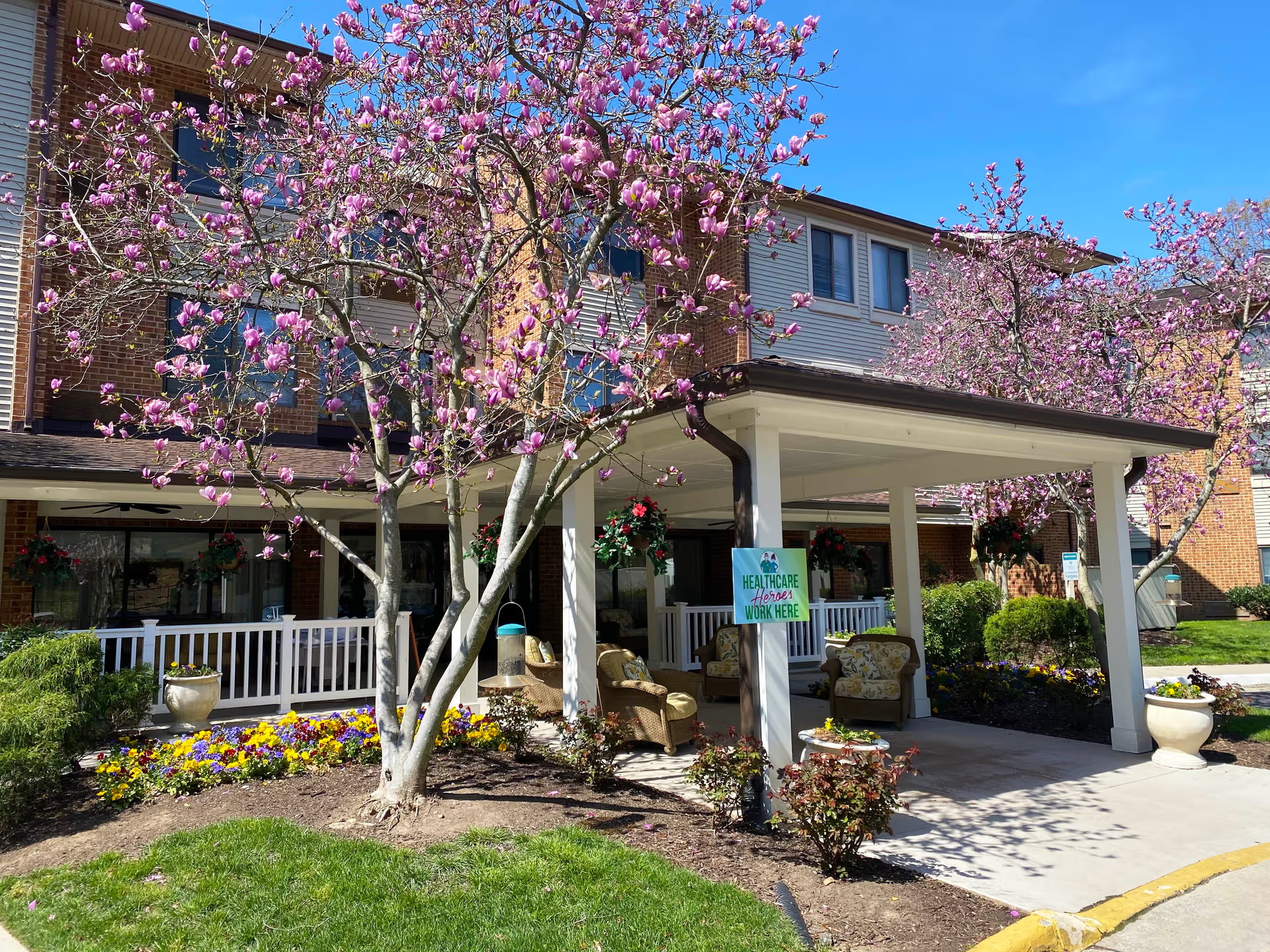
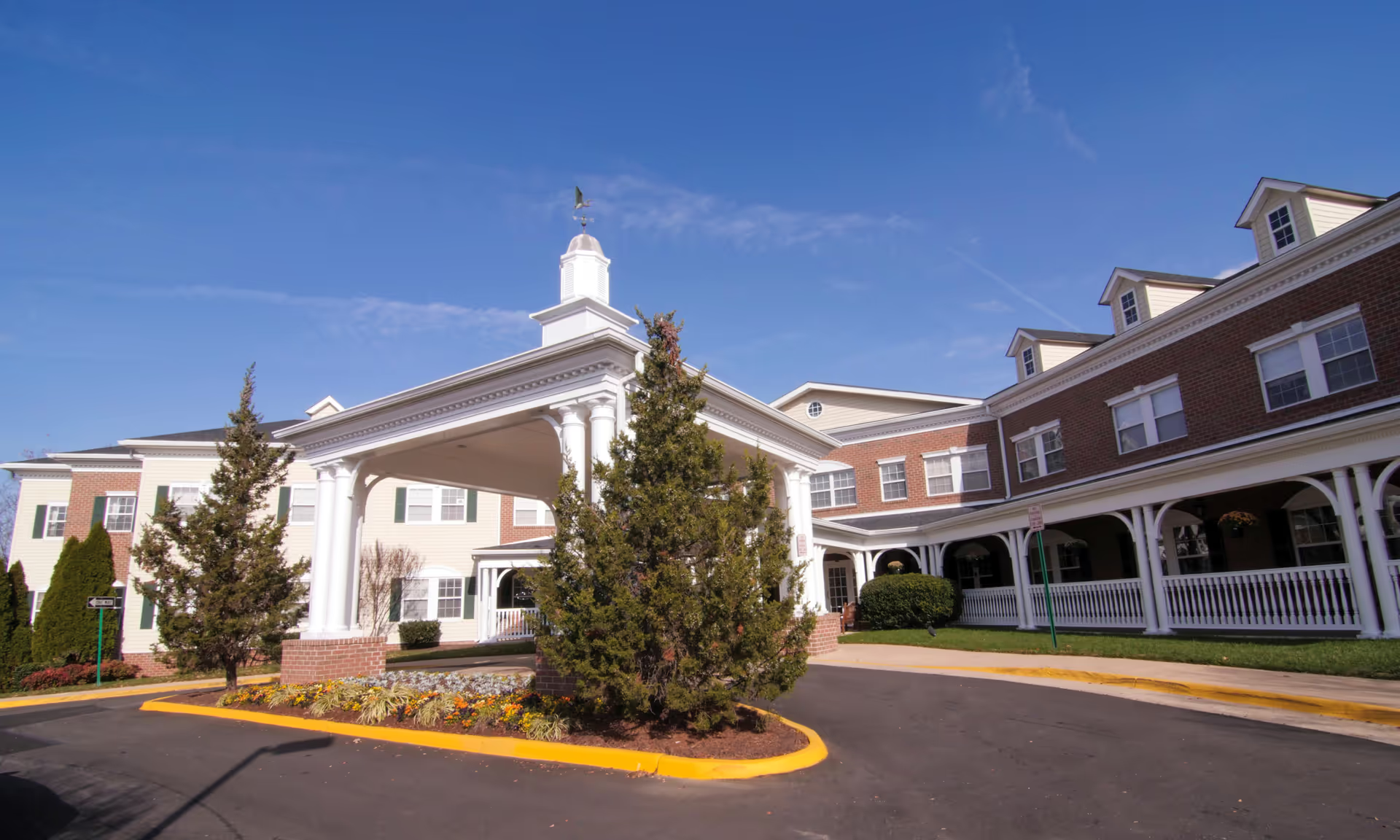
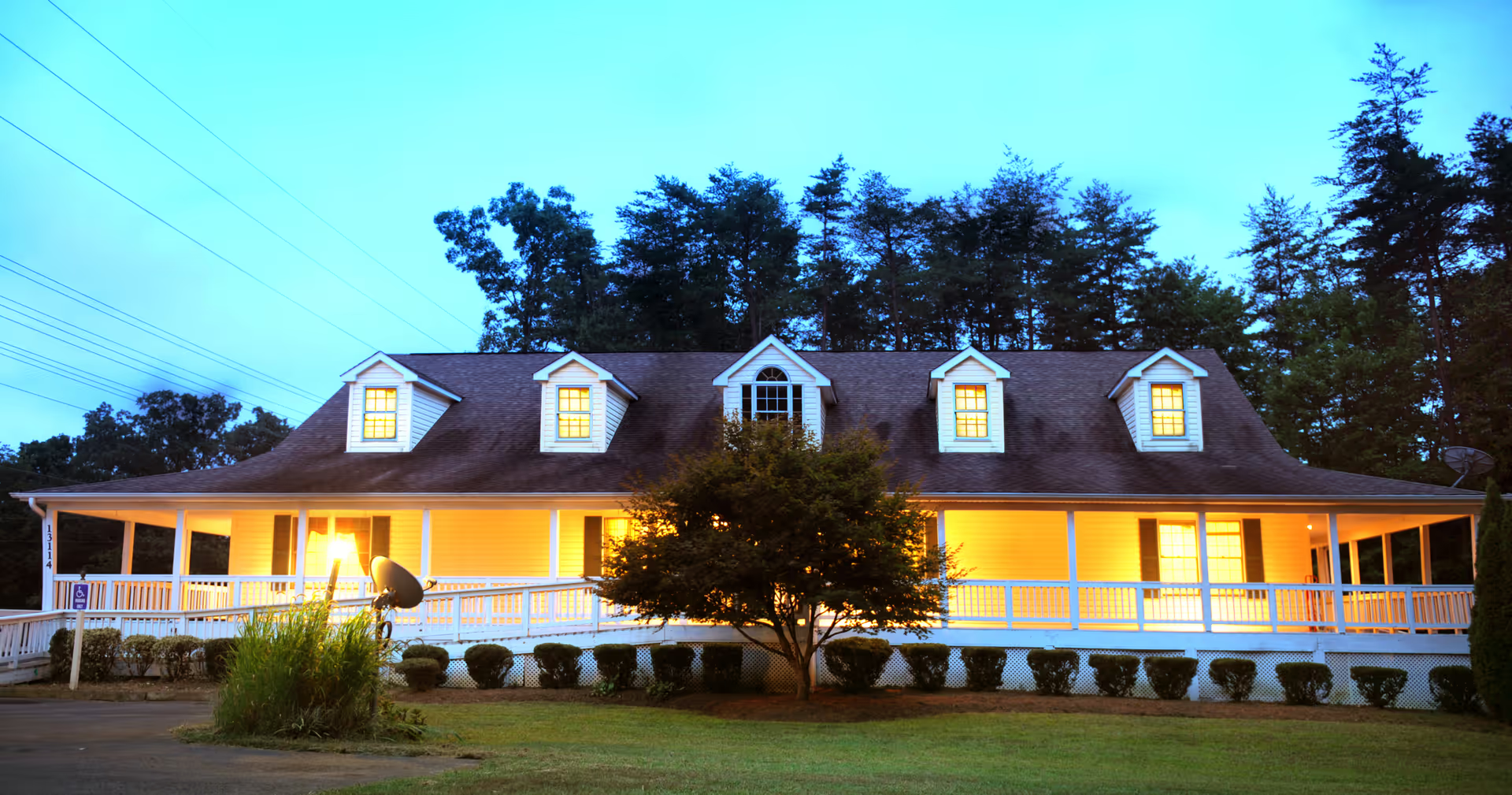
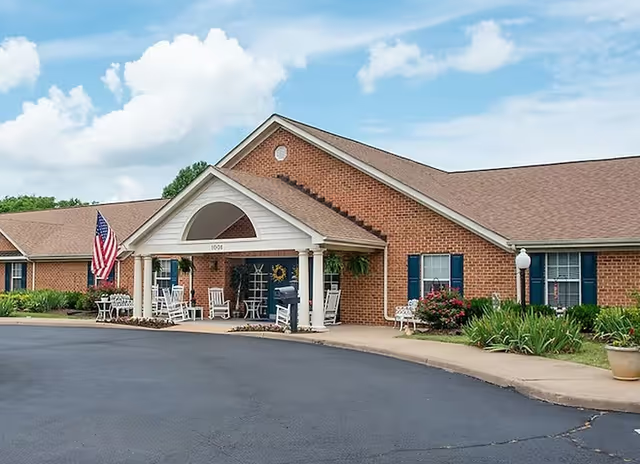
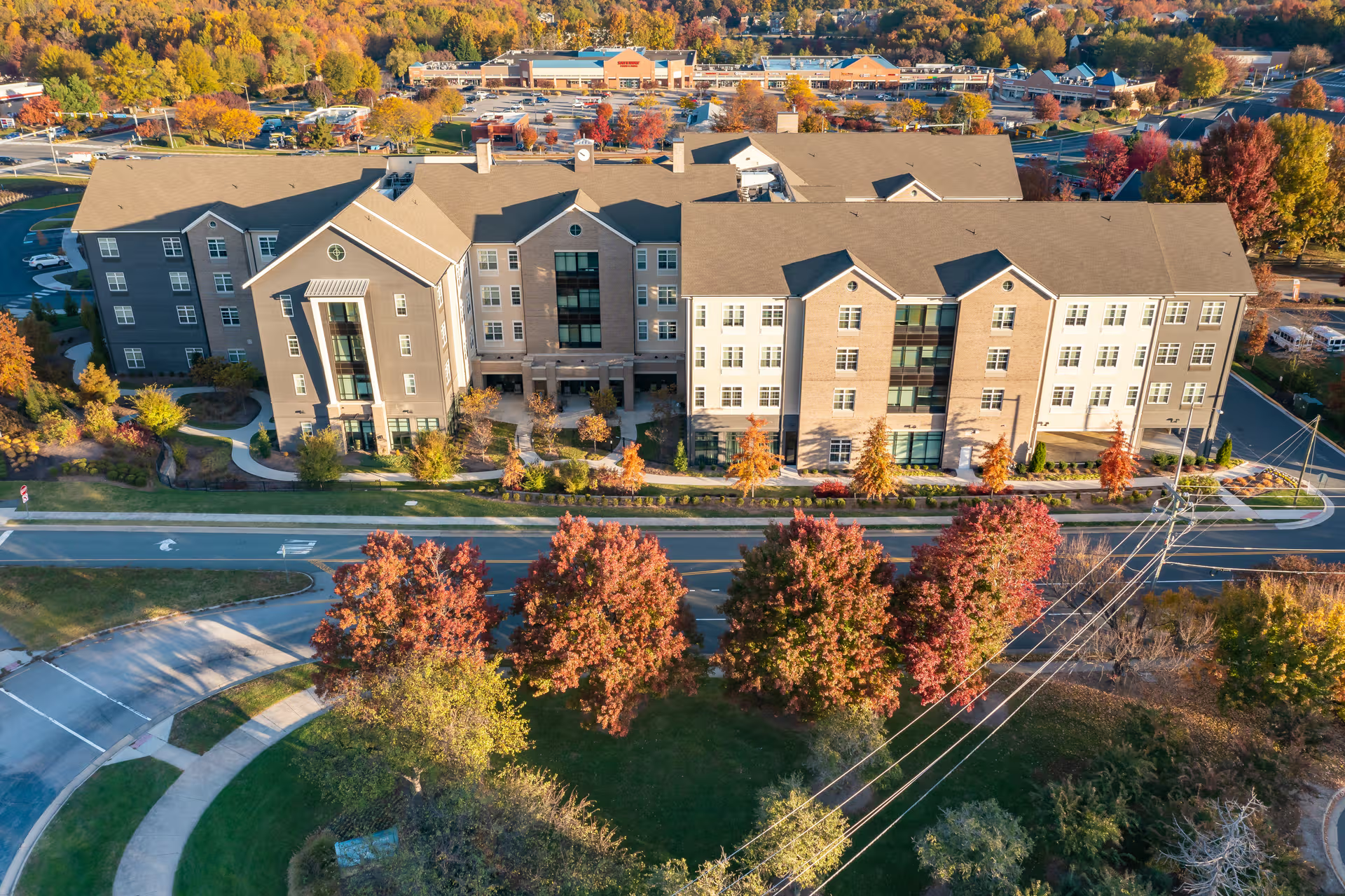
Facilities and safety: The building and grounds receive frequent praise for cleanliness and a home-like aesthetic, and the memory-care unit’s safety features are appreciated. However, multiple reviewers noted sanitation and housekeeping inconsistencies in specific rooms or during renovations, as well as accessibility issues tied to recent flooring changes (plush carpet, transitions creating trip or wheelchair-maneuvering difficulties). These physical-hazard observations suggest the need for closer review of flooring, thresholds, and overall fall-risk mitigation.
Management, billing, and communication: Administrative turnover has contributed to variable family experiences with responsiveness and transparency. Praise is given where admissions coordinators and interim directors have been proactive and helpful; conversely, there are repeated concerns about unclear pricing, unexpected charges after move-out, and difficulty arranging meetings with leadership. Communication gaps — around care updates, incident explanations, and billing — are one of the most frequently cited operational weaknesses.
Notable patterns and guidance for families: The dominant pattern is polarization: many families find the facility an excellent fit because of caring staff, good clinical support, and a home-like environment, while others encounter service breakdowns related to staffing instability, housekeeping, medication management, or administrative transparency. Prospective residents and families would benefit from on-site conversations about current staffing levels, unit-specific activity schedules, medication-management protocols, housekeeping and laundry procedures, accessibility (especially flooring), and a clear, written explanation of fees and billing practices before committing. Follow-up questions about recent leadership changes and the facility’s plan to address turnover may also clarify whether recent concerns are being actively corrected.