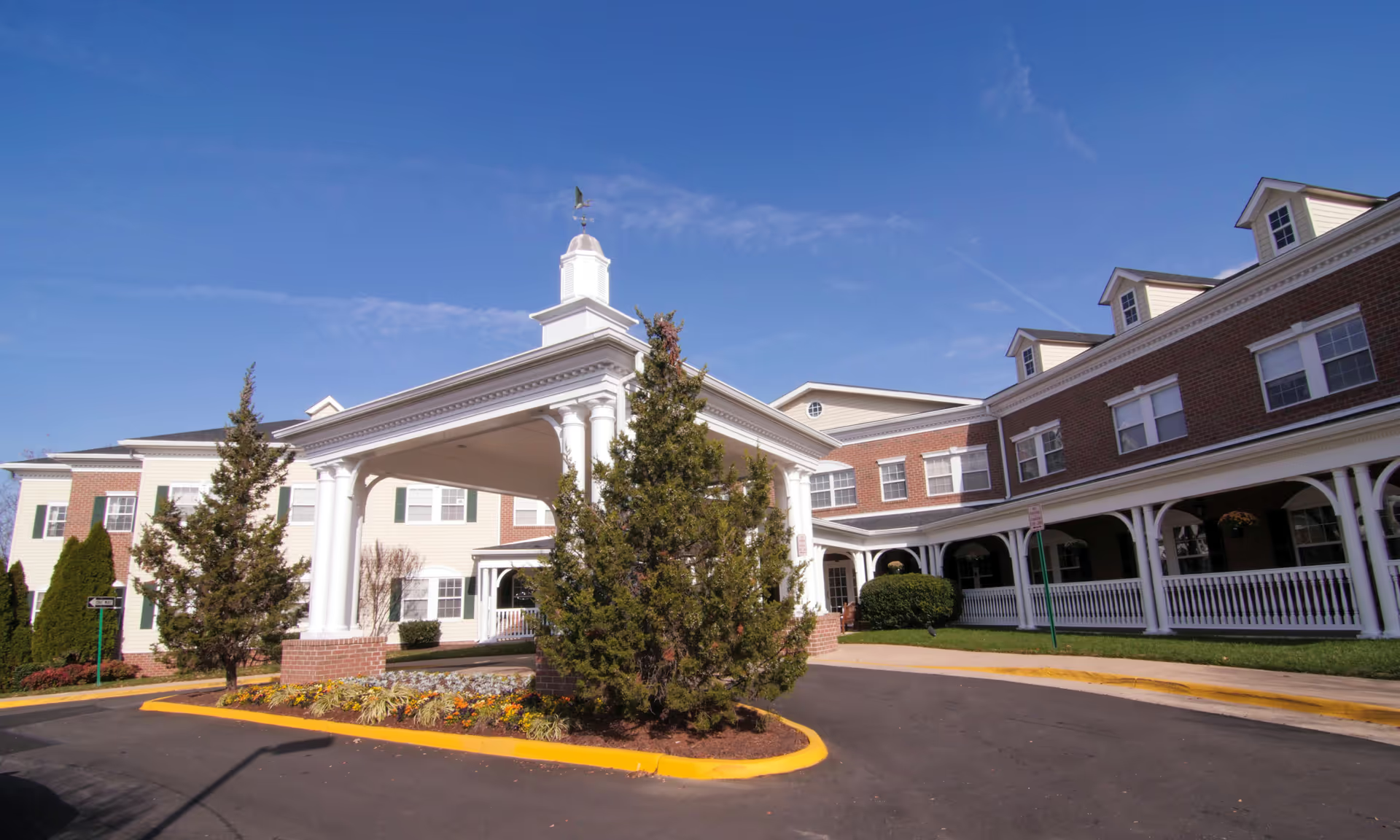
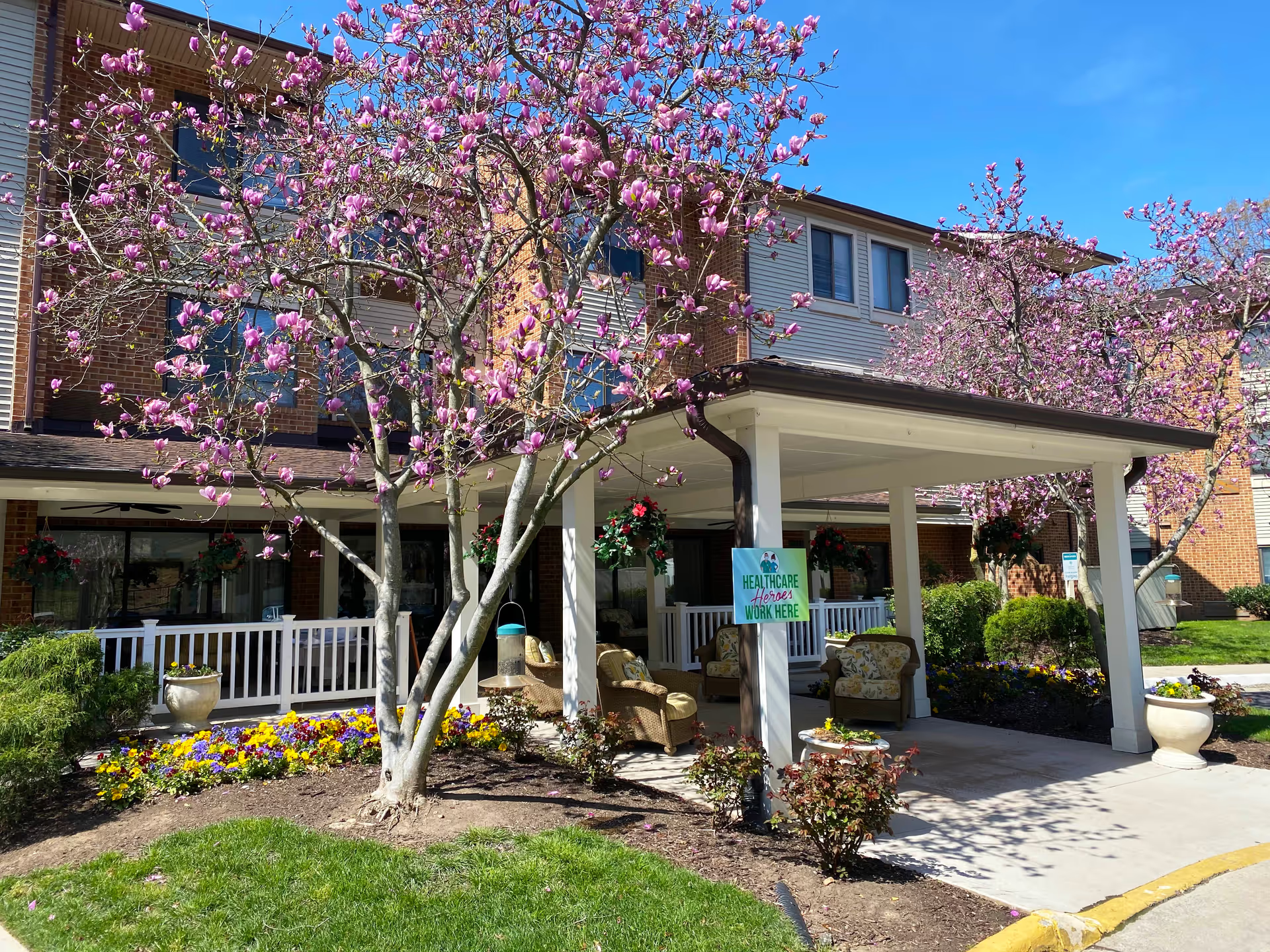
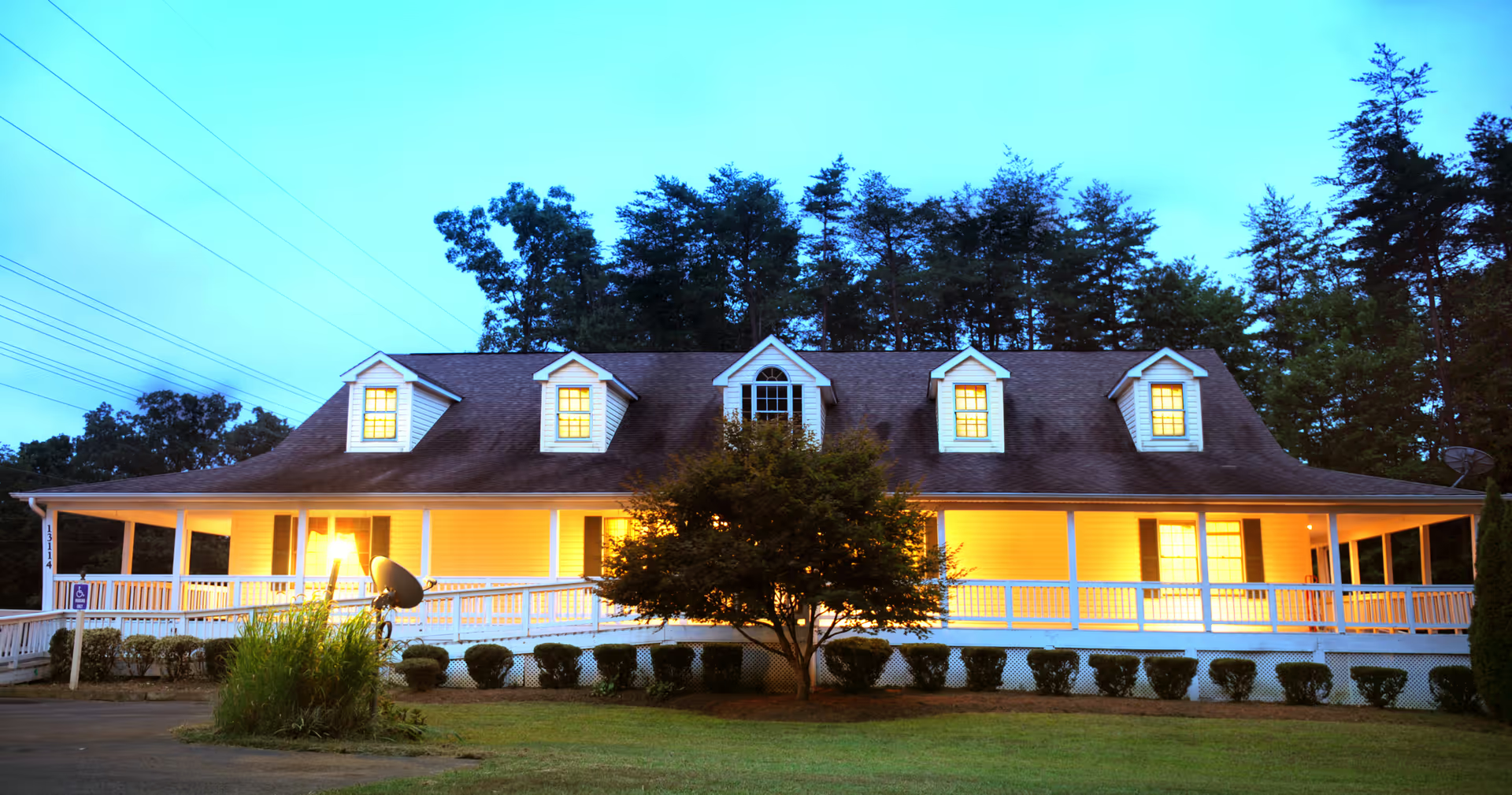
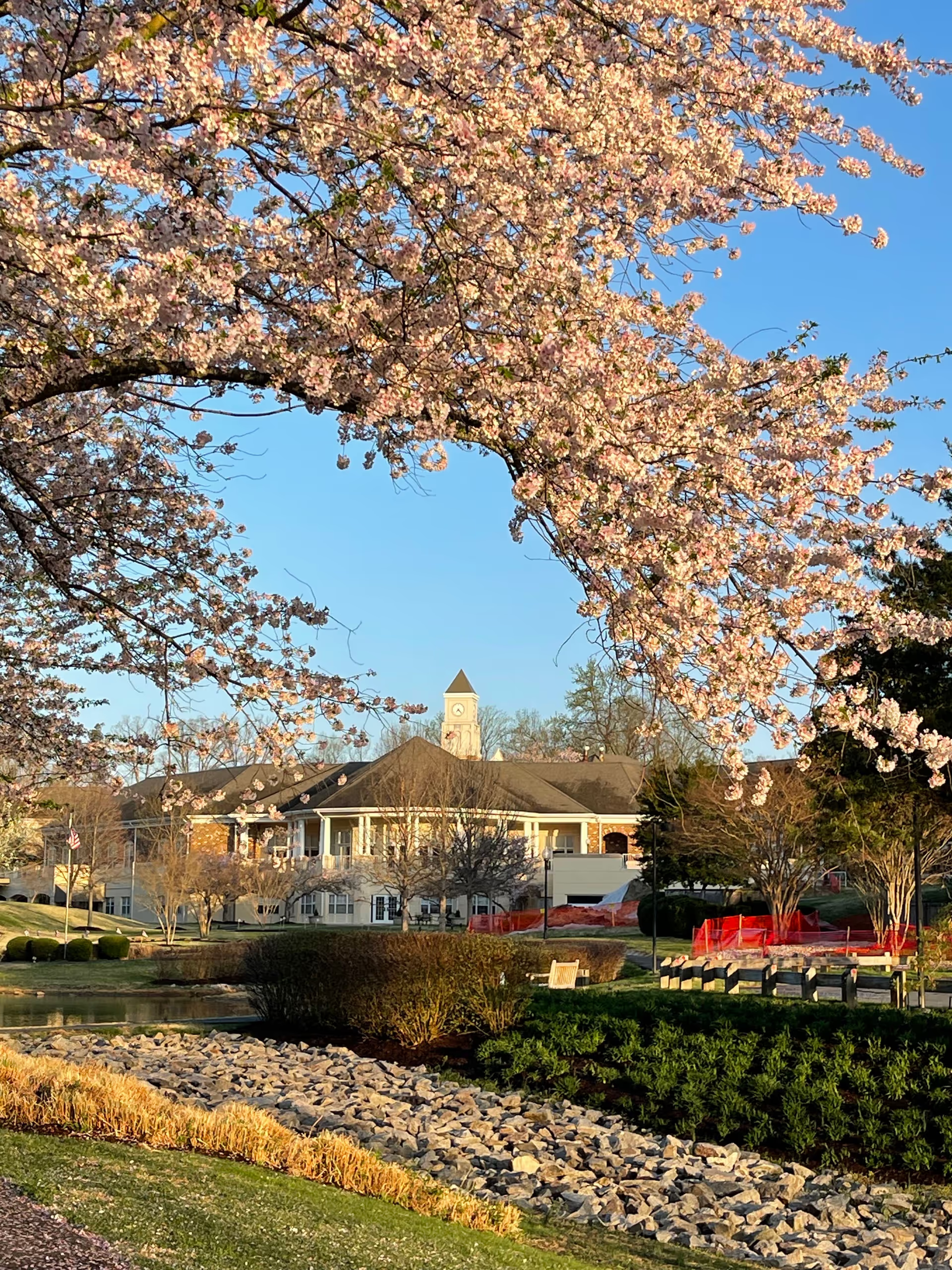
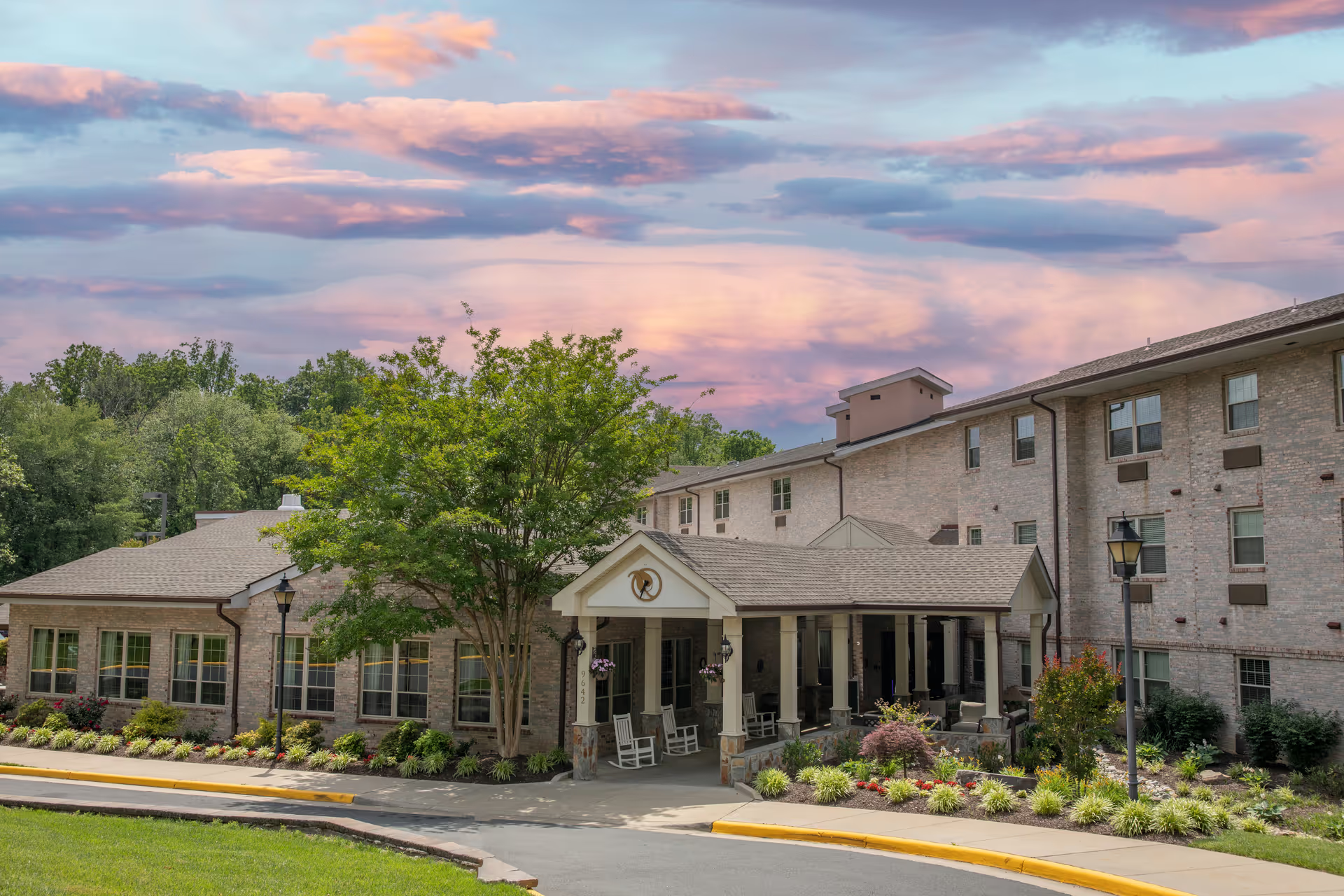
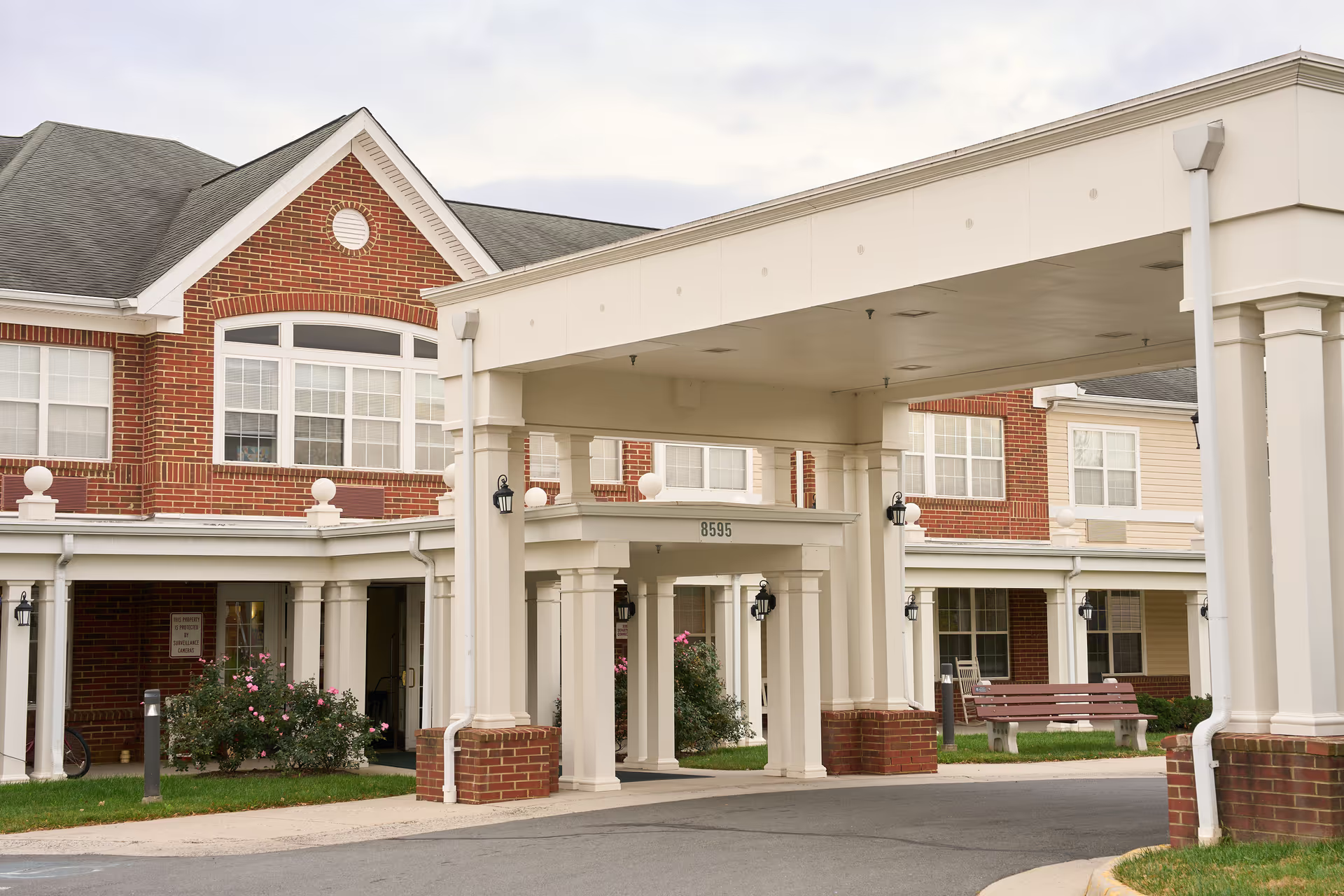
Tribute at the Glen elicits strongly polarized impressions. Many families and visitors highlight the facility’s modern, hotel-like physical environment: bright, spacious apartments, plentiful natural light, attractive common areas, outdoor walking paths and accessible design features. Housekeeping and facility maintenance are frequently praised, and responsive maintenance and concierge-style service are cited as routine strengths. The community’s physical amenities and layout support socialization and a busy activity calendar.
Staff performance is a consistent theme with both strong positives and notable weaknesses. Numerous accounts describe compassionate, respectful caregiving staff who know residents by name, an active and visible activity team (including a praised activity director), and front-line employees who create a warm, family-like atmosphere. At the same time, reviewers describe uneven clinical performance: high caregiver turnover, variable attentiveness during nights and shift changes, and concerns about staff conduct and morale that sometimes affect resident experience. Several comments point to strengths in the memory-care unit, while others note inconsistent staffing that can undermine continuity of care.
Clinical and safety-related concerns appear in multiple areas. Families describe inconsistent medication administration and communication lapses between nursing staff and family members. There are recurrent references to delays in responding to incontinence-care needs and to sanitation or odor concerns in some common areas—issues that reflect operational gaps rather than facility design. Reports about falls, injuries, and general safety oversight suggest opportunities to strengthen transfer and fall-prevention protocols and staff training. There are also isolated mentions of pest-control concerns and of problems with room readiness and move-in coordination that indicate variability in operational execution.
Dining and activities are frequently cited as major positives. Many reviewers praise chef-prepared meals, generous portions, elegant dining rooms and holiday or special-event menus; others describe a decline in food quality after staff changes or find the culinary style too institutional for personal taste. The activity program is a clear strength for social engagement—regular entertainment, cultural experiences, outings and family-inclusive events are cited as key contributors to resident well-being.
Management and communication present a mixed picture. Several families report proactive, accessible leadership that holds regular calls with families and responds quickly to issues; others describe frequent leadership changes, administrators who are less approachable, and inconsistent follow-through on concerns. These leadership and communication inconsistencies appear correlated with staff morale and with variations in day-to-day care quality. Cost is another recurring theme: many acknowledge that the facility provides convenience and value compared with private in-home care, while other families perceive the pricing as high relative to the level of care they experienced.
Overall, Tribute at the Glen offers a strong physical environment, an active programming calendar, and many examples of attentive, compassionate staff. However, the facility also shows operational vulnerabilities—most notably inconsistent clinical practices, staff turnover, variable leadership availability, and episodic sanitation and safety issues—that prospective residents and families should evaluate carefully. For families considering Tribute, on-site discussions should include specifics about staffing levels and turnover, medication and incontinence-care protocols, fall-prevention and safety measures, dining continuity, and the current leadership’s plan to address any operational gaps. Touring during different shifts and speaking directly with nursing leadership and current families can help clarify whether the community’s strengths are consistently sustained in day-to-day care.