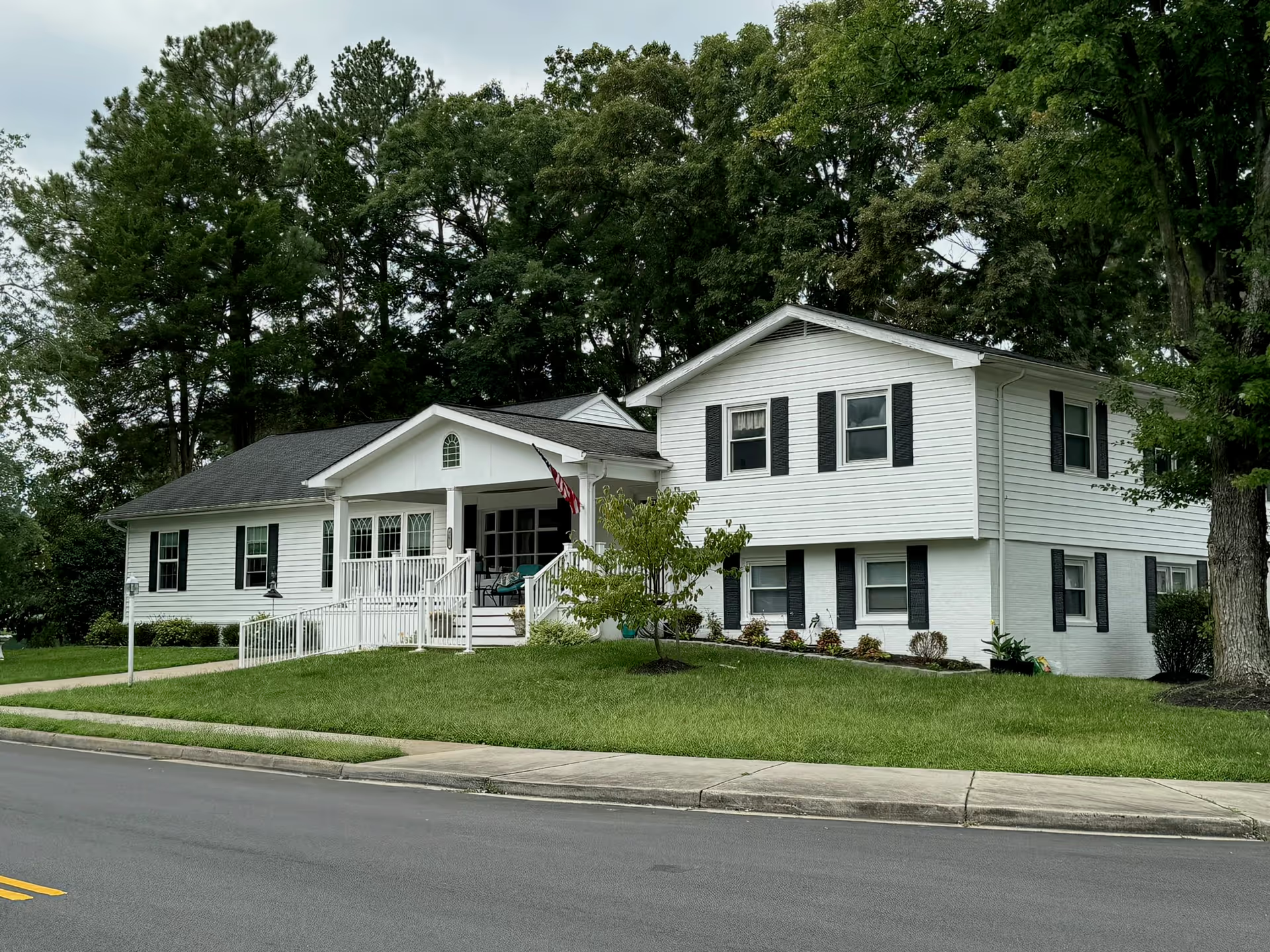
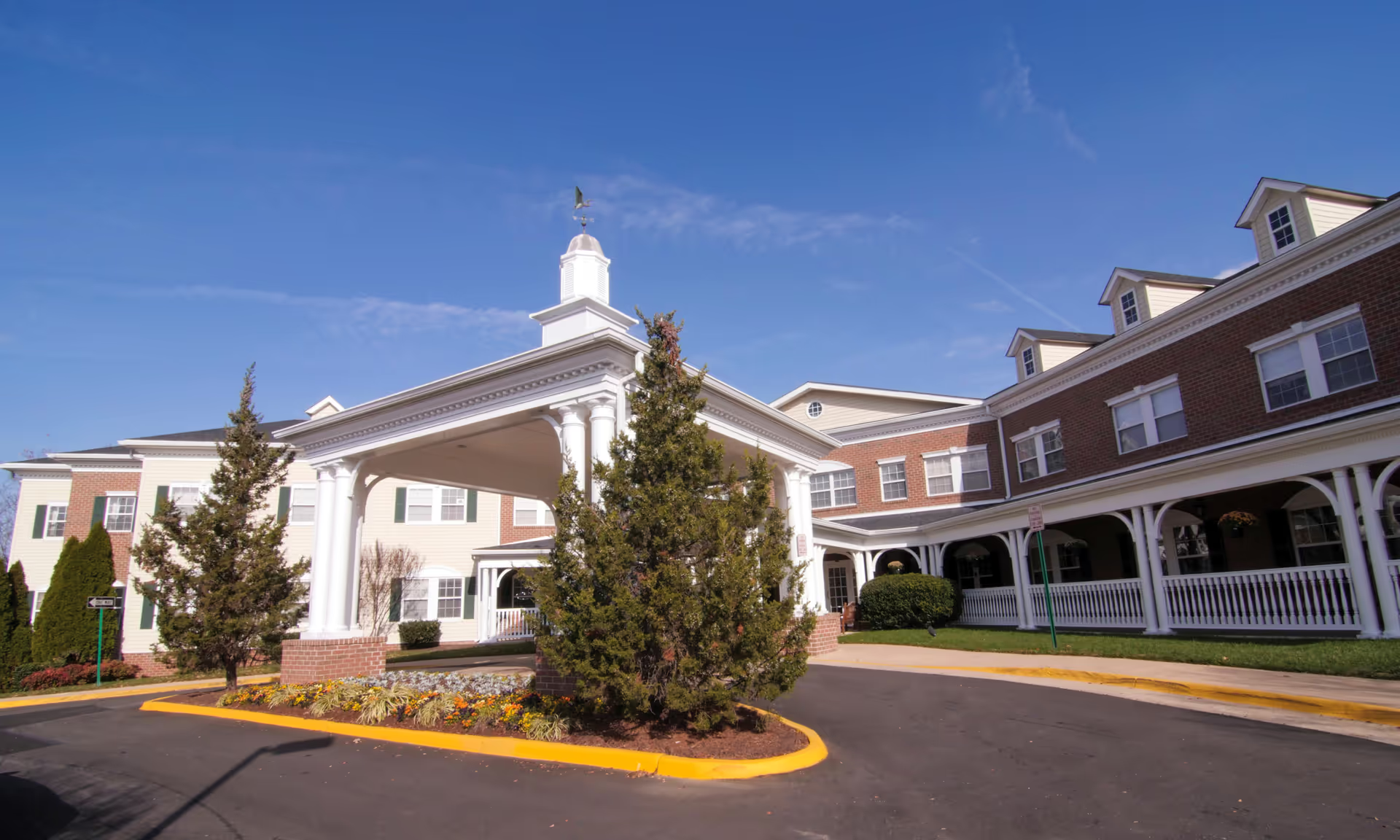
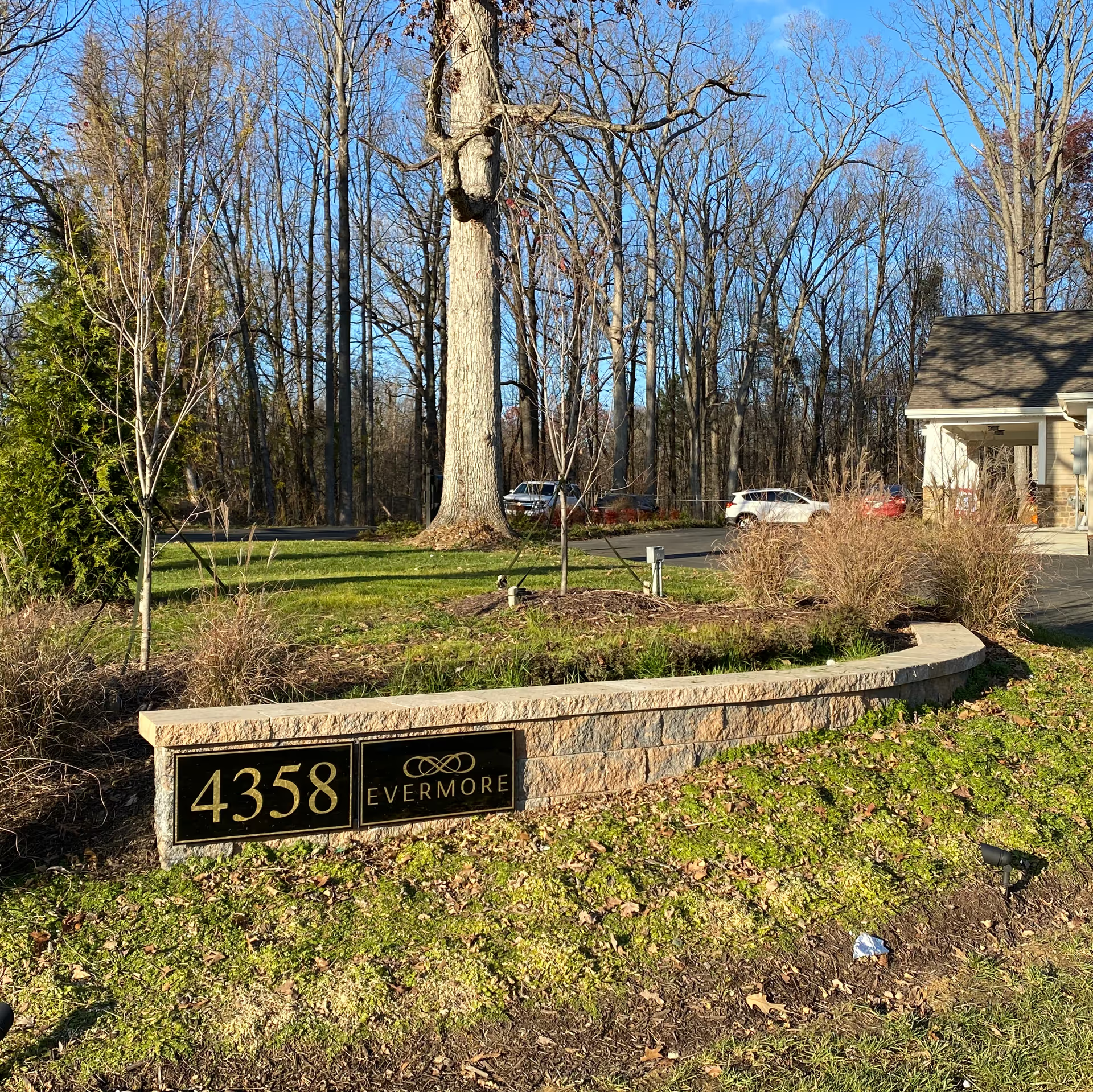
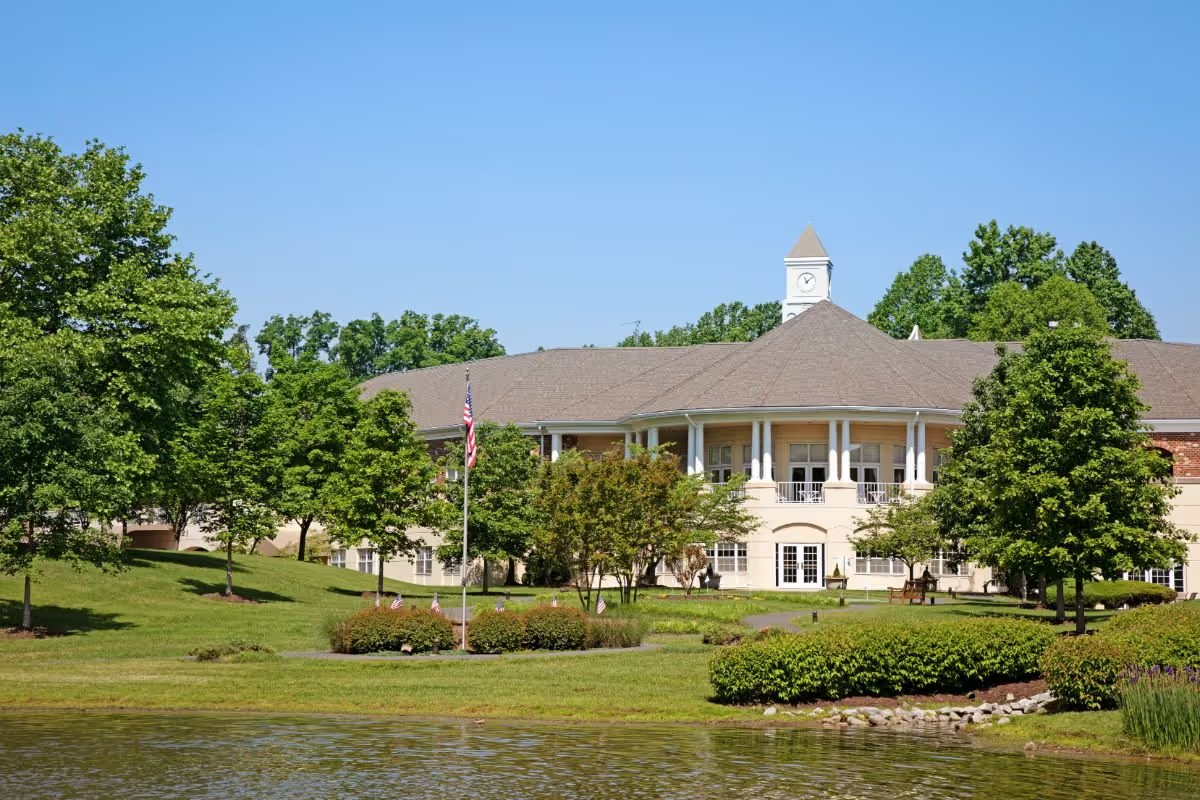
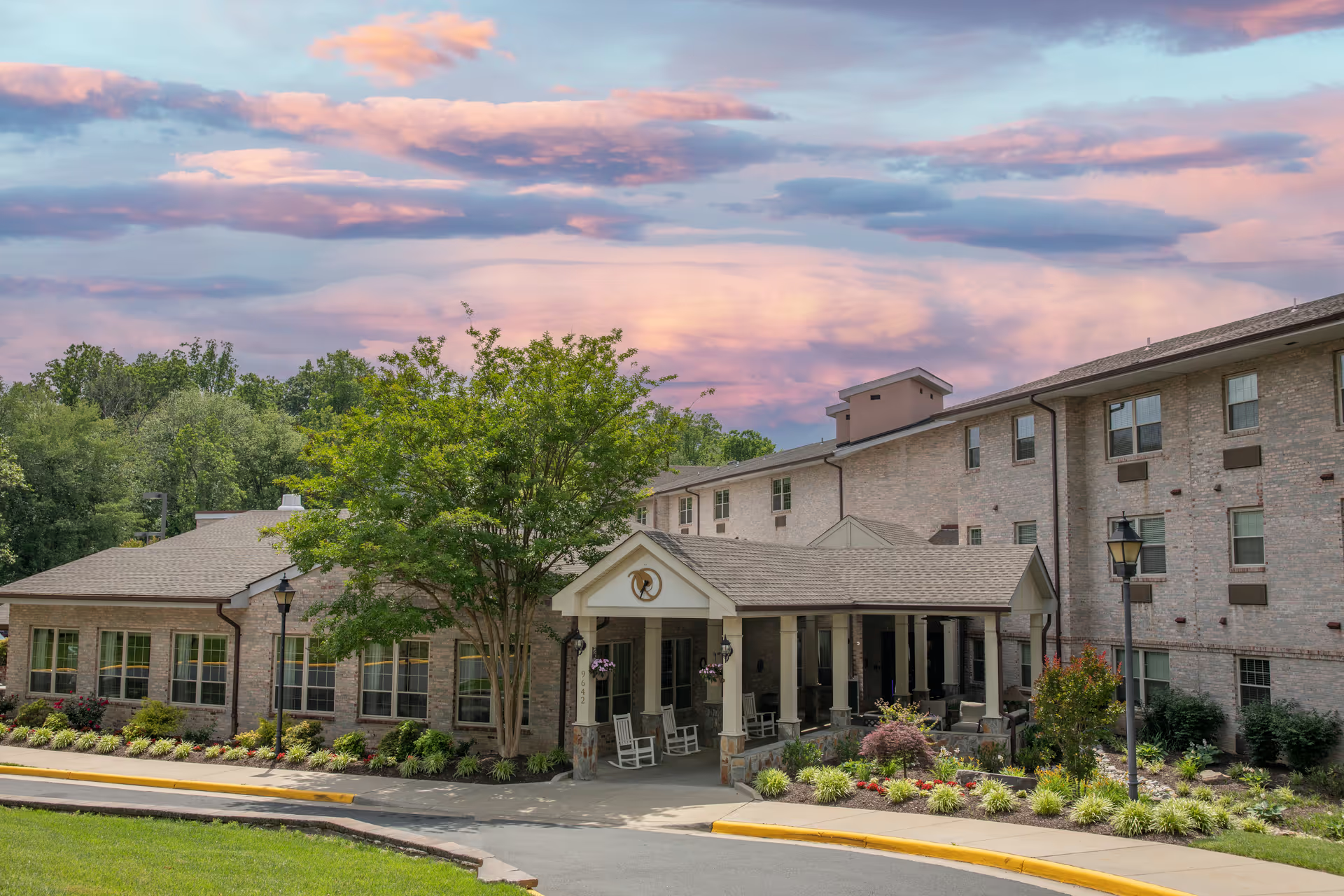
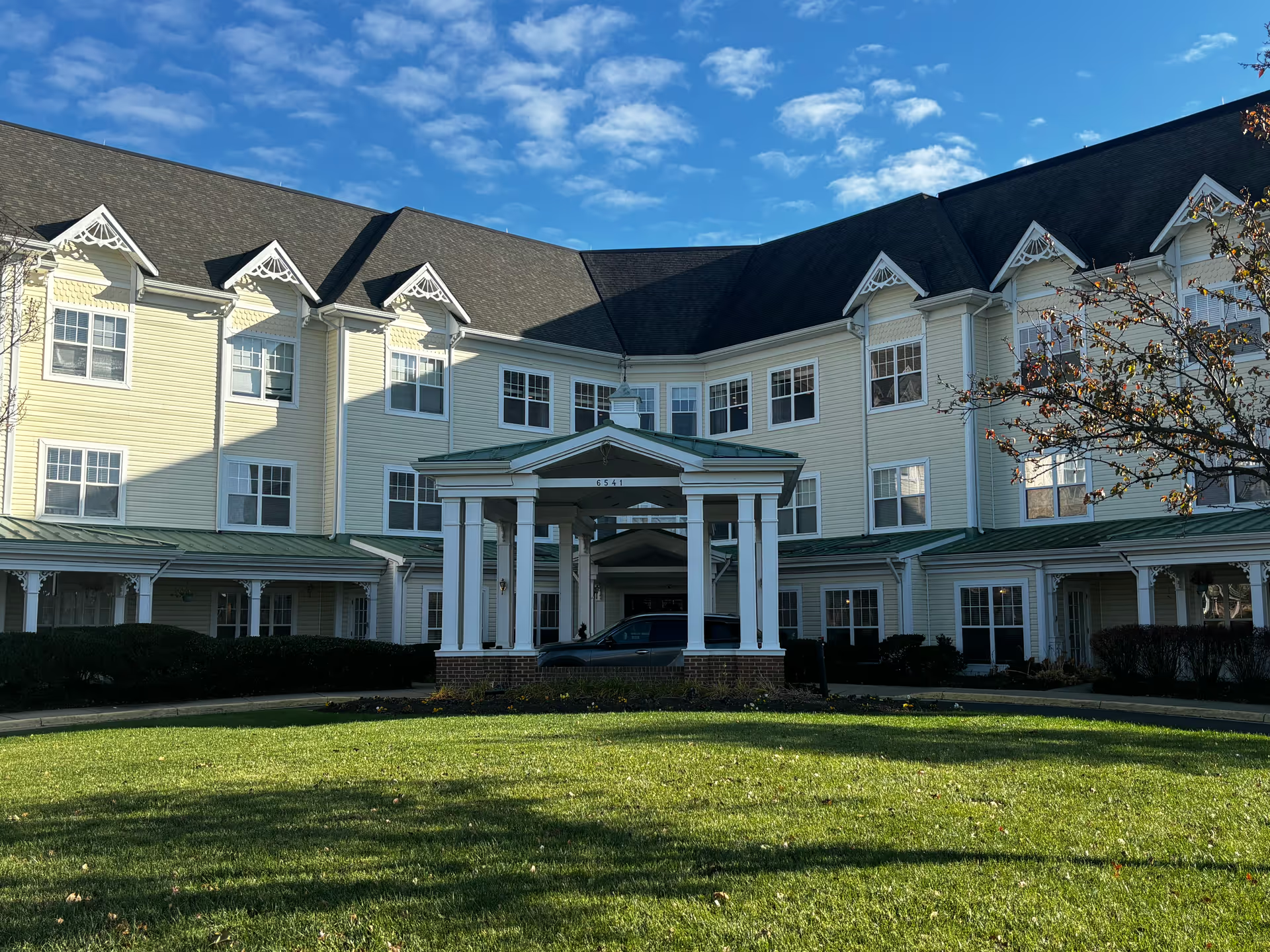
Potomac Place presents as an attractively maintained assisted-living and memory-care community with a broad set of amenities and an active social program. Review content consistently highlights an appealing public environment: a large open lobby, nicely decorated dining rooms, outdoor patios set in a wooded landscape, on-site salon/barber services, and a range of apartment sizes from studio alcoves to two-room suites. Many families praised the facility’s appearance, housekeeping schedule (weekly housekeeping and linen service), and the availability of private-dining or meals-in-apartment options.
Staff and clinical services are a notable strength for many residents: reviewers frequently describe welcoming, respectful, and engaged caregivers. The community offers on-site clinical resources such as RN coverage, visiting physicians, rehabilitation/therapy services, and 24-hour nursing coverage in certain units. Admissions and tour personnel receive positive mentions for being informative and responsive. These operational elements support a number of positive outcomes cited in reviews, including quick nurse contact when needed and active participation in programming by many residents.
At the same time, a pattern of operational inconsistencies emerges in the reviews. Families reported variability in administrative stability and follow-through; several comments point to frequent staff and management turnover, which reviewers linked to lapses in execution. Practical consequences described include inconsistent personal-care scheduling (bathing and room cleaning), gaps in housekeeping and maintenance visibility, and uneven medication-administration practices. There are also specific concerns about the memory-care environment: the floor-plan and mixed-residence layout were described as providing limited separation for memory-care needs, and some families expressed diminished confidence in that program.
Dining and activities are overall strengths, but with variability. Many reviewers praised restaurant-style dining, varied menus, salad-bar options, and plentiful snacks; others reported occasional issues with taste or meal temperature. The activities program is robust, offering bingo, arts and crafts, day trips, movies, church access, and social hours, which supports resident engagement and an active lifestyle for many occupants.
Logistics and cost considerations are mixed. The campus has useful on-site services (salon, therapy room, shuttle), but the older building design leads to some constraints—narrow corridors and a subset of apartment floorplans that reviewers found small or awkward. Transportation to external medical appointments and public-transit limitations were noted as practical barriers for some families. Pricing impressions diverge: some reviewers consider the community expensive and cite additional service fees (phone, cable, laundry, extras), while others find it competitively priced and good value.
For prospective residents and families, the salient pattern is a strong physical campus and lively programming paired with operational variability in staffing, clinical follow-up, and some memory-care processes. Those evaluating Potomac Place should verify current staffing stability, request written details about medication and personal-care schedules, clarify memory-care unit layout and oversight, and confirm fee structures and transportation options. Visiting at different times of day (meal times, activity periods, and shift changes) can help assess consistency of care and housekeeping in practice.