Feedback about this facility is notably mixed: many accounts describe high-quality, person-centered care and strong rehabilitation outcomes, while other accounts raise operational and clinical-safety concerns. The facility appears capable of excellent short-term and restorative care; therapy teams and several nurses and aides receive consistent praise for helping residents regain mobility, speech, and independence. Individual staff members and departments (therapy, housekeeping in renovated wings, infection-prevention leadership, and admissions/reception) are frequently described as compassionate, professional, and effective.
Care quality and clinical safety present a polarized picture. Positive experiences emphasize attentive nursing, effective PT/OT services, frequent physician engagement, and personalized care plans. Conversely, several narratives indicate gaps in clinical practices — examples include delayed responses to acute events, concerns about device and wound management, and medication-administration or monitoring problems. These accounts suggest variability in clinical oversight that may affect higher-acuity residents.
Staffing and day-to-day responsiveness are recurring themes. Praise centers on warm, respectful caregiving and staff who ‘‘go the extra mile,’’ while criticisms focus on inconsistent staffing levels, slow call-bell responses, delayed assistance with bathing and toileting, and variable competence across shifts. Communication with families is likewise uneven: timely, clear updates are mentioned in positive accounts, whereas other families describe slow health-information flow and delays obtaining medical records.
Dining and activities are strengths for many residents. The activities program is described as engaging and varied, contributing to a sense of community. Meals are often noted as plentiful and adaptable to dietary needs, though a pattern of inconsistent meal timing and temperature appears in some reports.
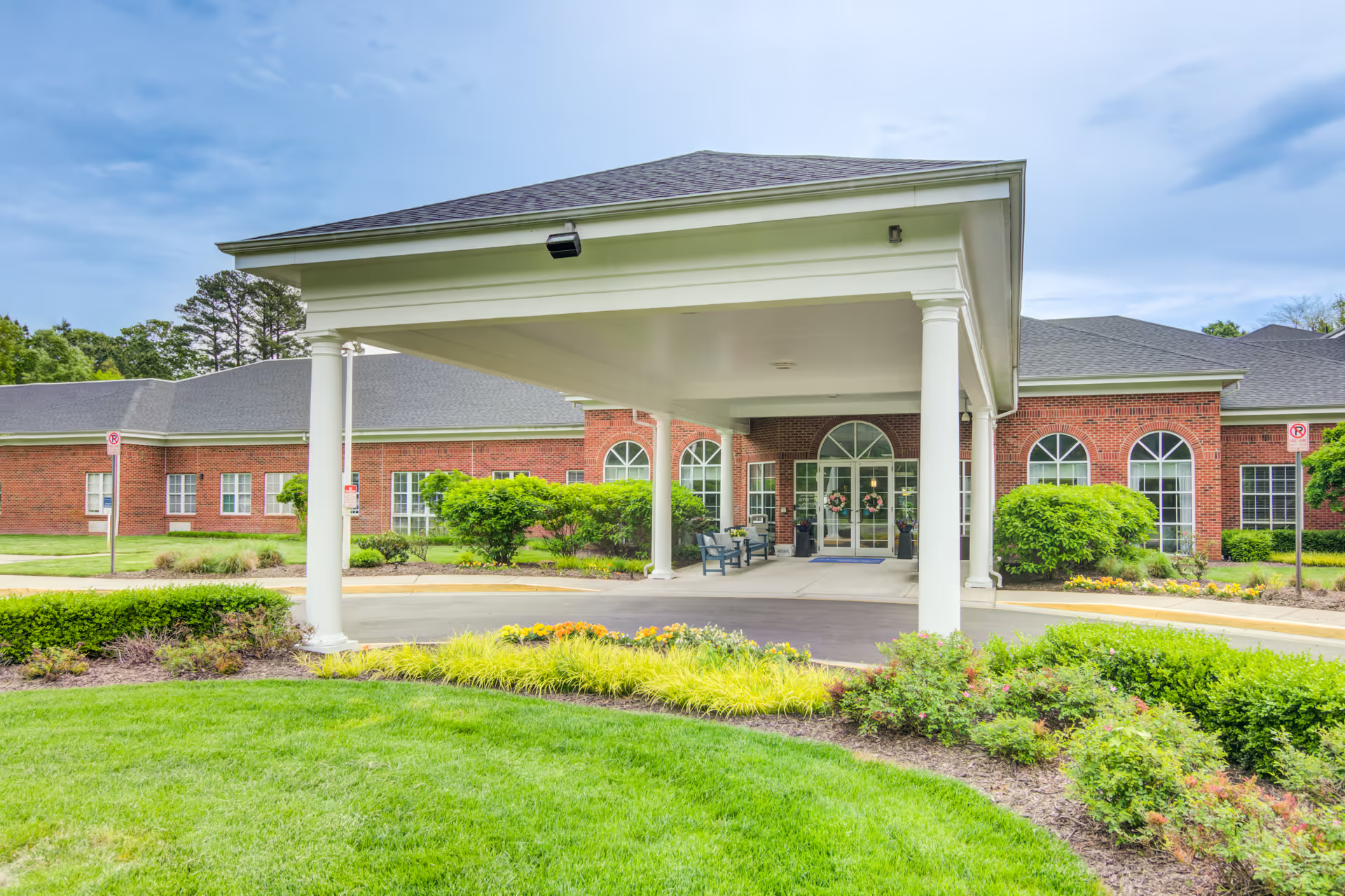
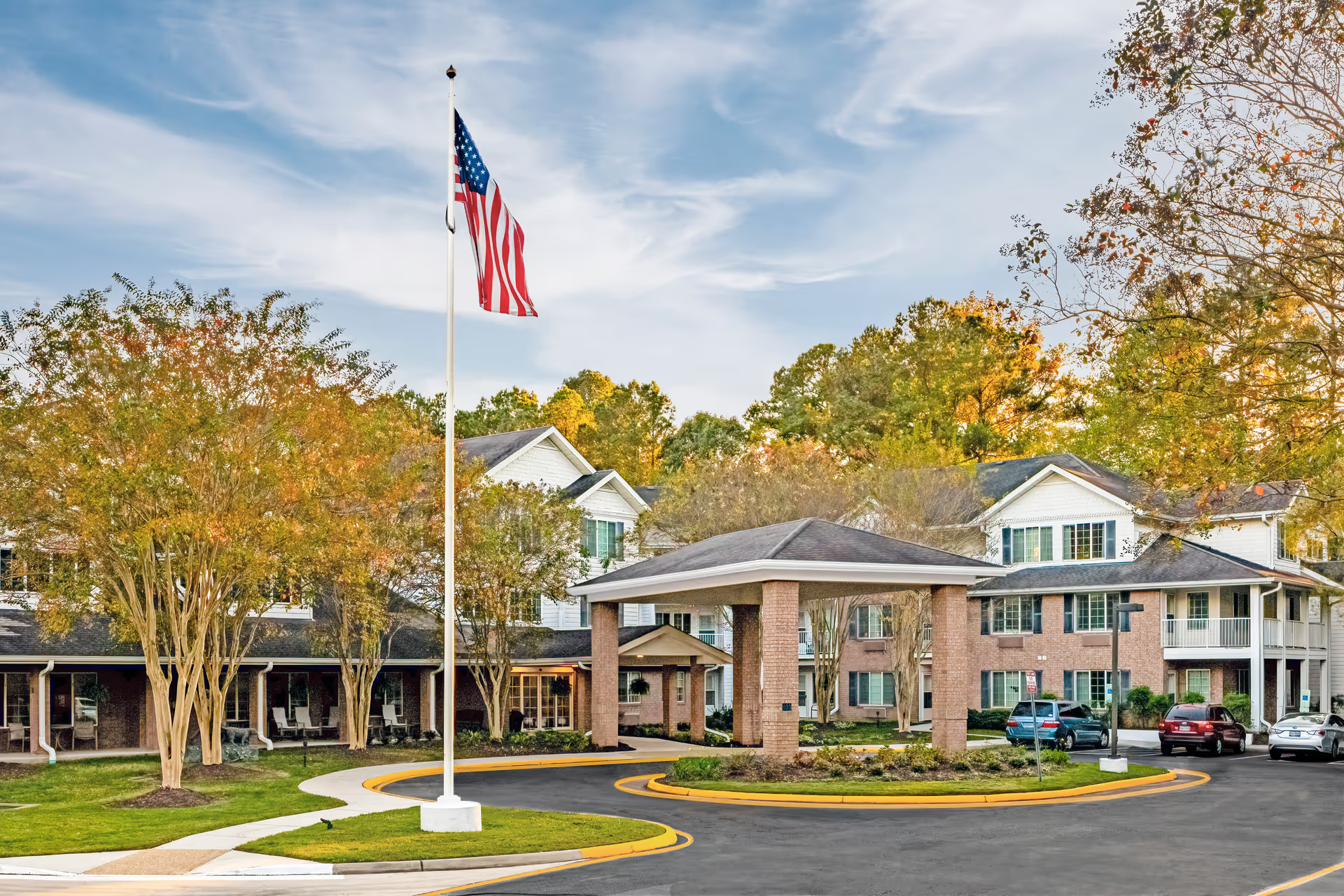
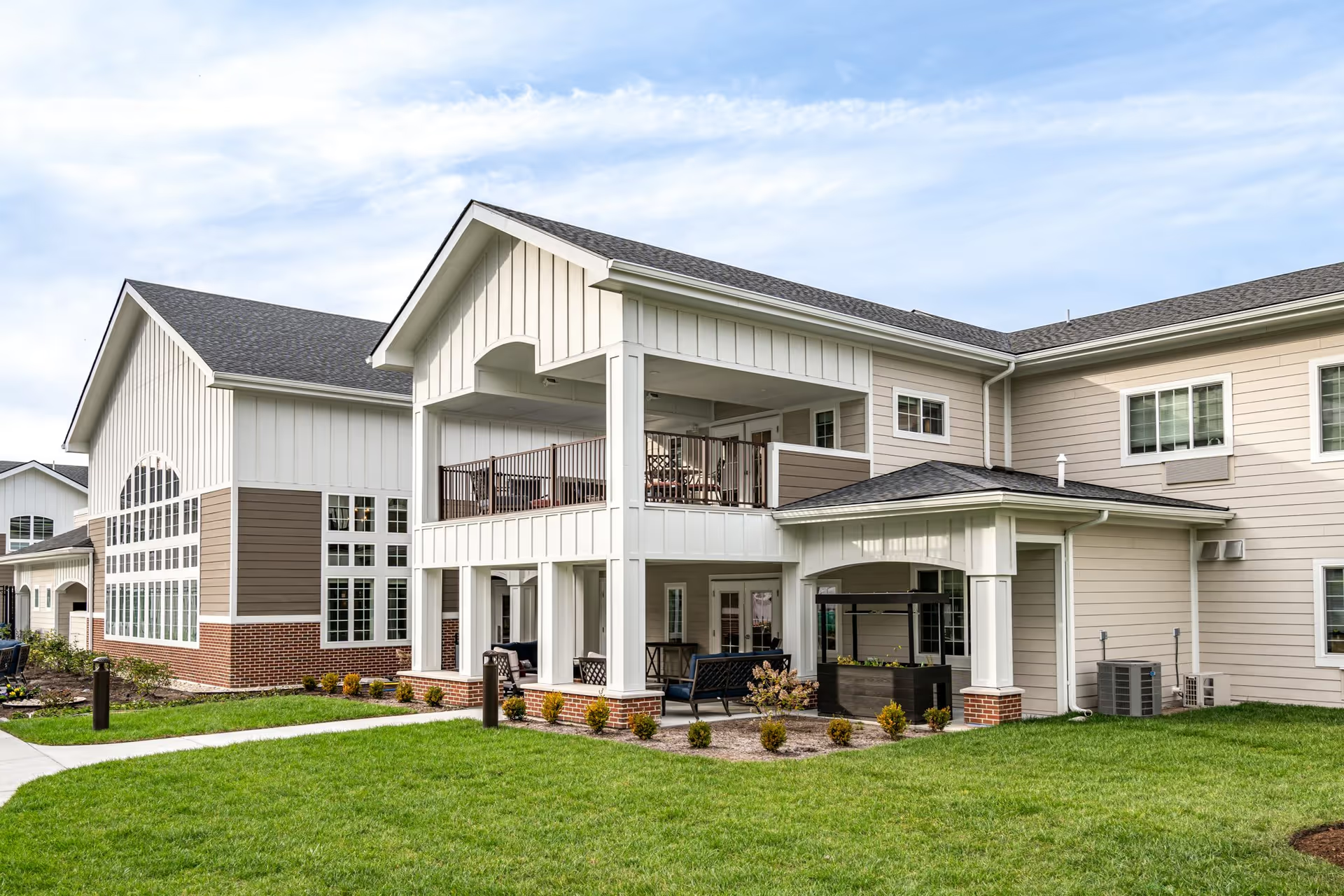
Facility condition and operations show contrast between renovated and older areas. Renovated wings, attractive interiors, and views are frequently praised, as is effective housekeeping in those areas. At the same time, other units are described as needing maintenance attention (lighting, paint, fixtures) and there are sanitation and pest-control concerns referenced in some accounts. Security and property controls are another area of concern: there are allegations around missing personal items and inconsistent incident documentation that suggest a need for clearer property-management procedures.
Management and culture appear to be in transition. New leadership (administrator and director of nursing) is repeatedly credited with positive change, improved morale, and a renewed focus on resident-centered care. Nevertheless, some accounts describe prior managerial shortcomings and a perceived emphasis on billing or admissions over bedside care. This suggests the facility may be improving but still working through legacy operational issues.
Overall, prospective residents and families will find clear strengths in rehabilitation, engaged activities, and dedicated caregiving staff. At the same time, they should assess unit-level staffing patterns, clinical oversight for higher-acuity needs, sanitation and maintenance in specific areas, and procedures for property and incident reporting. Visiting in person, asking about staffing ratios, clinical protocols (including emergency response and wound/device management), and reviewing recent inspection or quality metrics will help clarify whether the facility’s current practices align with your expectations.