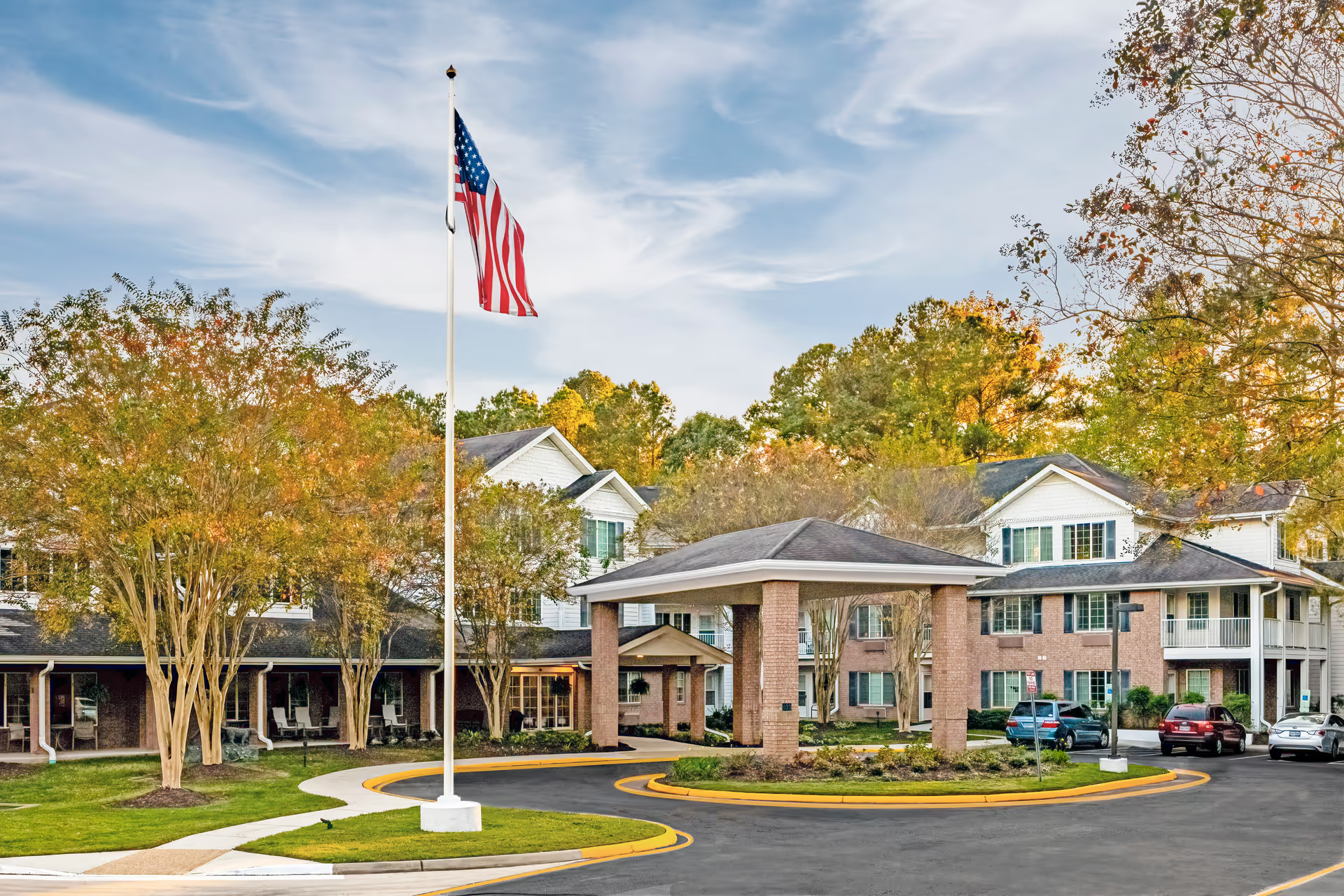
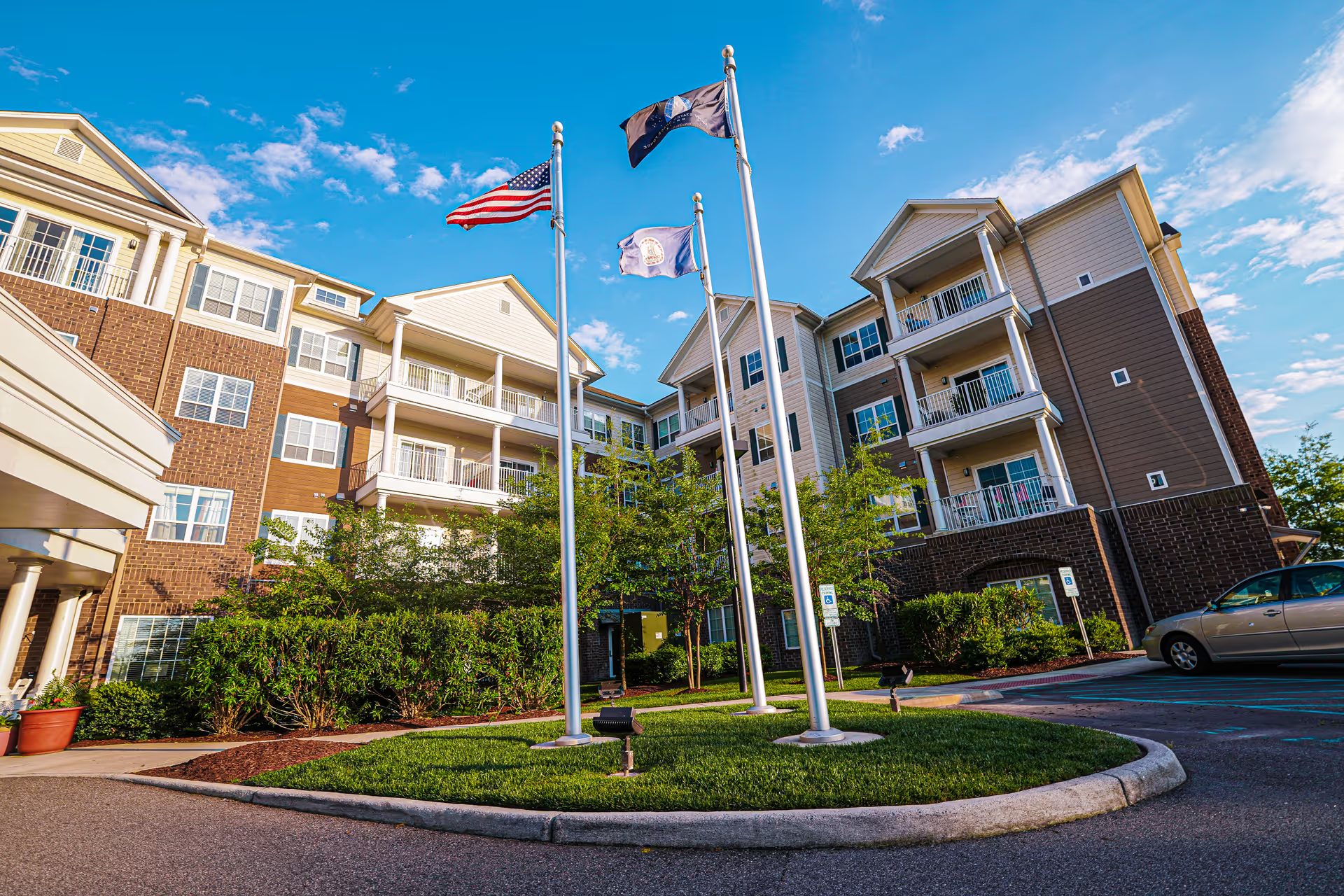
The Reserve at Greenbrier presents as an active independent-living community with several clear strengths. Many reviewers praise the staff — from the executive and sales directors through reception and maintenance — for being compassionate, accessible and customer-service oriented. The community offers a broad activity calendar (exercise classes, music, games, resident-sponsored meals and social clubs), an active lifestyle director, on-site physical therapy and transportation/shuttle options that support residents’ social engagement and access to local services. Apartments are described as spacious with multiple floor-plan options, in-unit laundry and full kitchens; the grounds and courtyard areas, including water features and gardens, are frequently cited as well-kept and attractive. The community's high occupancy and waiting list in some comments suggest steady demand.
Care and daily living: As an independent-living property, The Reserve does not provide regular meal service or assisted-living clinical care; prospective residents should plan for self-catering or external meal support. Families and residents consistently note helpfulness and empathetic interactions from staff, assistance with transitions and move-in support, and a generally safe, social environment. Several reviewers highlighted improved quality of life for residents who move in and ongoing programming that promotes engagement and mobility.
Facilities and operations: The property offers many desirable physical attributes — varied apartment layouts, landscaped common areas, clubhouse spaces and accessible location near shopping. However, reviewers also describe operational weaknesses that affect long-term livability. Recurrent themes include moisture and mold management issues, pest-control concerns, and variable sanitation in some hallways and service areas. Elevator reliability and intermittent maintenance delays were reported, affecting accessibility for residents with mobility limitations. While many reviewers cite prompt maintenance responses, others describe inconsistent timeliness and follow-through; this variability points to uneven operational reliability.
Management and governance: Commenters express mixed impressions of leadership. Numerous accounts applaud specific staff members and the sales/concierge teams for personalized service and responsiveness. At the same time, several accounts raise significant concerns about management transparency, communication around construction or relocation, dispute resolution, and perceived cost-conscious decisionmaking. A subset of reviews includes serious allegations involving environmental health and regulatory issues; these items warrant independent verification (licensing status, remediation records, and any regulatory findings) before making a placement decision.
Dining, activities and resident life: The community is active and program-rich for independent residents, with regular exercise classes, social events, and resident-driven activities. The absence of on-site meal service is an operational characteristic rather than a deficiency for those seeking independent living, but it is a material consideration for families expecting integrated dining. Transportation and shuttle services are available, though reviewers note variability in accessibility for larger group transports.
Guidance for prospective residents and families: The Reserve at Greenbrier offers many strengths typical of an engaging independent-living community: robust programming, capable frontline staff, attractive grounds and flexible apartment options. At the same time, there are recurring operational concerns — notably environmental moisture/mold control, pest-control, elevator and maintenance reliability, and governance/communication practices — that are significant for resident safety and comfort. Prospective residents should tour multiple unit types, ask for documentation of recent remediation or pest-control measures, request maintenance and elevator service records, clarify the community’s policy on rent increases and relocation during renovations, and verify current licensing and any outstanding regulatory actions. Obtaining written commitments on remediation timelines and escalation paths for unresolved issues will help families weigh whether the community’s strong social and service attributes align with their safety and care priorities.