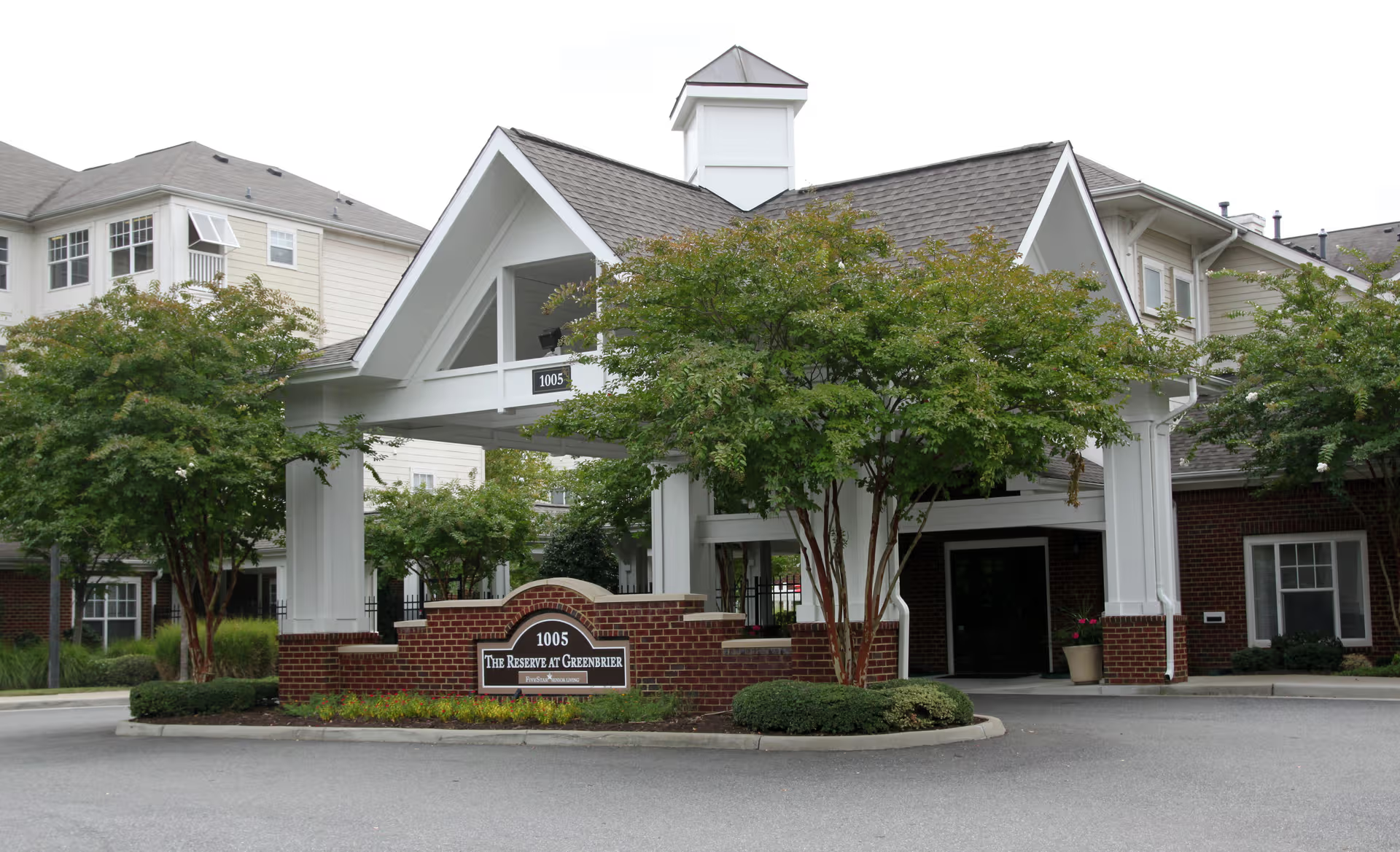
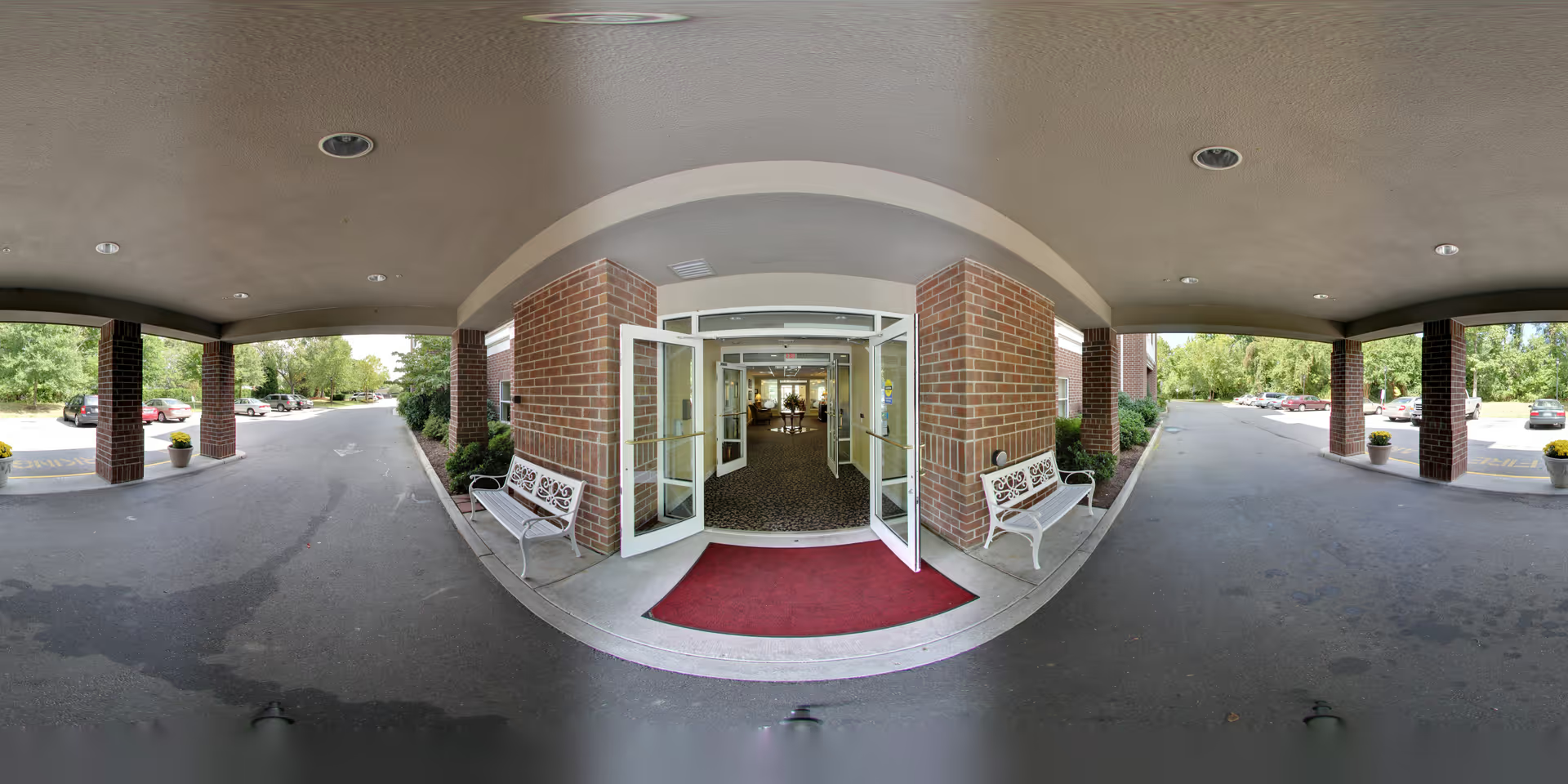
Commonwealth Senior Living at Leigh Hall presents a mixed but largely positive profile. Many families and visitors described an environment that is bright, hotel‑like and well maintained, with a central atrium that provides natural light and social visibility. Rooms are generally described as spacious and comfortable, with some units offering kitchenettes and private bathrooms. The community’s location — close to a hospital and local shopping — and available transportation for church and errands are appreciated by residents and families.
Staff and day‑to‑day care receive frequent praise: reviewers commonly highlight compassionate, attentive employees who know residents by name, a sense of continuity from long‑tenured staff, and a favorable staff‑to‑resident ratio in many shifts. Several accounts emphasize strong hands‑on support during move‑ins and transitions, and quick response in emergency situations. The community’s memory‑care programming and therapy/rehab services are also noted as strengths; families reported meaningful improvements in mobility and engagement for some residents.
Dining and activities are important points of contrast. A number of reviewers praised the culinary approach — farm‑to‑table emphasis, a strong chef, and varied menus — and enjoyed social dining in an attractive dining room. Others described inconsistencies in meal delivery (temperature and preparation) and occasional declines in menu variety. Activity programming overall is robust, including dementia‑focused options, church choir, book clubs and regular social events; engagement levels appear high for many residents, though a few families found particular activities less appealing for their loved ones.
Operationally, several patterns deserve attention. Multiple families raised concerns about inconsistencies in personal‑care practices and incontinence care, and some described care tasks that did not align with expectations set during intake. There are repeated comments about staffing shortages or limited clinical coverage at times, which link to other issues such as variability in timely attention and the need for clearer clinical oversight. Management and complaint handling also drew mixed assessments: some reviewers praised responsive leadership, while others described dismissive communication and unresolved concerns. Billing transparency and nonrefundable payment policies were specifically called out as an area of friction in a few accounts.
The physical plant is a strength in many respects — clean, bright common areas and an attractive lobby — but the building’s age and ongoing renovations were noted as constraints. Reviewers mentioned intermittent maintenance or service interruptions (including nighttime cleaning or laundry schedules that disturbed residents) and occasional delays in fixing room issues. Taken together, the pattern suggests a community with solid core strengths in staffing continuity, engagement programming and atmosphere, paired with operational variability in clinical coverage, personal‑care practices, meal consistency and management follow‑through.
For prospective residents and families: the facility offers notable advantages in environment, engagement and some aspects of care, but it is prudent to clarify expectations up front. Recommended pre‑move steps include asking for specifics about clinical staffing levels and supervision, written examples of bathing and incontinence‑care protocols, meal‑service timing and temperature controls, and detailed billing/cancellation terms. Visiting during different times of day and speaking with families in both assisted‑living and memory‑care areas can help gauge whether the facility’s operational patterns match your loved one’s needs.