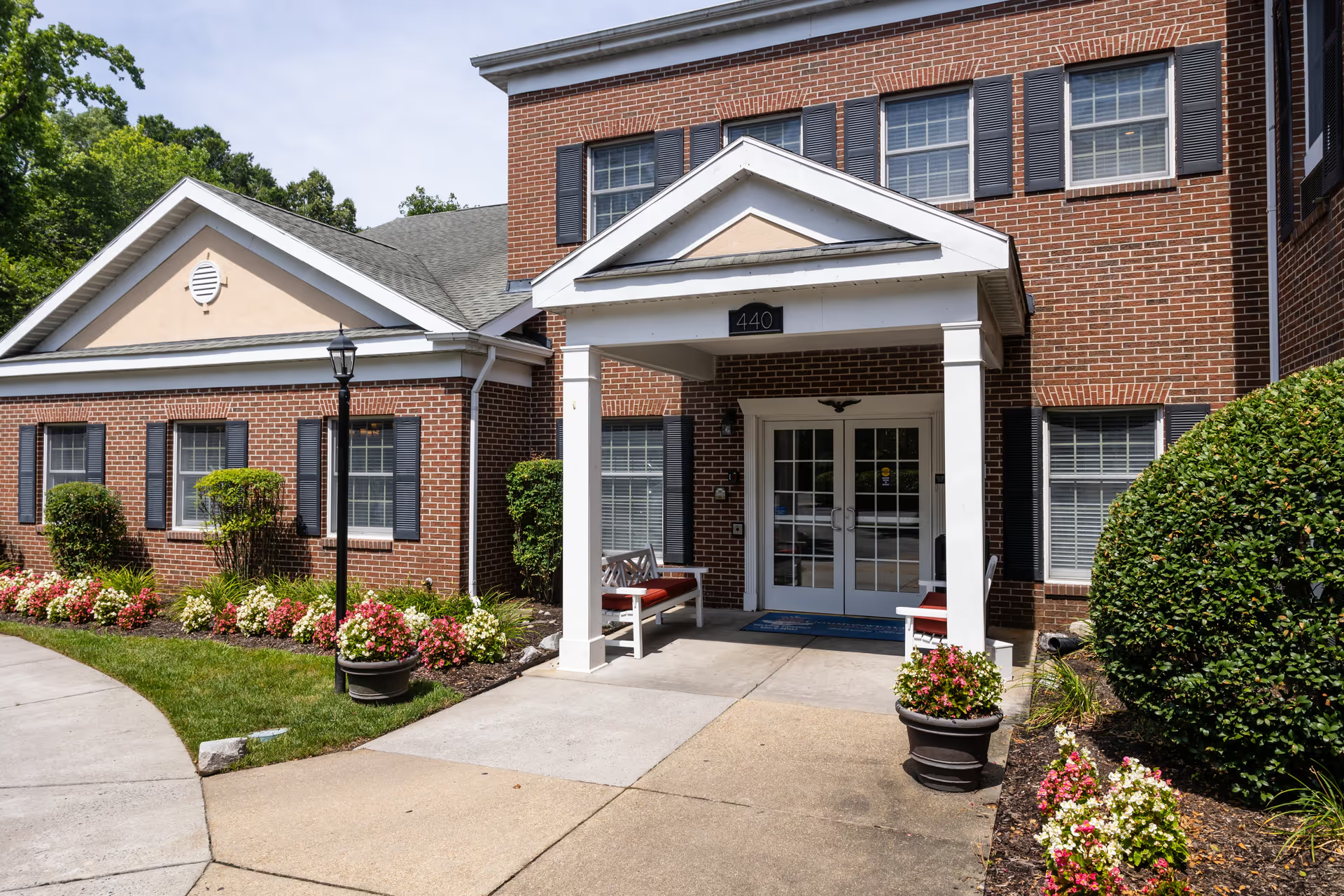
Bay Lake Retirement and Assisted Living Community presents as an upscale, well-maintained campus with a wide range of lifestyle programming and hospitality-oriented amenities. Many families and visitors praise the facility’s renovated apartments, attractive common areas, open-air terraces and convenient Chesapeake Bay location. Dining is frequently described as restaurant-style under an executive chef, and housekeeping and maintenance are often characterized as responsive and thorough. The community’s life-enrichment program is a clear strength: scheduled classes, themed events, frequent outings, and an educational RUI University offering create ample social and cognitive engagement for active residents.
Clinical and day-to-day care impressions are mixed. Numerous accounts highlight compassionate, attentive caregiving, an on-site therapy team, nursing oversight, and positive outcomes such as improved mobility and engagement after admission. At the same time, a pattern of operational concerns appears in several areas: staffing stability (turnover and burnout), uneven staff-to-resident ratios during some shifts, and inconsistent assistance with activities of daily living and grooming. These gaps have, in some reports, affected morning care routines and continuity of supervised care. Memory-care services receive particular scrutiny; while some families found the memory unit appropriate and compact, others described lapses in leadership coverage and activity programming specific to that unit.
Dining and sanitation show generally strong ratings but with notable variability. Many reviewers emphasize high-quality, appealing meals and a positive dining atmosphere; others flagged inconsistent food quality and food-safety concerns. Prospective families should inquire about menu rotation, food-safety protocols, and how the community handles kitchen or sanitation issues to understand consistency across meal services.
Management and staff culture present a split picture. Several reviewers praise helpful admissions staff, a supportive director of nursing, and on-site leadership that creates a family-like environment. Counterbalancing those accounts are remarks about leadership transitions, perceived shifts toward a more businesslike approach, weekend and after-hours leadership visibility gaps, and occasional unresponsiveness to email or billing concerns. A few reviews referenced regulatory action and an allegation of caregiver misconduct; those accounts emphasize the importance of asking about recent regulatory history, incident investigation processes, and family communication practices.
For families evaluating Bay Lake, the predominant themes are strong hospitality, varied and engaging programming, and many instances of high-quality, compassionate care — coupled with inconsistent operational elements tied to staffing, memory-care leadership, safety protocols, and occasional variability in dining and sanitation. A recommended approach is an in-person tour combined with targeted questions about current staffing ratios by shift, memory-care program leadership continuity, incident-response procedures and recent regulatory history, dining-safety protocols, and examples of how the community handles transitions or clinical incidents. These inquiries will help determine whether Bay Lake’s strengths align with a prospective resident’s clinical needs and family expectations.