Reviews present a mixed but instructive picture of Brookside Rehab & Nursing Center. The facility is consistently praised for its rehabilitation services and for individual staff members who are described as compassionate, attentive, and effective—particularly the PT/OT/Speech therapy teams and several nurses and aides. Families reported noticeable short-term clinical improvements for some residents, and communal spaces (foyer, hallways) are often described as clean and well-maintained. The memory-care unit also received positive comments regarding safety and clinical competence.
At the same time, recurring operational weaknesses emerge. Clinical nursing care is uneven: reviewers described problems with wound management, feeding-tube care, and medication handling, suggesting gaps in clinical oversight and staff training. Staffing levels and shift coverage appear inconsistent, with night coverage and overall staffing shortages cited as factors that affect responsiveness and supervision. Several accounts raise concerns about fall prevention and insufficient supervision during vulnerable periods.
Day-to-day resident support and housekeeping show variation. While communal areas were frequently described as clean, there are sanitation and odor concerns in some resident care areas and inconsistent bathing/personal-care schedules. Laundry and property-management processes appear unreliable, with instances of missing items and coordination problems at discharge. Dining received mixed feedback: some families noted small portion sizes and inconsistent meal satisfaction.
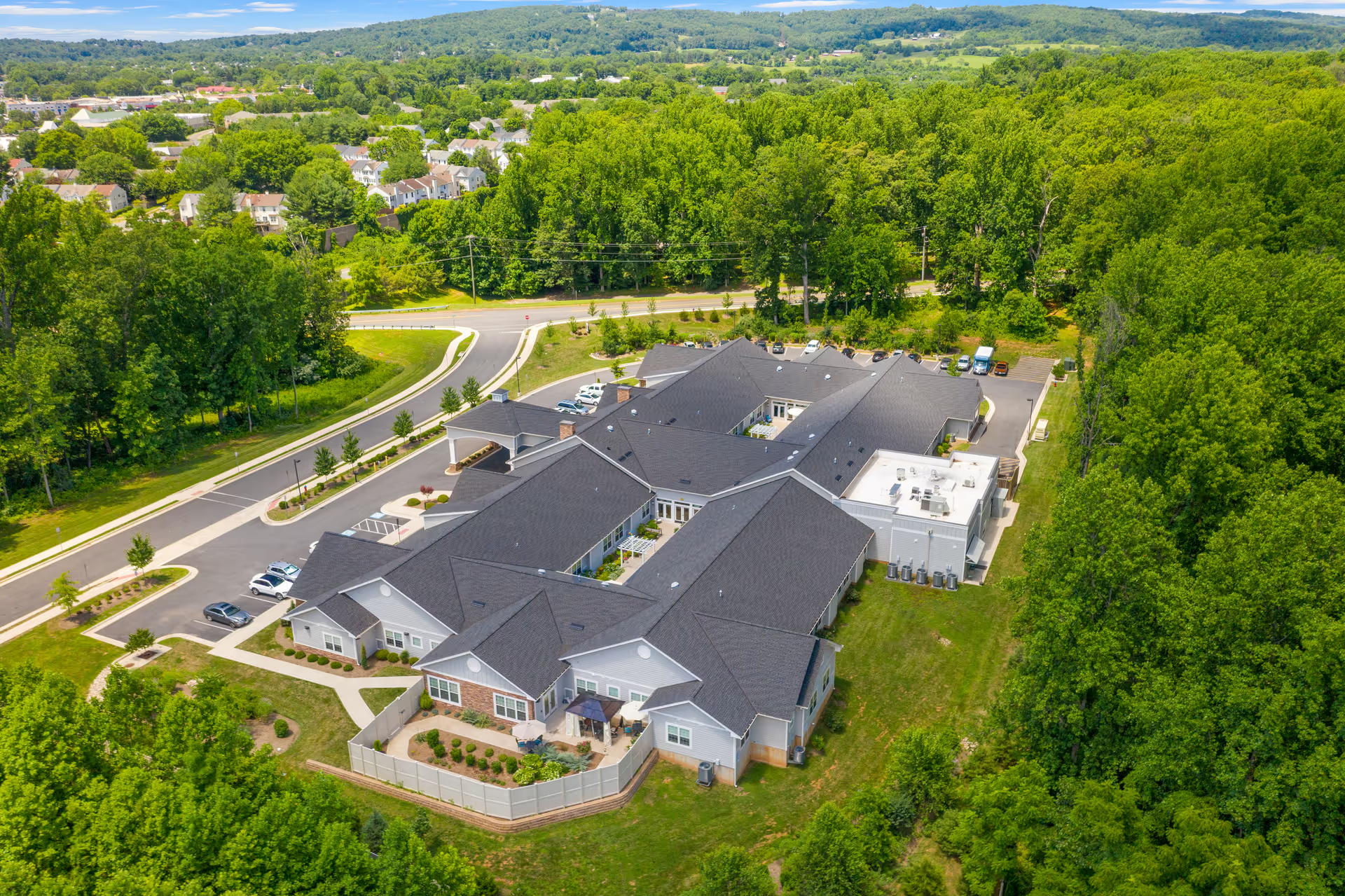
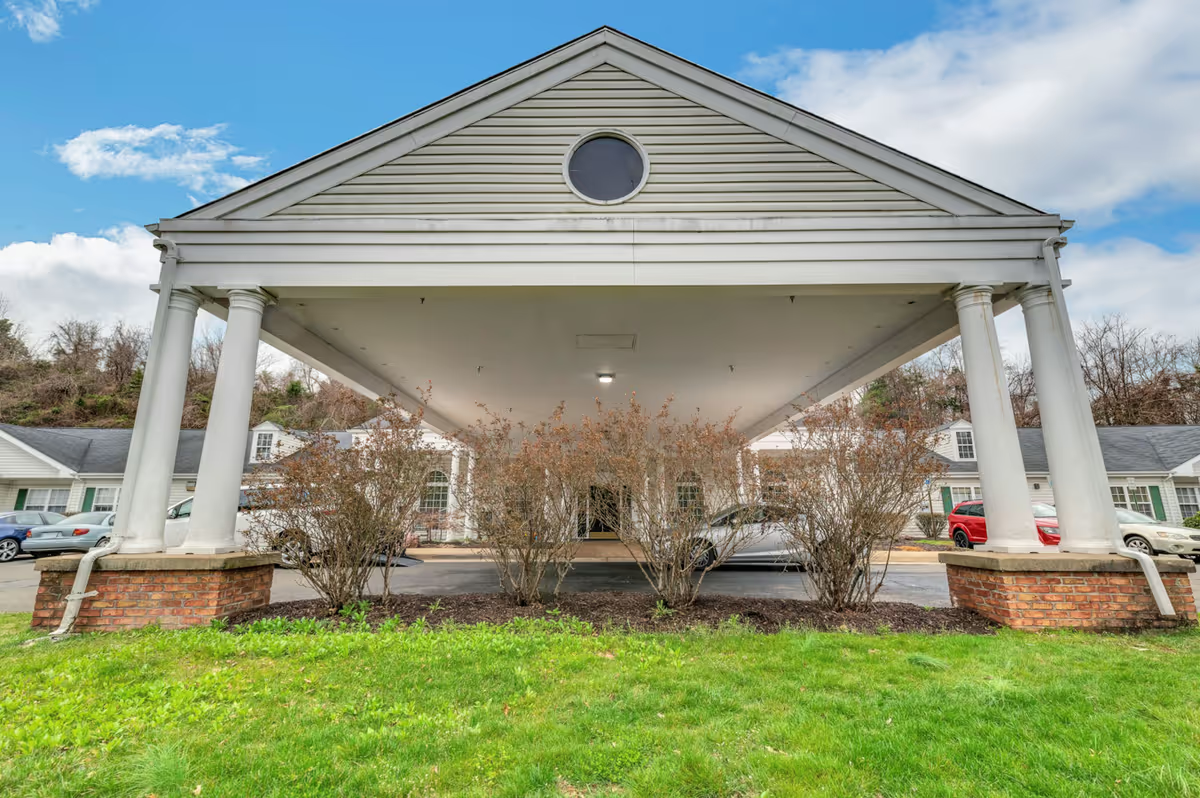
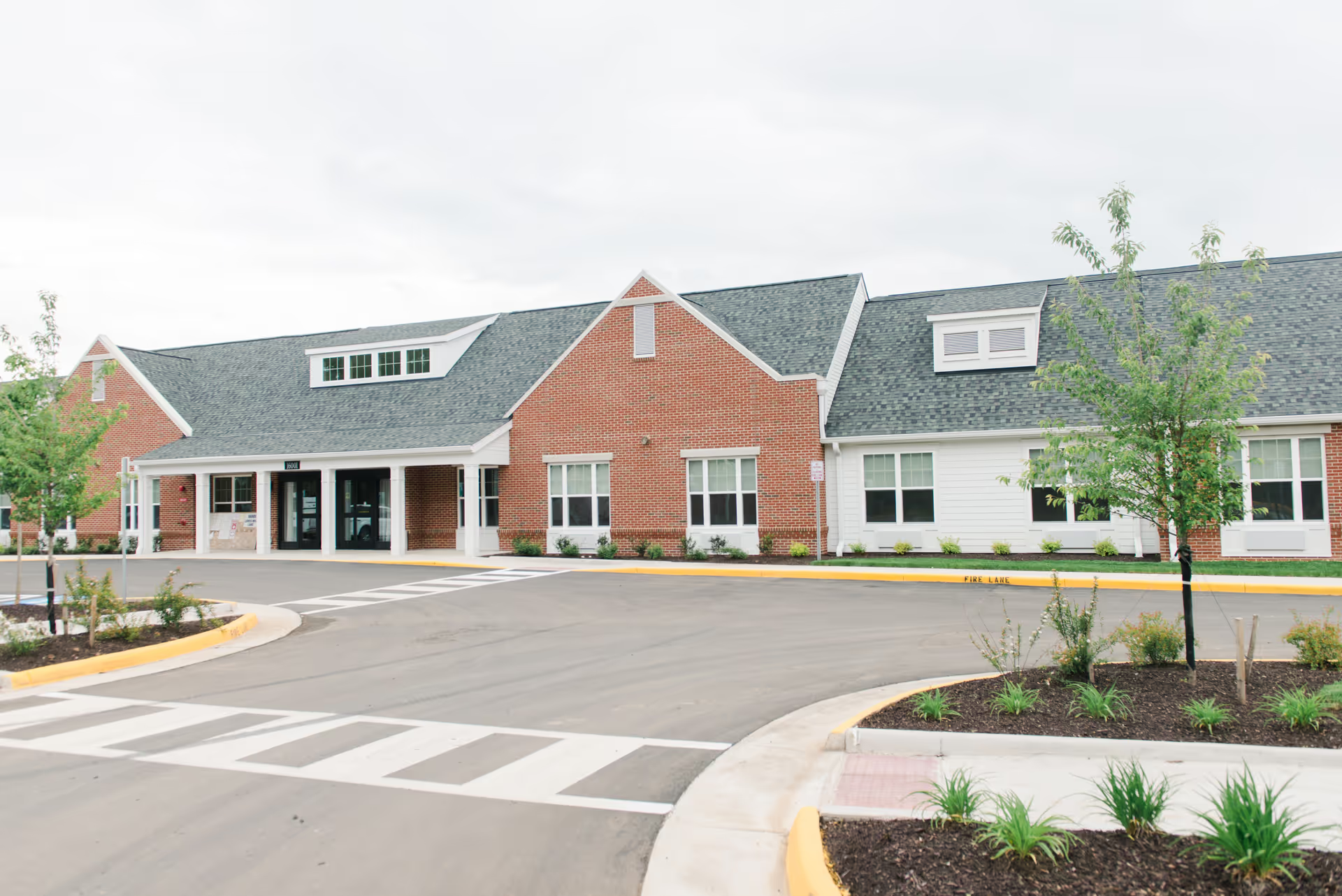
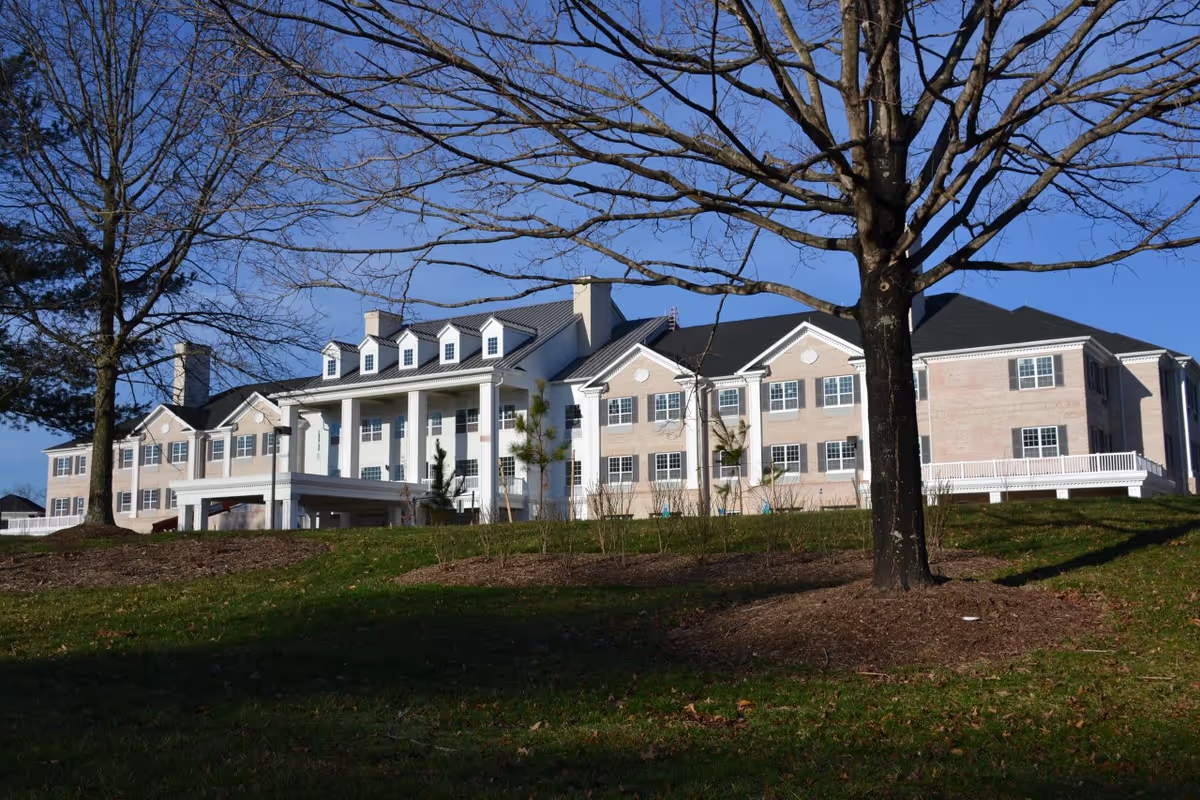
Activities and resident engagement are described as under-resourced by multiple accounts; programming is characterized as limited or unvaried, which may affect quality of life for longer stays. Facility appearance is described as dated in places, indicating deferred maintenance despite clean common areas.
Leadership and communication are another mixed area. Several reviewers praised proactive, collaborative administration and named staff advocates who improved coordination and family communication. Conversely, other families experienced unreturned messages, poor discharge coordination, and difficulty getting clear updates—issues that compounded clinical concerns for those families.
Taken together, the pattern suggests Brookside has clear strengths in rehabilitation therapy and pockets of excellent, compassionate staff, but also systemic operational issues that affect clinical consistency, staffing reliability, property management, and family communication. Prospective residents and families would benefit from asking targeted questions before admission: staffing ratios by shift, protocols for wound and feeding-tube care, medication-administration checks, laundry/property tracking procedures, discharge coordination, and the structure and frequency of activities programming. Visiting the memory-care unit and observing therapy sessions may provide useful insight given the polarized experiences described.