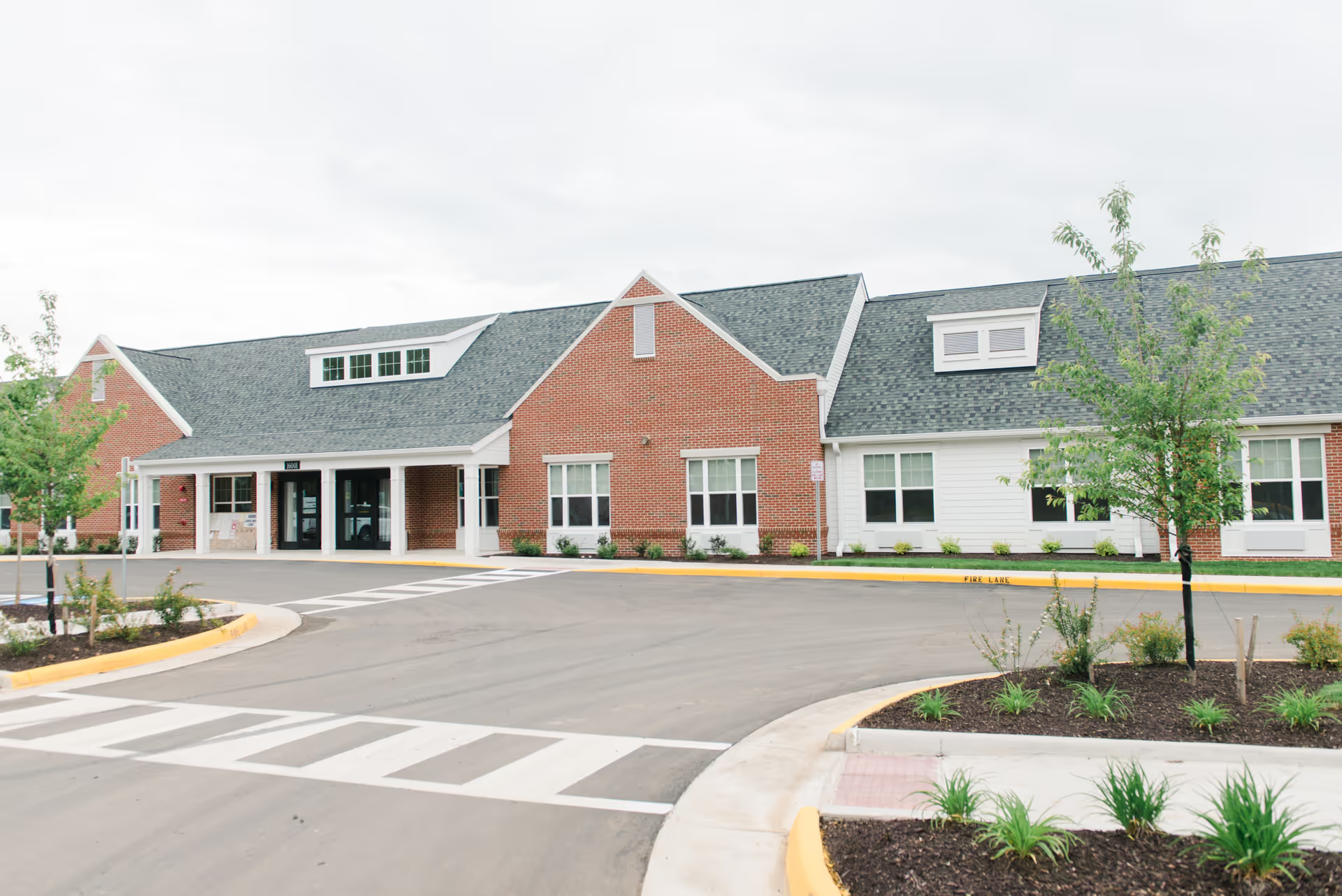
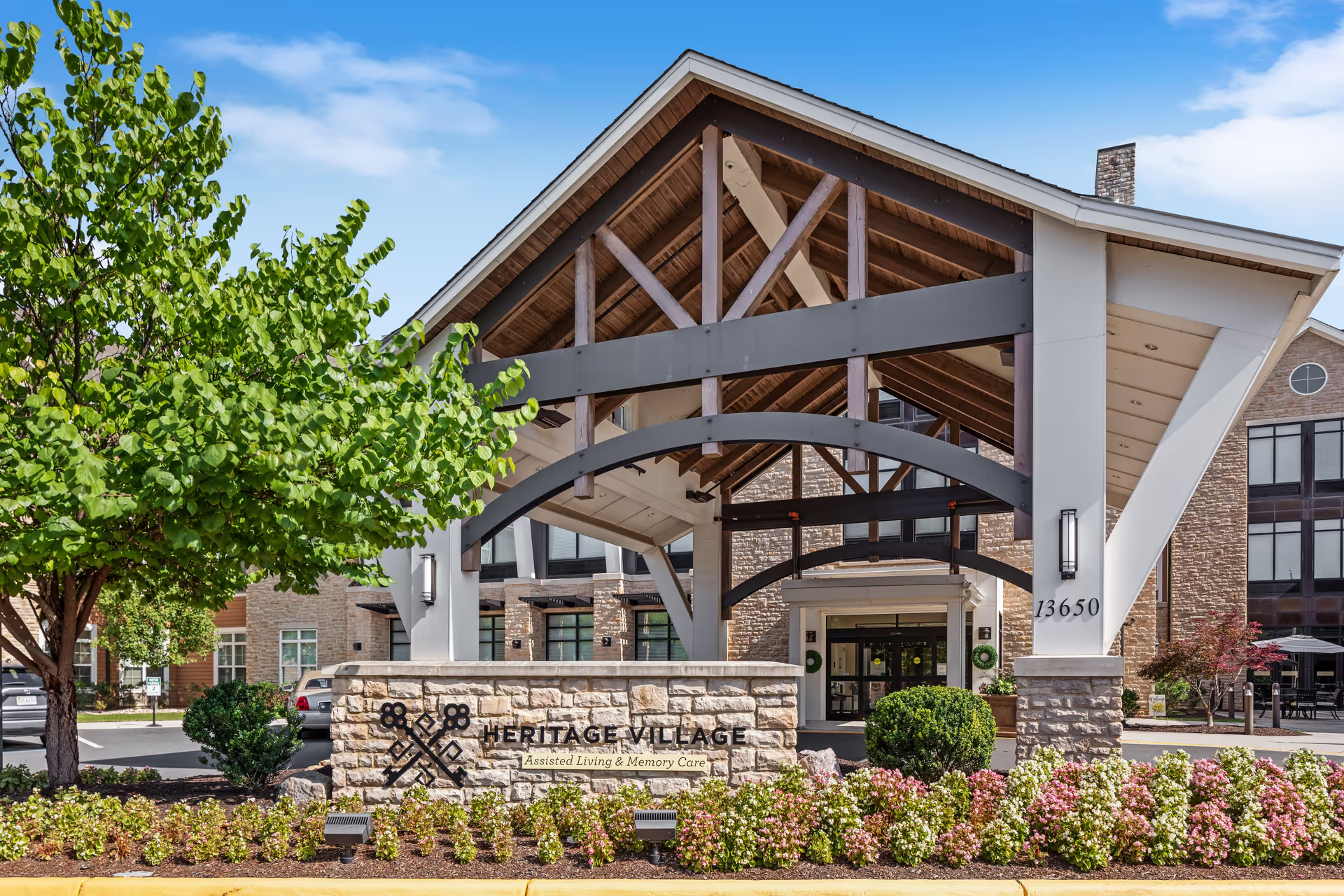
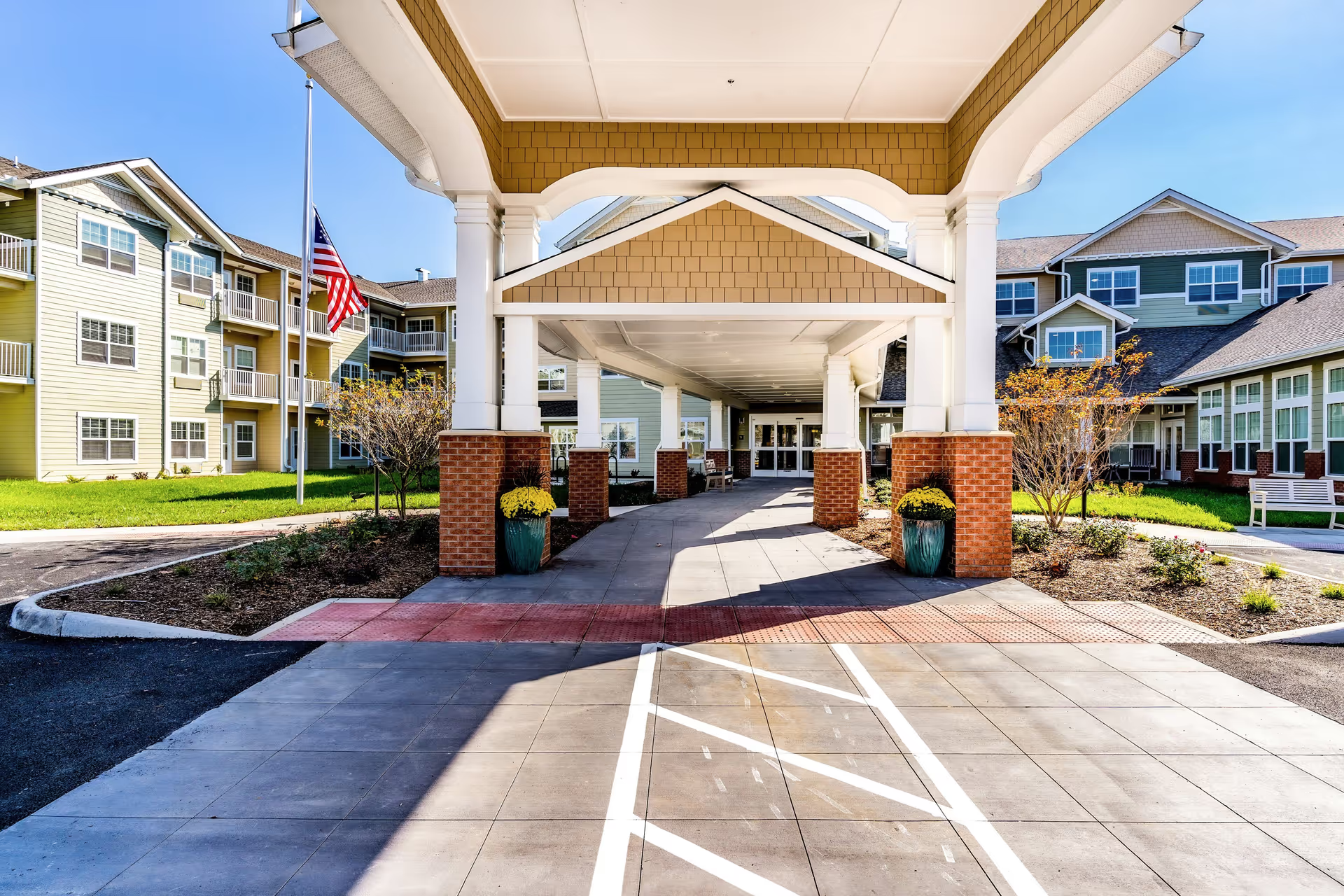
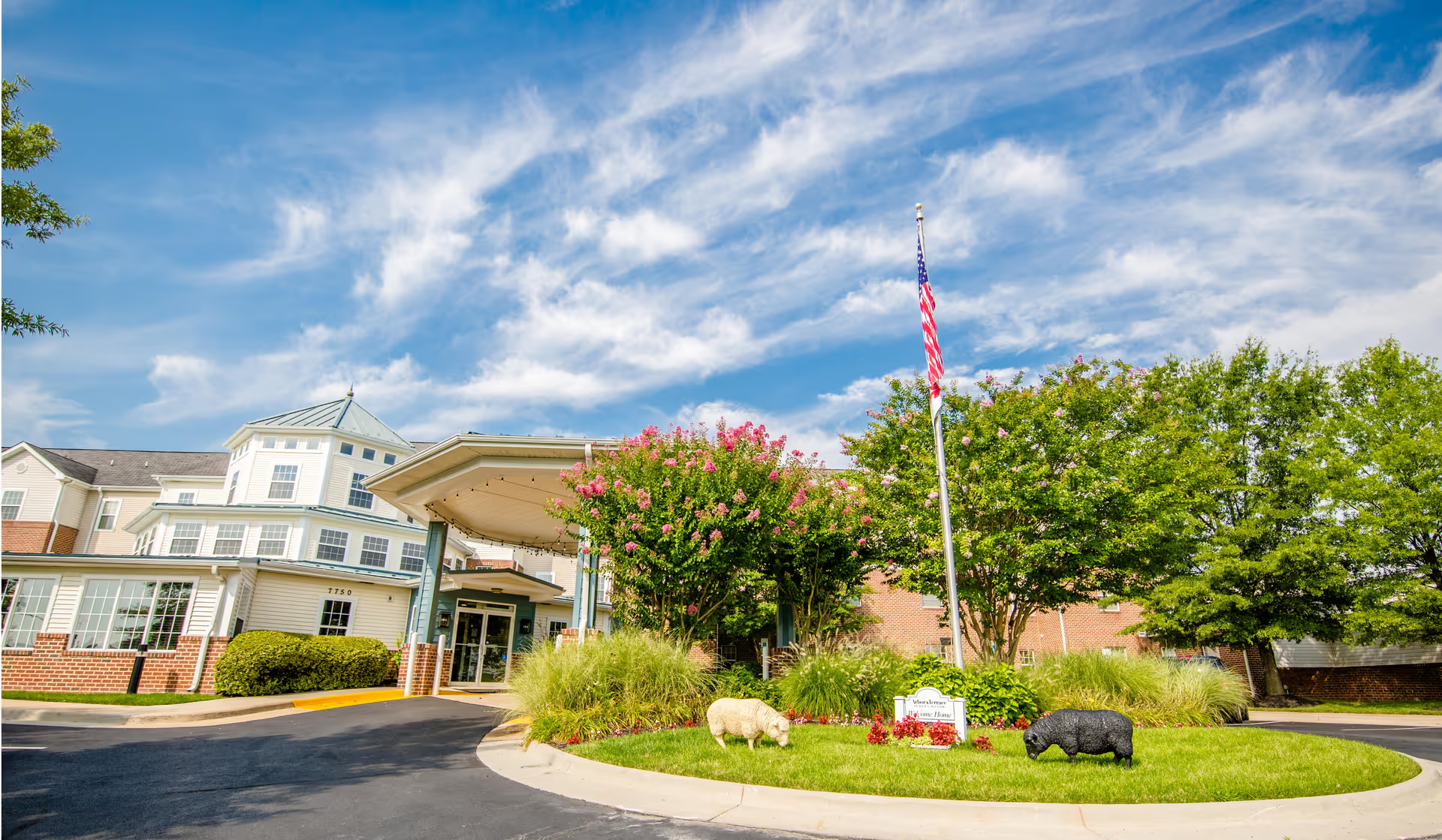
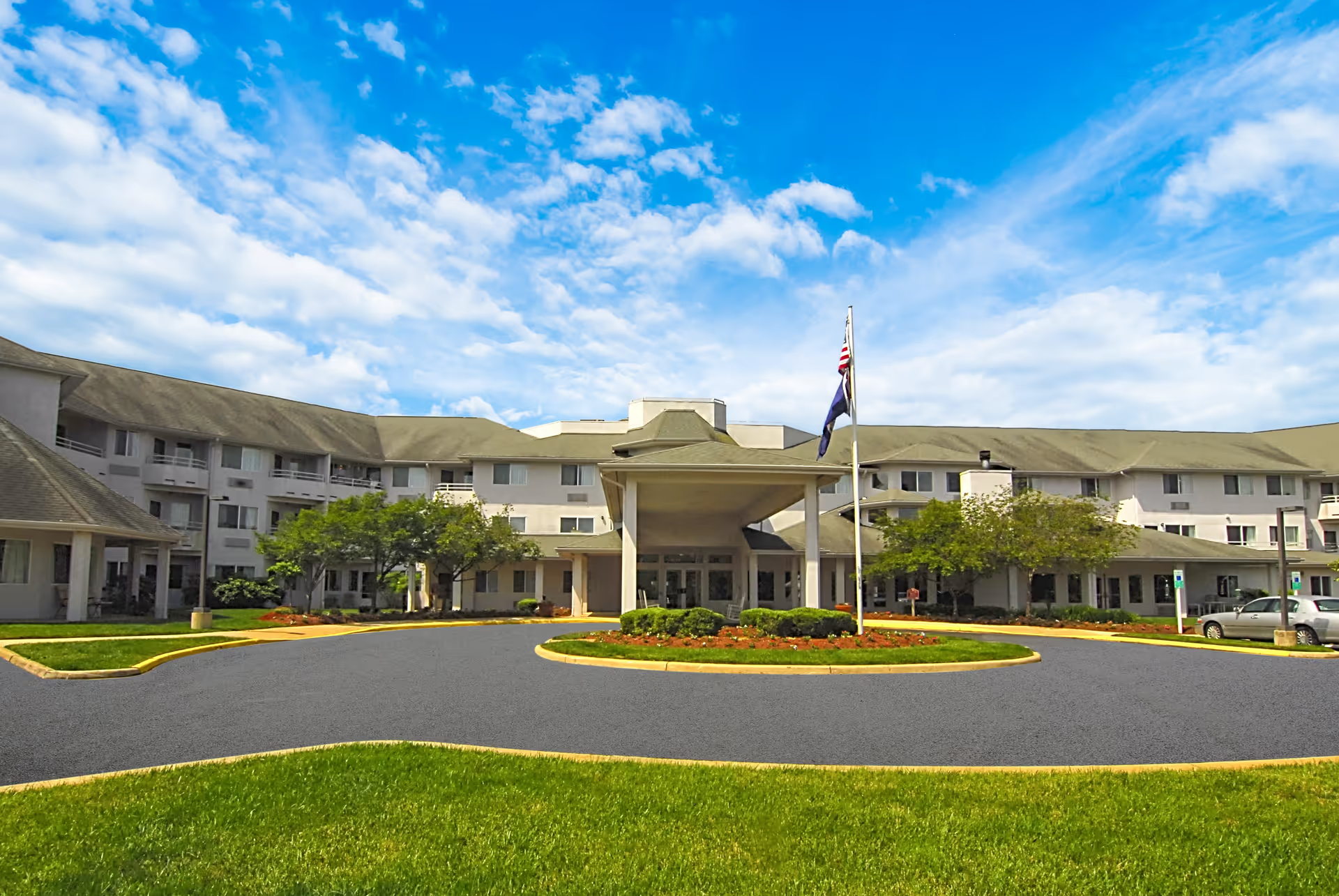
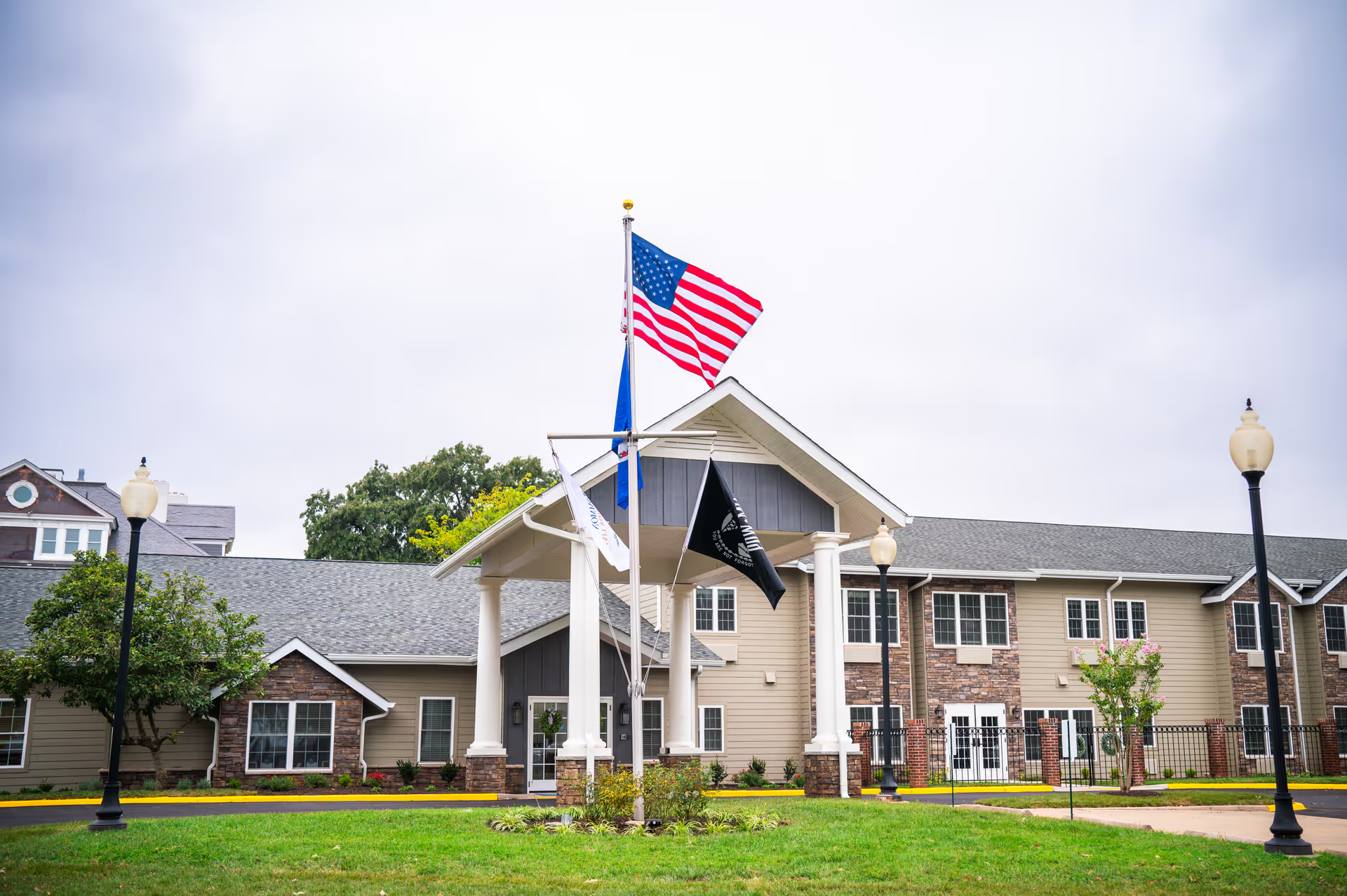
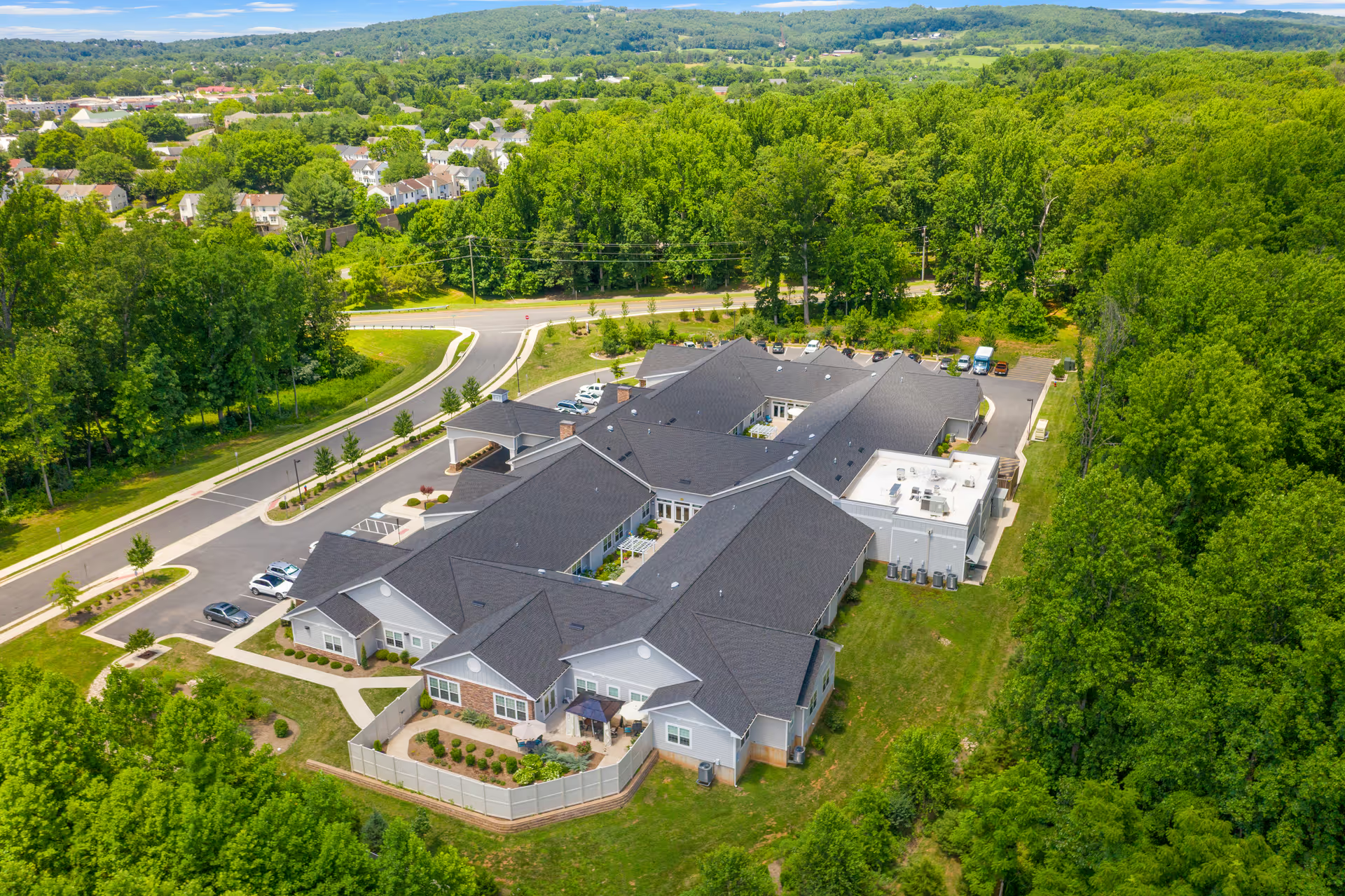
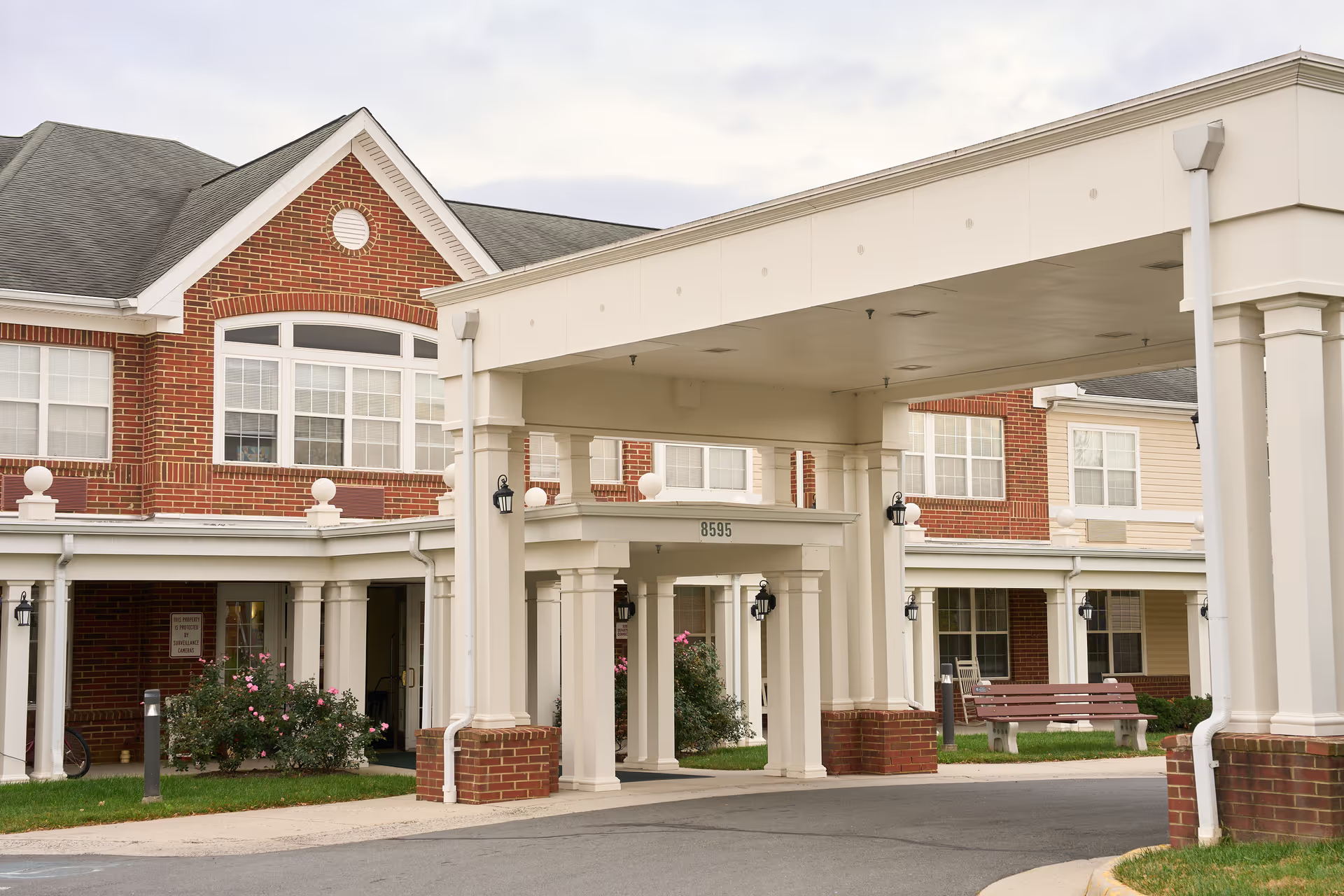
The Wellington at Lake Manassas presents a clearly defined set of strengths combined with operational inconsistencies that create a polarized experience for families. Physically, the community is frequently described as new, well kept and designed with a hotel‑like aesthetic: modern architecture, attractive grounds, clean common areas and private apartments with a range of floor plans. Amenities such as a salon and spa, transportation/shuttle service, courtyards and on‑site programming contribute to a resort‑style living environment that many prospective residents find appealing.
Dining and engagement are prominent positives. Numerous families and visitors praise a restaurant‑style culinary program led by professional chefs, with varied menus, specialty stations (brunch/omelette stations) and well‑presented meals. The life‑enrichment calendar is broad and active — university‑style classes, musical performers, outings and recurring signature events are consistently mentioned as meaningful engagement, including targeted programming for memory support.
Clinical care and staff quality show a mixed profile. Many accounts commend compassionate, hard‑working nursing and caregiver staff and note 24/7 nursing availability and successful rehabilitative outcomes for some residents. Conversely, there are recurrent operational concerns: understaffing and staff turnover that produce variability in aide response times, delays in routine assistance, and occasional medication‑administration errors or unclear clinical oversight. Night staff and some teams are singled out as professional and accommodating, but variability across shifts and units contributes to an uneven care experience.
Management, communication and service operations emerge as the primary areas of concern. Families describe inconsistent responsiveness from on‑site leadership and difficulty escalating issues to regional management; follow‑up and executive‑level presence are perceived as limited at times. Administrative weaknesses include billing irregularities, communication breakdowns, and problems with housekeeping, laundry and maintenance that can take weeks to resolve. Dining quality and dining staffing are also inconsistent — while many praise the culinary program, other accounts cite declining or bulk‑style meal quality and service lapses tied to staffing.
Safety and clinical‑oversight patterns warrant attention. There are indications of gaps in supervision for residents with wandering or behavioral needs and concerns about how certain behavioral incidents are managed. Some families describe opaque practices around on‑site physician visits and medical billing, which undermines confidence in clinical oversight. Language barriers and handoff issues between shifts further complicate continuity of care for a subset of residents.
Overall pattern: The Wellington offers high‑quality physical facilities, a strong activities program and many devoted frontline employees that create an attractive community for many residents. At the same time, systemic operational issues — primarily inconsistent staffing, variable leadership responsiveness, intermittent clinical oversight and service delays — produce uneven experiences and require active family advocacy in some cases. Prospective residents and families should weigh the facility’s strong amenities and engagement offerings against these operational variability risks, and consider asking targeted questions about current staffing stability, medication‑safety protocols, maintenance turnaround times, and escalation pathways for clinical or administrative concerns during touring and decision making.