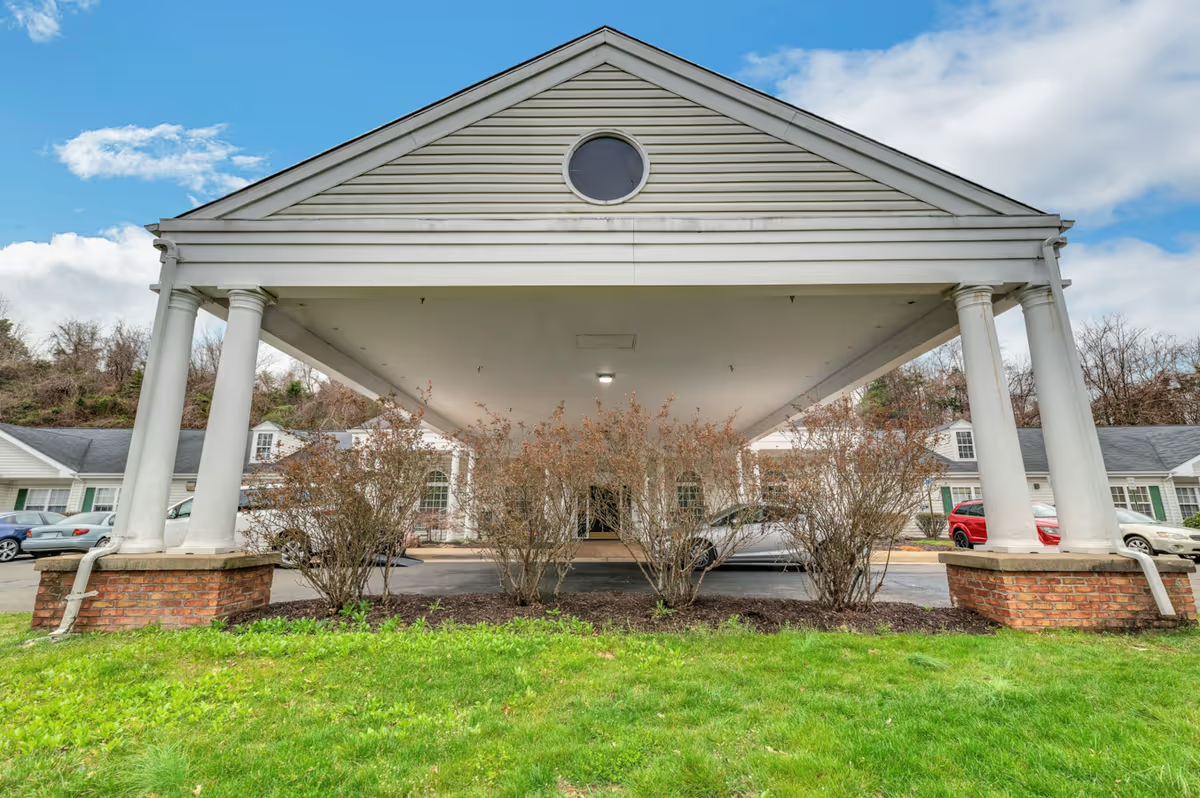
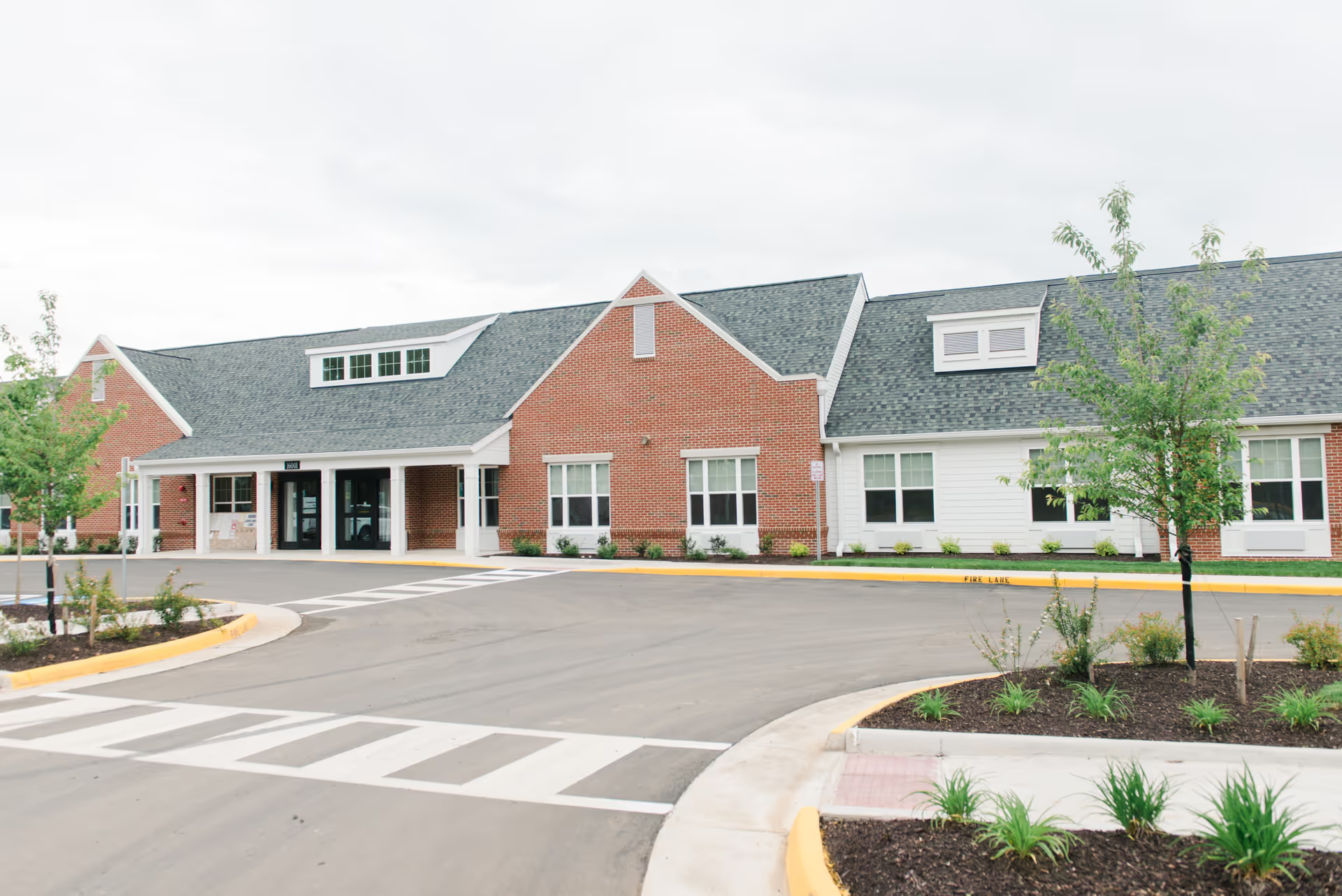
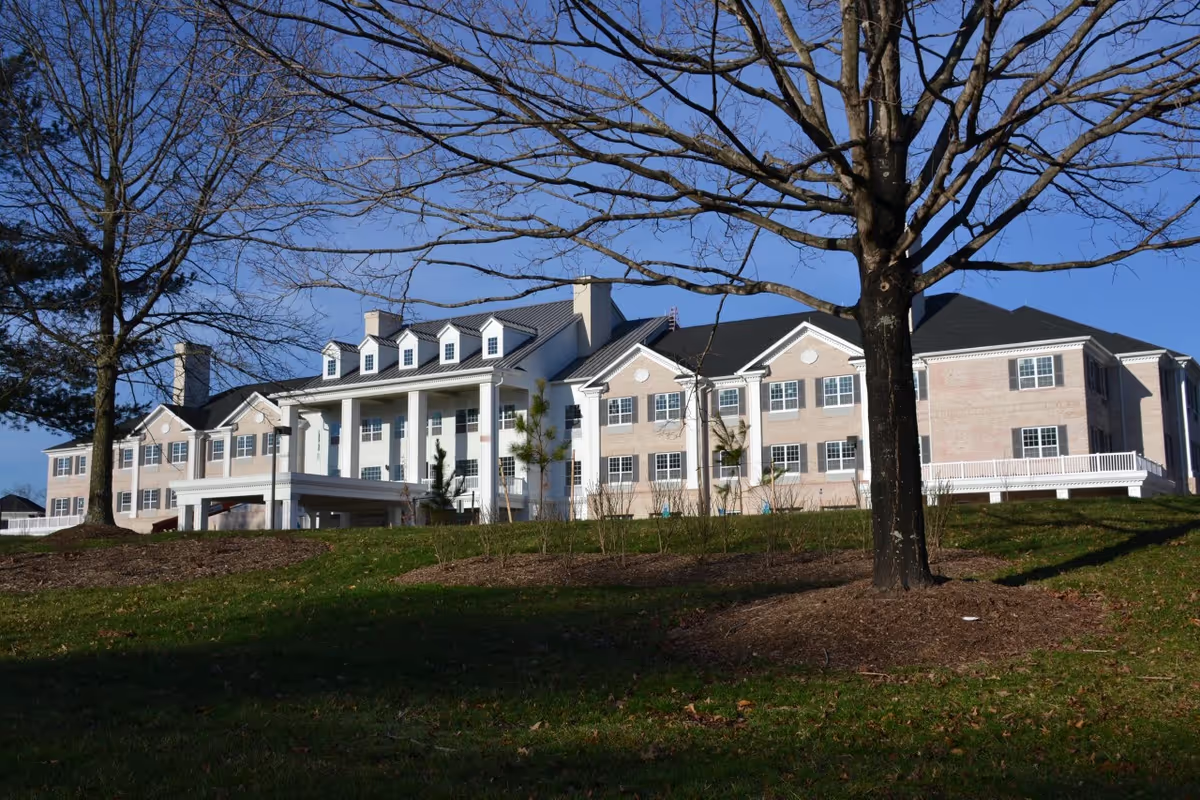
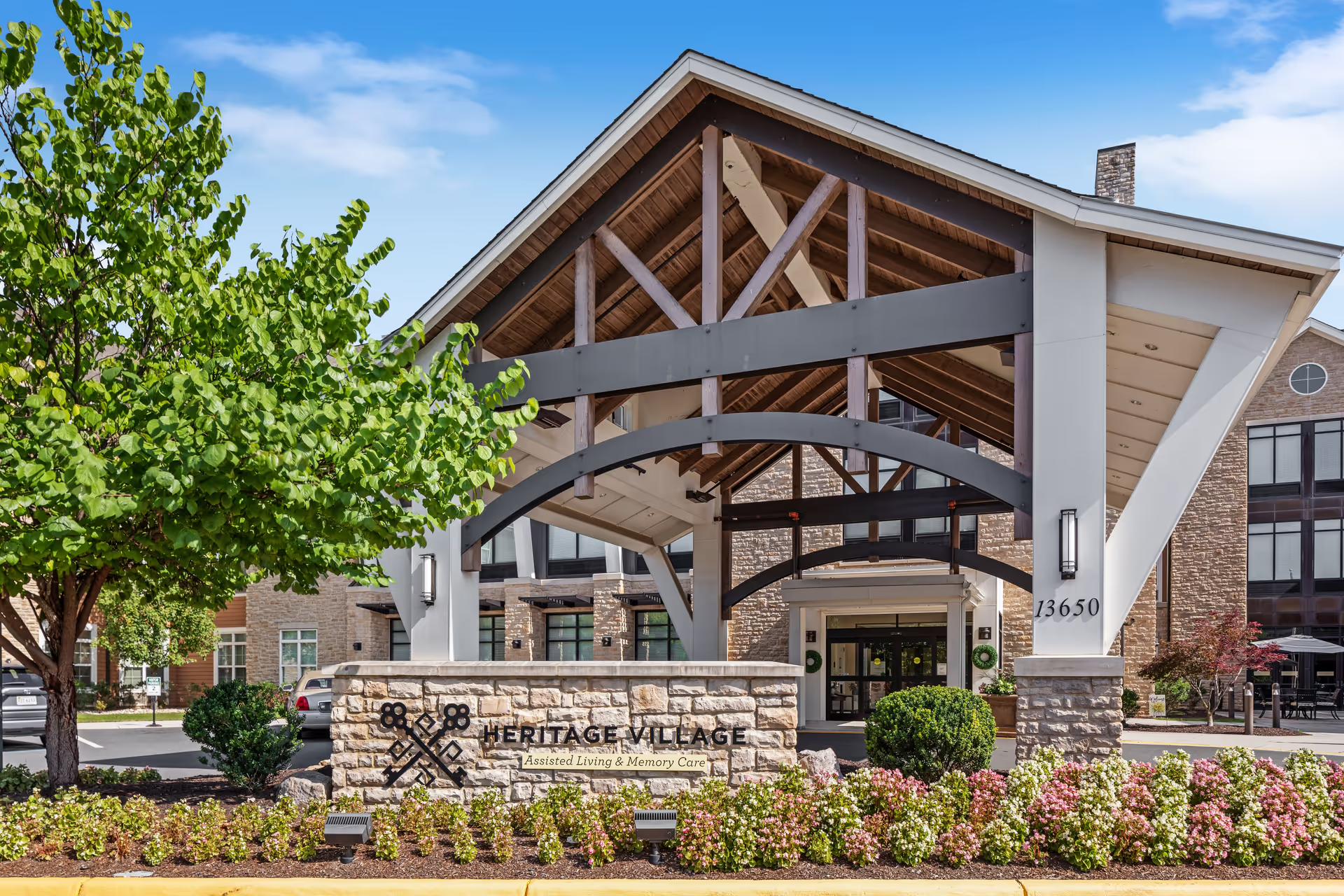
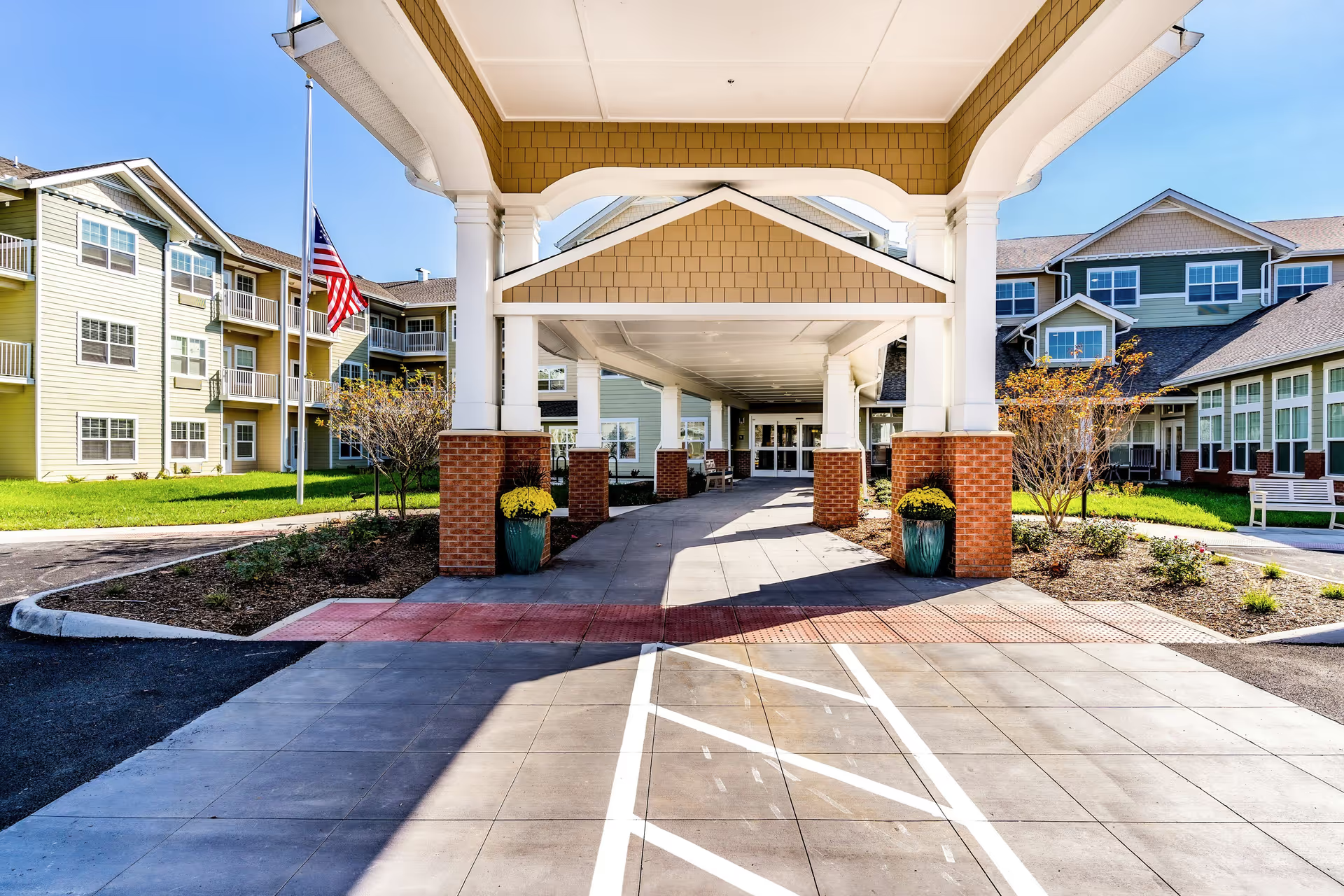
Poet’s Walk Warrenton presents as a relatively new, upscale memory-care community with many strengths families commonly seek. Positive themes across reviews include a consistently described compassionate and attentive caregiving team, staff who are familiar with residents by name, and specialization in memory-care programming. The physical plant is frequently noted as clean, well maintained and attractively furnished, with features such as an enclosed aviary, landscaped gardens, hotel-like décor, and secure common areas. The facility also emphasizes family communication technology, hospice partnerships, and proximity to acute medical services, which provide additional reassurance for families with higher medical needs.
Dining and social programming are another area of positive focus. Reviewers describe bistro-style and open dining halls, menu variety with dietary accommodations, and flexible options including 24/7 food access. Activities are reported as varied and frequent — including gardening, music and religious services, movie nights, outings and field trips, salon services, and routine ancillary care such as podiatry. Several accounts highlight staff efforts that go beyond routine caregiving during move-in and transition periods, and the availability of respite care is noted as a helpful option.
Facility layout and living accommodations are generally well regarded: many visitors report spacious, nicely laid-out apartments and large bathrooms in some units, pleasant courtyards, and a bright, home-like interior. At the same time, multiple reviewers indicate that a significant portion of rooms are shared and some units are modest in size, so private-room availability may be limited. The overall presentation is often described as upscale and comfortable, with modern technology used for family updates and engagement.
Notable patterns of concern center on operational consistency. Staffing levels and coverage, particularly on weekends, emerge as a recurrent issue; families raised concerns that lower staffing contributed to delays in supervision and safety monitoring. There are also references to inconsistent cleaning or sanitation practices in a few accounts. Administrative communication and contract clarity have room for improvement: reviewers describe difficulties obtaining promised refunds, unclear fee structures, and uneven follow‑through on administrative commitments. A small number of reviewers described restrictive visitation arrangements at certain times and at least one allegation of poor treatment and inadequate supervisory response; those comments point to the importance of asking about incident‑response processes and supervisory oversight.
Taken together, the pattern suggests that Poet’s Walk Warrenton offers many of the clinical, social and environmental features expected of a higher‑end memory-care community, supported by staff who are frequently praised for compassion and engagement. Prospective families should balance those strengths against operational questions: confirm peak and off‑peak staffing levels and supervision protocols, verify private‑room availability if desired, review contract and refund terms in detail, ask about recent sanitation audits and incident‑response policies, and clarify visitation rules. These targeted questions will help families assess whether the facility’s strengths match their loved one’s care needs and safety expectations.