Spring Oak at Warrenton is generally described as a welcoming, small-scale assisted living community with a home-like feel. Families and residents often praise staff for being kind, attentive, and helpful, and several describe a close-knit atmosphere in which residents know one another. Some reviewers also describe staff and leadership as responsive and supportive during the move-in process and when families are navigating care decisions.
Care experiences are mostly positive, with reviewers describing residents as receiving compassionate support, becoming more socially engaged, and benefiting from assistance with daily needs. One resident described medication administration by medical technicians available around the clock, weekly visits from a nurse practitioner, and help coordinating outside occupational and physical therapy. The community is not a nursing facility and does not appear suited to people needing continuous on-site medical attention or more complex clinical care. Staffing coverage is a recurring qualification: one family described occasional lapses associated with thin staffing, and another characterized staffing levels as limited. One family also raised concerns about monitoring after repeated falls. These accounts indicate that prospective families may wish to ask about staffing by shift, supervision practices, and how changes in care needs are assessed.
Dining feedback is mixed. Some residents and families speak positively about meals or the dining setting, while others were dissatisfied with the food or a menu change. Activities are a strength in many accounts, with programming that includes bingo, gardening, arts and crafts, music, and social events. However, one reviewer considered the activity options limited, and the facility does not have a dedicated exercise or weights room. Transportation feedback also varies: some describe transportation for medical appointments, while another says families relied on themselves for appointments and shopping.
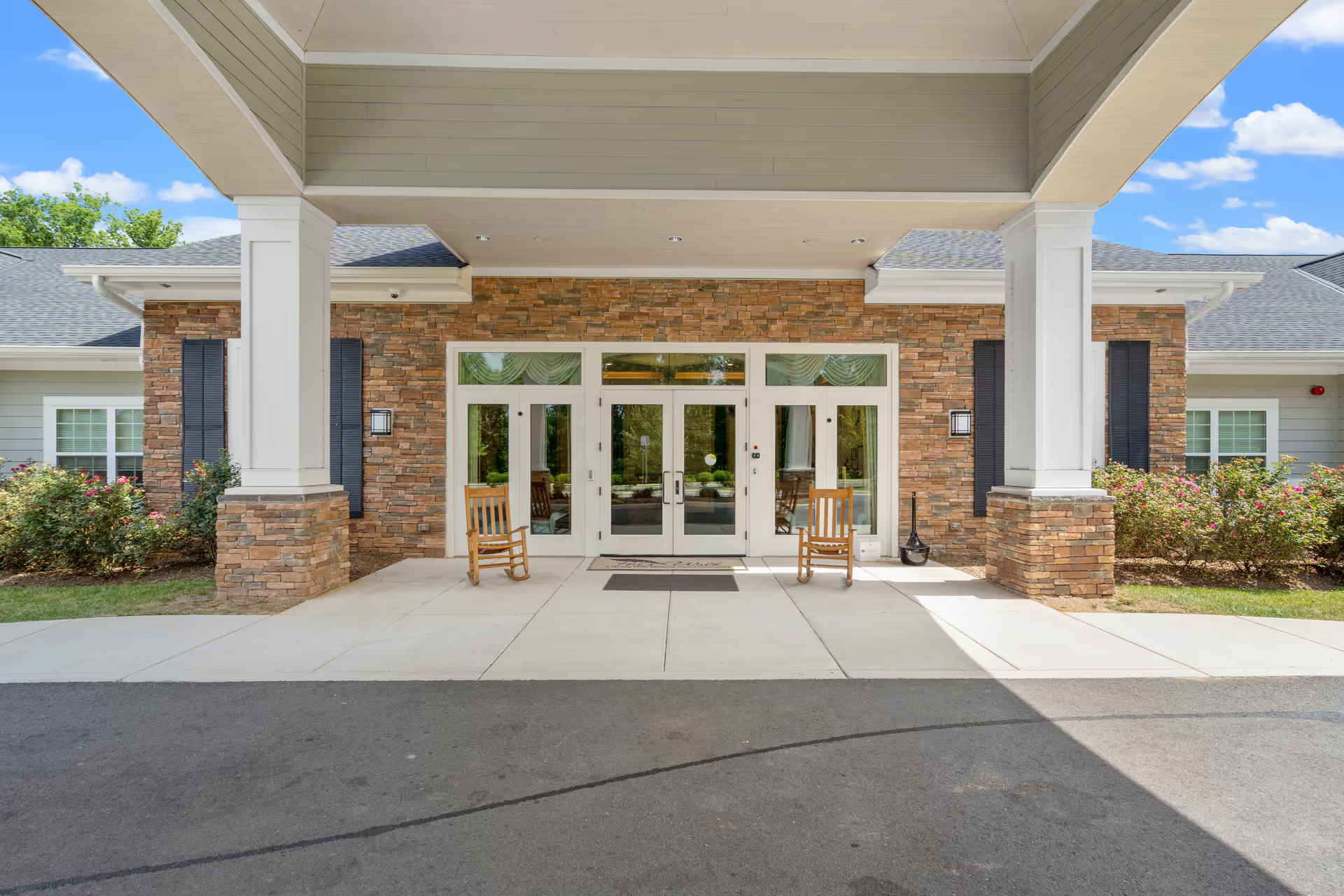
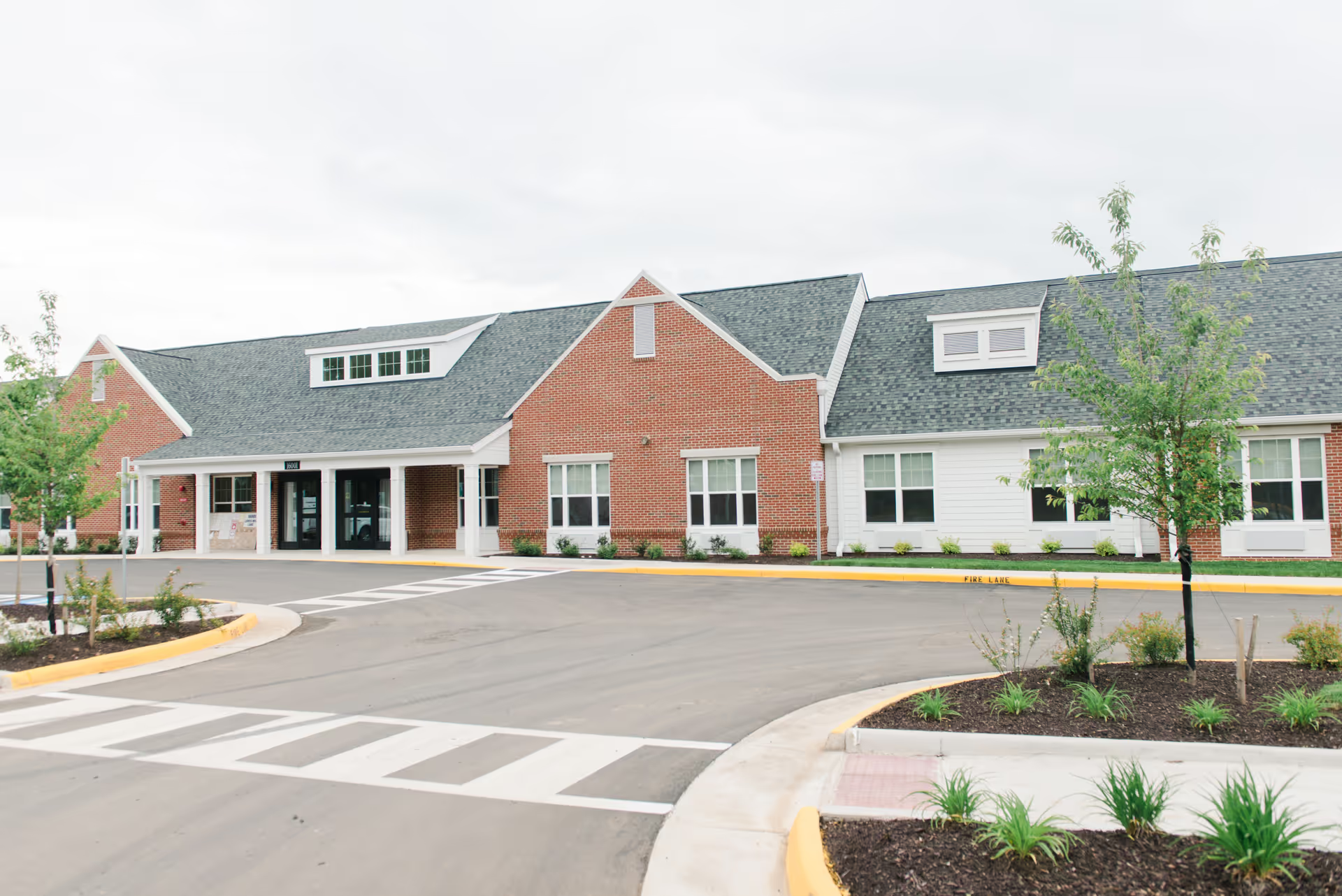
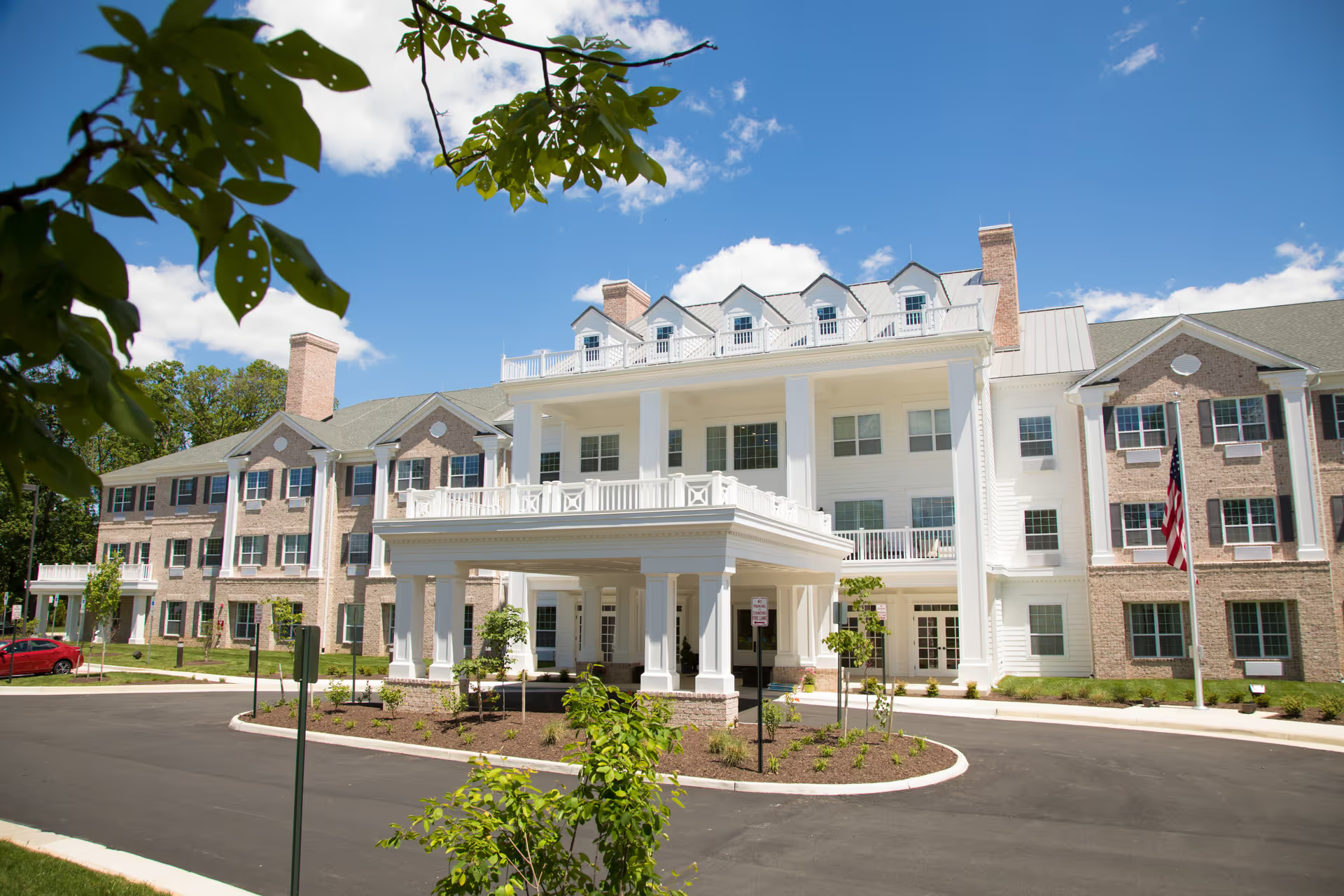
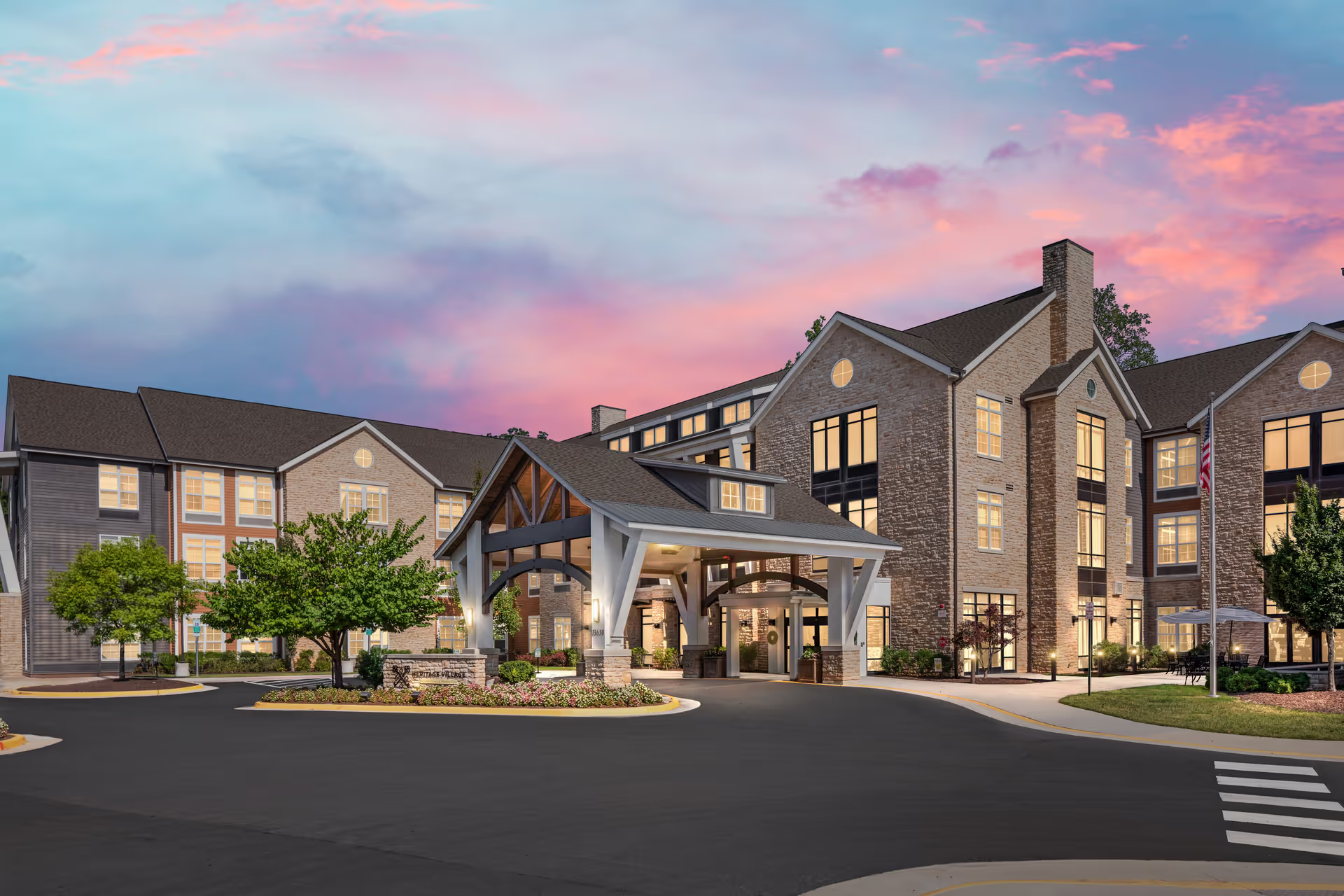
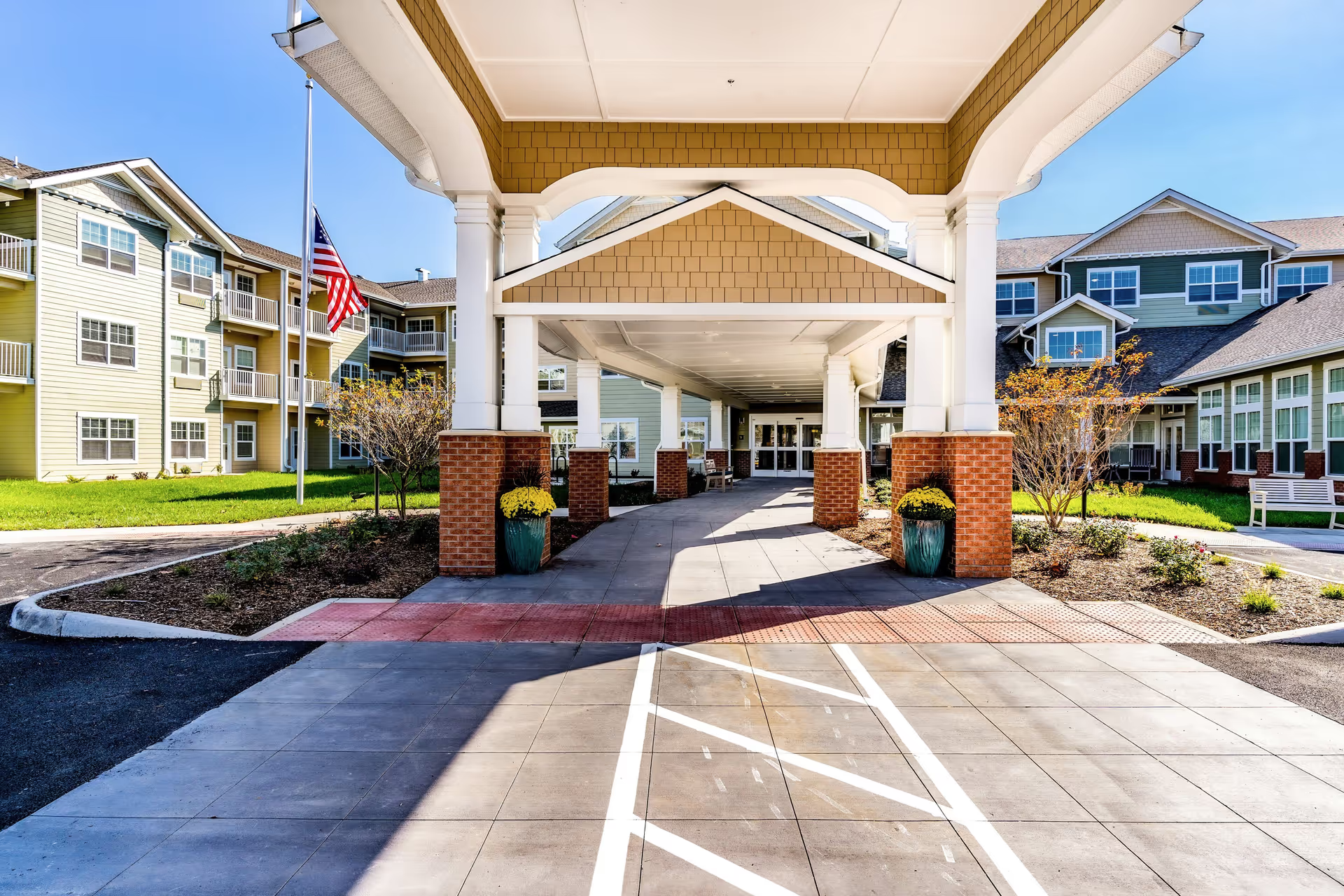
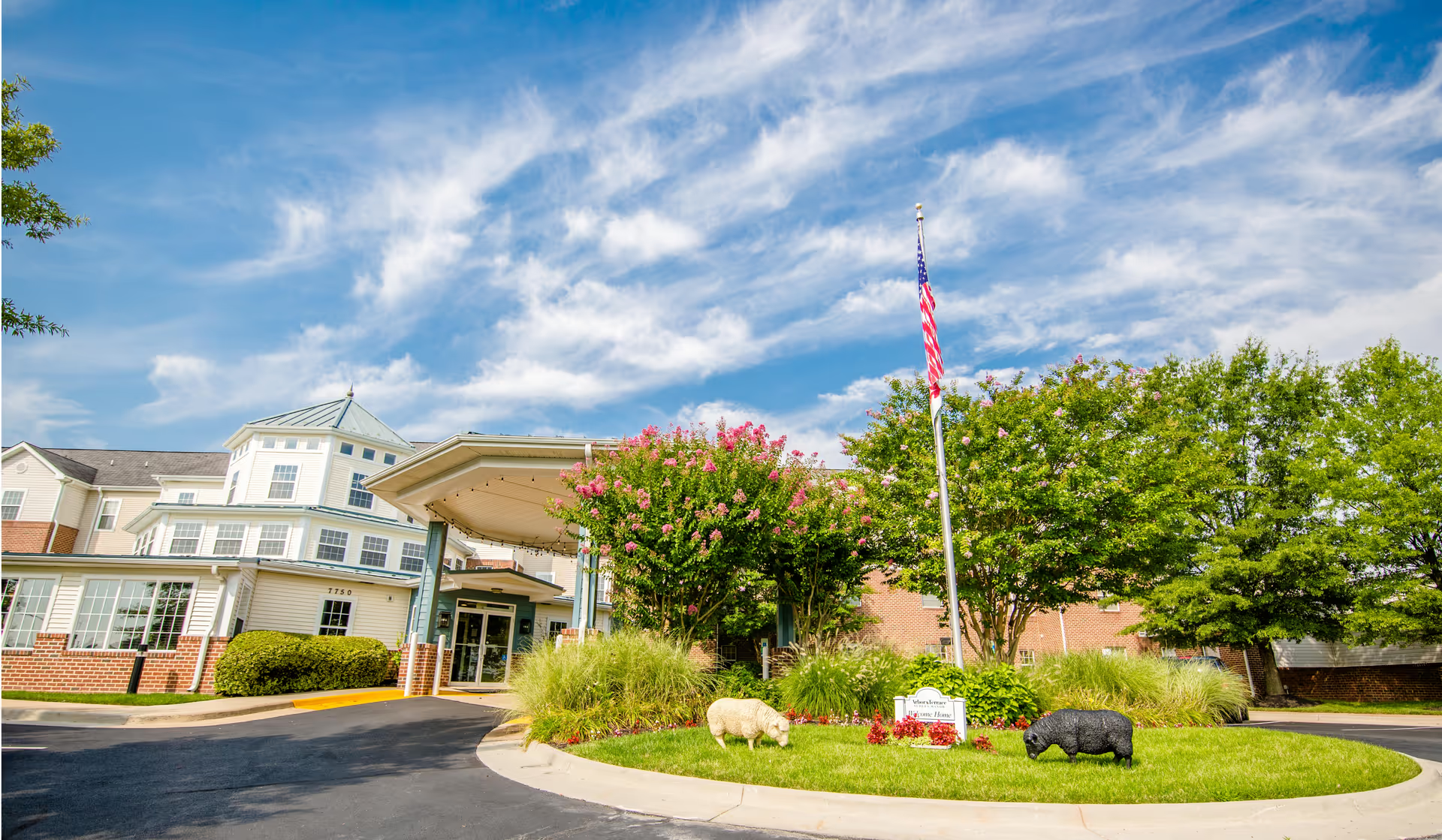
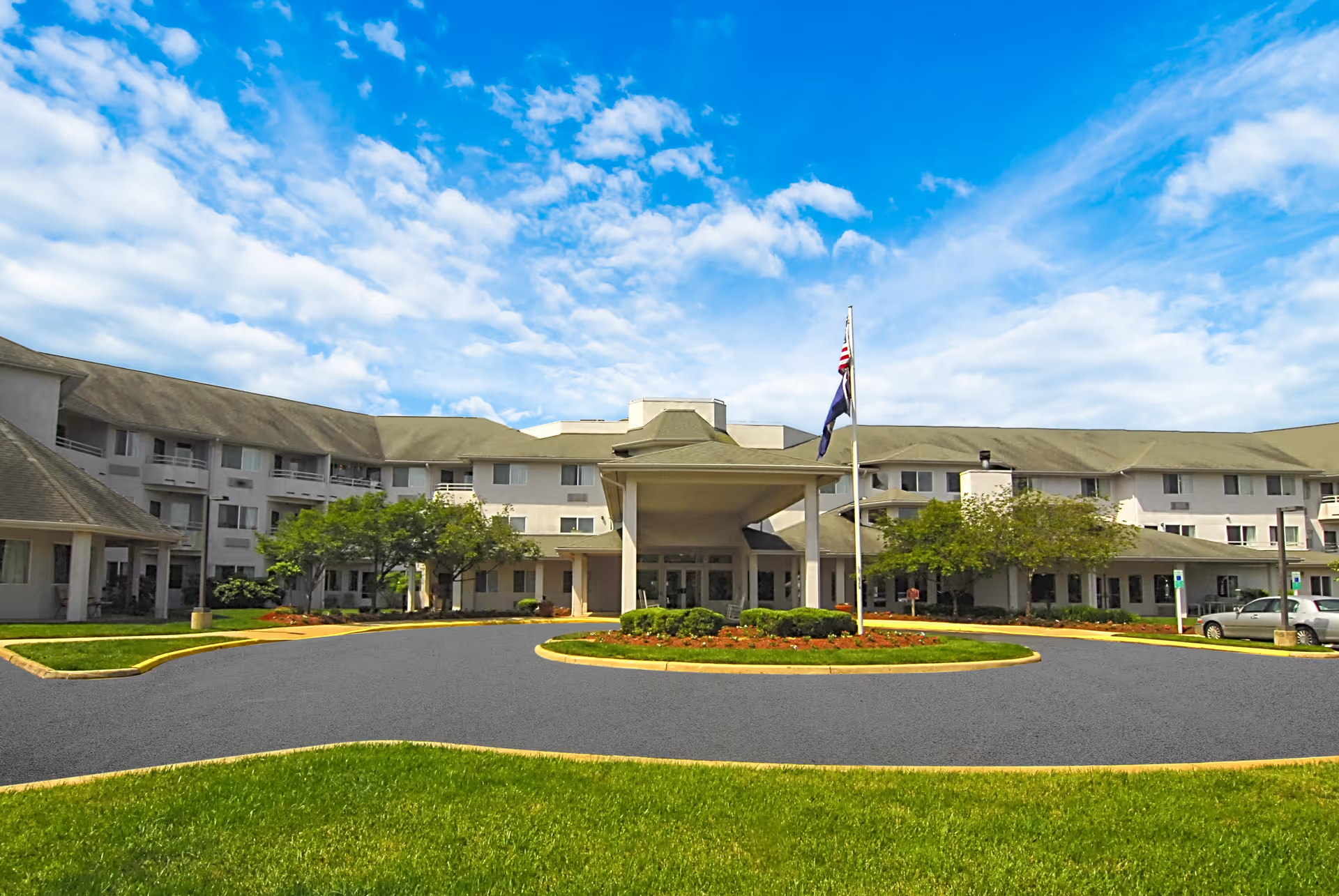
The physical setting is frequently described as clean, comfortable, and attractive, with a quiet, tree-lined location, pleasant outdoor spaces, and rooms that families often found accommodating. One reviewer noted accessible bathrooms, while others praised updated rooms and inviting common areas. Another described the building as dated, suggesting that condition and updates may vary across spaces. Affordability is a practical concern for some families, and the level of financial support available may affect whether the community is feasible.
Management and programming staff receive frequent praise for being engaged, approachable, and invested in residents’ well-being. There is also one serious, individual account questioning the timing of a hospice recommendation, medication decisions, and whether the resident’s interests guided care planning after a rapid decline and subsequent death. That concern contrasts with other families’ positive descriptions of comfort and support during end-of-life care, so families may want to discuss hospice referrals, medication decisions, and communication expectations directly with the community. Overall, reviews present a largely positive picture of the staff, setting, and social environment, alongside practical questions about staffing consistency, clinical scope, meals, transportation, and costs.