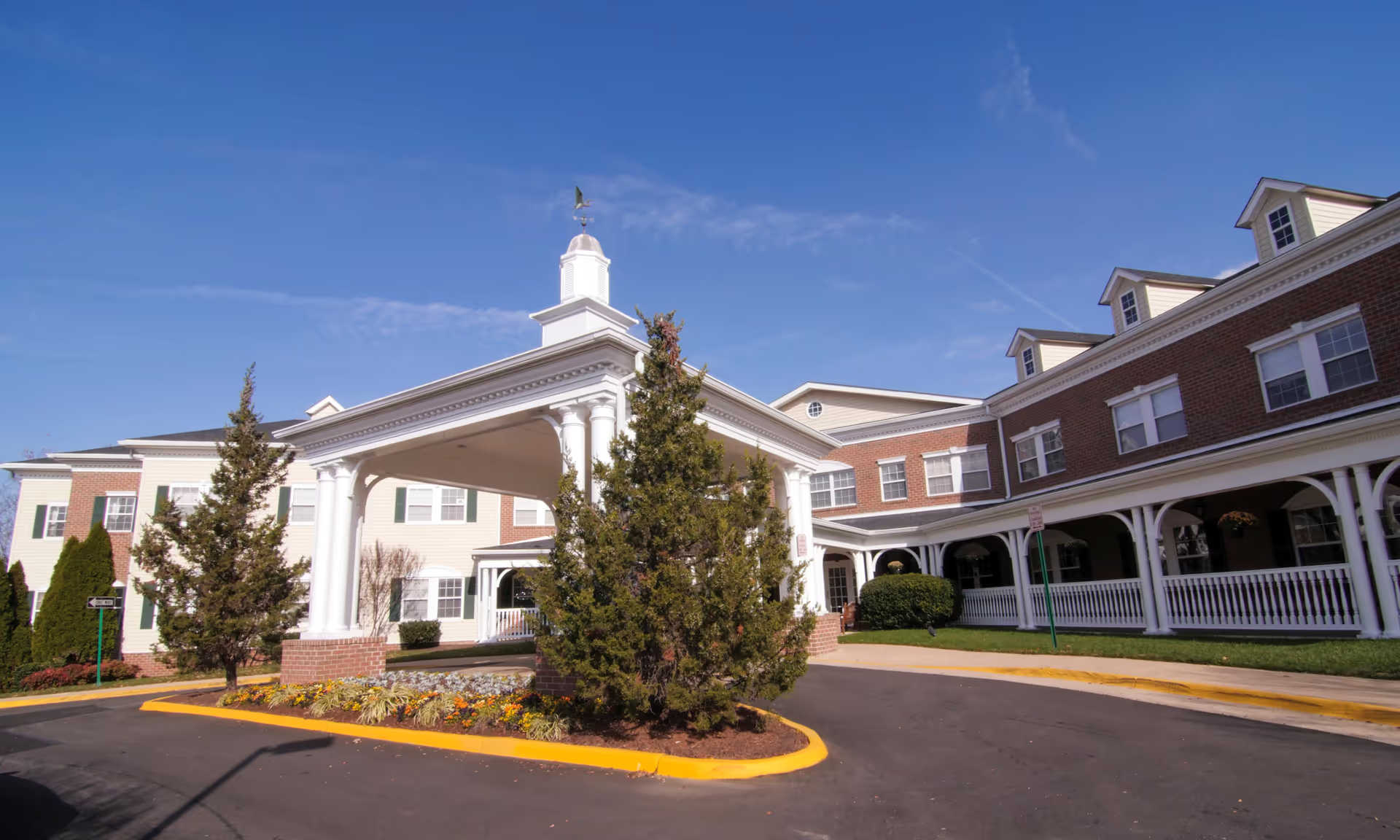
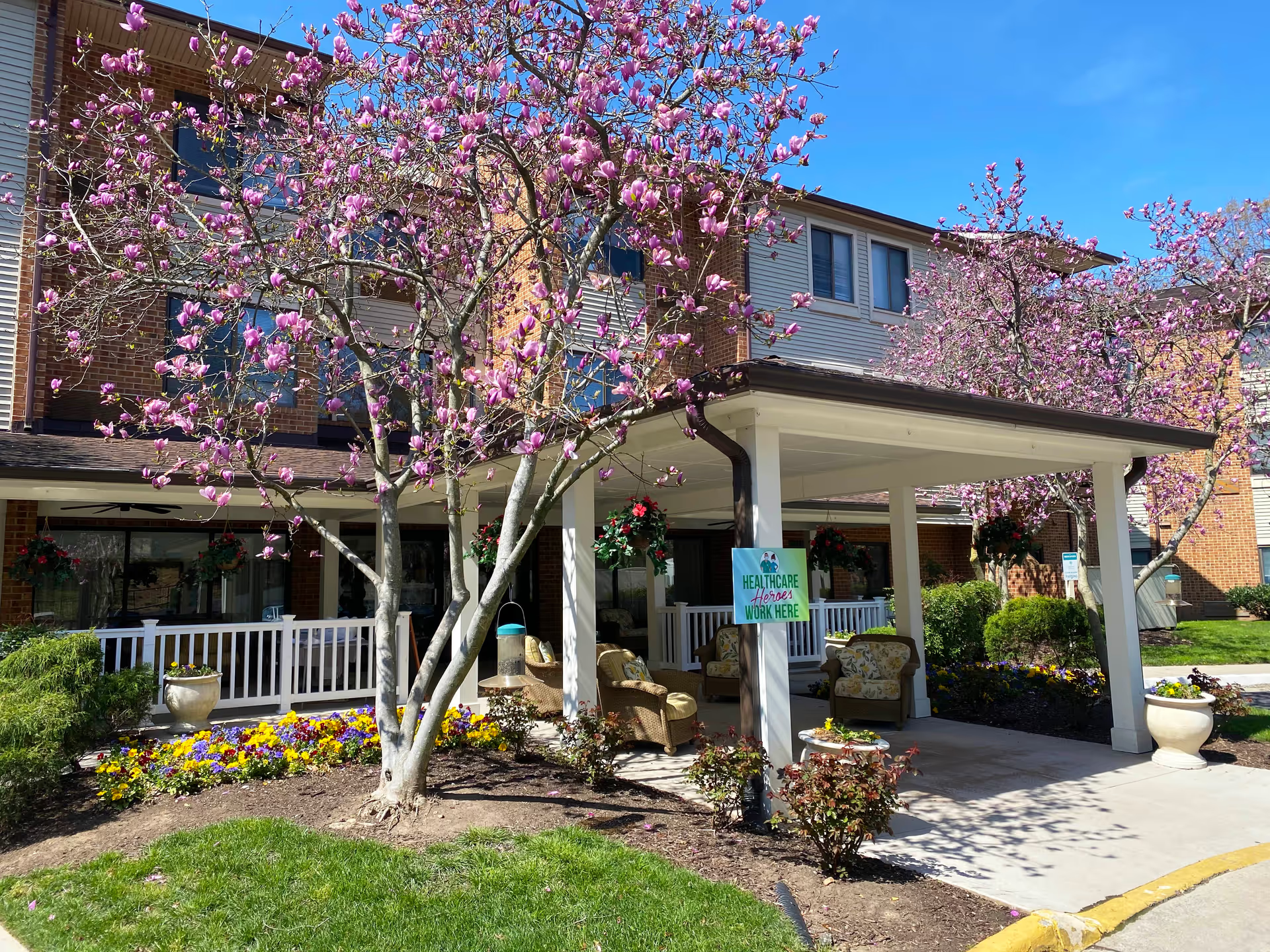
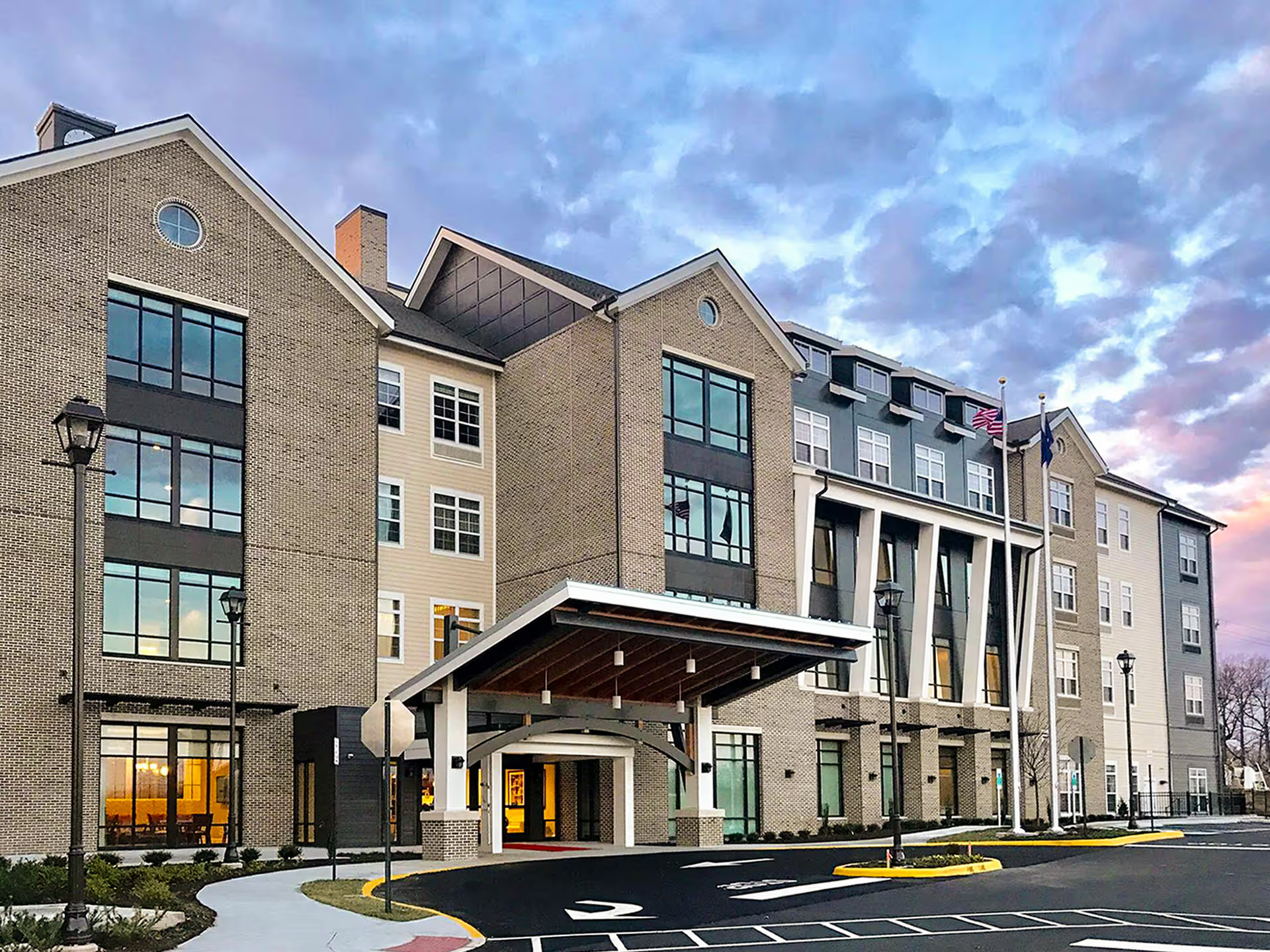
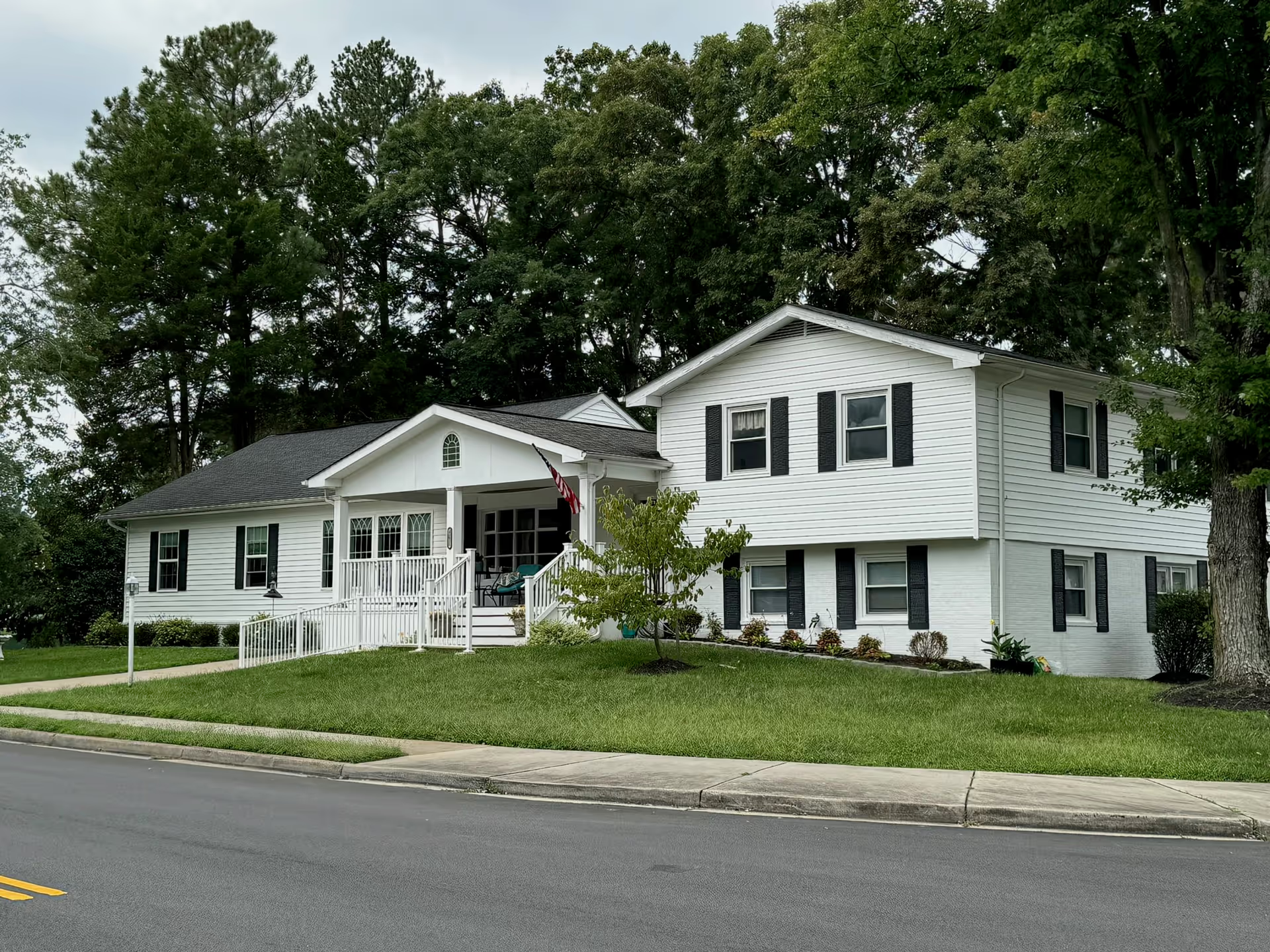
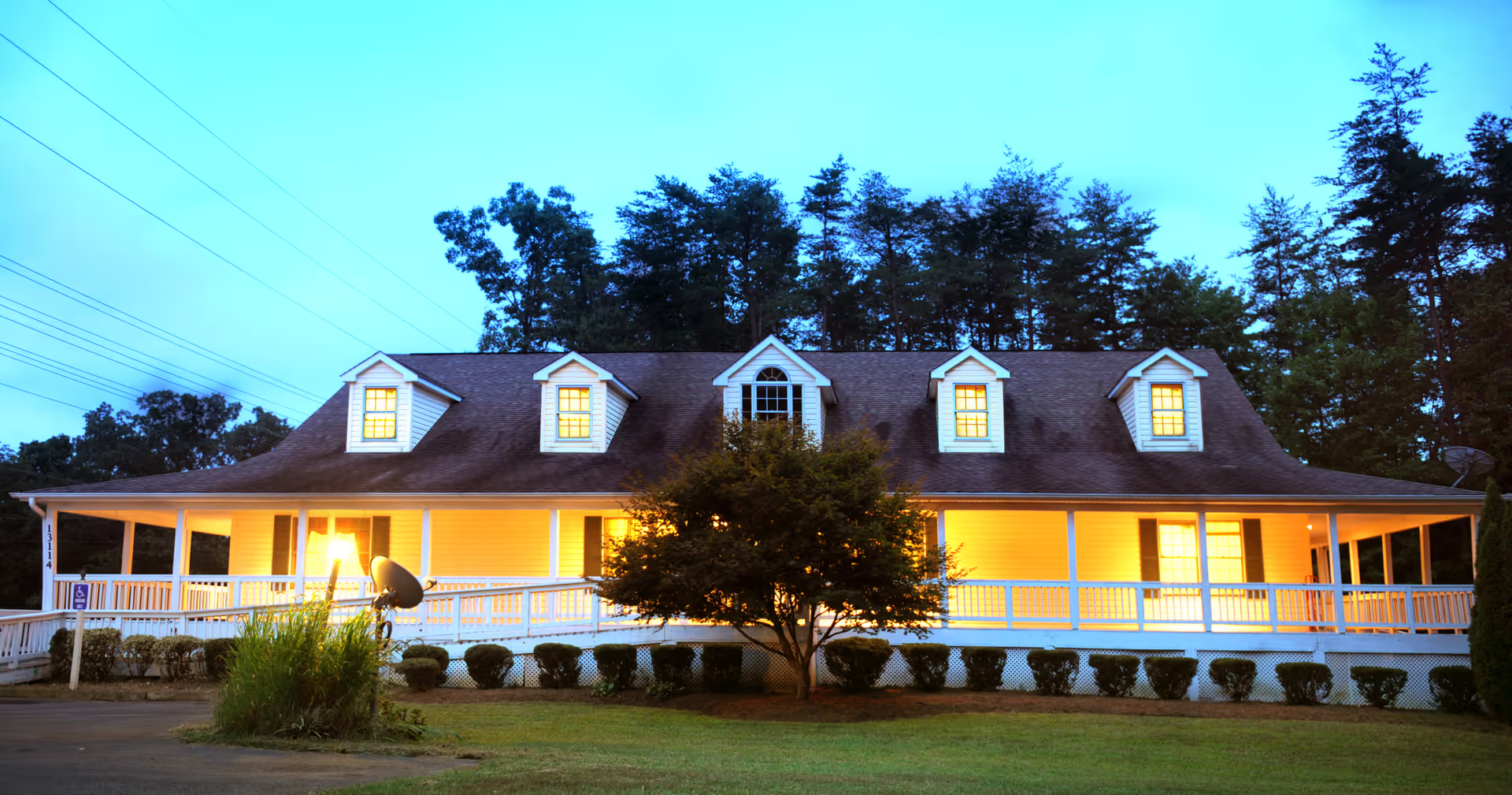
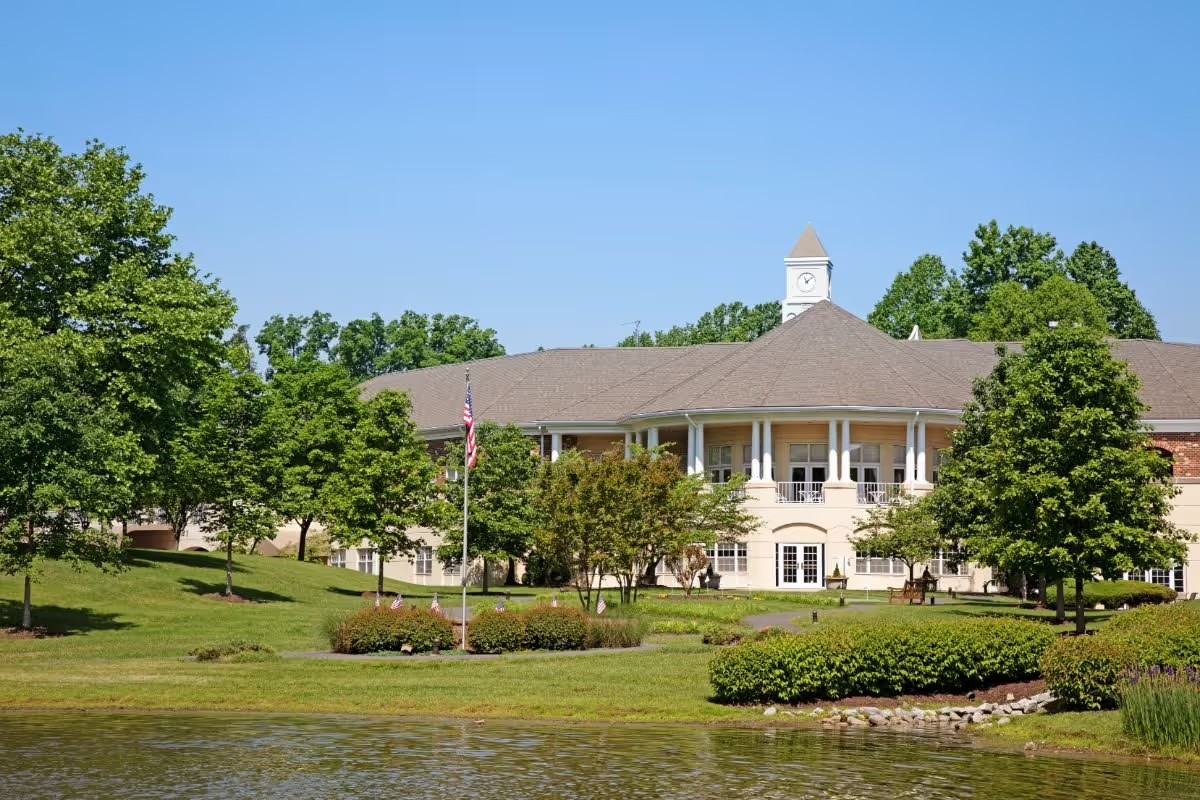
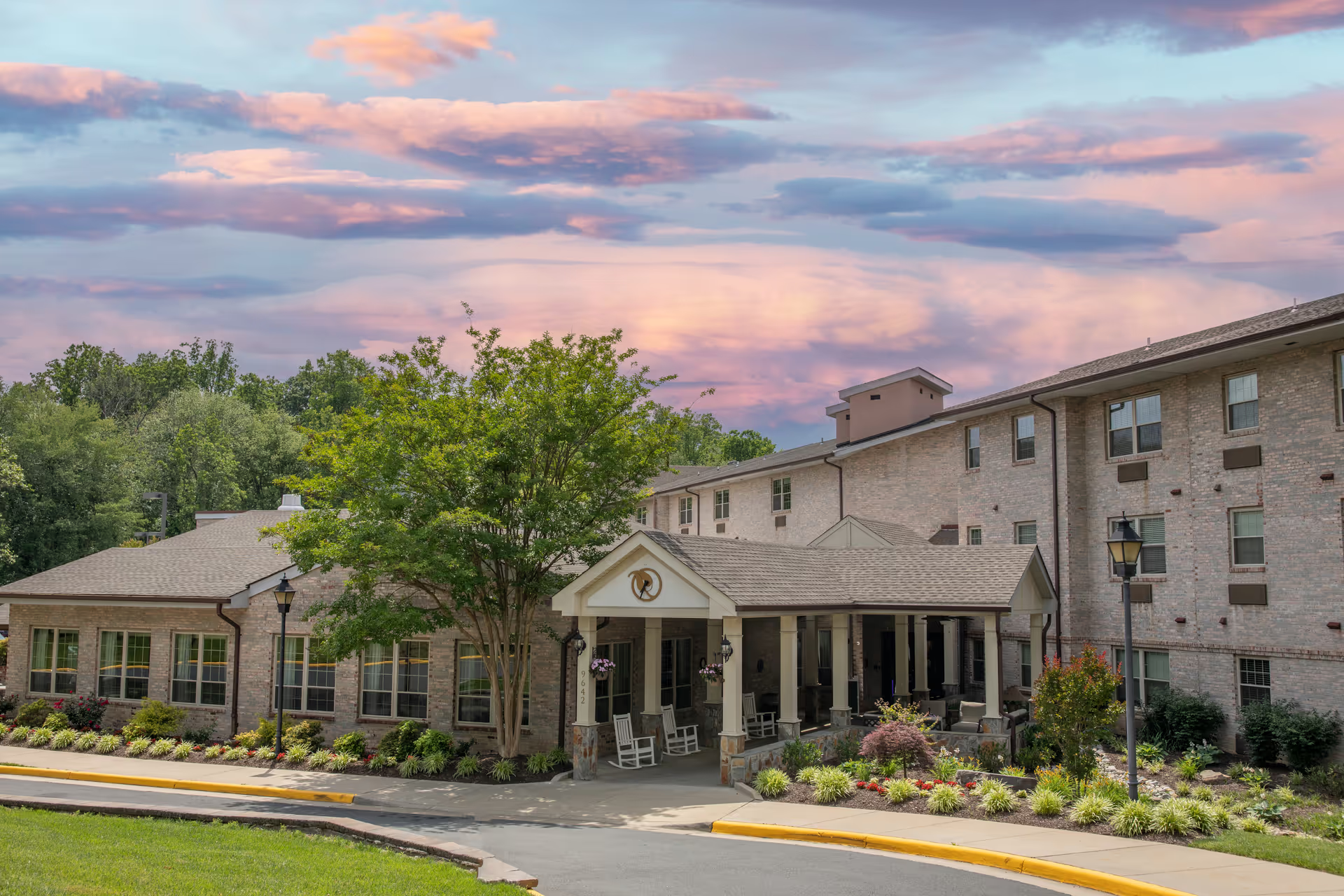
Arbor Terrace Prince William Commons presents as a modern, hotel-like senior living community with an extensive array of amenities and a strong clinical offering. Many families and residents praise the physical plant — bright common areas, well-appointed apartments, and concierge-style features such as a salon, gym, bar, bistro, and multiple dining venues. On-site therapy services (PT/OT/SLP), shuttle transportation, and a clear emphasis on dementia-support programming are recurrent strengths; these contribute to a sense of comprehensive care for residents with varying needs.
Staffing and direct care are among the facility’s most frequently cited positives. Numerous accounts describe compassionate, attentive CNAs and nursing staff, individualized attention, proactive maintenance, and an engaged activities team that runs live music, outings, and specialty classes. Several specific staff members and leadership figures receive repeated praise for responsiveness, problem-solving, and creating a welcoming, family-like atmosphere. This staff performance is often framed as delivering peace of mind to families and a high level of day‑to‑day support for residents.
Dining is a focal point of the community’s identity: the property markets a chef-driven, restaurant-style experience with a formal dining room, bistro, and specialty offerings. Many reviewers highlight attractive presentation and enjoyable meals; at the same time, there is a clear pattern of inconsistent dining quality and menu continuity across shifts and venues. Some families described smaller portions, changes to menus, and occasional discrepancies between marketing imagery and what is served. Dining-service reliability—particularly in memory-care dining or during certain shifts—emerged as an operational area that affects satisfaction.
A prominent area of concern across reviews is operational consistency. Reported high turnover among nursing and care staff, along with periodic understaffing, has been associated with delayed responses to call lights and overnight coverage gaps. Families described inconsistent communication from staff and management on care issues, and a subset reported that escalated concerns were not always resolved to their satisfaction. Language barriers and uneven training levels were also mentioned as factors that sometimes affect resident interactions.
Facility-level logistics show mixed performance. Maintenance and housekeeping teams are frequently commended for rapid response and thorough work, but there are also accounts of housekeeping follow-through problems and carpet or cleaning issues that were not promptly addressed. Connectivity is another practical concern: building cellular reception and in‑community internet or landline access have been described as poor in places, and families were sometimes advised to install alternatives. Pricing is consistently described as premium; while many families feel the community offers value relative to comparably priced alternatives, the cost and additional fees were noted as a barrier for some.
In summary, Arbor Terrace Prince William Commons offers a robust set of amenities, strong clinical services, and many examples of high-quality compassionate care. Prospective residents and families should weigh those strengths against operational variability: staffing turnover, occasional communication gaps, internet/cellular limitations, and mixed dining consistency. For families prioritizing a hotel-like environment with active programming and on-site therapies, the community can be an excellent fit; for those for whom uninterrupted staffing, predictable meal service, or lower cost are primary requirements, it will be important to seek specific assurances and observe staffing patterns and dining service during multiple parts of the day before making a placement decision.