Overall impression: Reviews for Auburn Post Acute show a mixed picture. Many families and staff describe a warm, home-like environment with compassionate front-line caregivers and a strong rehabilitation program. At the same time, a recurring set of operational shortcomings—particularly around staffing, responsiveness, cleanliness, and communication—appears in multiple accounts. Prospective residents and families should weigh the facility’s strong therapy and activities offerings against these operational inconsistencies.
Care quality and clinical issues: Several reviewers praised nurses, CNAs, and the rehab team for helping residents regain independence and for being empathetic in daily care. However, there are repeated concerns about delayed responses to call lights, inconsistent medication administration and follow-up, and gaps in clinical coordination (for example, delays in implementing physician orders or arranging diagnostics). A small number of reviews described regulatory inquiries and serious clinical incidents; those accounts suggest the importance of reviewing recent inspection reports and asking the facility about current corrective actions.
Staff and management: Direct-care staff are frequently described as caring and invested, and some reviewers singled out specific caregivers and activity personnel for commendation. Conversely, many comments point to uneven management, frequent administrative turnover, and variability in supervisory oversight. Communication breakdowns with families, slow incident documentation, and occasional unprofessional interactions were described. Language and cultural-communication barriers were also mentioned as a factor that can affect consistency of care.
Dining and activities: The facility receives positive notes for hot, plated meals, beverage options such as smoothies, and a robust activities calendar including bingo, meditation, and regular outings. Meal quality, however, was inconsistent across reports; some residents found food bland or greasy, and there are comments about restrictive seasoning policies that affect palatability for some diners.
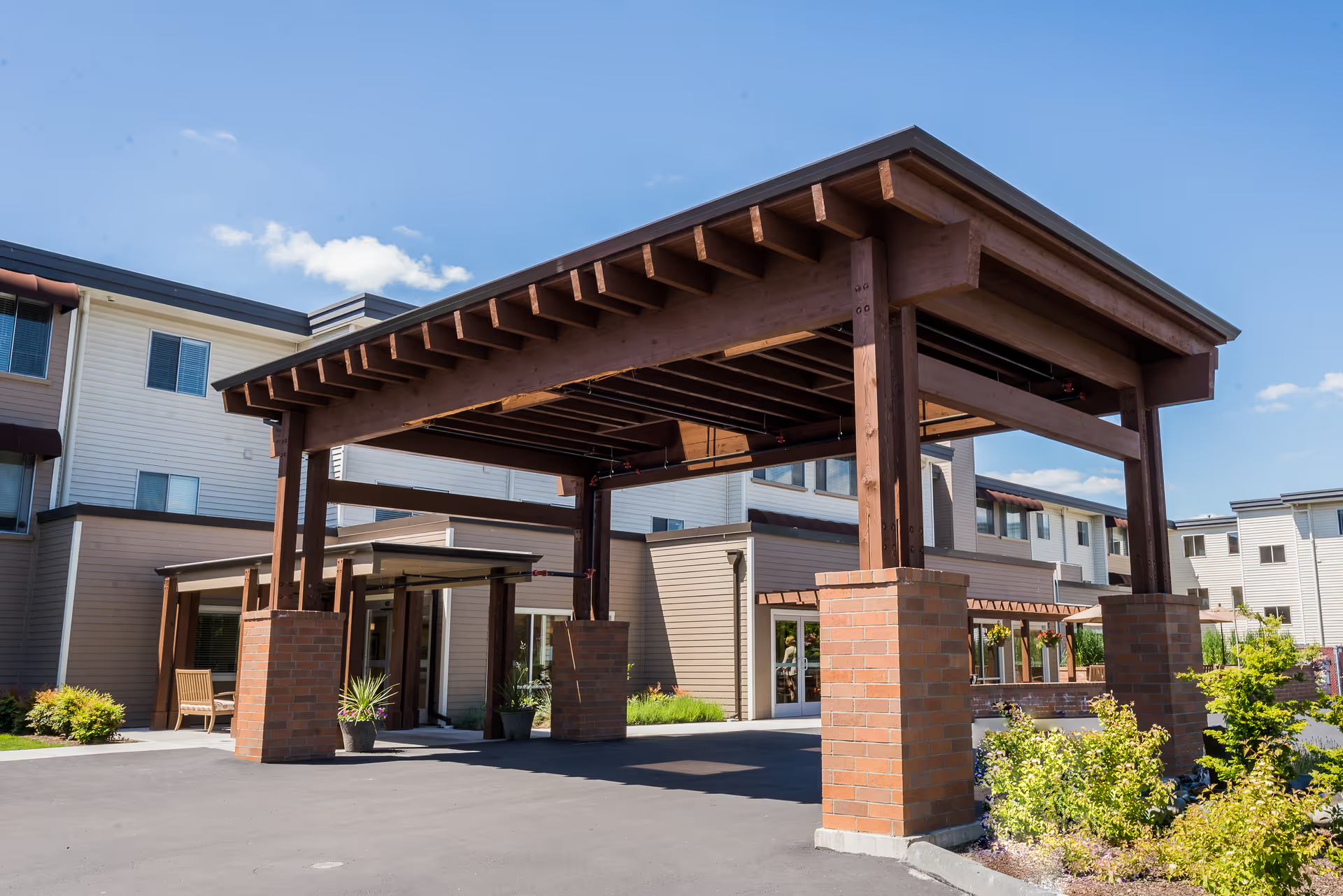
Facilities, equipment, and sanitation: Reviewers offer conflicting perspectives on the physical environment. Some describe a clean, welcoming space near hospitals with a home-like feel. Others raise sanitation concerns in rooms and common areas, odor issues, and maintenance shortcomings (including mobility equipment and emergency/alert systems). Multiple reviewers noted unreliable in-room phones or facility phone systems, which affects family communication and staff coordination.
Safety, incident response, and administrative concerns: Patterns in the reviews point to weaknesses in timely incident response, safety monitoring, and family notification following clinical events. There are also a few serious allegations concerning theft and billing irregularities; those are matters to verify through regulatory records and direct discussion with facility administration. Visitors also noted limited guest parking and some restrictive visitation practices on weekends.
What to ask on a tour: Given the variability in experiences, families should ask about current staffing levels and ratios, average response times to call lights, medication-administration protocols, recent inspection results and corrective actions, phone and emergency-alert system reliability, infection-control measures, and how the facility handles family communication after incidents. Inquire specifically about activities schedules, dietary accommodations, and equipment maintenance procedures.
Bottom line: Auburn Post Acute offers clear strengths in compassionate caregiving, therapy services, and an active activities program. At the same time, there are consistent operational concerns—staffing reliability, responsiveness, sanitation, communication, and management stability—that merit careful review and verification before placement.