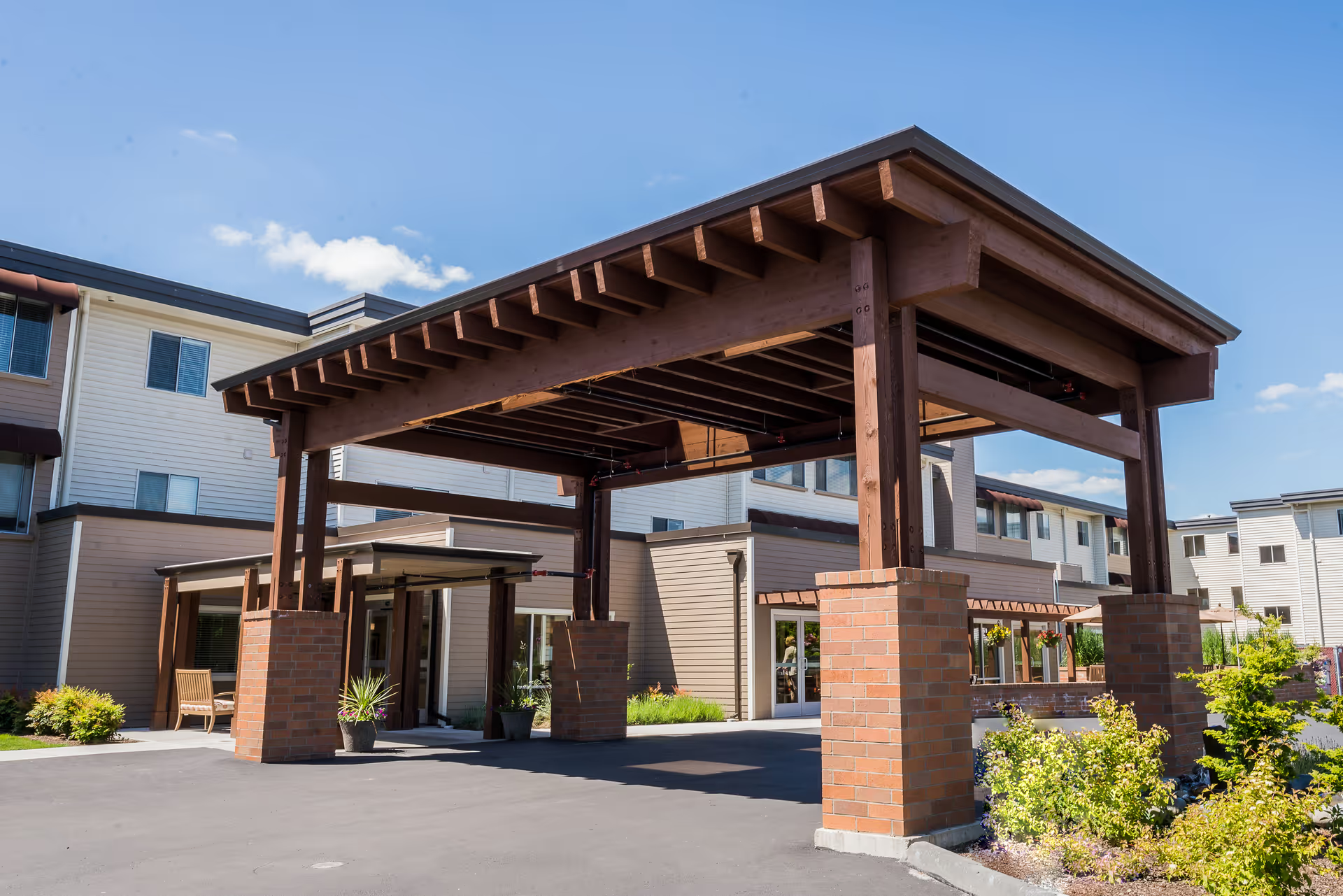
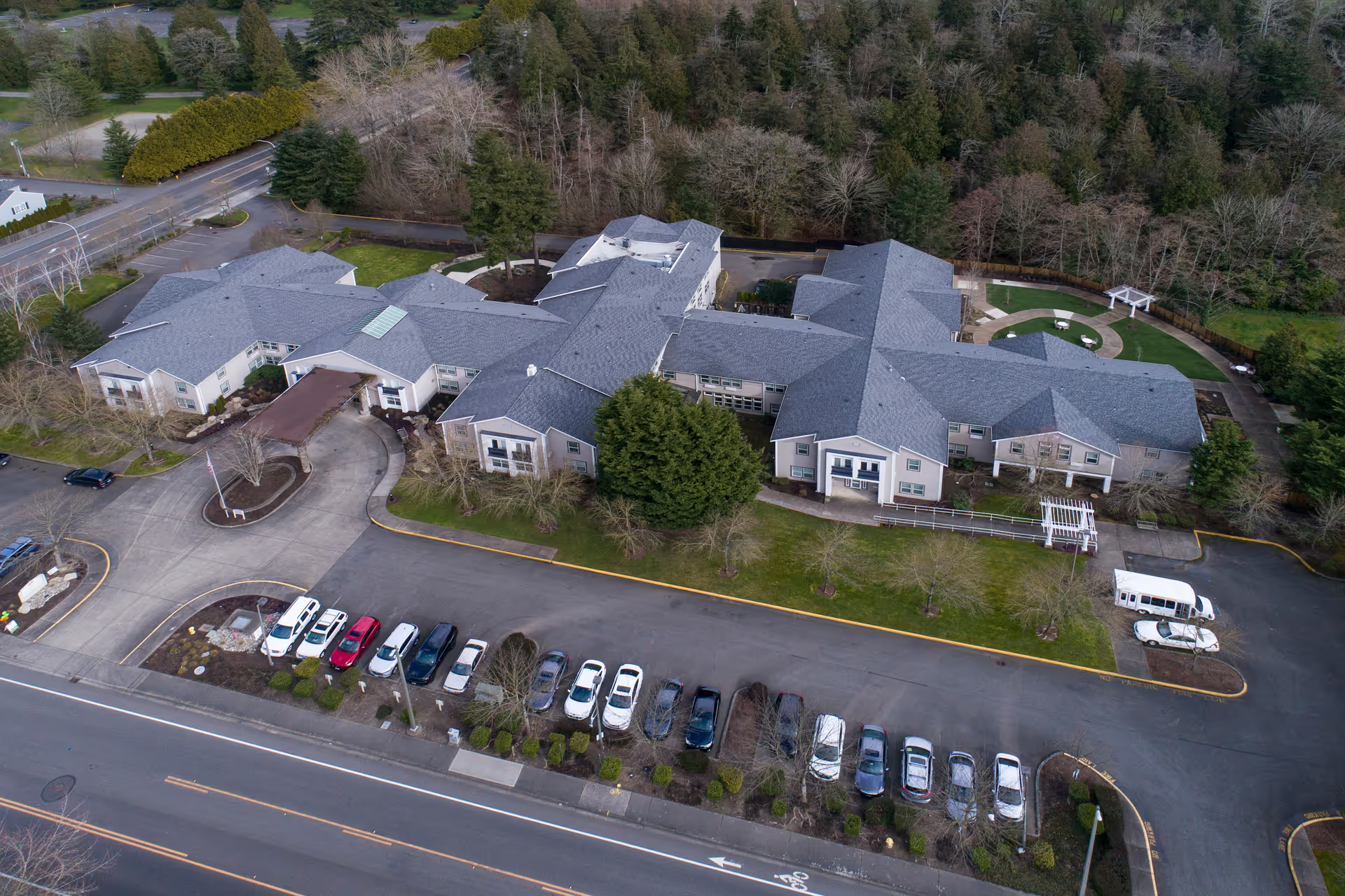
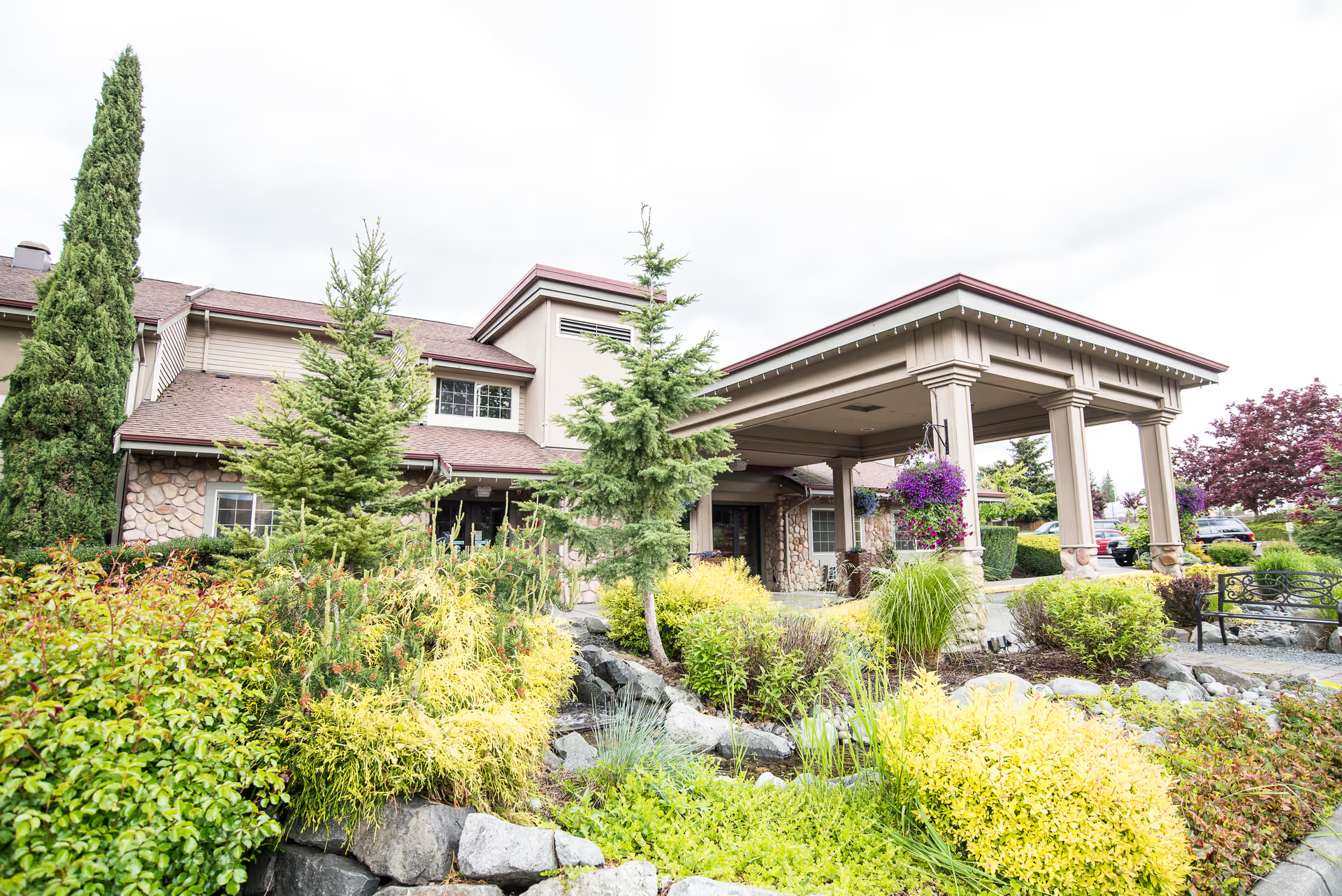
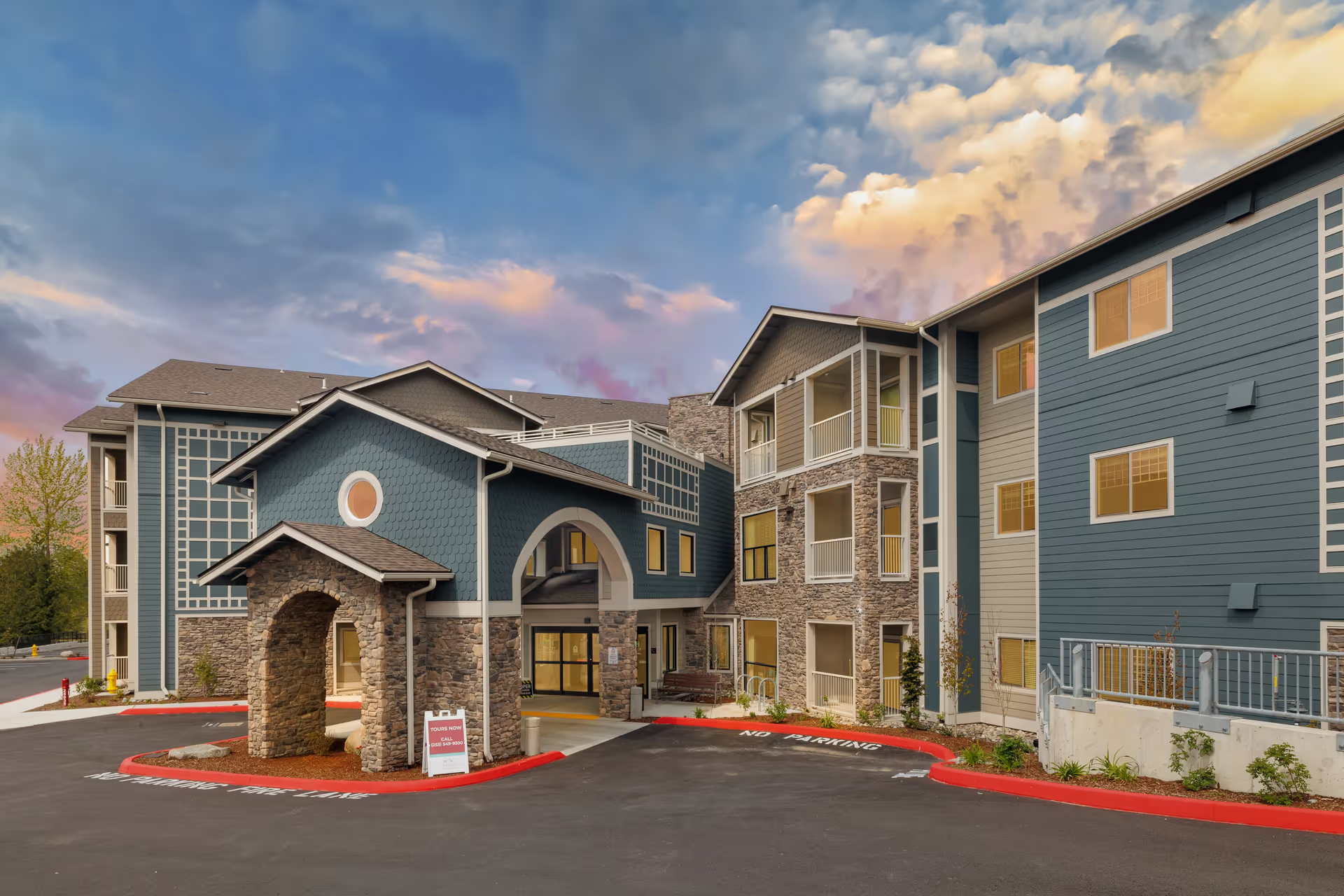
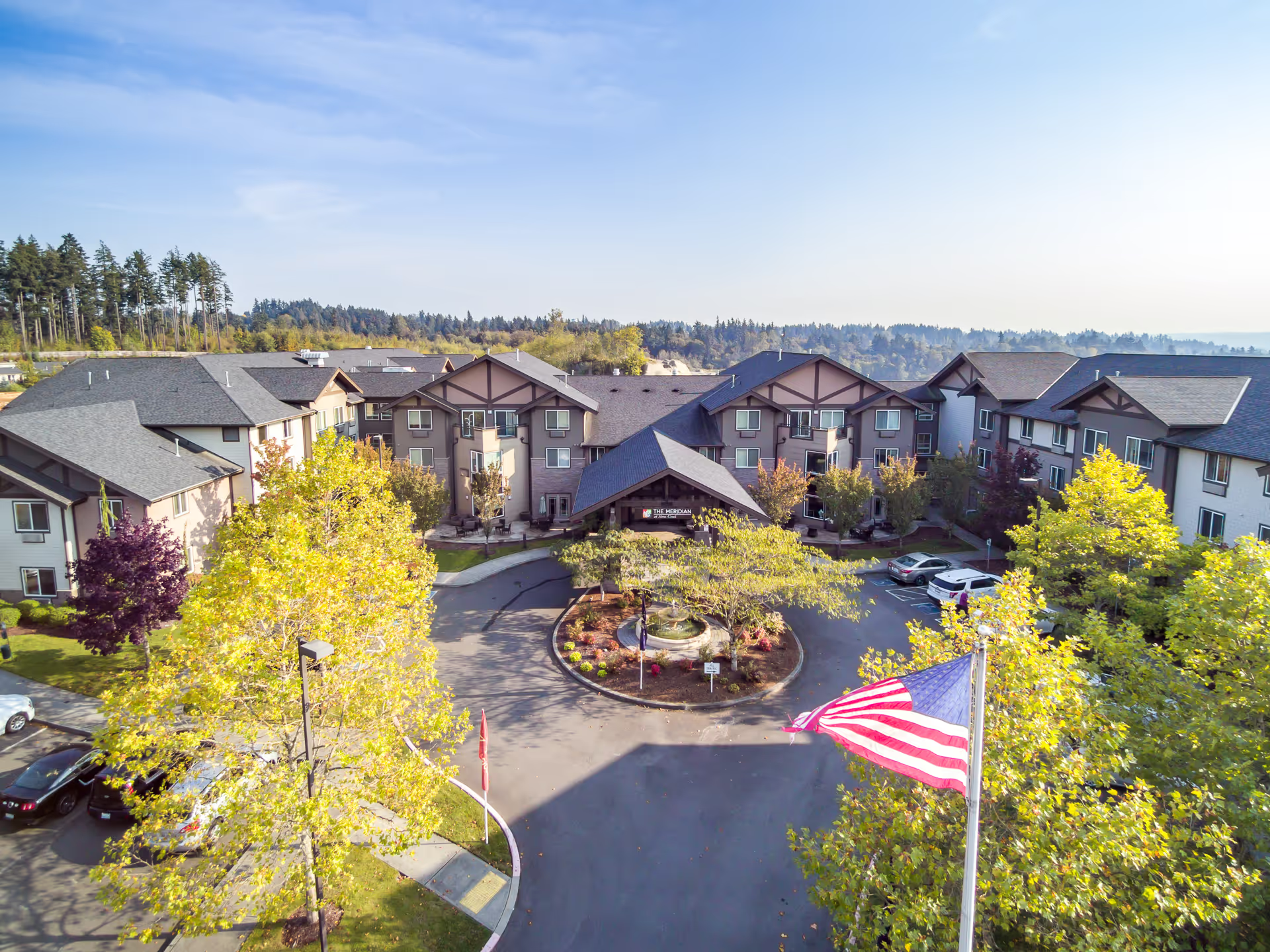
Overall impression: Merrill Gardens at Auburn presents as a modern, hotel-like senior living community with many features families associate with higher-end independent and assisted living. Reviewers consistently highlight a clean, well-appointed campus, bright apartments with natural light, and a broad set of on-site amenities (movie theater, courtyard, concierge services, and transportation). The community atmosphere is often described as welcoming and social, with residents forming friendships and staff fostering a family-like environment.
Care quality and staff: Staffing and direct-care quality are commonly cited strengths. Many families describe caregivers and nurses as compassionate, skilled, and attentive; on-site RN availability and individualized, dignity-preserving care are noted positively. At the same time, reviewers indicate periodic operational staffing pressures—most visibly within dining and some support functions—that can affect service consistency. A small number of reviews reference concerns about staff communication tone or responsiveness in isolated situations; overall, management and activity leadership receive favorable comments for engagement and low turnover in clinical roles.
Dining: Dining at the community receives mixed evaluations. Several reviewers praise long dining hours, varied menus, fine-dining presentation, wine selections, and in-house culinary offerings. Conversely, a number of families reported inconsistent meal quality, slow service, cold plates, reduced portion sizes, and menu repetition or shortages. These dining inconsistencies appear linked in some reviews to staffing turnover or growth-phase service disruptions; several mentions indicate the kitchen has been actively working to address these issues.
Activities and social programming: Activity programming is a clear strength for many residents. The community offers a robust calendar of daily events—movies, games, music, outings, art, and memory-care–appropriate engagement—with an active activity director and frequent entertainment. A few reviewers felt programming variety could be greater for specific residents or units (noting limited options such as chair aerobics), but overall the scope of offerings and transportation for appointments and outings are seen as positive.
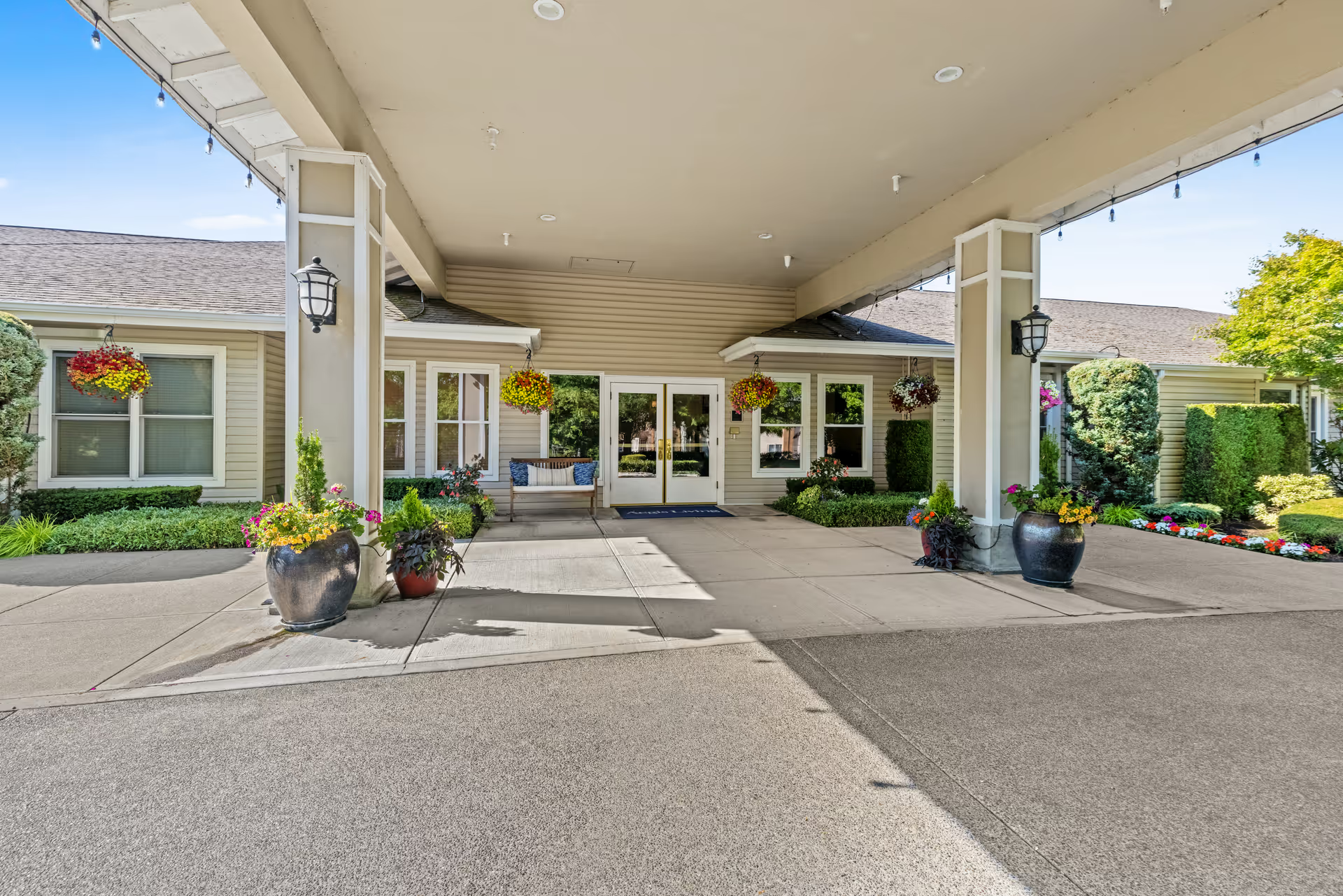
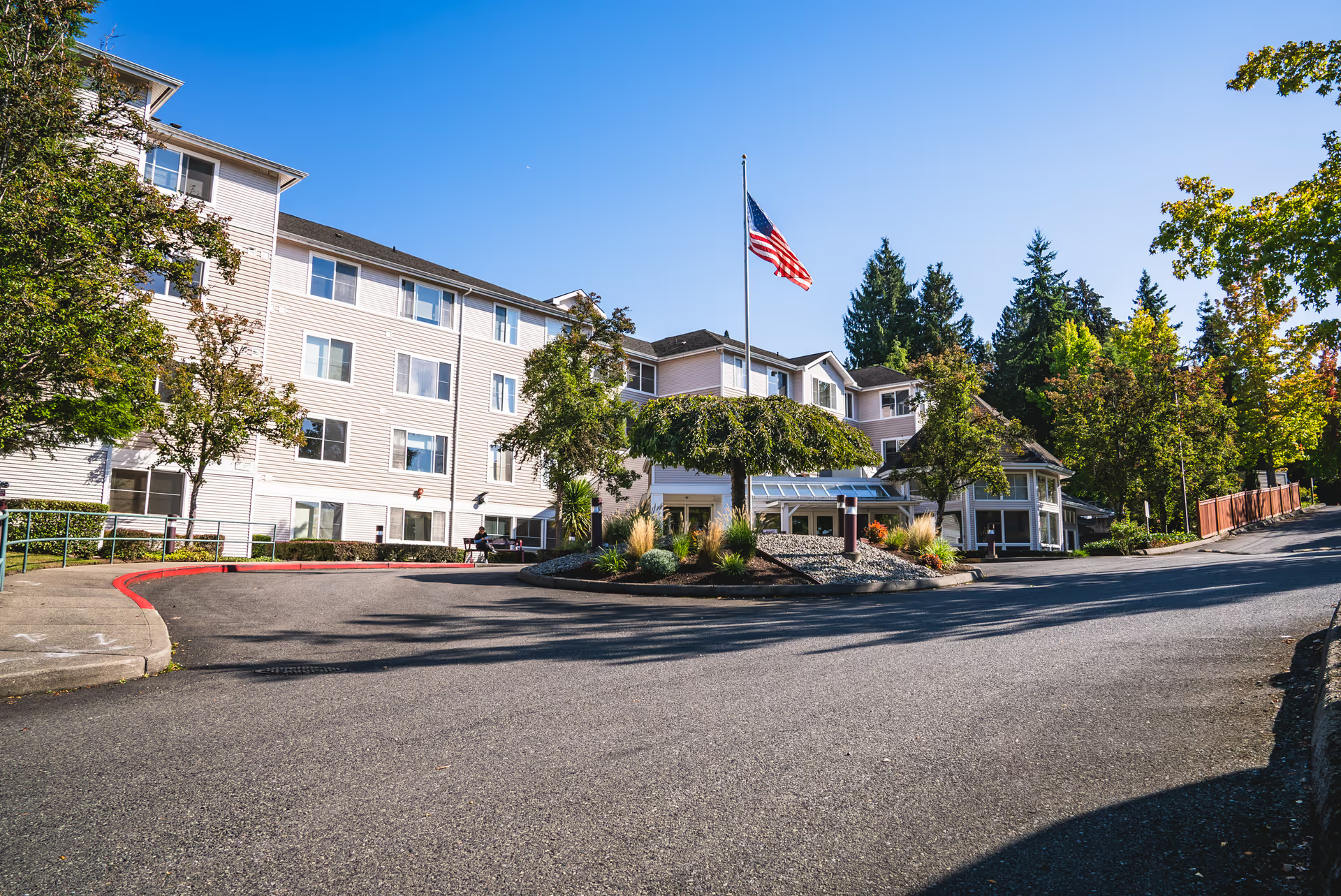
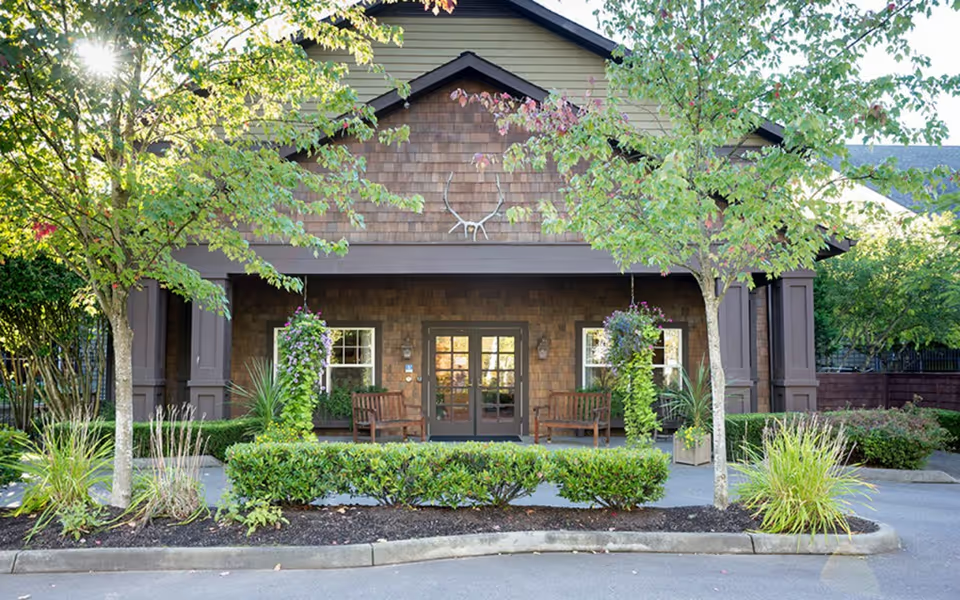
Facilities and amenities: The physical environment is frequently praised: attractive lobby and dining areas, well-maintained common spaces, secure underground parking, and accessible apartment layouts (studios through two-bedrooms, ADA bathrooms, some units with washers/dryers). Cleanliness and regular apartment cleaning are commonly cited. A minority of comments raise a desire for more mature landscaping and additional garden space.
Management and operations: Admissions, move-in coordination, and family communications are often described as efficient and supportive, with specific staff members named for positive interactions. However, reviewers also point to operational growing pains—delays in repairs, occasional billing or POA communication gaps, and service limitations tied to licensing or start-up phases in a brand-new community. Cost is a recurring consideration: fees and rent increases are described as higher than some alternatives, though many families judge the price to align with the facility’s amenities and level of care.
Notable patterns and recommendations: The dominant strengths are staff quality, cleanliness, amenity depth, and active social programming. The principal weaknesses are operational: inconsistent dining service/food quality, periodic staffing strains that ripple into housekeeping and service speed, and variability in administrative responsiveness. Prospective residents and families should tour during mealtimes to evaluate current food service, ask about recent staffing and turnover trends, confirm licensing and service availability for specific care needs, and verify whether a preferred floorplan includes in-unit laundry. These steps will help align expectations on cost, care level, and day-to-day living experience.