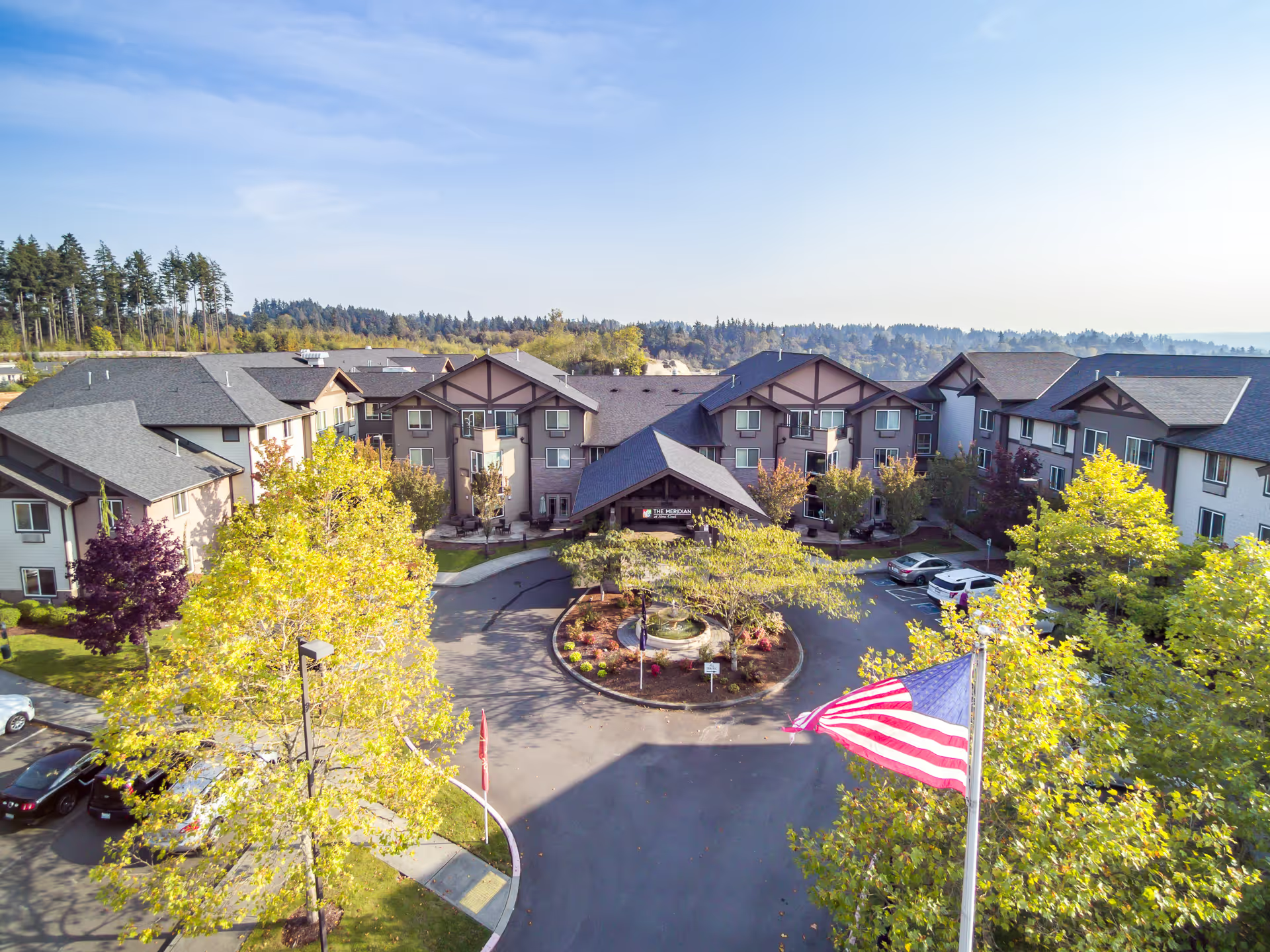
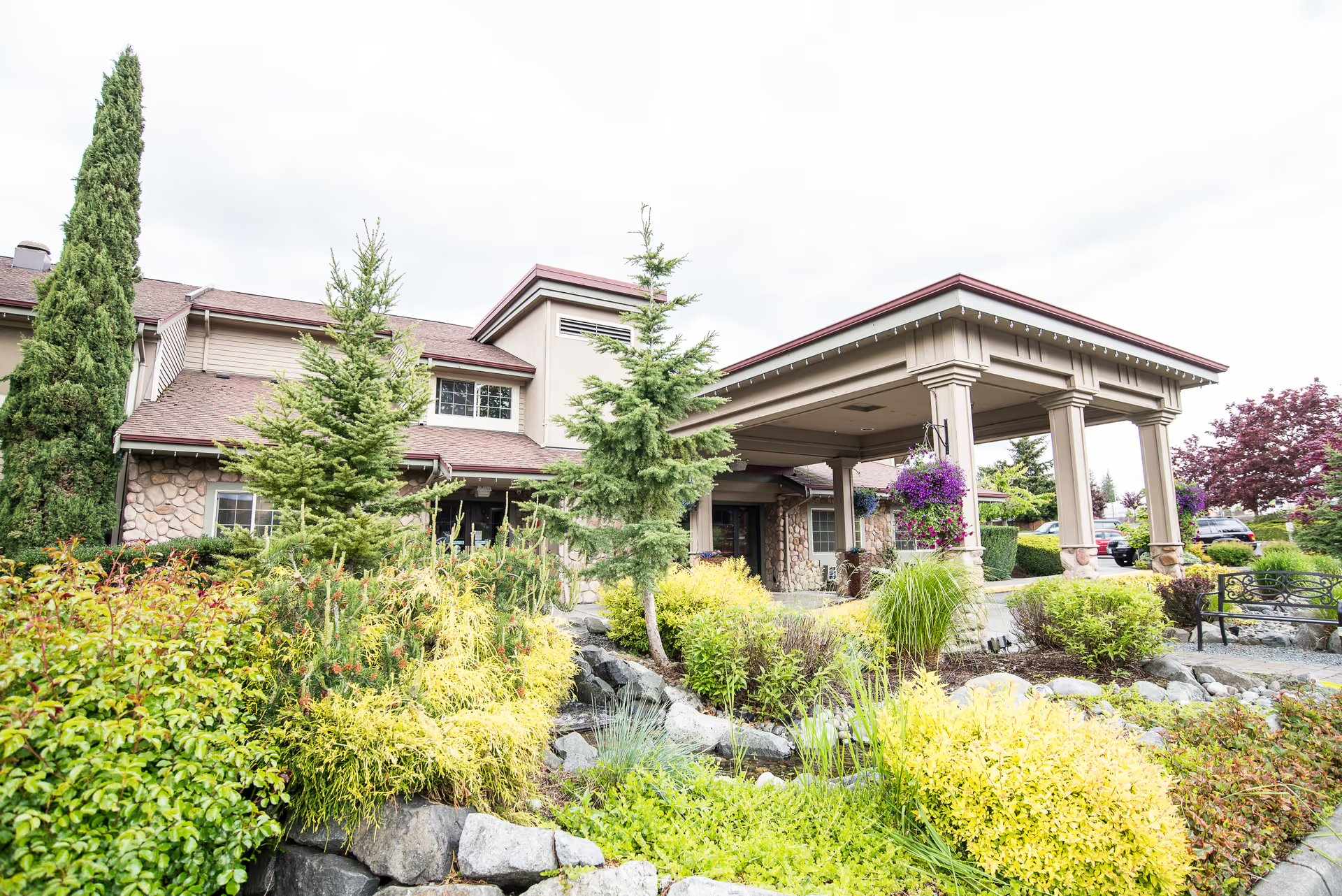
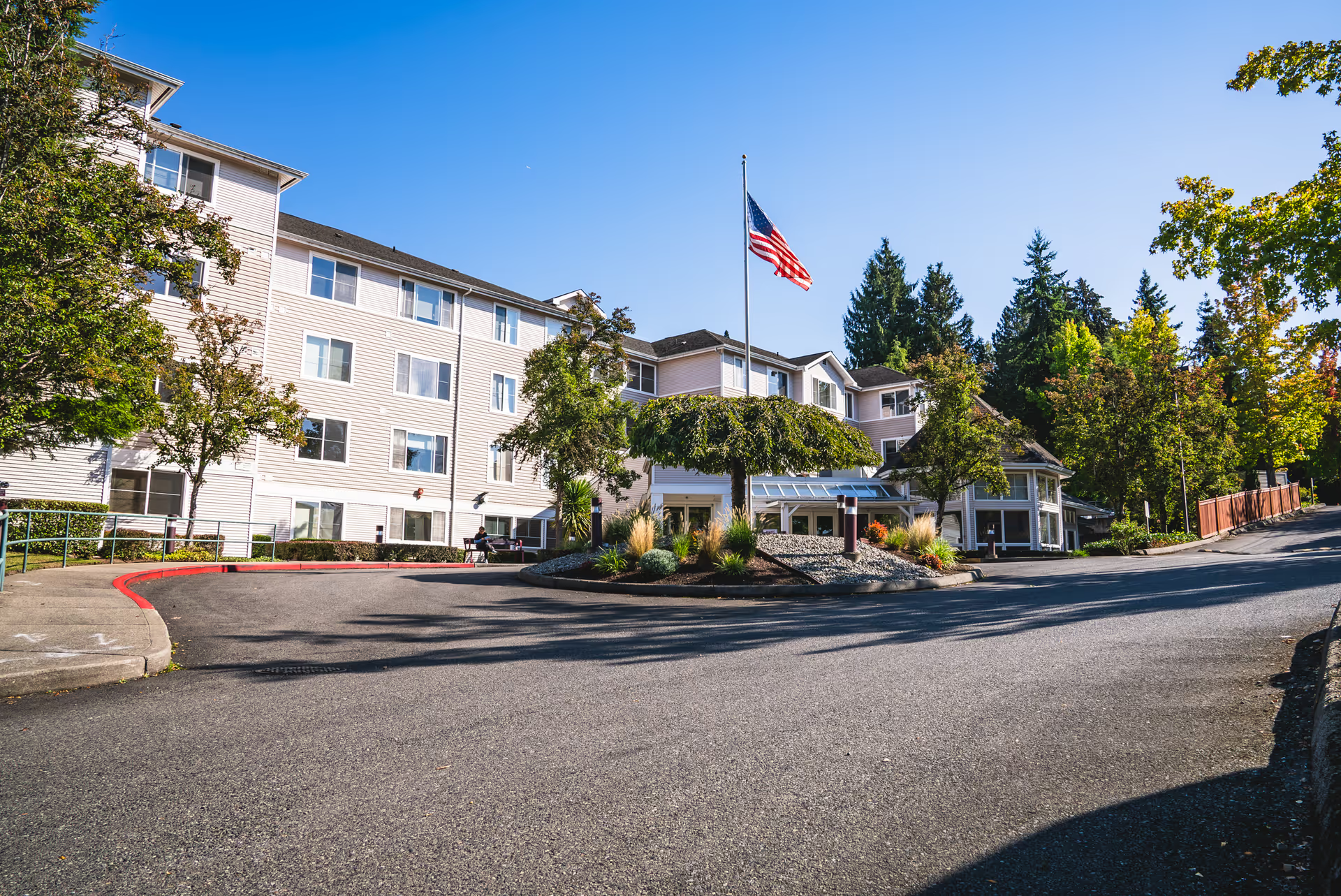
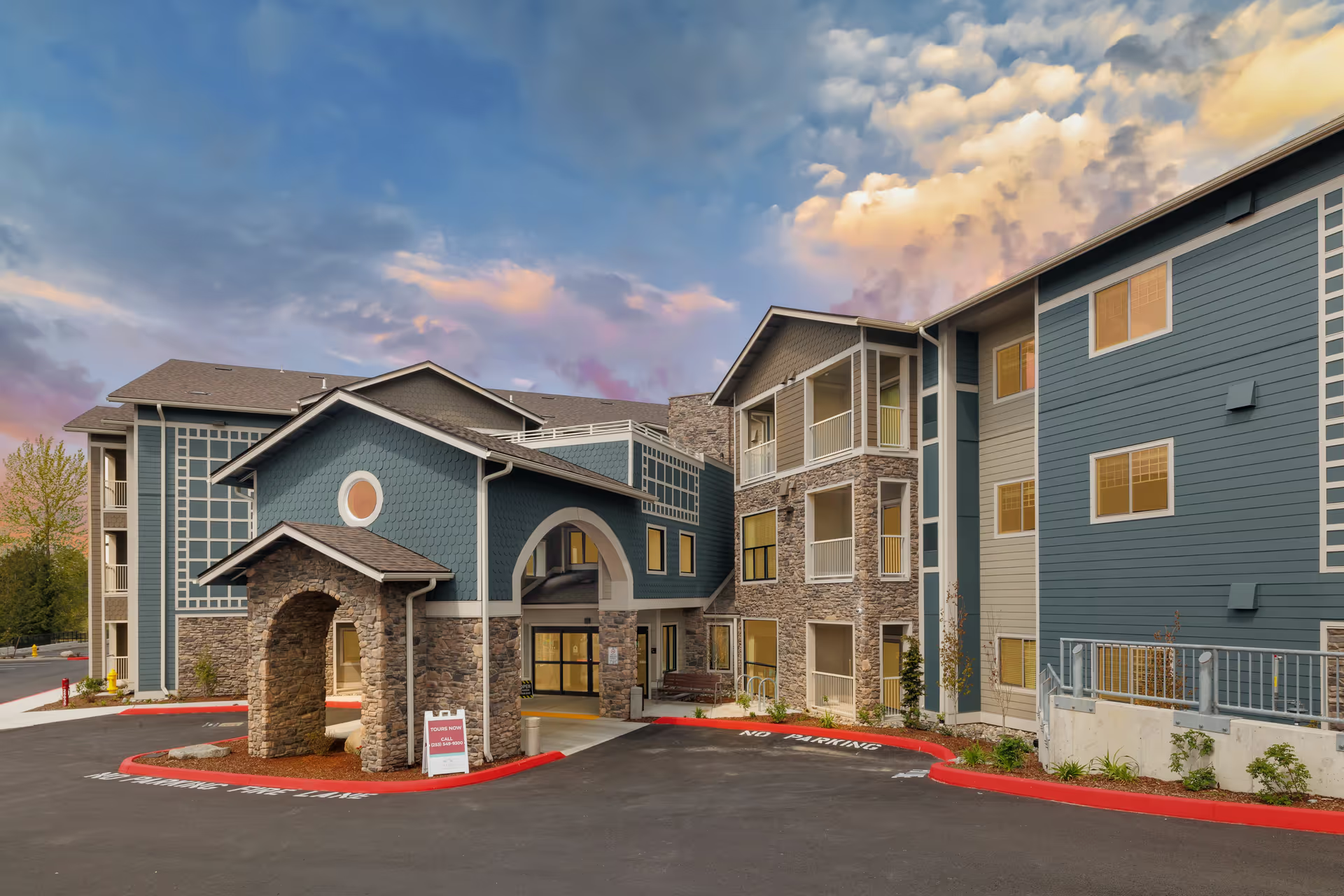
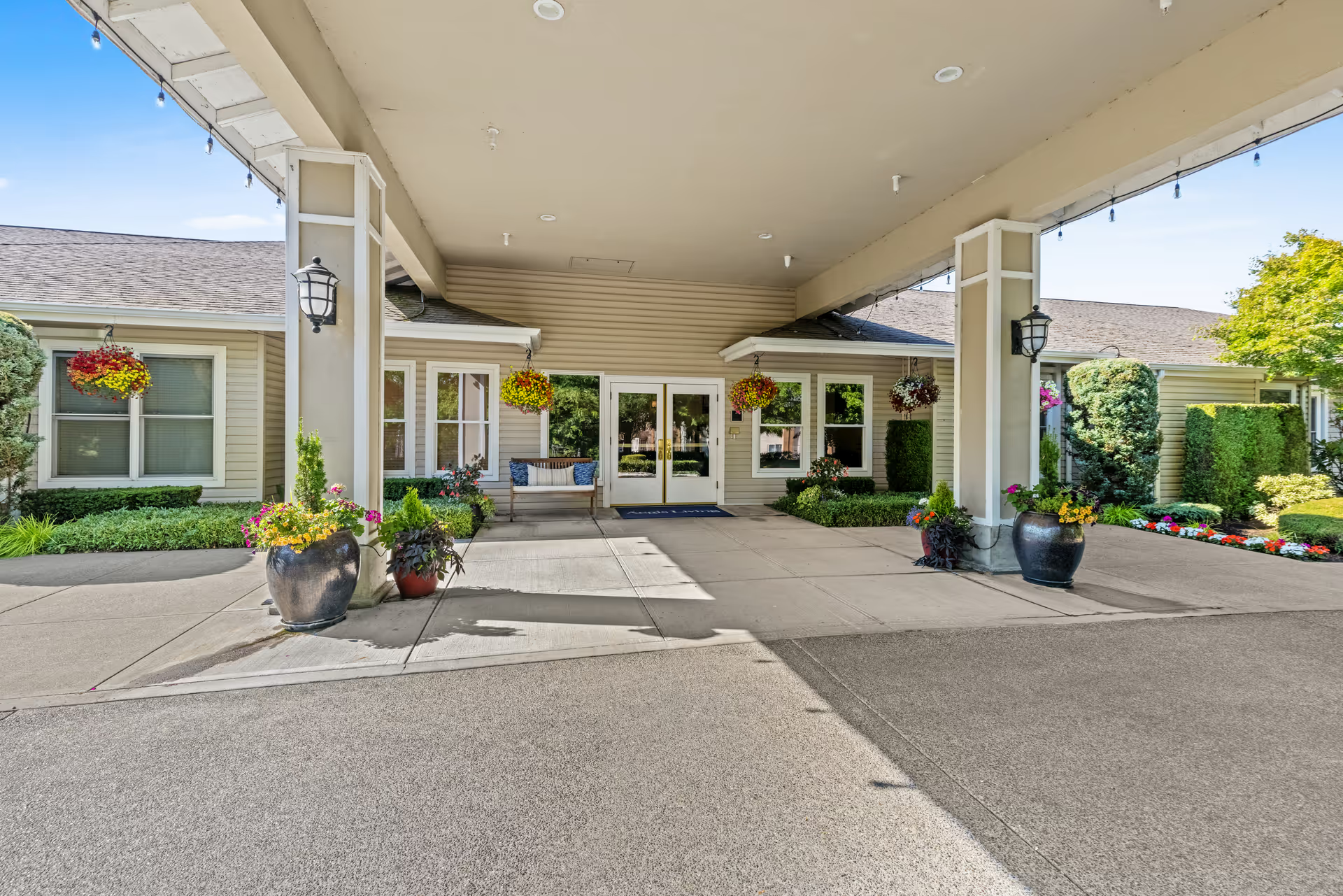
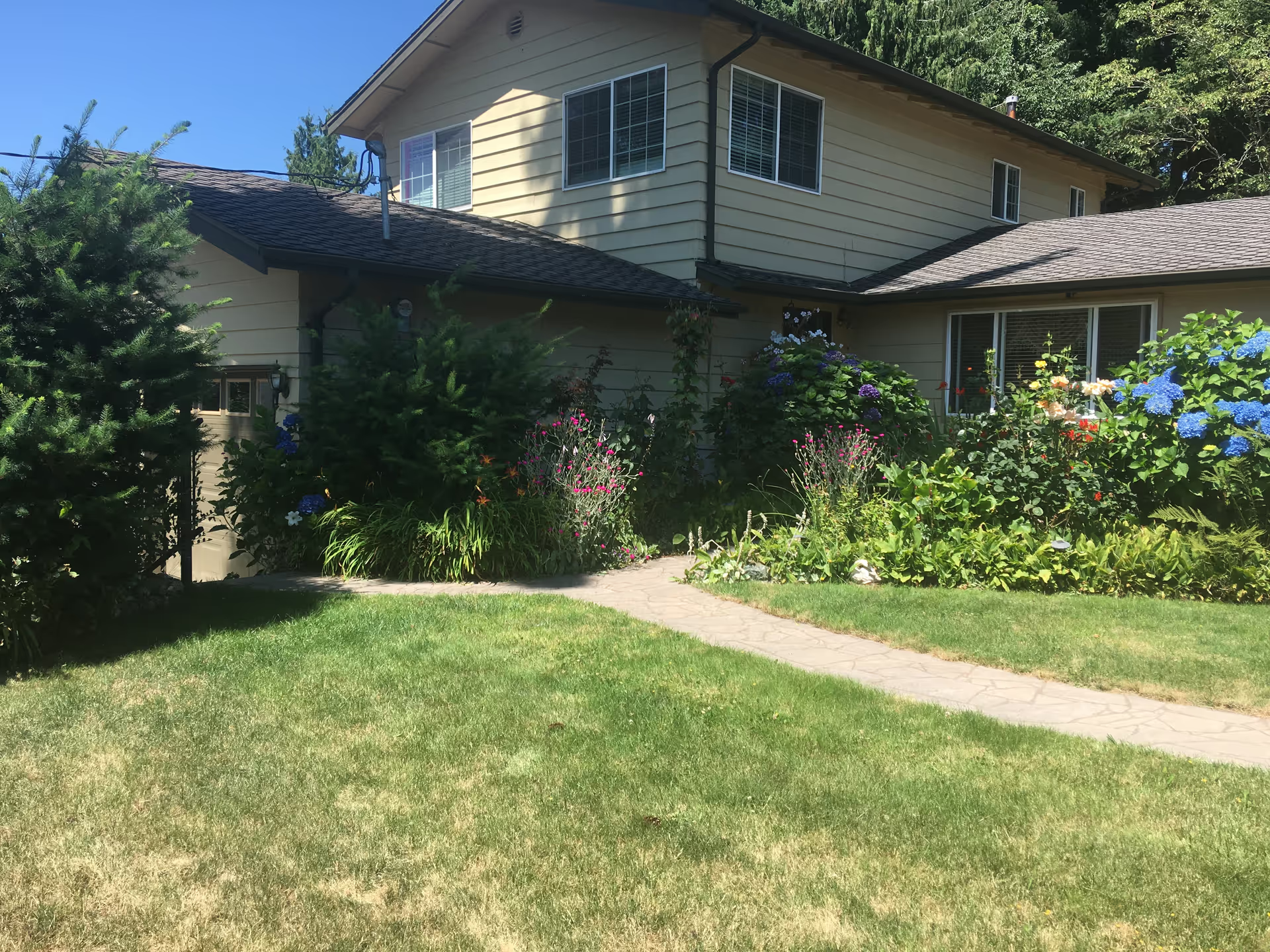
Overall impression: GenCare Lifestyle Federal Way presents as a well-appointed, community-oriented assisted-living campus with consistently positive feedback about its caregiving culture, grounds, and activity program. Many families describe a welcoming, family-like atmosphere and frequent examples of staff going beyond basic duties to support residents and families. The property is repeatedly noted for clean, modern common areas, attractive gardens and outdoor spaces, and a range of amenities that support social engagement and rehabilitation goals.
Care and staff: Staffing quality is a clear strength in many accounts — caregivers, activities staff, dining staff and administration are often characterized as compassionate, personable, and resident-focused. Staff availability 24/7 and personalized attention (staff knowing residents by name) are recurring positives. At the same time, reviewers describe inconsistent performance in the memory-care unit specifically: training, staffing levels, and personal-care practices there are uneven. Several families highlighted concerns about bathing/dressing/teeth-care frequency and about the need for stronger memory-care staff training and supervision. Language barriers and periodic staffing shortages were also mentioned as factors that affect responsiveness.
Dining and activities: The dining program receives mixed but generally favorable remarks. Many reviewers praise fresh, organic, varied menus and accommodation of dietary needs (including gluten-free options), while other accounts note inconsistency in meal temperature, limited choices for residents with advanced cognitive impairment, and occasional lack of variety. Activities are a strong point in assisted-living areas — yoga, dance, travel discussions, genealogy, cooking classes, gardening and frequent social programming are cited. By contrast, activity availability inside the memory-care unit is often described as limited; some residents must leave the unit to access programming, which reduces participation for those who are less mobile or less comfortable outside the unit.
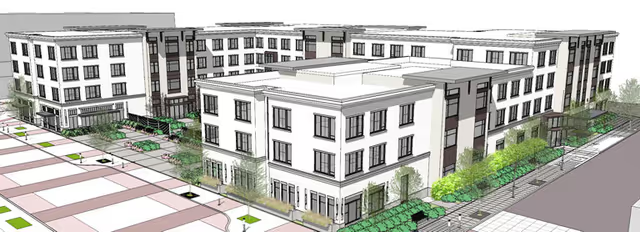
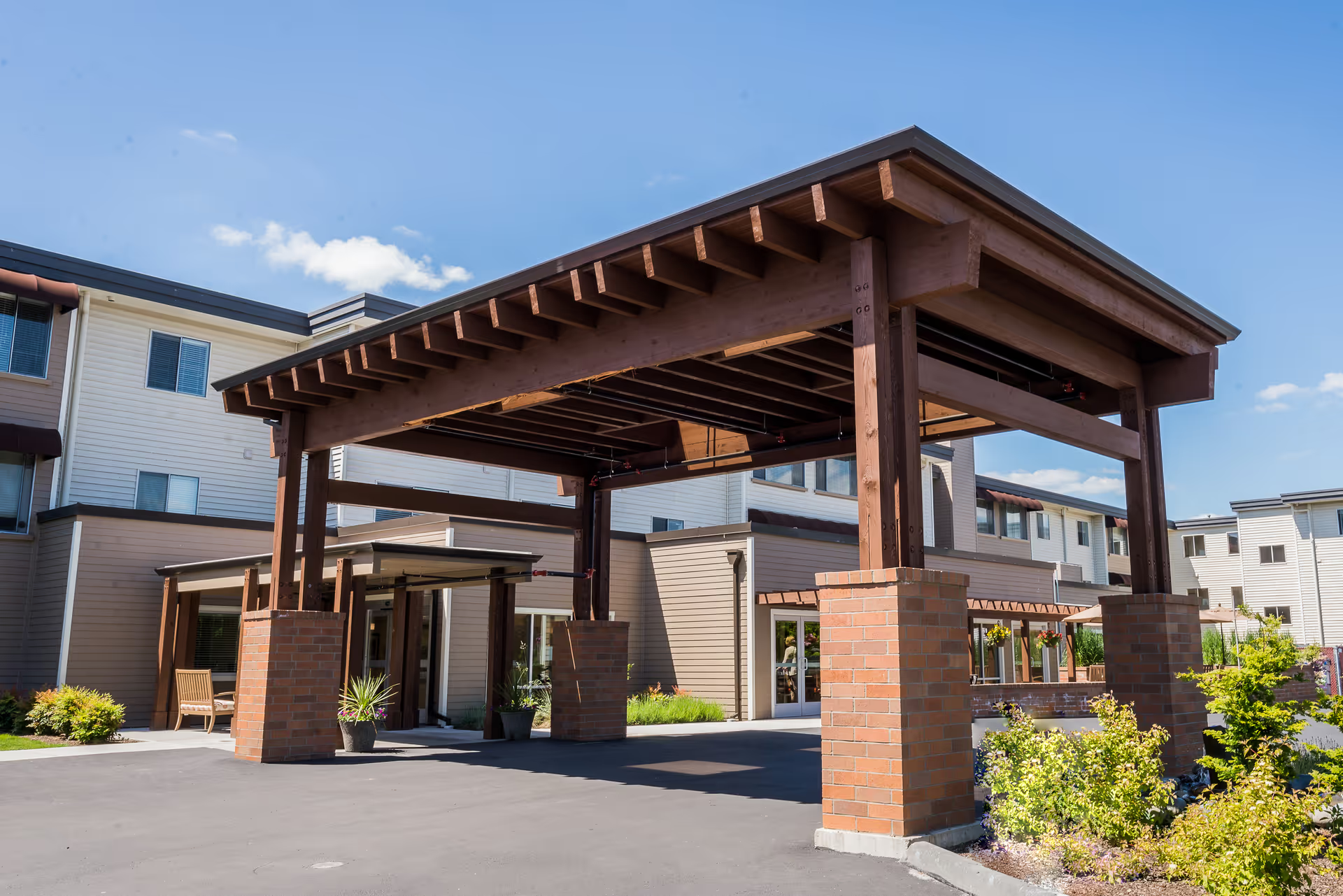
Facilities and safety: The campus is described as clean, bright and well-maintained overall, with numerous positive comments about gardens, walking areas and secure doors for memory care. However, reviewers point to variability across the building: lower-level or memory-care spaces can feel darker or less updated, and shared rooms raise privacy and space concerns for some families. Wayfinding and signage are occasionally confusing. Security is generally seen as appropriate, though families expect clearer documentation and routine updates during medical onboarding and care transitions.
Management and administrative patterns: Administrative experiences vary. Several families praised transparent pricing, free assessments, assistance with long-term care policy navigation and helpful marketing staff. Other accounts describe management turnover, uneven follow-through on concerns, and billing or charge-reconciliation problems. Communication and documentation during medical onboarding and after changes in clinical status were areas where families expressed a desire for more timely updates and clearer written follow-up.
Patterns to note for prospective families: A consistent pattern emerges: assisted-living residents and their families frequently report a positive social environment, active programming, good food and attentive staff, whereas memory care elicits more mixed feedback focused on staffing competence, activity access, and personal-care consistency. Prospective residents should verify current memory-care staffing and programming, ask about recent turnover, inspect specific unit lighting and décor, clarify billing practices and documentation procedures, and confirm how dietary accommodations and personal-care schedules are managed. Overall, the facility has many operational strengths but also identifiable areas for improvement that matter most for residents needing higher-acuity memory care and for families who prioritize administrative reliability and consistent clinical coordination.