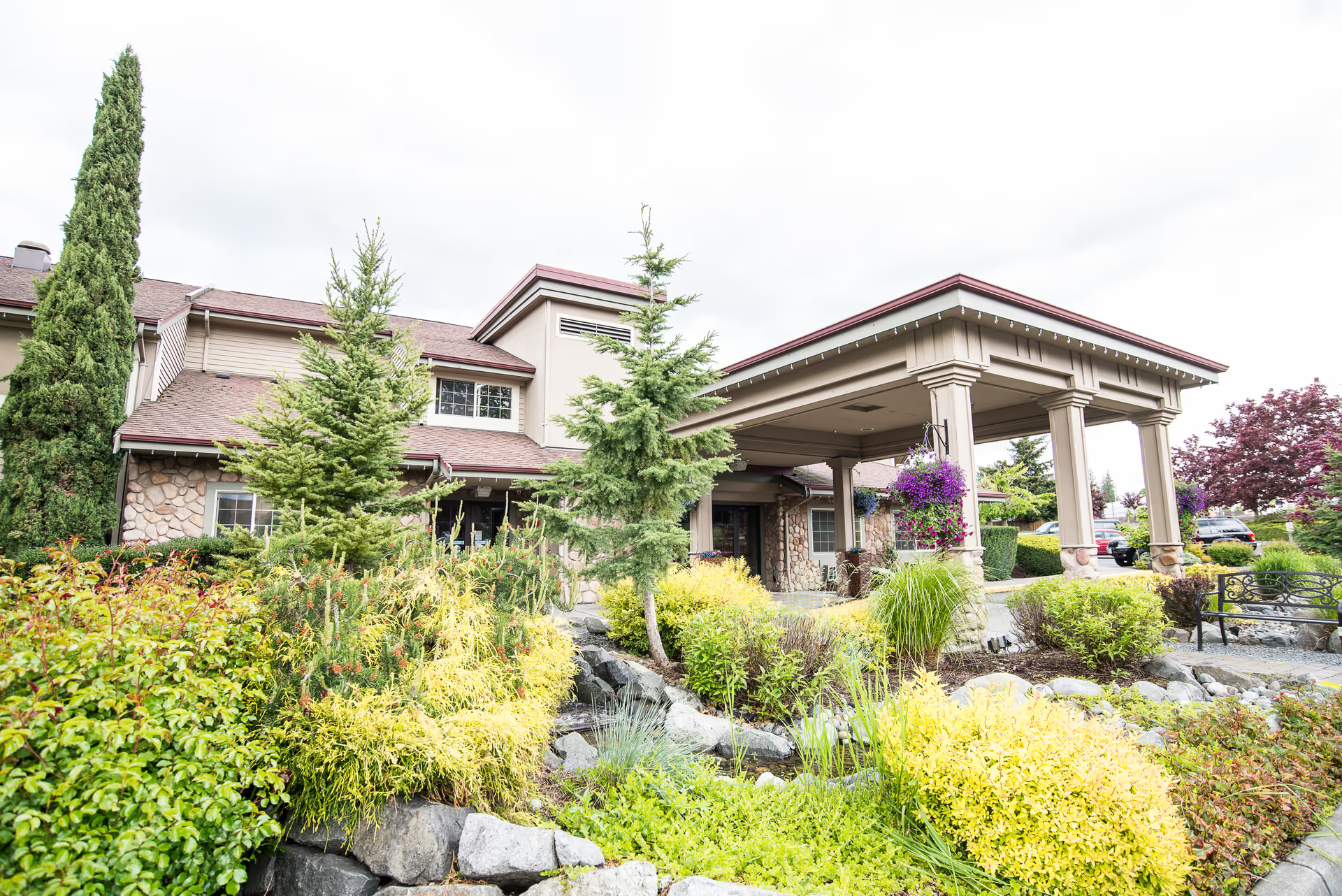
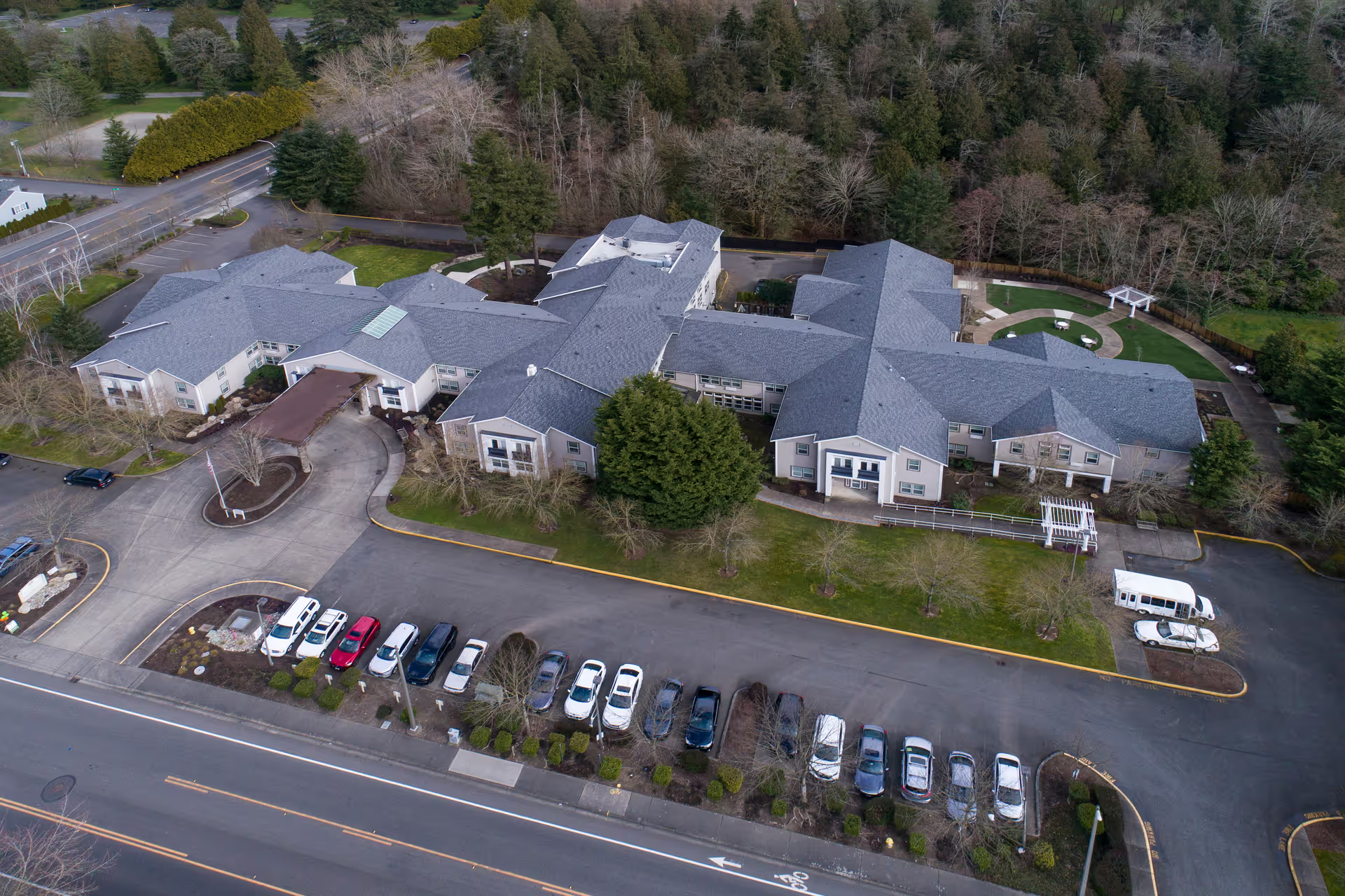
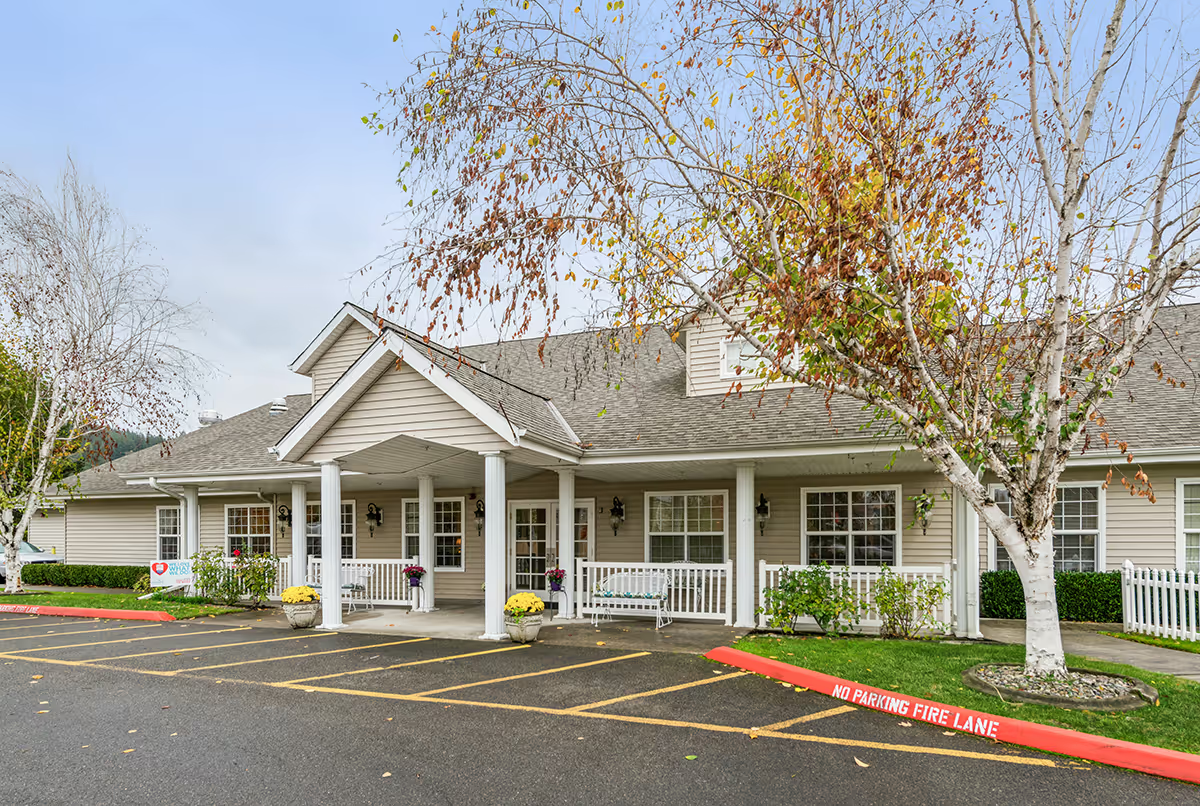
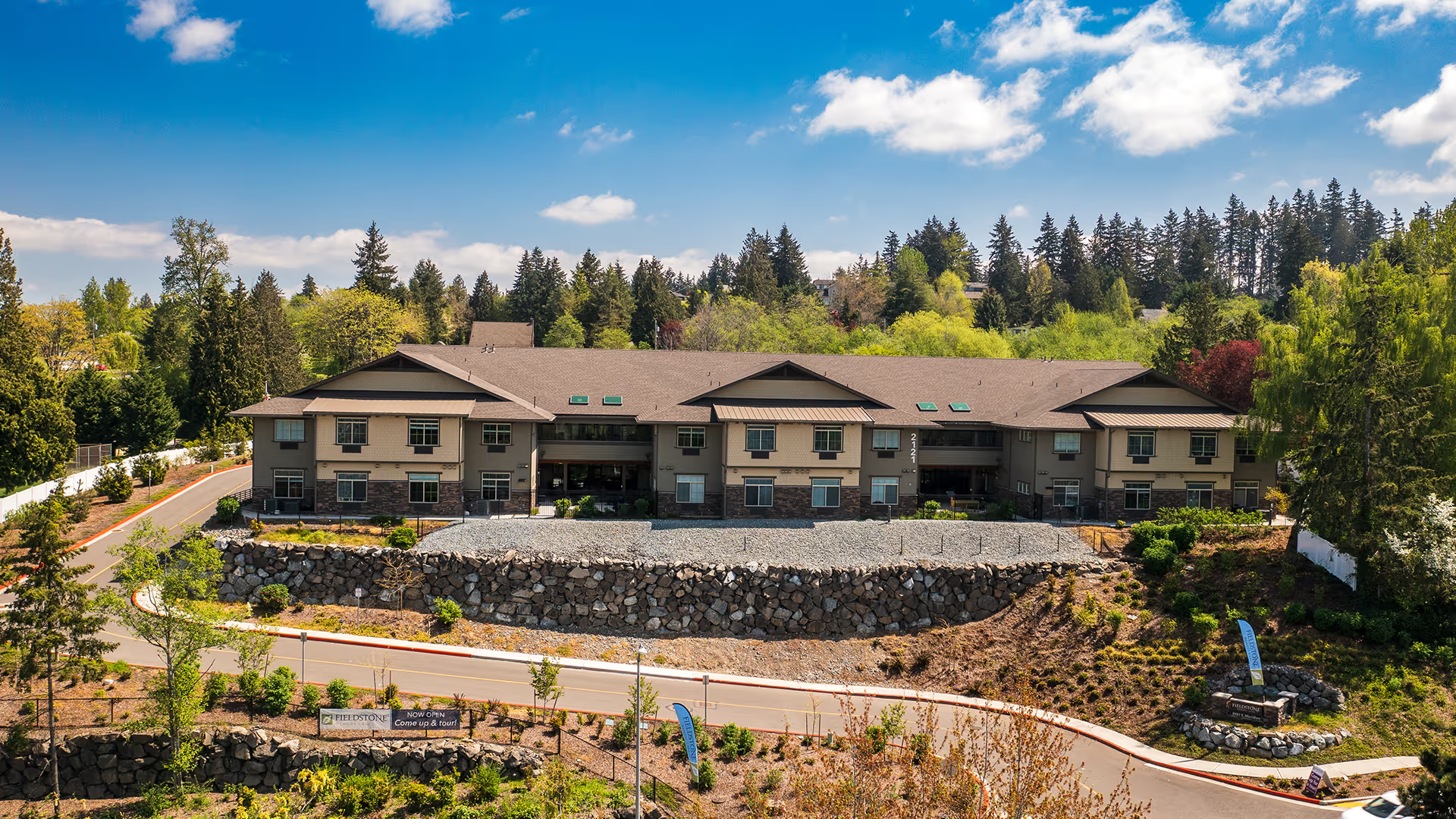
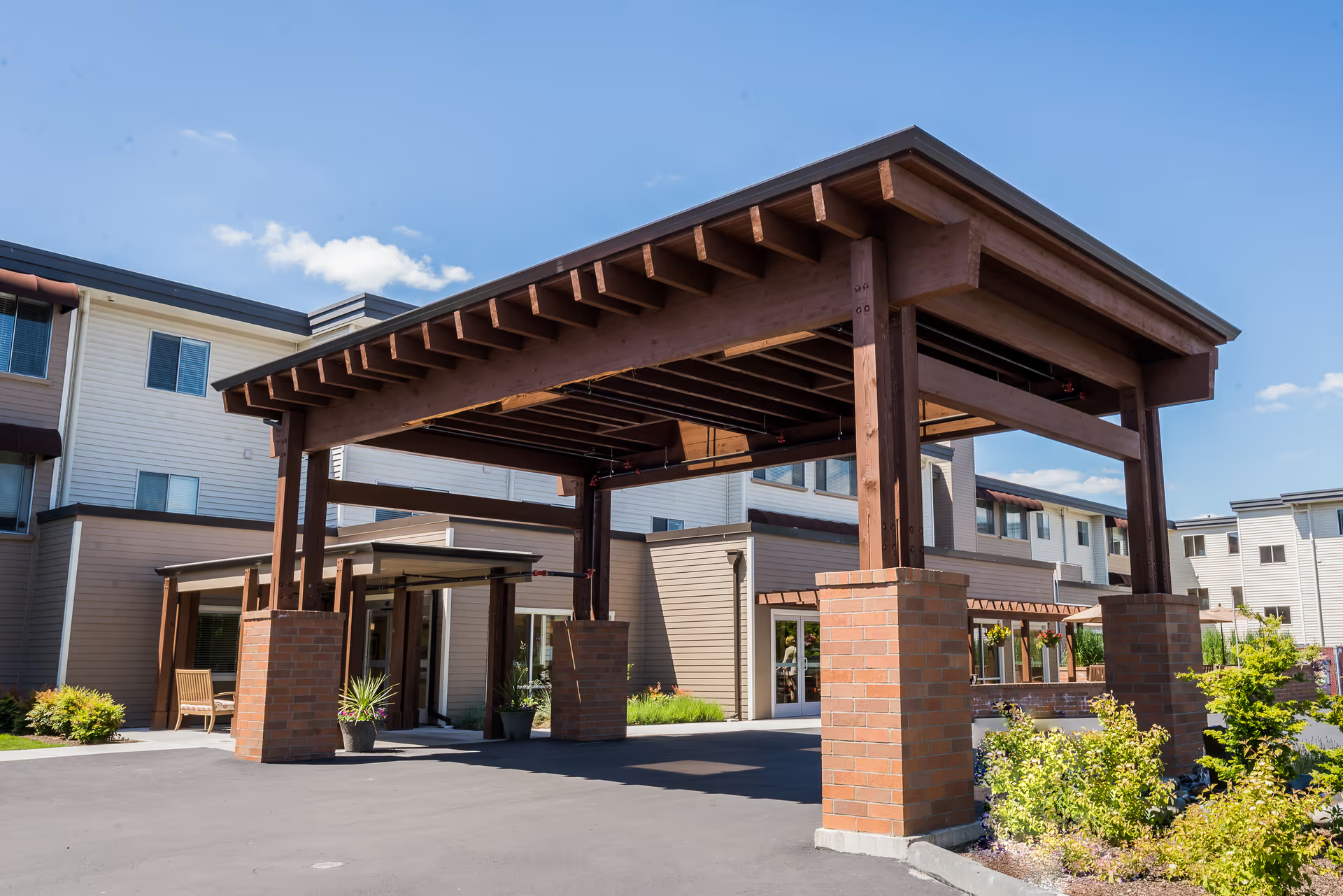
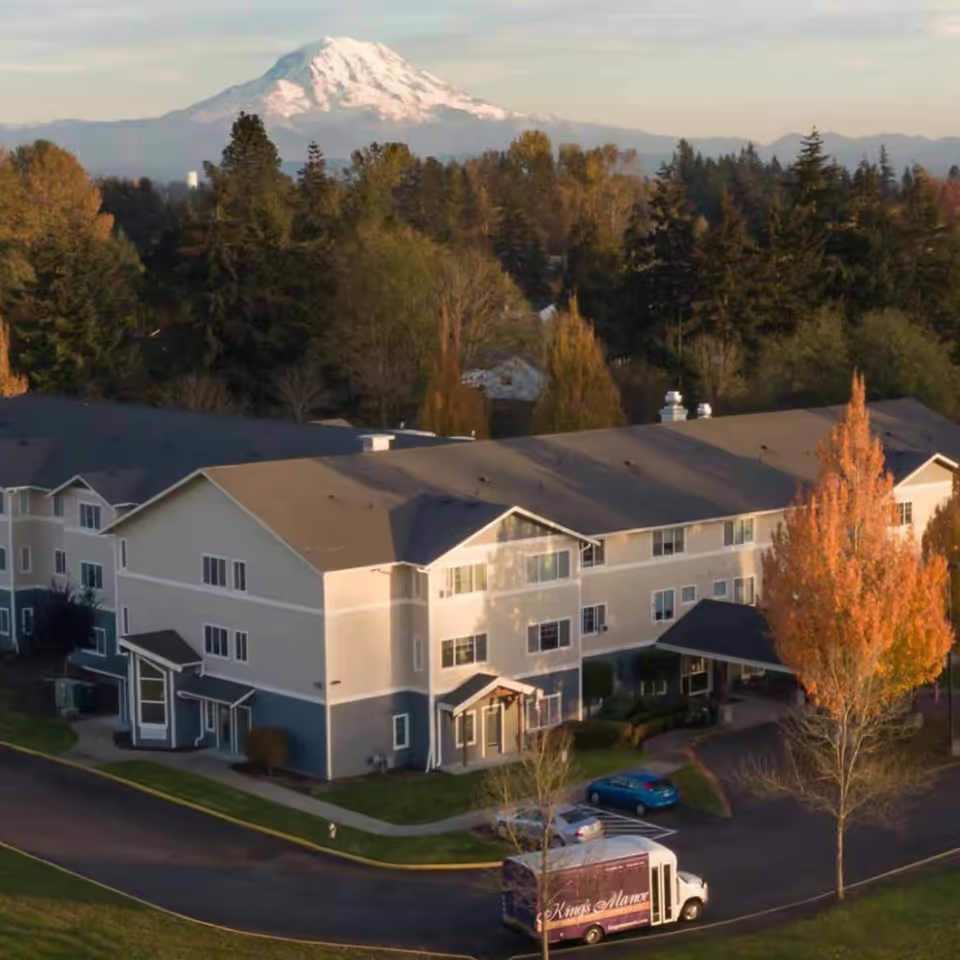
Reviewer feedback for Meridian at Stone Creek is strongly polarized. Many families and residents describe a visually appealing, well-appointed campus with lodge-style common areas, spacious apartments and cottages, and a hotel-like dining environment. The property’s grounds, social spaces (library, bistro, bar, courtyards) and on-site amenities (salon, therapy, visiting dental/podiatry, in-house physical therapy) are frequently highlighted as strengths. Numerous comments single out individual staff members and departments for being compassionate, attentive, and proactive during move-in and routine care.
Care and staffing present a mixed picture. Positive reports describe individualized care plans, respectful interactions, helpful nursing and therapy support, and staff who go above and beyond (assistance with deliveries, laundry, TV/tech setup). Conversely, a sizable body of feedback points to operational instability: frequent administrative turnover, shifting frontline staffing levels, and training gaps that correlate with delays in assistance, inconsistent adherence to care plans (including bathing and laundry schedules), and uneven experiences in higher-acuity settings. Memory-care families raise particular concern about staffing ratios and integration with assisted-living services.
Dining and housekeeping are similarly inconsistent across reports. Many residents praise the restaurant-style dining room, made-to-order options, broad hours, and social meal experiences. At the same time, other accounts describe declines in menu variety, variable food quality, shortages of fresh produce, watered-down beverages, and interruptions to meal-service continuity. Housekeeping and sanitation receive both strong praise and criticism: some cite spotless rooms and attentive cleaning, while others describe recurring cleanliness and pest-control issues, inconsistent laundry completion, and maintenance shortfalls (floor separation, broken fixtures, intermittent hot-water and plumbing reliability).
Activities and social programming are a clear strength when fully staffed and supported: reviewers note bingo, music, exercise classes, bus outings, museum trips, happy hours, and resident groups that create an active community feel. However, activity quality and frequency appear to decline when staffing is reduced or during leadership transitions; a number of reviewers found the schedule less engaging than expected, especially for memory-care residents or during COVID-related disruptions.
Facility operations and management practices are common sources of concern. Several reviewers cite frequent director turnover, inconsistent communication from administration, billing and deposit disputes, and allegations of misleading admission timing or readiness. There are also technological and safety gaps described — unsecured Wi‑Fi, questions about emergency-call reliability, and intermittent response times — that prospective residents and families should clarify. Pricing and fee transparency is another recurrent theme: many note annual increases and additional charges that affect overall value perception.
Taken together, the pattern in these reviews suggests a facility with strong physical assets and many dedicated staff members, but one whose resident experience is highly dependent on current leadership and staffing stability. Prospective residents and families may want to verify current staffing ratios, turnover statistics, housekeeping and maintenance protocols, emergency-response procedures, dining samples and menu plans, memory-care staffing and programming, contract terms (deposits/refunds), and technology/security arrangements during a tour. That due diligence will help determine whether the current operational environment aligns with a household’s care and quality expectations.