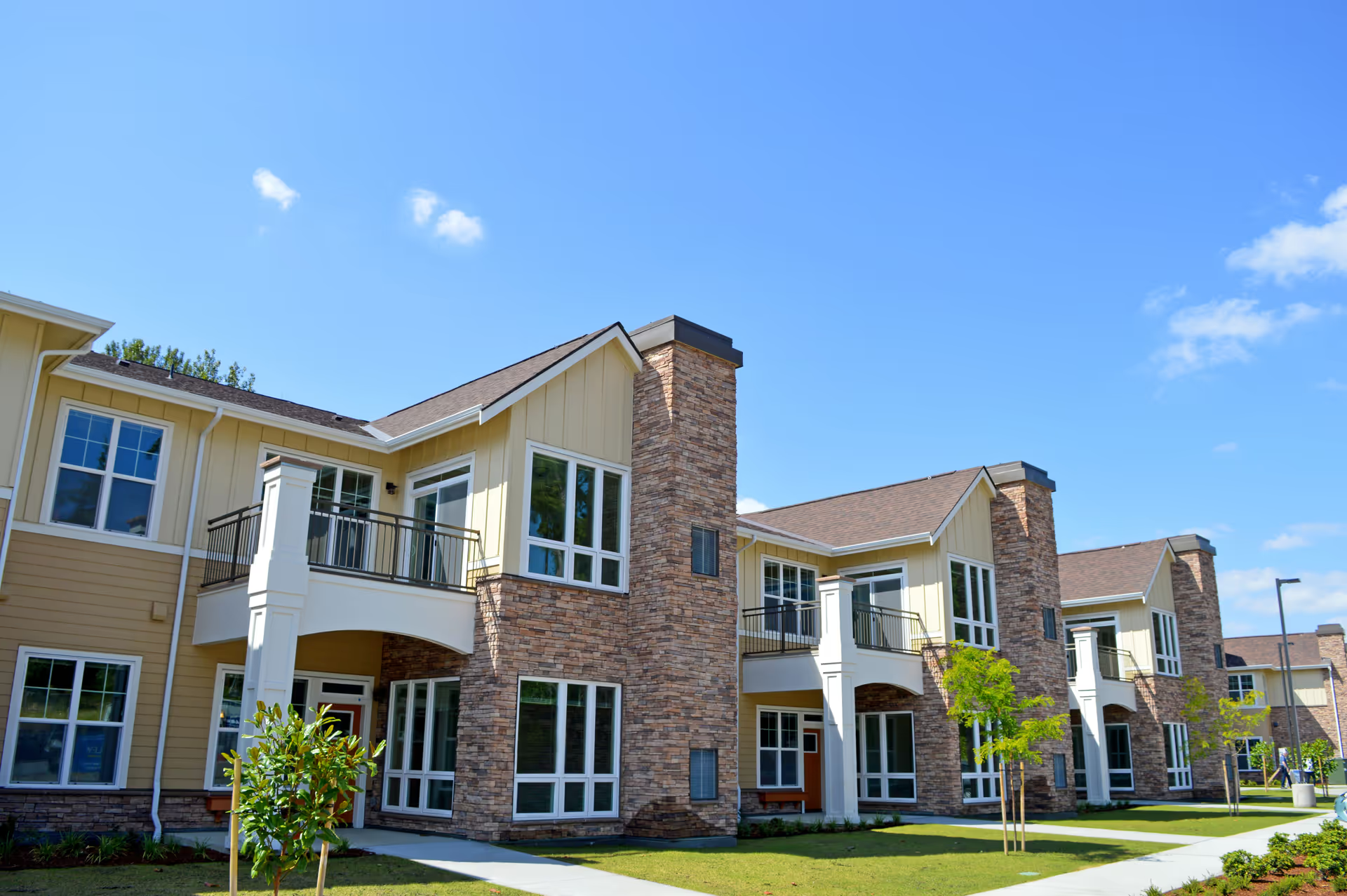
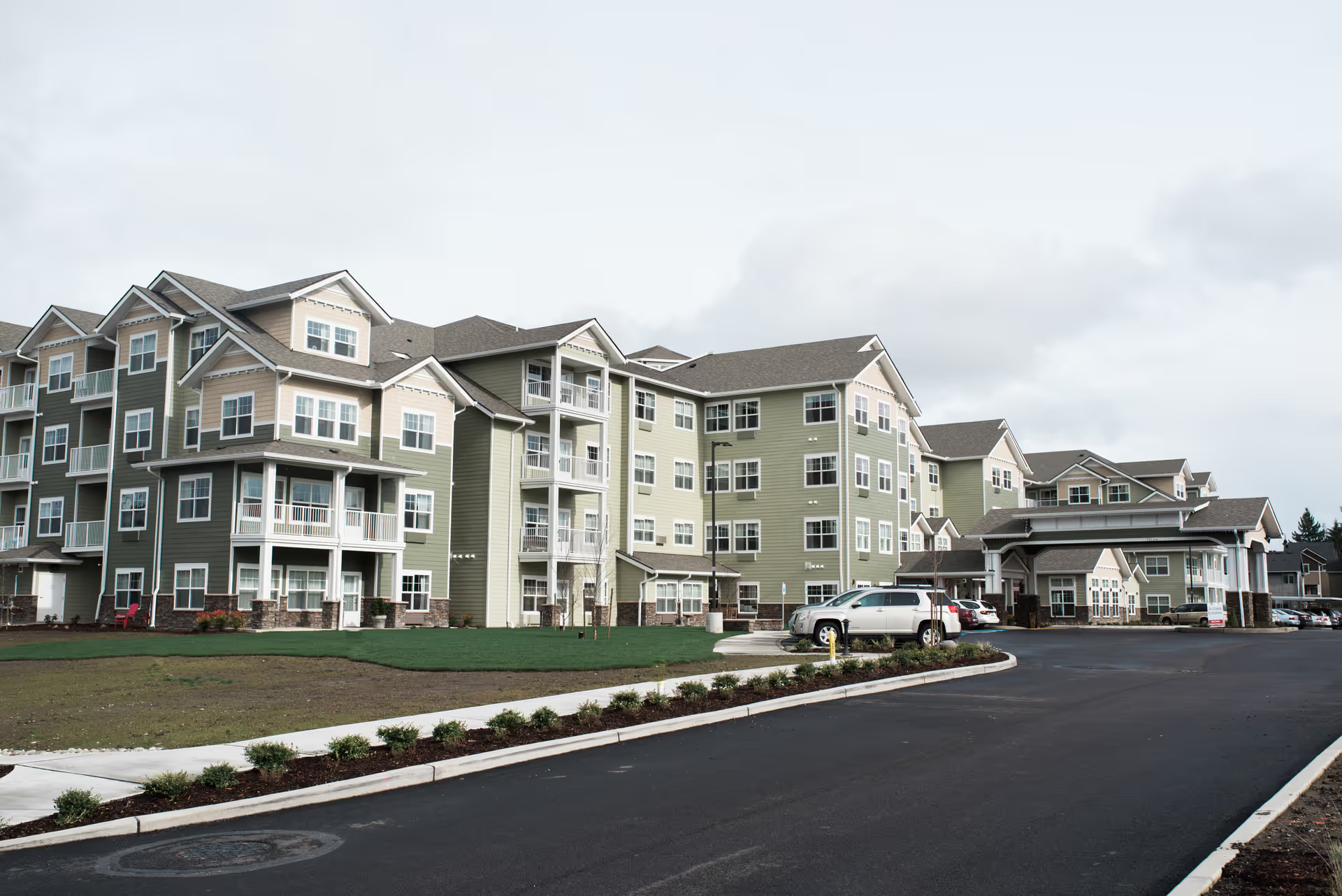
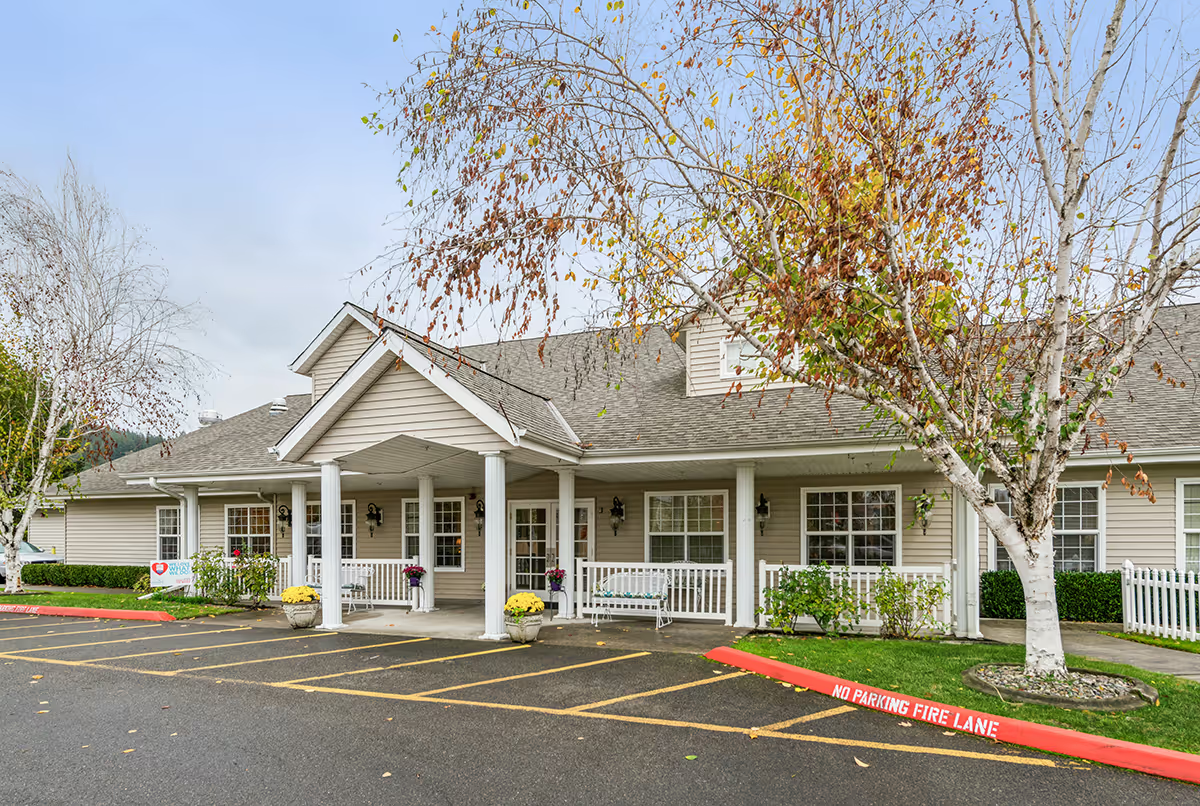
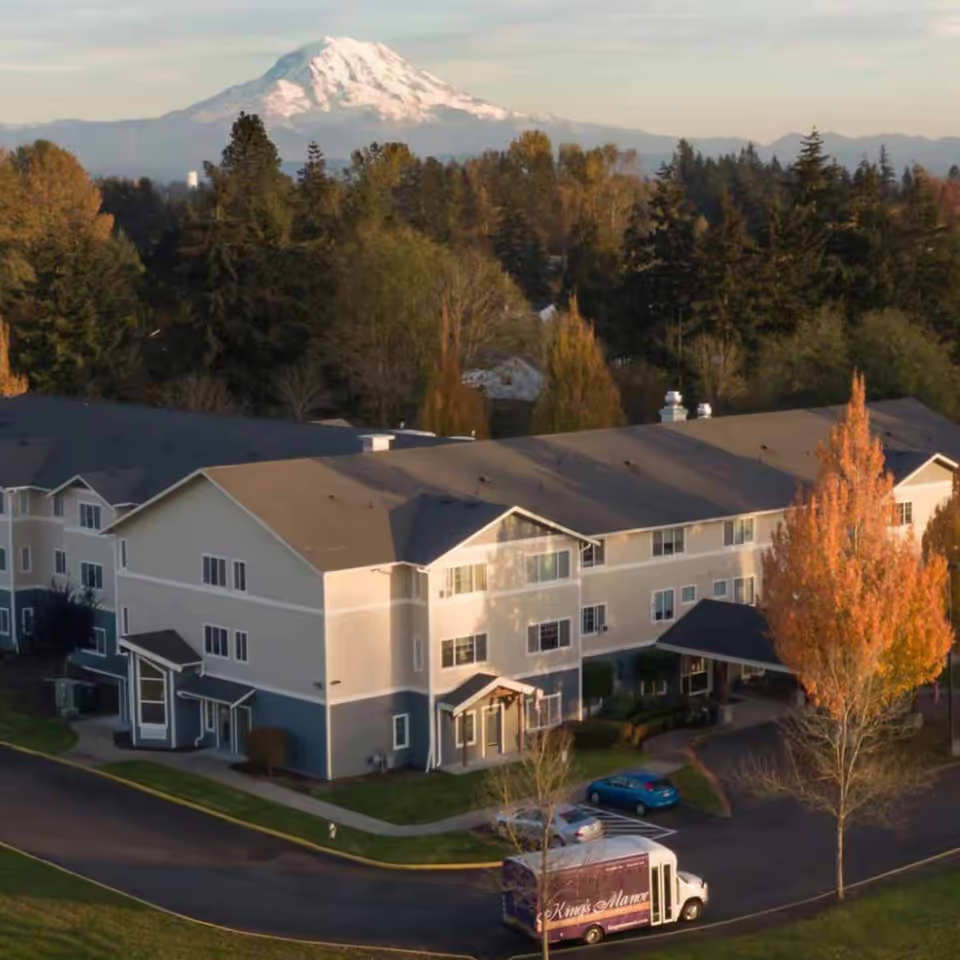
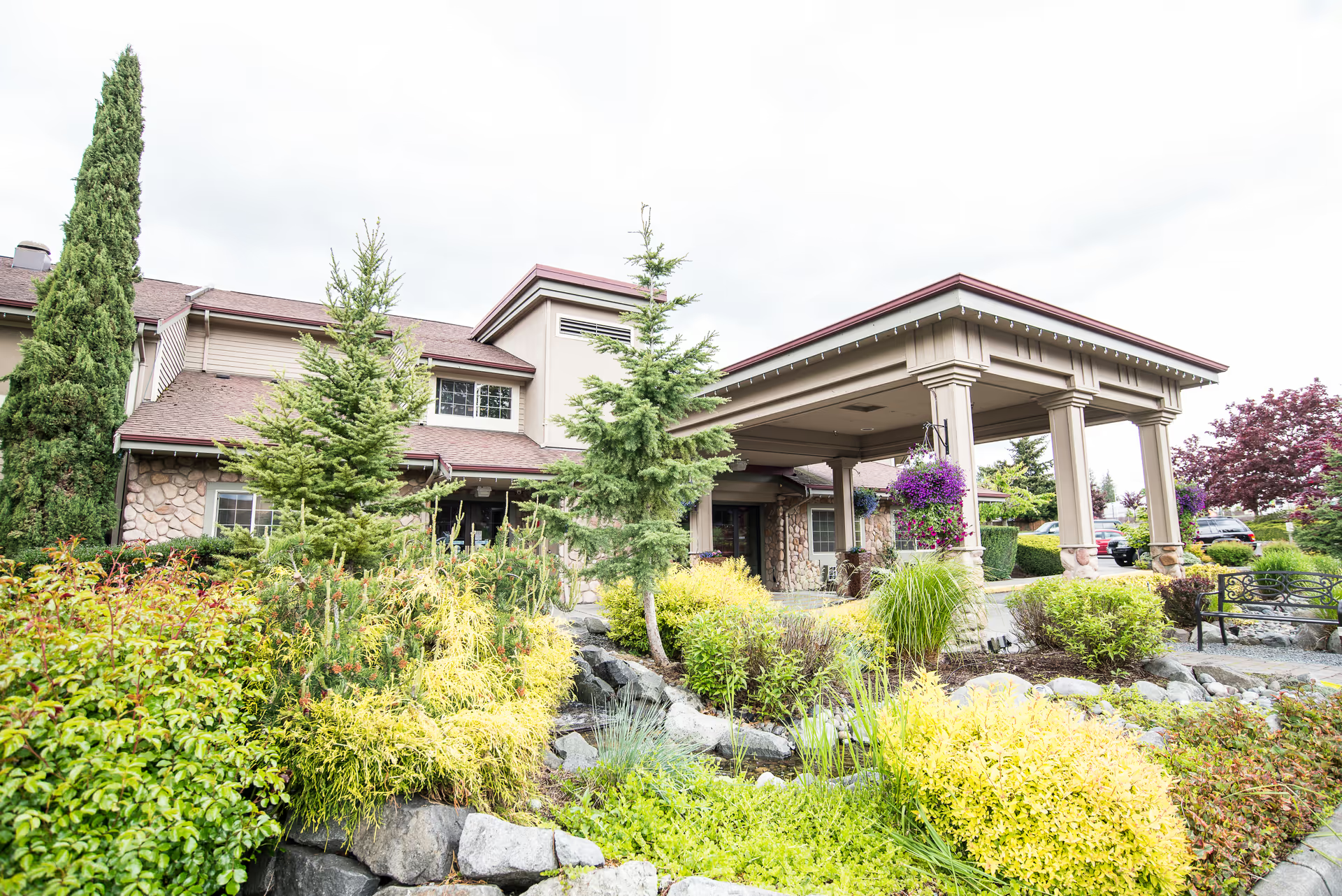
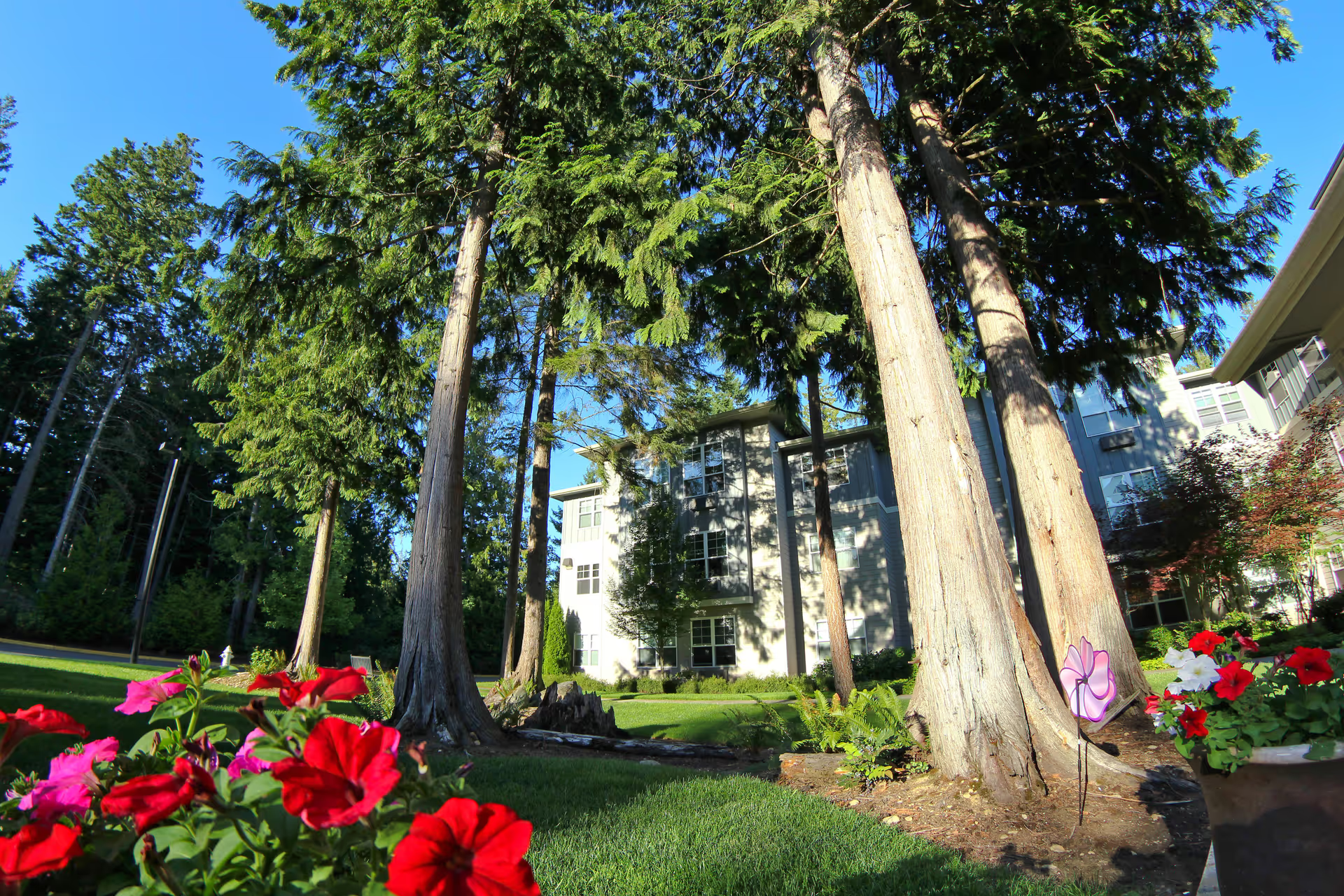
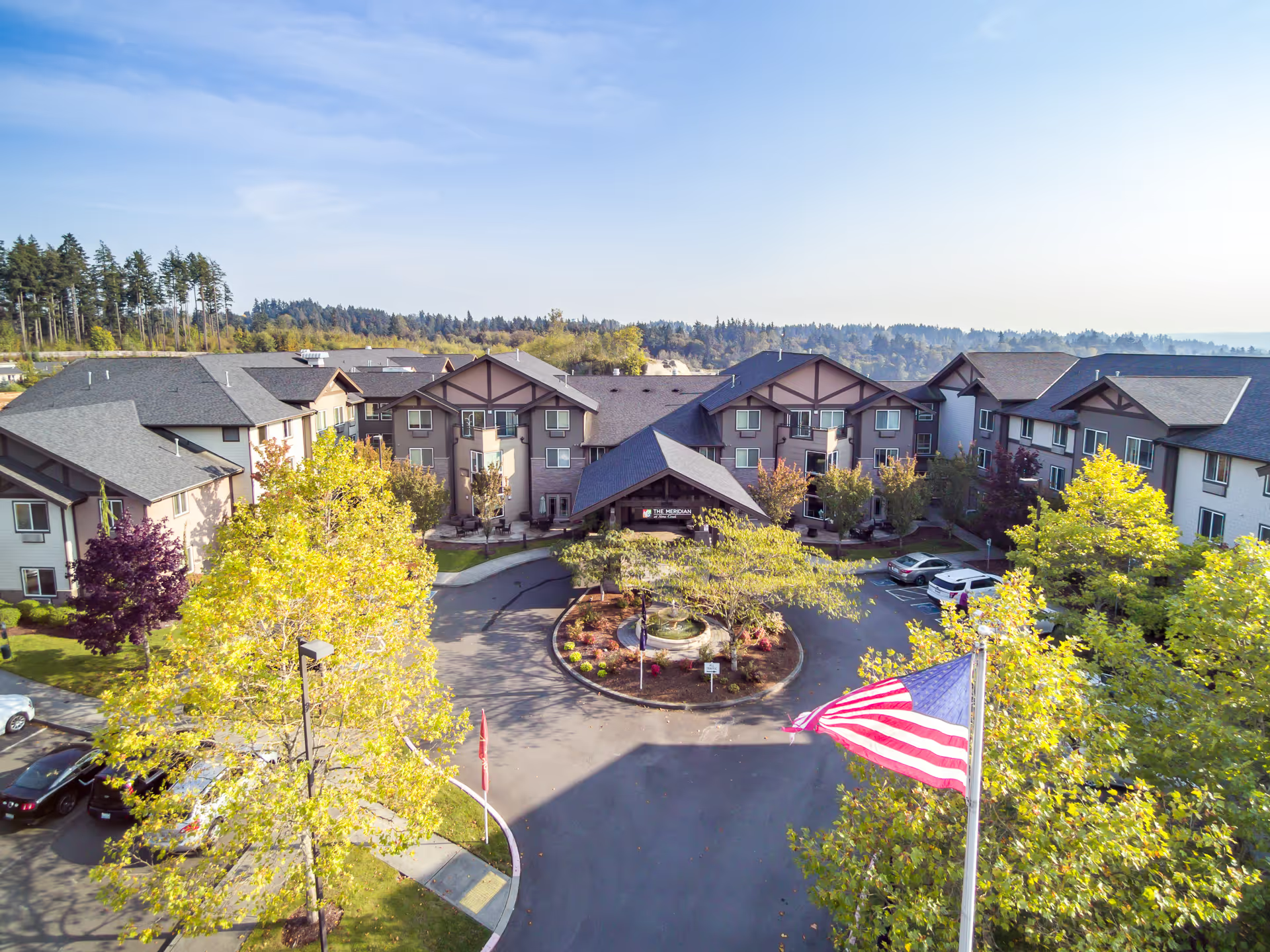
Fieldstone Memory Care Puyallup receives frequent praise for its hands-on caregiving, memory-care focus, and the overall environment. Many families describe compassionate, attentive staff who know residents by name and create a family-like atmosphere. The community is consistently noted for being attractive and well-maintained, with appealing outdoor areas, private rooms with ensuites, and a range of on-site clinical services such as physical therapy, dentistry, and physician visits. Safety features and monitoring systems are present, and several reviews call out meaningful clinical support for dementia care.
Dining and activities are recurring strengths. Reviewers commonly report varied menus and positive meal experiences, with special events noted (holiday meals, music programs). The life-enrichment calendar is broad — chair yoga, gardening, games, entertainment, and therapy-dog visits are mentioned — and many families found these programs engaging and helpful to residents’ wellbeing. At the same time, a subset of families noted that programming does not always align with every resident’s personal interests, suggesting variability in individualized activity matching.
Despite these positives, there are consistent operational concerns that prospective families should weigh. Communication and administrative responsiveness emerge as a prominent theme: phone calls or messages not always returned, intake paperwork and recordkeeping issues, and periodic difficulty reaching administrative leadership. Staffing instability and turnover — including the use of agency staff — are flagged in multiple accounts and are linked by some reviewers to delays in assistance and uneven service continuity. There are also several items related to clinical operations: mentions of medication-administration inconsistencies and unclear clinical communication pathways warrant careful inquiry during a tour.
Cleanliness and housekeeping are described positively in common areas but unevenly in resident rooms by some families; this indicates variable adherence to room-level housekeeping protocols. Pricing and perceived value also show a mixed picture: some families consider Fieldstone a strong value in the market, while others raise concerns about cost increases or not receiving comparable value over time. A small number of accounts allege serious staff-conduct and workplace-culture concerns; these are significant and should prompt direct questions about staff training, grievance procedures, and recent corrective actions.
Operational events such as infection-control episodes (including COVID-related impacts) have affected programming and visitation at times; families should ask about current infection-control policies, past outbreaks, and how these events were managed. Similarly, isolated but serious claims relating to medication issues, hospital transfers, or missing belongings suggest it is prudent to review clinical protocols, medication reconciliation processes, and property management practices.
In sum, Fieldstone presents clear strengths in memory-care specialization, caring frontline staff, engaging programming, and an appealing physical environment. However, prospective residents and families should balance those strengths against recurring operational themes: communication gaps, administrative and recordkeeping inefficiencies, staffing turnover, medication-management concerns, and uneven room-level housekeeping. Recommended next steps for decision-making include an in-person tour, meeting care and leadership staff, asking for recent staffing turnover metrics, reviewing medication-administration and incident-reporting policies, observing mealtime and an activity, and requesting references from current families to gauge consistency over time.