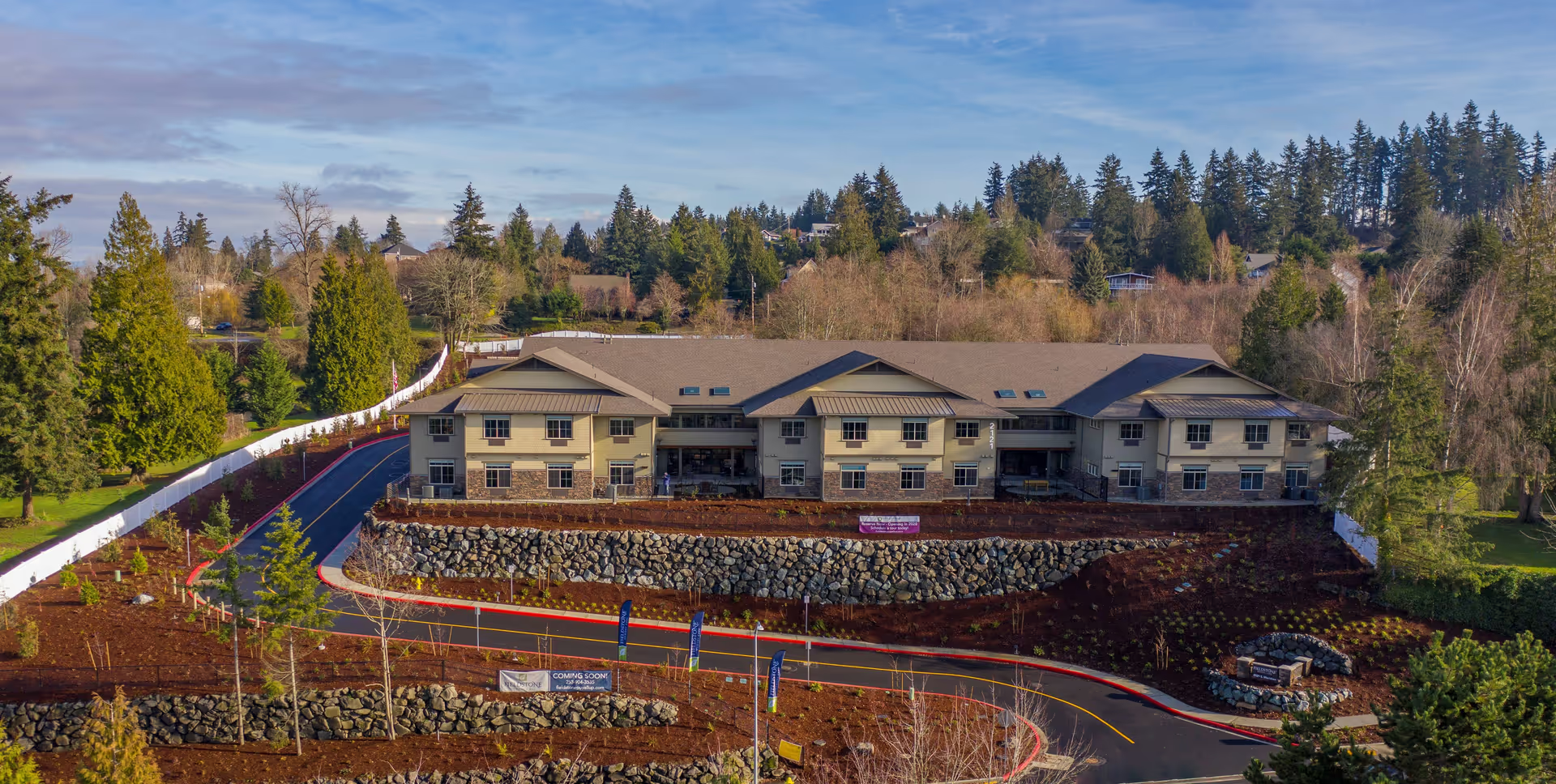
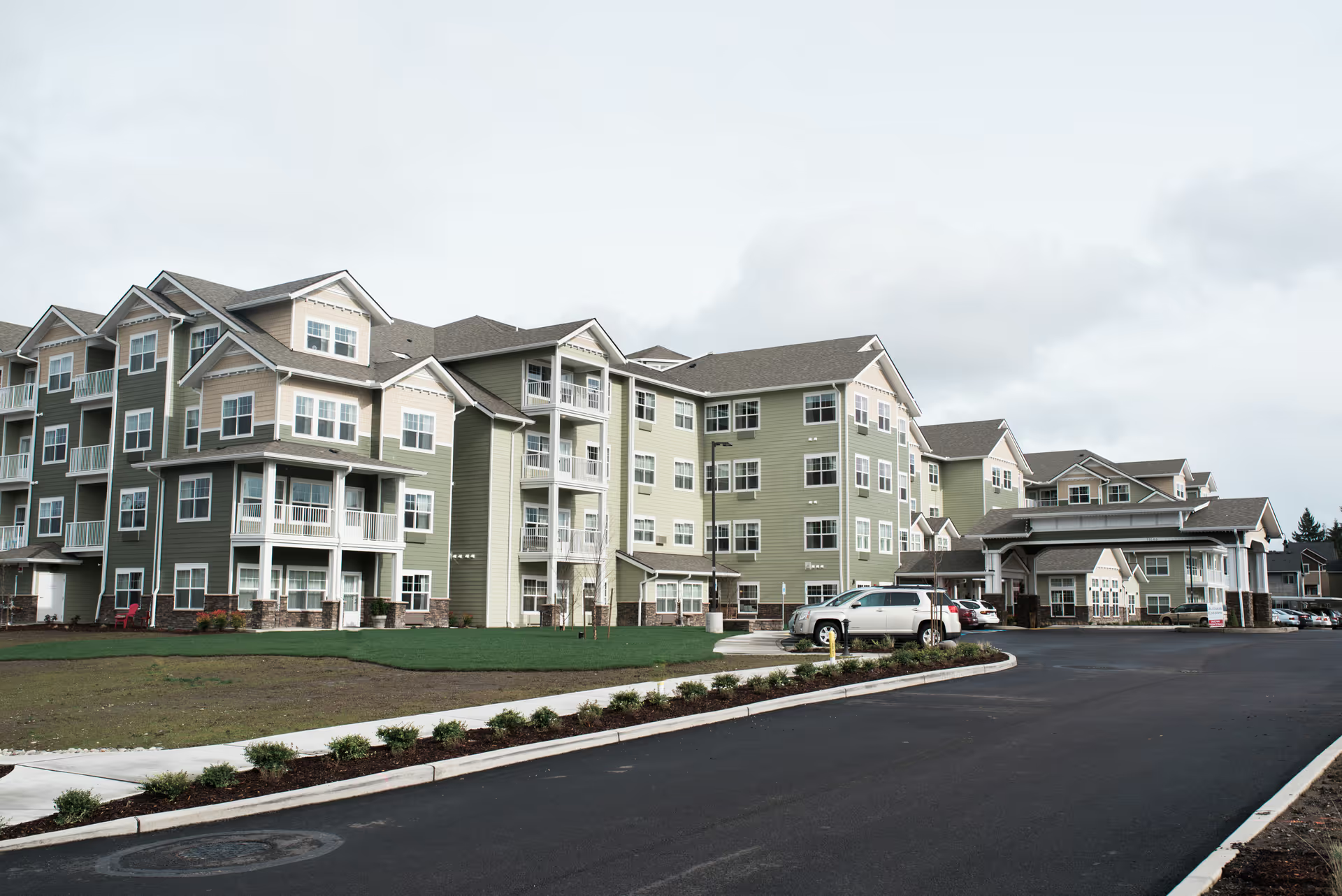
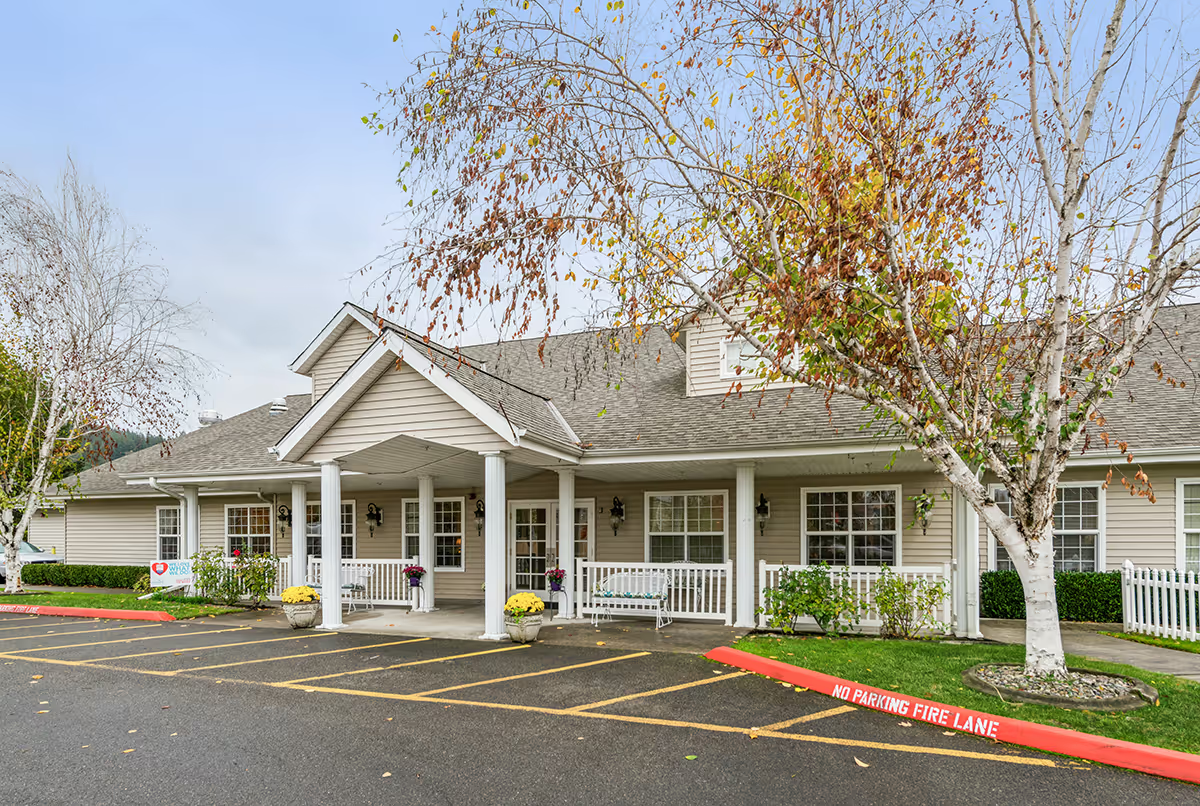
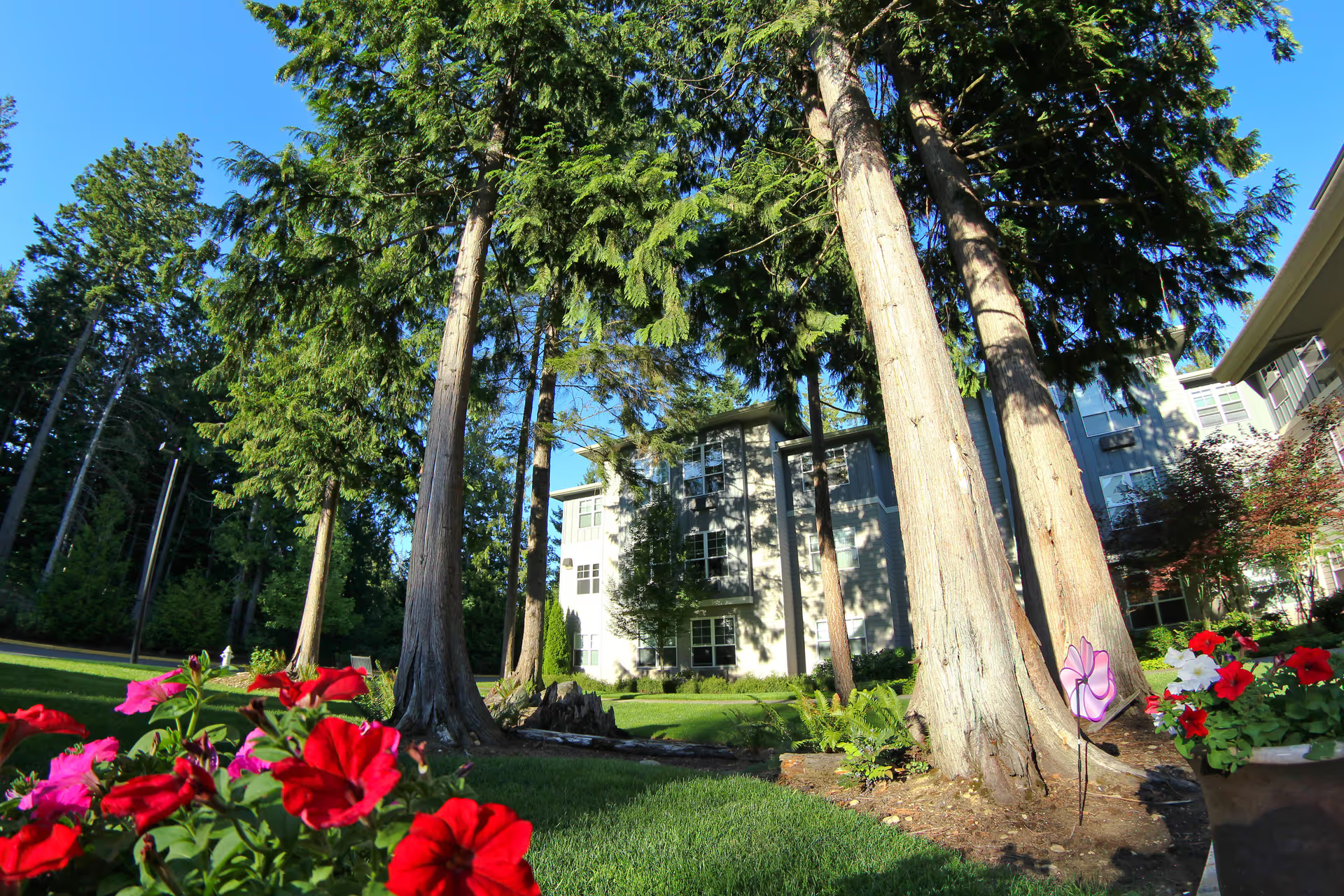
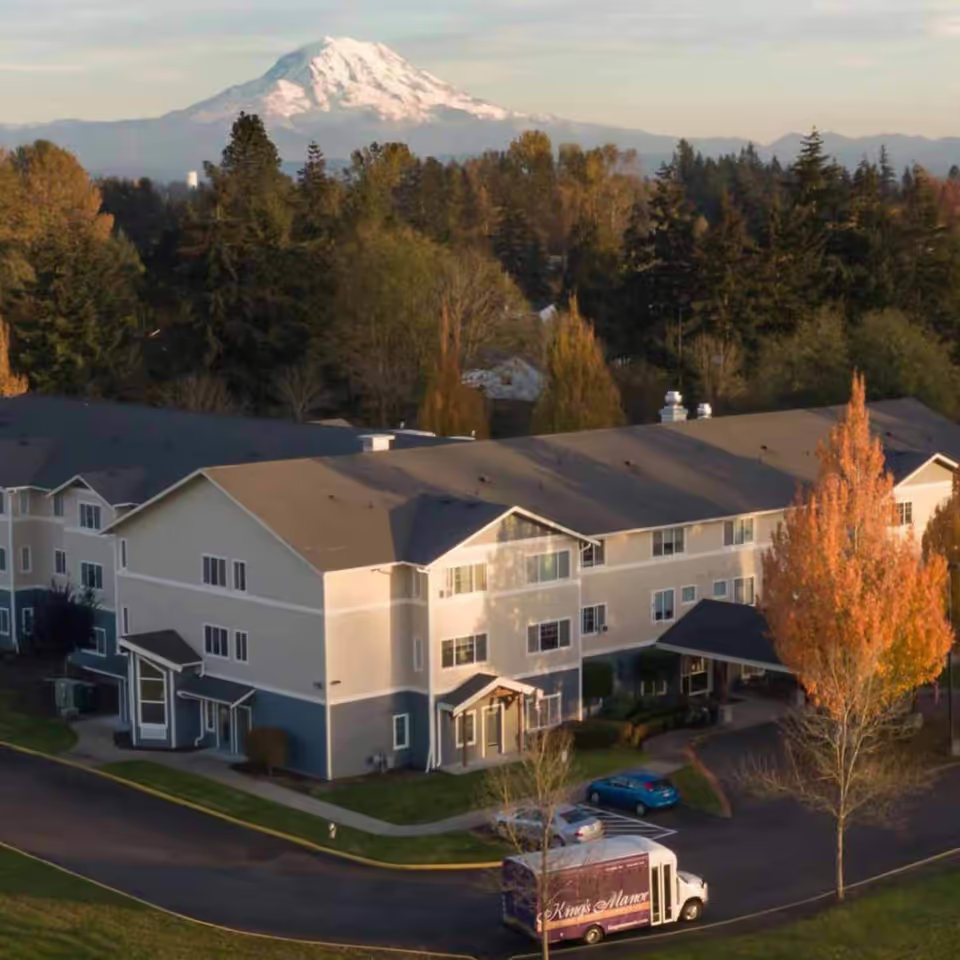
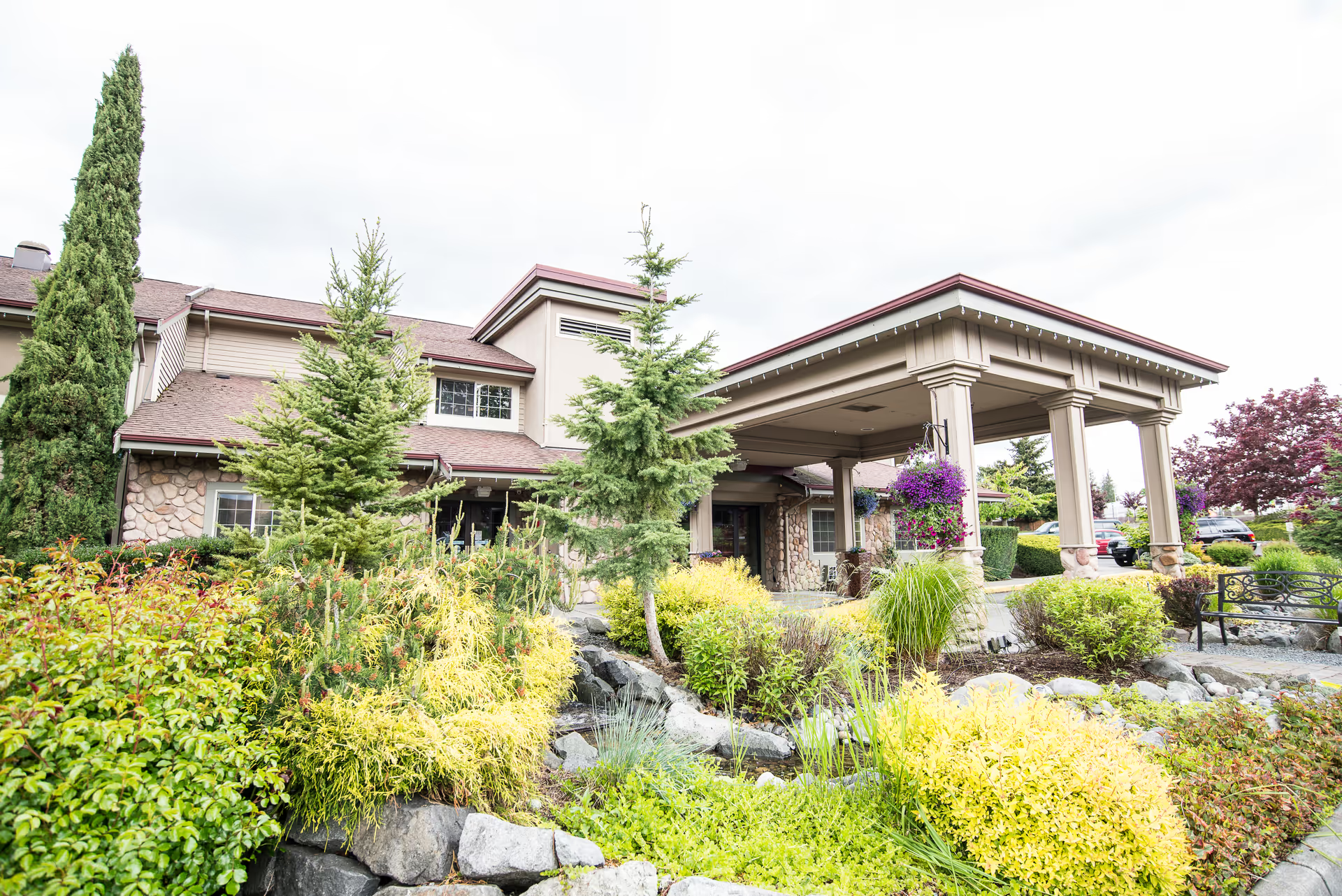
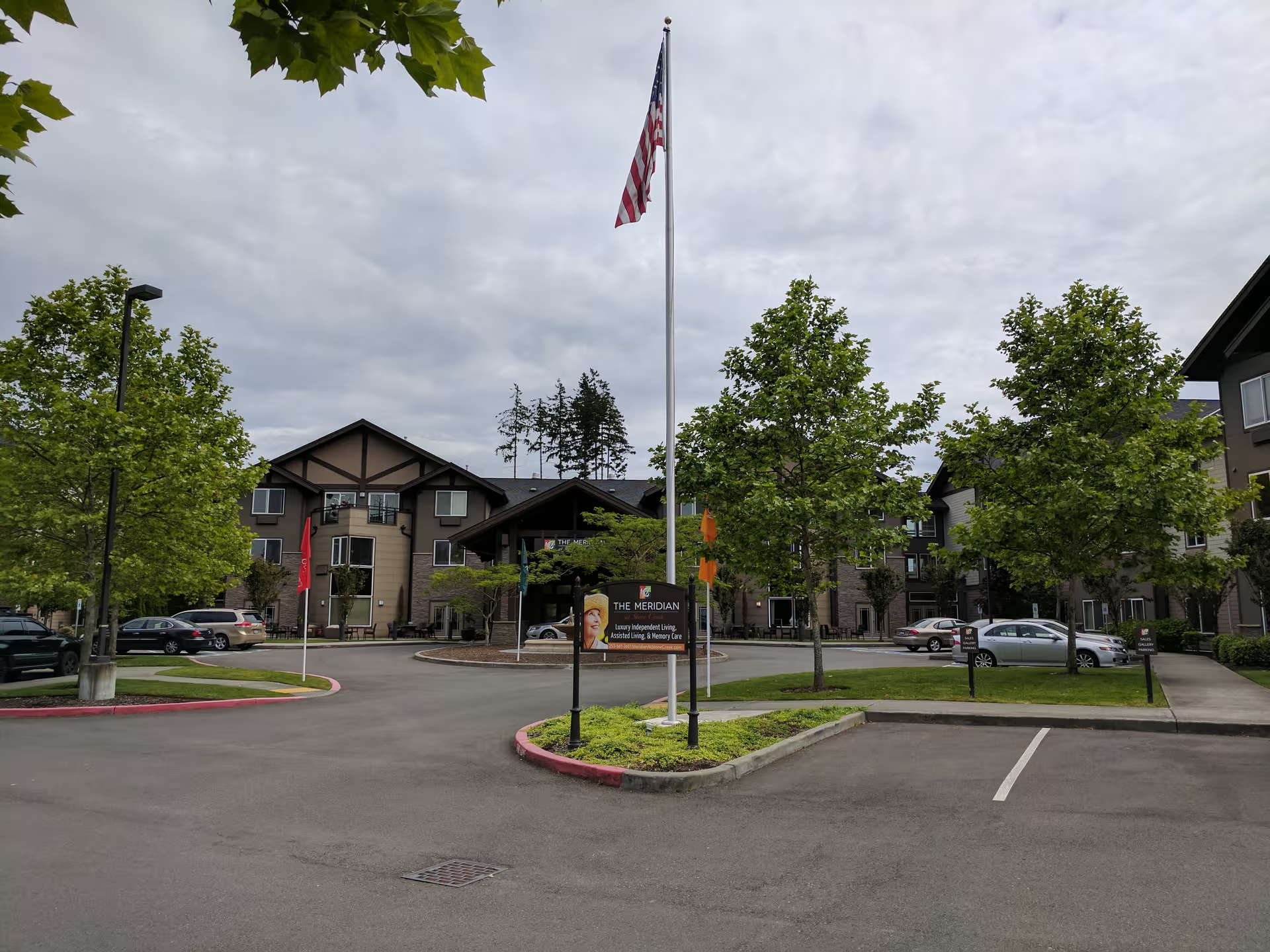
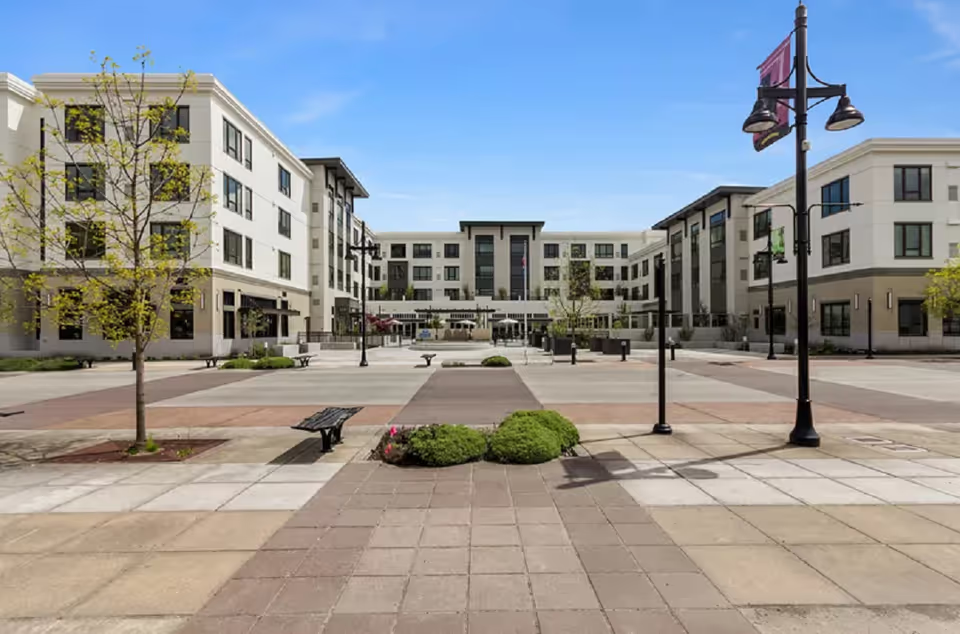
Wesley Homes Bradley Park presents as a new, well-appointed senior community with many of the physical and social amenities families seek. The campus is consistently described as attractive, modern, and clean, with well-kept landscaping, flower and vegetable gardens, and convenient access to Bradley Lake Park and local shopping. Interior amenities commonly praised include a movie theater, gym, large library, crafts room, wood shop, multiple dining venues, and ample common spaces for socializing. Apartment housekeeping and move-in assistance receive frequent positive mention, and indoor parking plus scheduled transportation add practical convenience.
Staff are a prominent strength in many accounts: numerous reviewers describe staff as friendly, welcoming, and helpful, and several families cited smooth transitions and accommodating behavior during move-in. The community atmosphere is frequently characterized as active and social for independent-living residents, with organized shared meals, clubs, and a broad activities slate that includes sports (pickleball, ping-pong), card and board games, entertainment programs, chapel, and resident-driven offerings such as a yacht club or gardening groups. Dining often receives praise for quality and chef-driven menus, though there is variability in satisfaction with specific menu options.
Despite these positives, recurring operational concerns emerge around care consistency and clinical practices. While independent-living services appear to meet expectations for active seniors, assisted-living and memory-care experiences are more mixed: reviewers describe staffing shortages, high turnover, and uneven caregiving performance that can affect reliability of personal and clinical care. Several accounts highlight gaps in medication-management processes and examples where intake or medication promises did not match family expectations. There are also perceptions of limited visible nursing engagement on units and an absence of some monitoring measures, which contributes to family concerns about oversight for residents with higher care needs.
Activity and engagement programming is a comparative strength overall, but patterns indicate uneven inclusion. Many residents find the activity calendar robust and varied, yet others describe few daily offerings, limited encouragement toward exercise, or inconsistent invitation to off-site field trips. Meal service quality is generally favorable, but limited choice on some menus and occasional inconsistencies in food quality were noted. Housekeeping and facility cleanliness are widely praised.
Management and communication show mixed impressions. Admissions are often described as low-pressure and helpful, but a subset of reviewers flagged misleading or unclear information during intake—particularly around billing, private-pay status, and promised services. A small number of comments raise concerns about staff professionalism and boundary management; these are individual in nature but point toward an operational need for consistent staff training and oversight. Cost is another theme: the base pricing is perceived as relatively high by some families, particularly when additional private services are required.
Overall pattern: Wesley Homes Bradley Park appears well suited to independent seniors seeking a new, amenity-rich community with an active social life and attentive housekeeping. Families evaluating assisted-living or memory-care placements should seek detailed, written information about staffing ratios, turnover, medication-management protocols, monitoring practices (fall detection and nursing coverage), inclusion policies for activities and outings, and clear billing terms to ensure expectations align with the current operational reality. Prospective visitors will find much to like in the facility and surroundings, but should probe care-process and transparency items when higher-acuity support is needed.