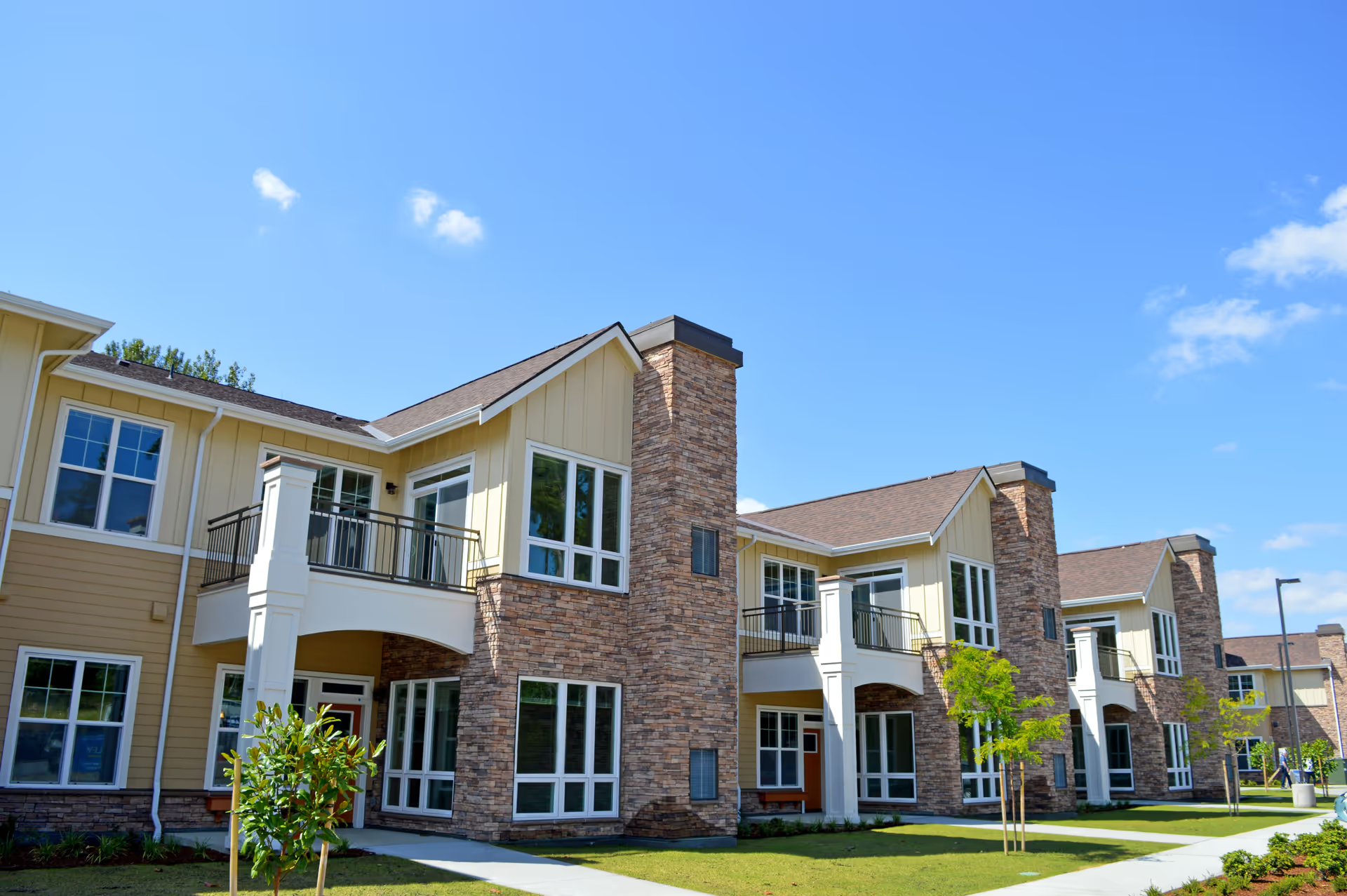
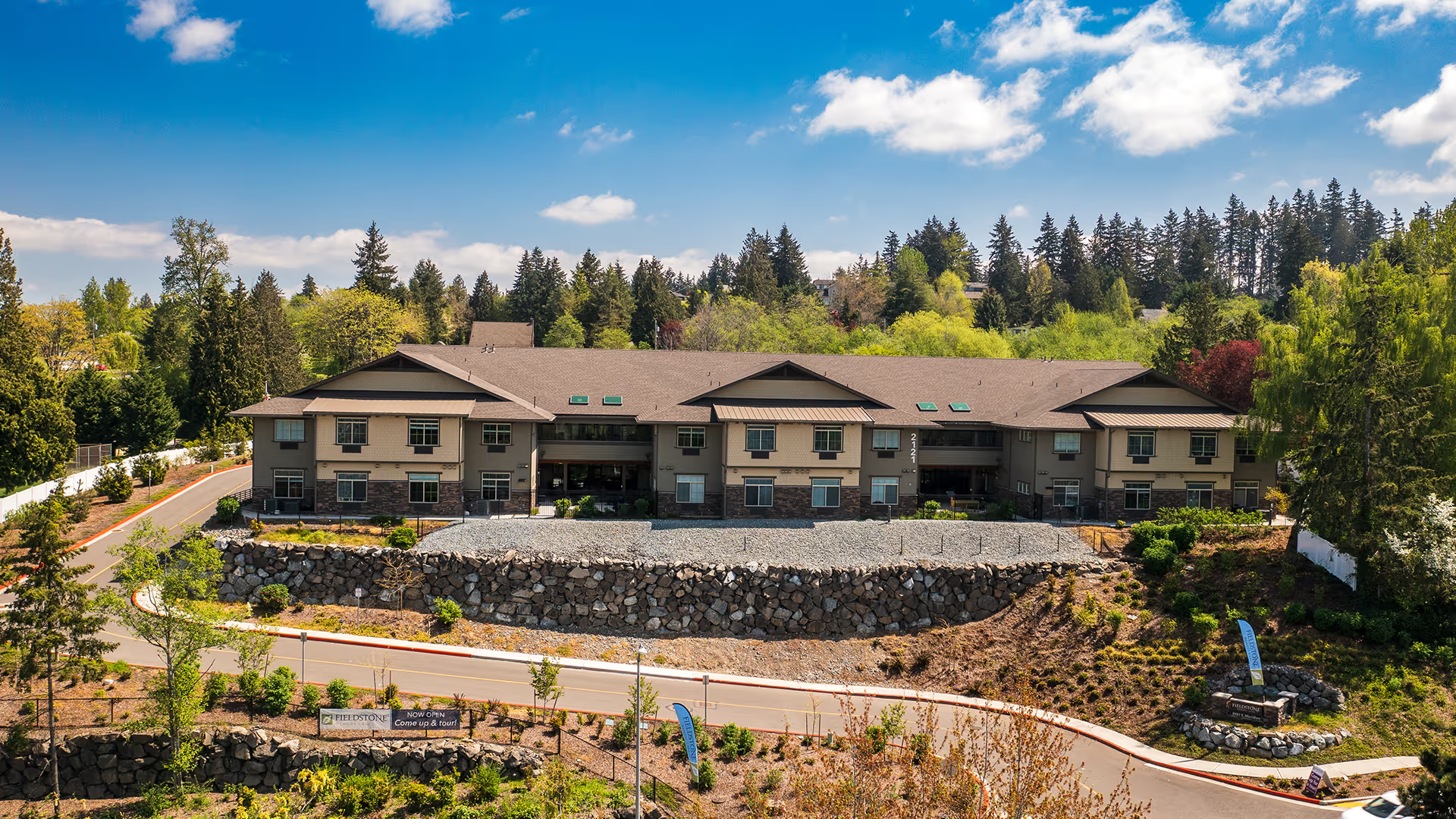
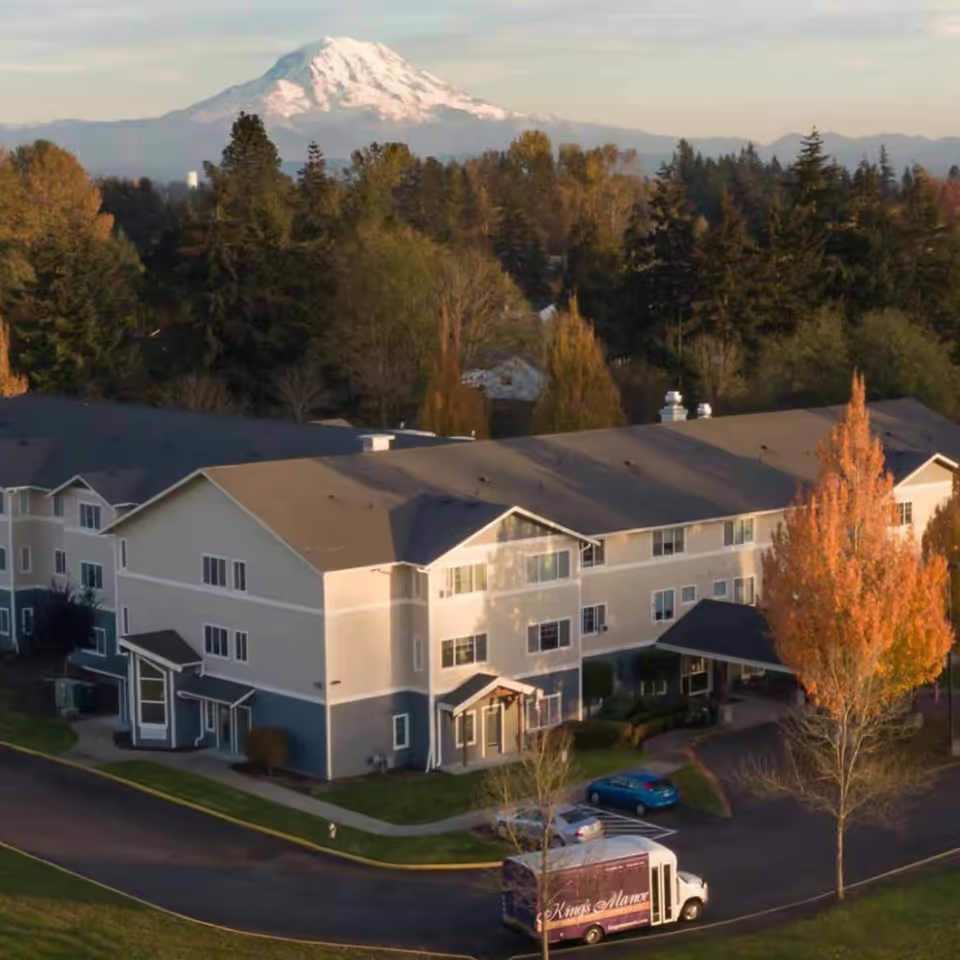
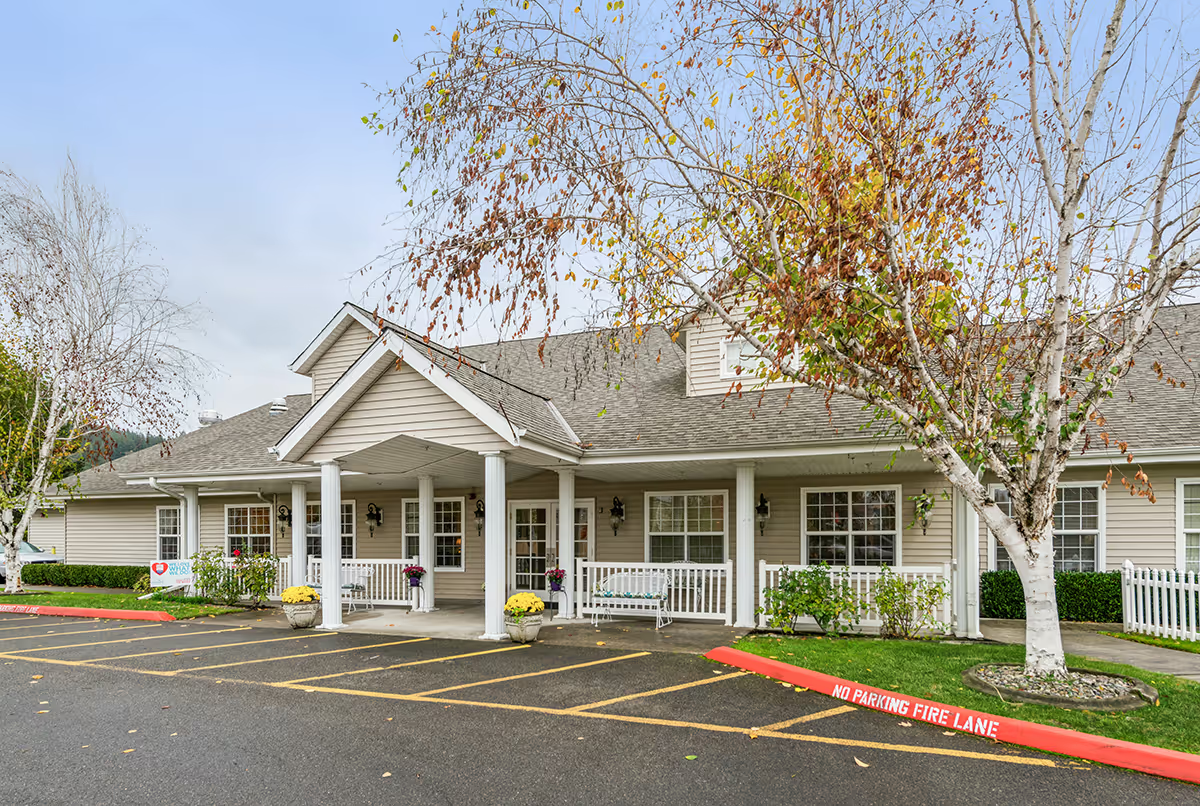
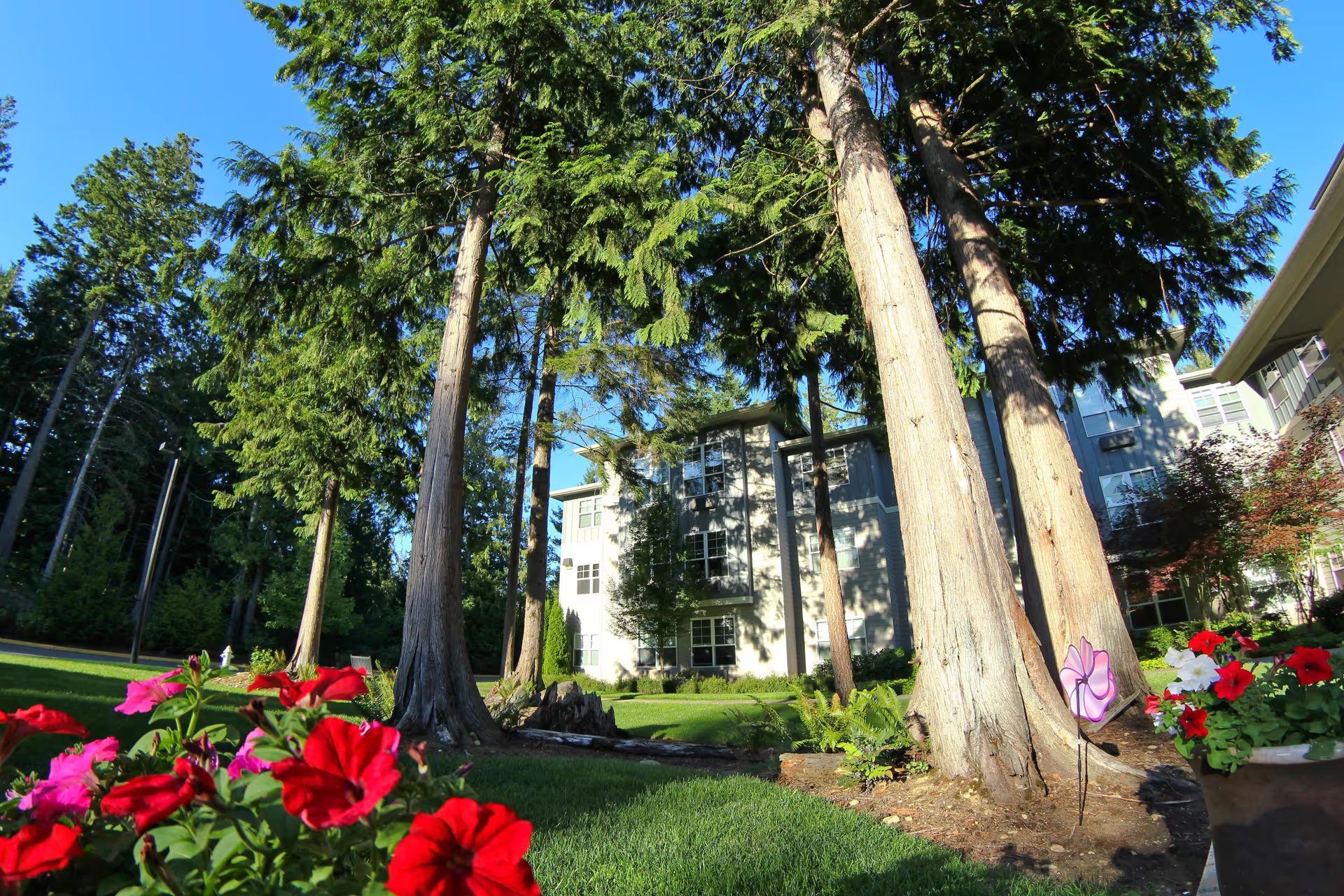
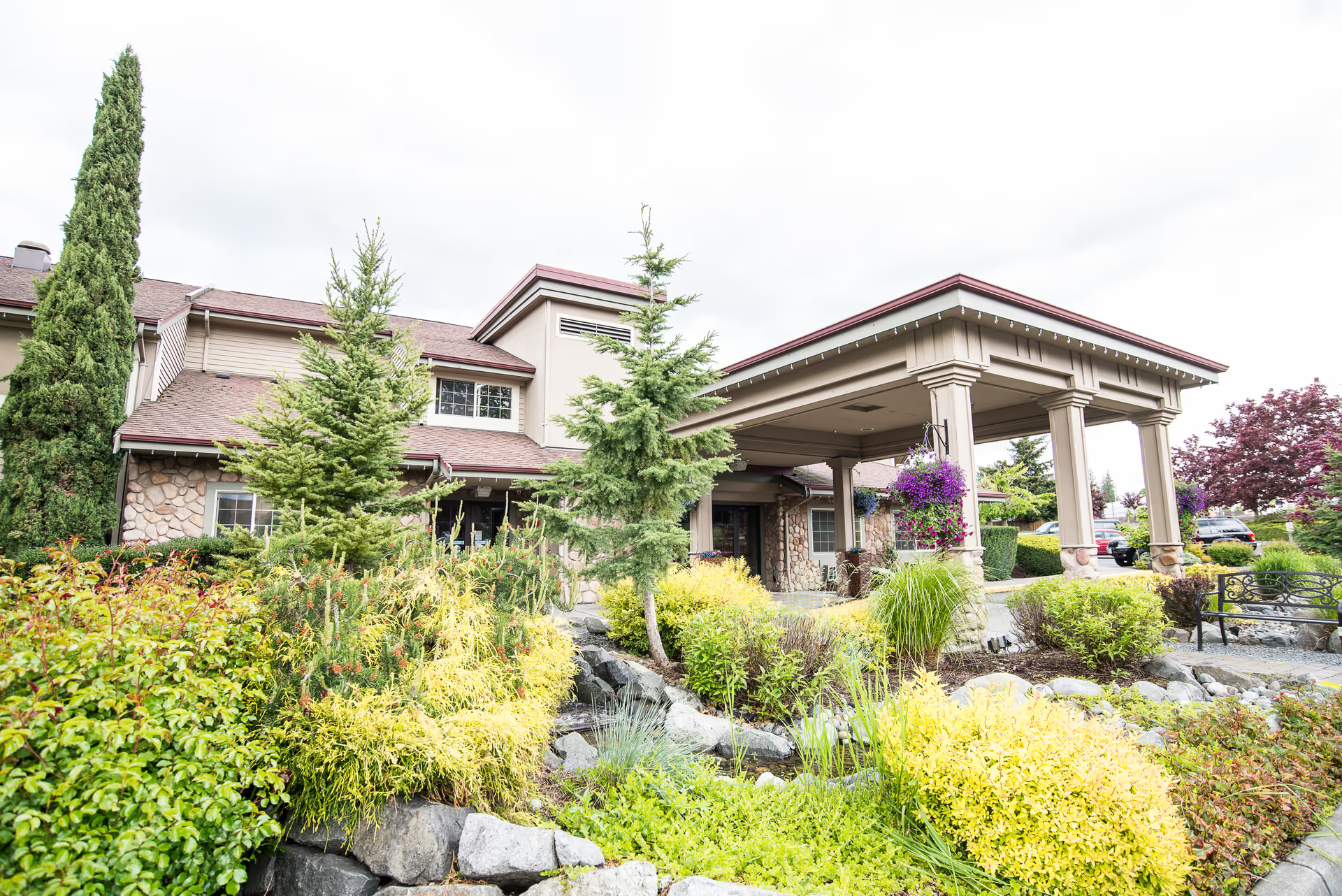
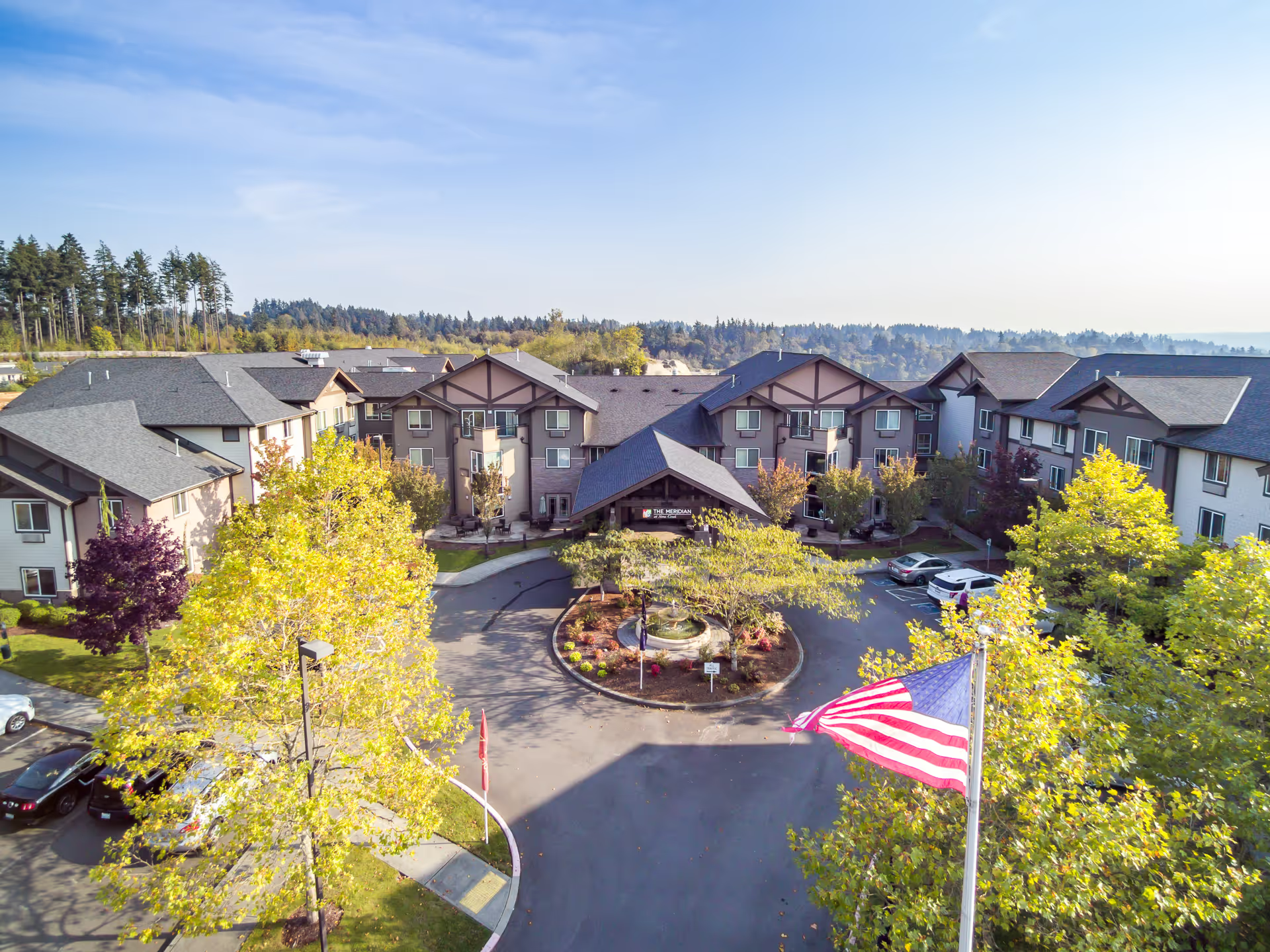
Julian Estates is consistently described as a newer, well-appointed independent living community with a hotel-like, cruise-ship aesthetic: large atrium spaces, a big movie theater, fitness and recreation rooms, a library, salon, and multiple common areas. Many residents and family members praise the physical plant—clean finishes, pleasant grounds, private apartment options with balconies, and included services such as housekeeping, laundry, and utilities. The site-level amenities and social spaces are a central strength for people seeking an active, community-oriented independent living environment.
Staff and day-to-day care are among the facility’s strongest perceived assets. Numerous comments highlight warm, attentive, and engaged servers, assistants, and onsite managers who are visible and hands-on. Families frequently describe positive communication, helpful move-in support, and staff who go beyond routine duties. That said, there is notable variability in leadership and staffing stability: while some reviewers name long-tenured, exemplary managers and low turnover, others describe recent management changes, staffing shortages, and elevated turnover that have affected service consistency.
Dining and food service are often praised for presentation, timely service, and a fine-dining atmosphere; many residents enjoy varied daily menus, special meals, and generous portions. At the same time, reviewers point to operational limitations: uneven food quality at times, restricted dining hours, removal or limits on snack availability, and relatively few vegetarian/vegan or soft-food/teeth-friendly options. Those who require more flexible meal timing or specialized diets may find the current offerings constrained.
The activity program is a clear selling point for active seniors: frequent events, live music, games, outings, and an energy that residents describe as lively and engaging. Several reviewers emphasize that the community fosters social connection and keeps residents busy and involved. Conversely, some comments indicate program continuity can suffer during staffing gaps or transitions; at least one reviewer noted a temporary absence of an activity director and a resulting reduction in scheduled offerings.
Accessibility and clinical services are important limitations to recognize. The community is primarily positioned for independent living; reviewers repeatedly stress that it is not well-suited for residents who require assisted-living or substantial clinical support. Physical-access gaps—such as limited wheelchair accessibility in some areas, theater stairs, and lack of a wheelchair-accessible van—were mentioned. Maintenance responsiveness and occasional HVAC failures were reported as operational weaknesses affecting comfort and continuity of service.
Overall, Julian Estates appears well suited for active, independent seniors who prioritize amenities, social programming, and an upscale, service-oriented living environment. Prospective residents and families should verify current staffing levels, policies around special-diet accommodations and snack/dining flexibility, accessibility features for mobility needs, and the community’s capacity for higher-acuity care before committing. Checking recent management continuity and asking about maintenance response protocols and fee transparency will help assess whether the community meets an individual’s ongoing support requirements.