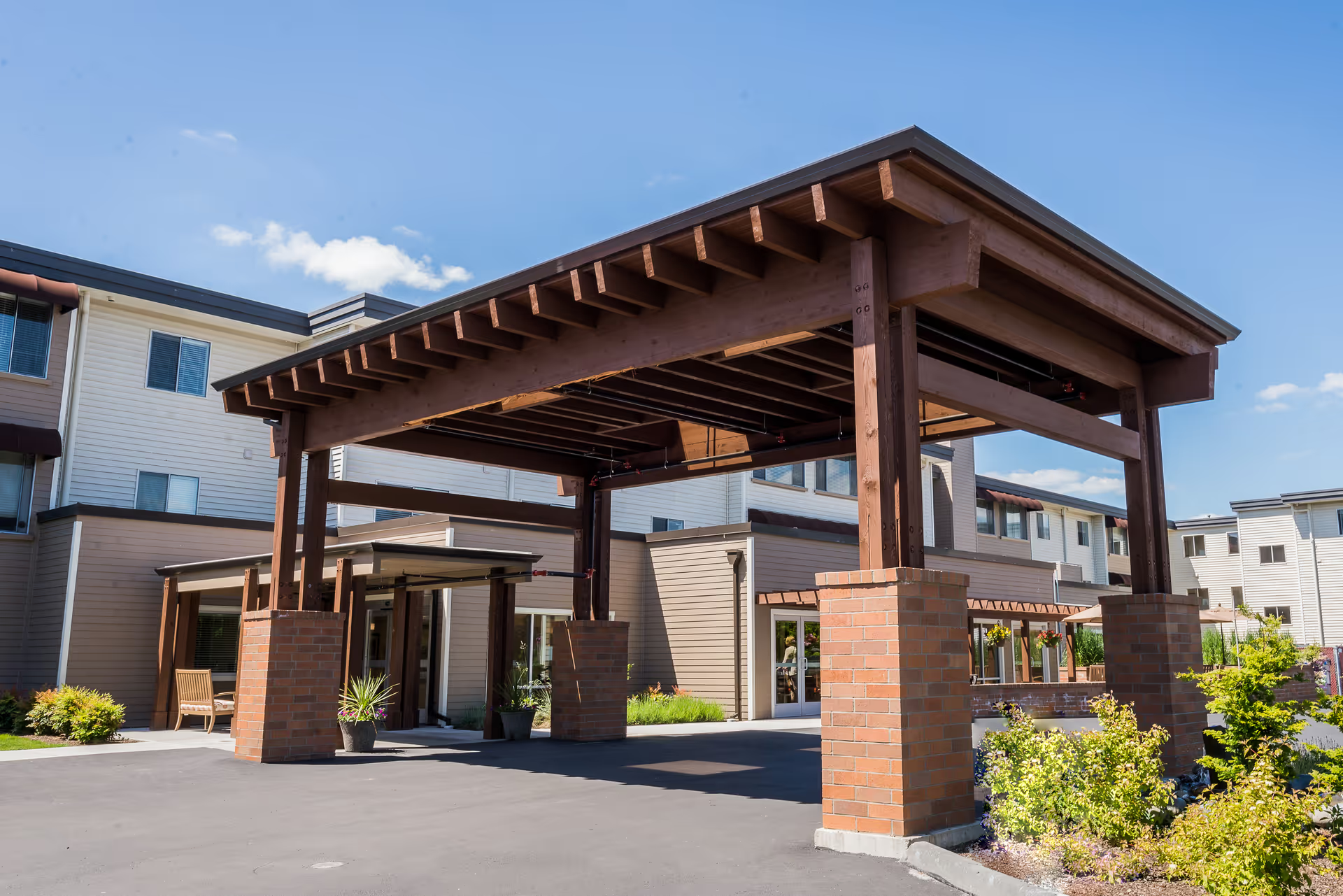
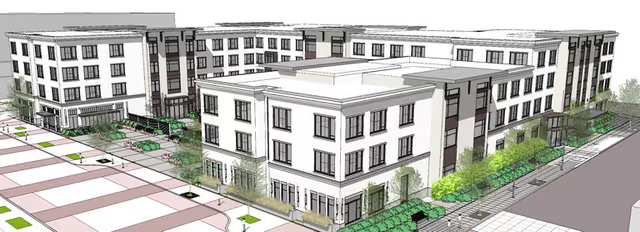
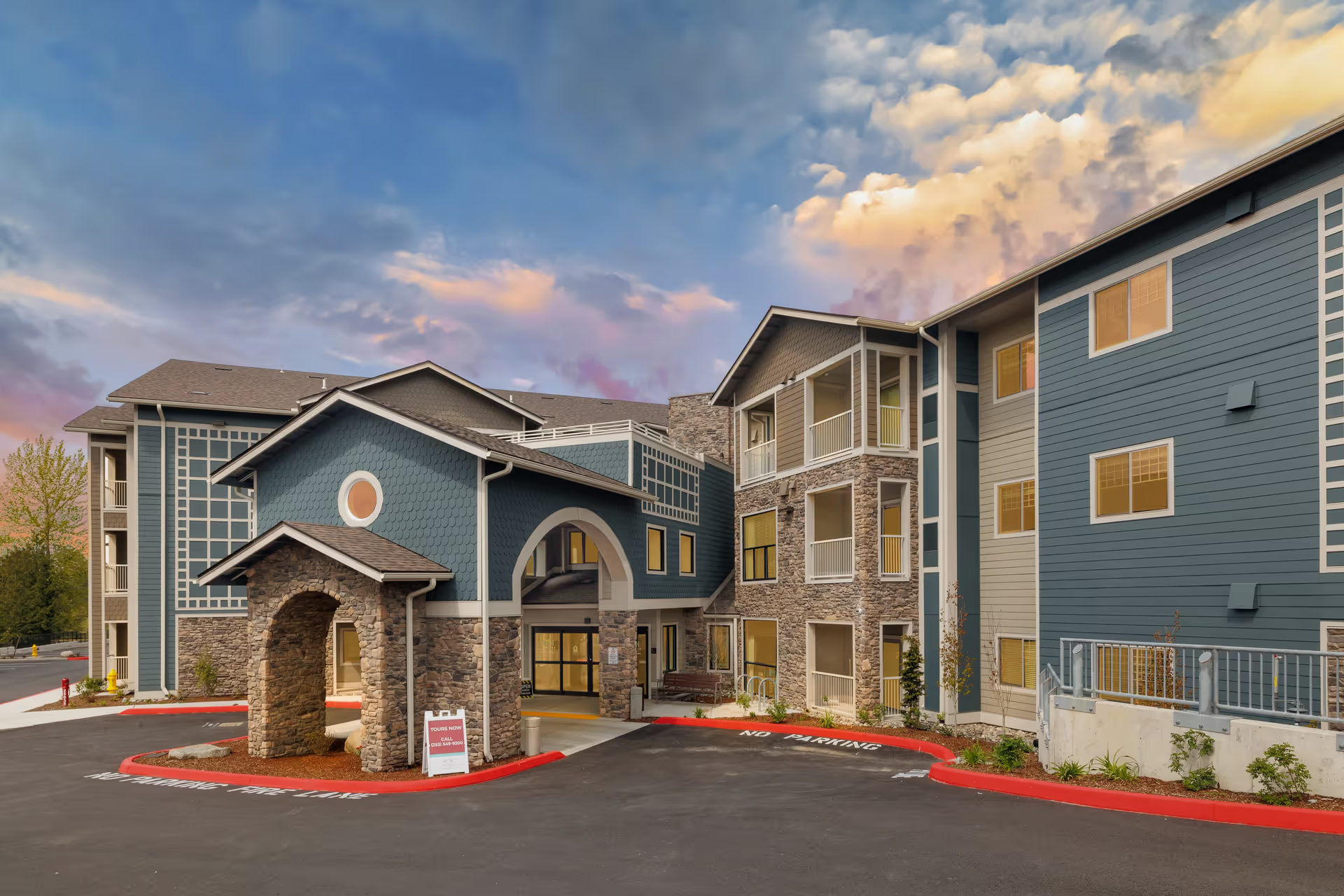
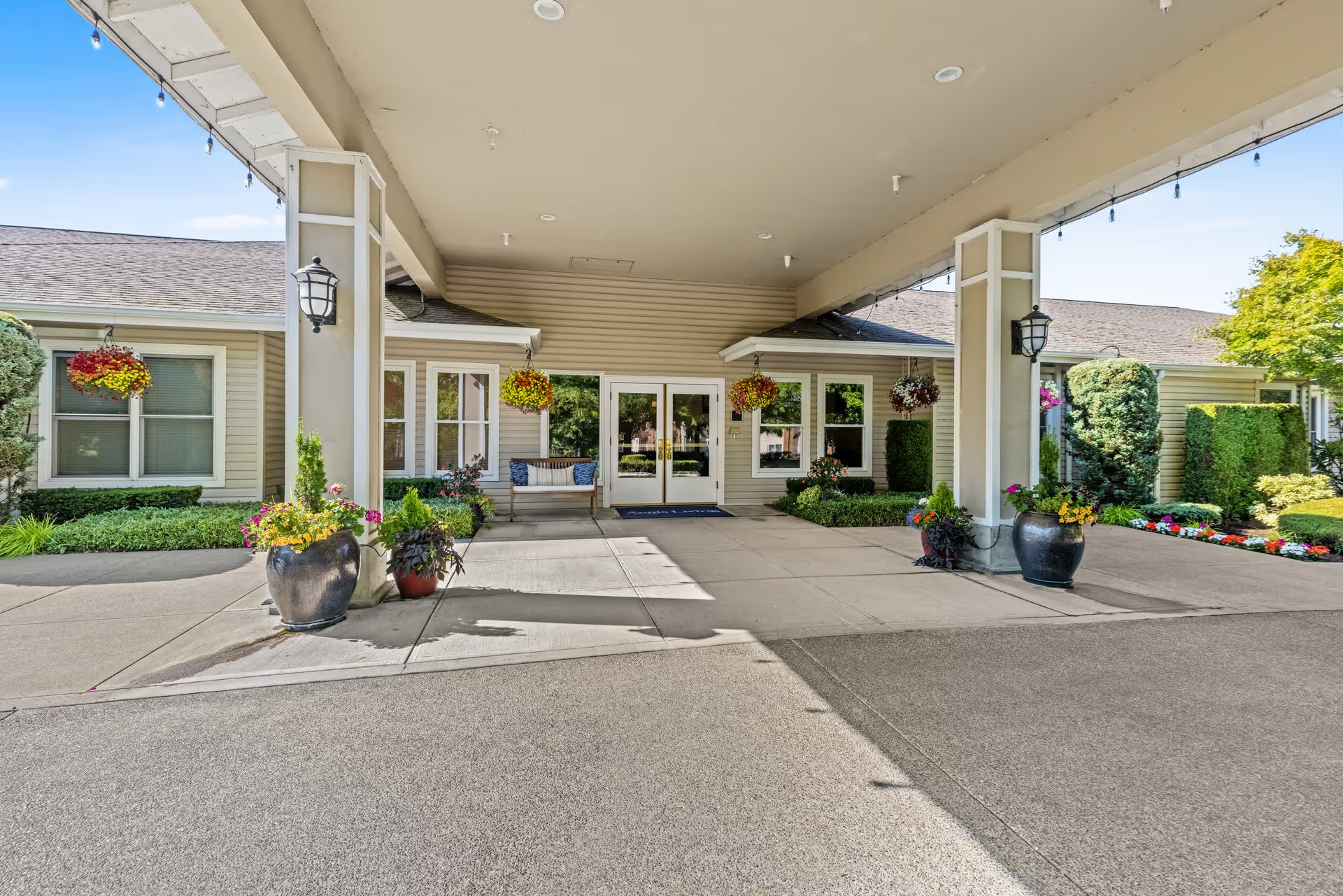
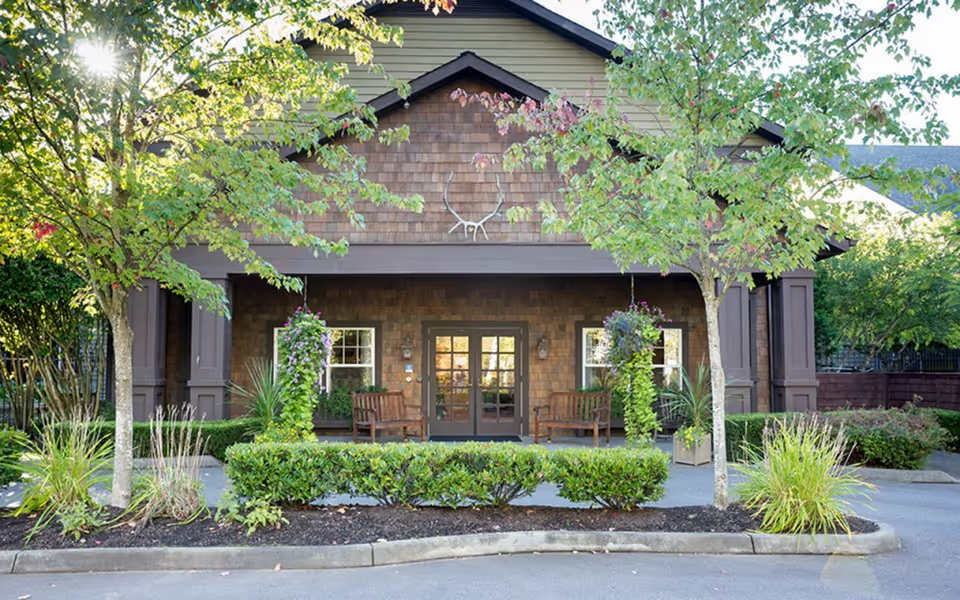
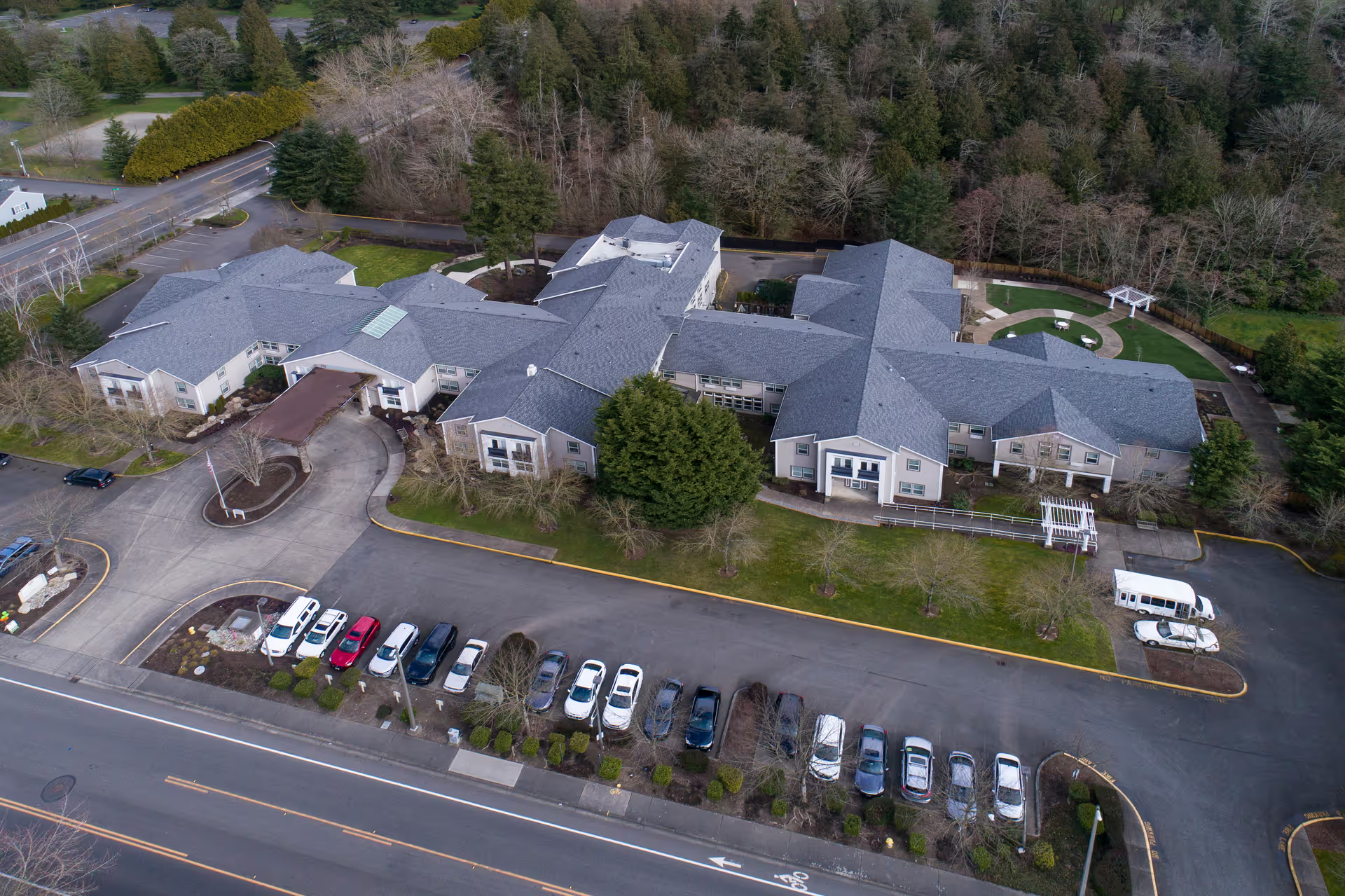
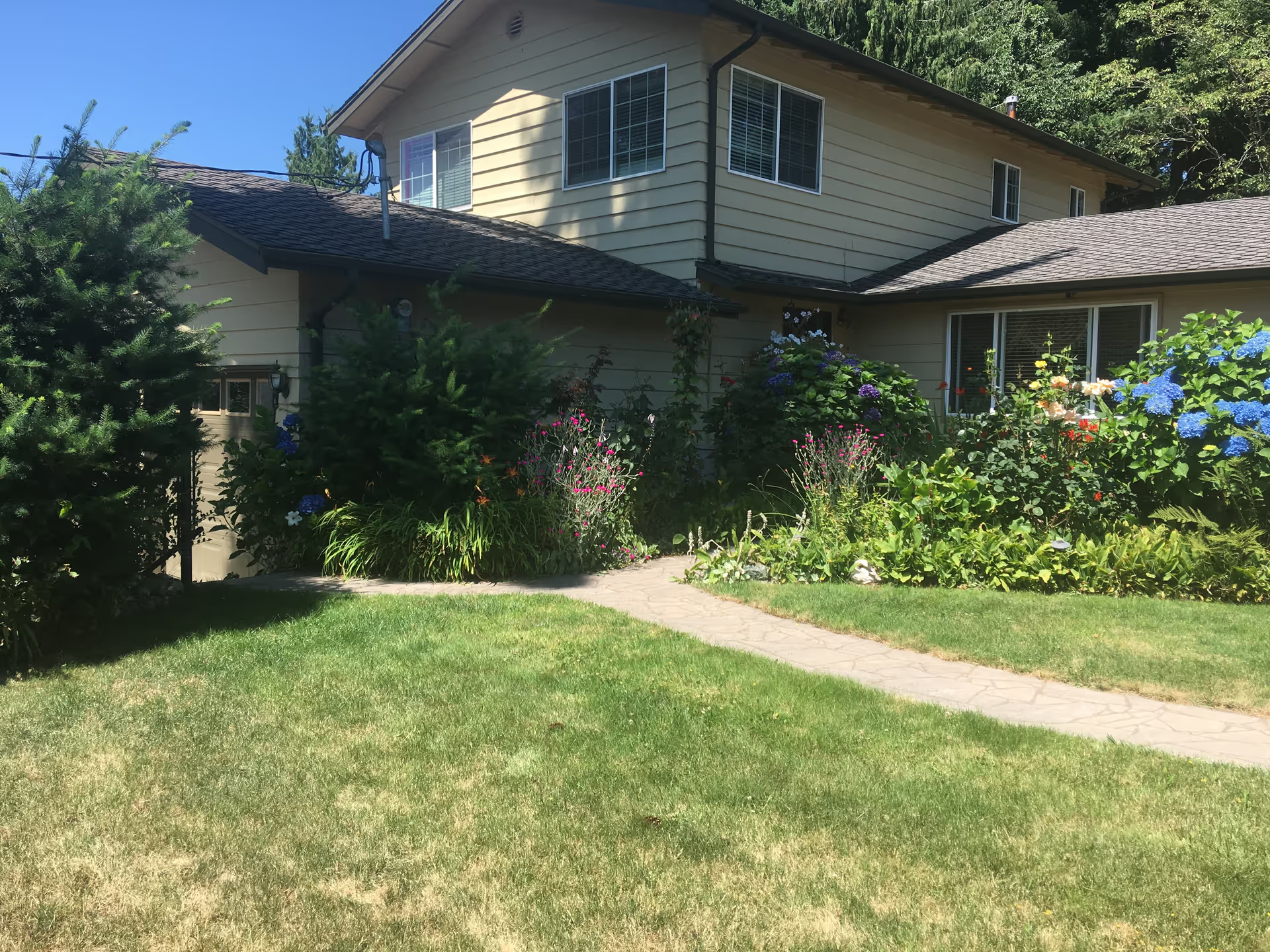
The reviews for North Auburn Rehab & Health describe a facility with clear strengths in person-centered caregiving and therapy, tempered by persistent operational weaknesses. Families and residents frequently praised nursing aides, therapists, and admissions/social-work staff for compassion, patience, and effective rehabilitation outcomes. Therapy services (physical and occupational) are consistently highlighted as effective in restoring mobility and facilitating transitions home. The facility’s atmosphere, communal spaces, and dining options are also cited as positive features that contribute to a home-like experience for many residents.
At the same time, a substantial body of feedback points to systemic operational concerns. The most recurrent patterns are inconsistent staffing levels, high turnover, and poor responsiveness on certain shifts — particularly nights and evenings — which manifest as prolonged response times to call lights and delays in routine care tasks. Medication management emerged as an important clinical risk area: reviewers described delayed doses, refill problems, and occasional mismatches between orders and administration. Relatedly, families reported lapses in clinical escalation and postoperative follow-up (for example, delayed wound or staple management and late identification of pressure-related skin issues), indicating gaps in monitoring and handoff procedures.
Environmental and facility issues are another recurring theme. Multiple accounts cite sanitation and odor concerns in common areas and some resident spaces, inconsistent housekeeping practices, and deferred repairs such as damaged walls and inoperative lighting. These infrastructure and maintenance deficits also extended to equipment reliability (including oxygen-delivery equipment) and intermittent outages of phone or communication systems, both of which have operational impact on resident safety and family communication.
Dining and activities receive mixed feedback. Many families and residents compliment the variety of menus, the ability to customize meals, and the active schedule of daily activities (exercise classes, games, and social programming). However, other reports note irregular meal timing, occasional lunchtime/dialysis timing conflicts, and uneven food quality that contributes to variable dining satisfaction.
Administrative processes and leadership were described as uneven. Some reviewers praised recent management changes and named specific staff as driving improvements in cleanliness, morale, and communication. Others raised concerns about billing inconsistencies, delayed discharge paperwork, loss of personal belongings, and adversarial interactions when families pursued complaints. A small subset of reviews referenced serious regulatory or compliance concerns in facility areas; these were not universal but warrant verification through facility inspection records.
Overall, the pattern is one of meaningful clinical and rehabilitative strengths delivered by committed individuals, coupled with operational reliability problems that affect safety, hygiene, and family confidence. Prospective residents and families should weigh the facility’s strong therapy and compassionate staff against documented weaknesses in staffing consistency, medication and clinical follow-up processes, sanitation/maintenance, and administrative reliability. When considering placement, recommended actions include an in-person tour focused on current cleanliness and maintenance, direct questions about staffing ratios and on-call coverage, review of recent inspection reports, and confirmation of medication- and wound-care protocols and communication practices for family updates.