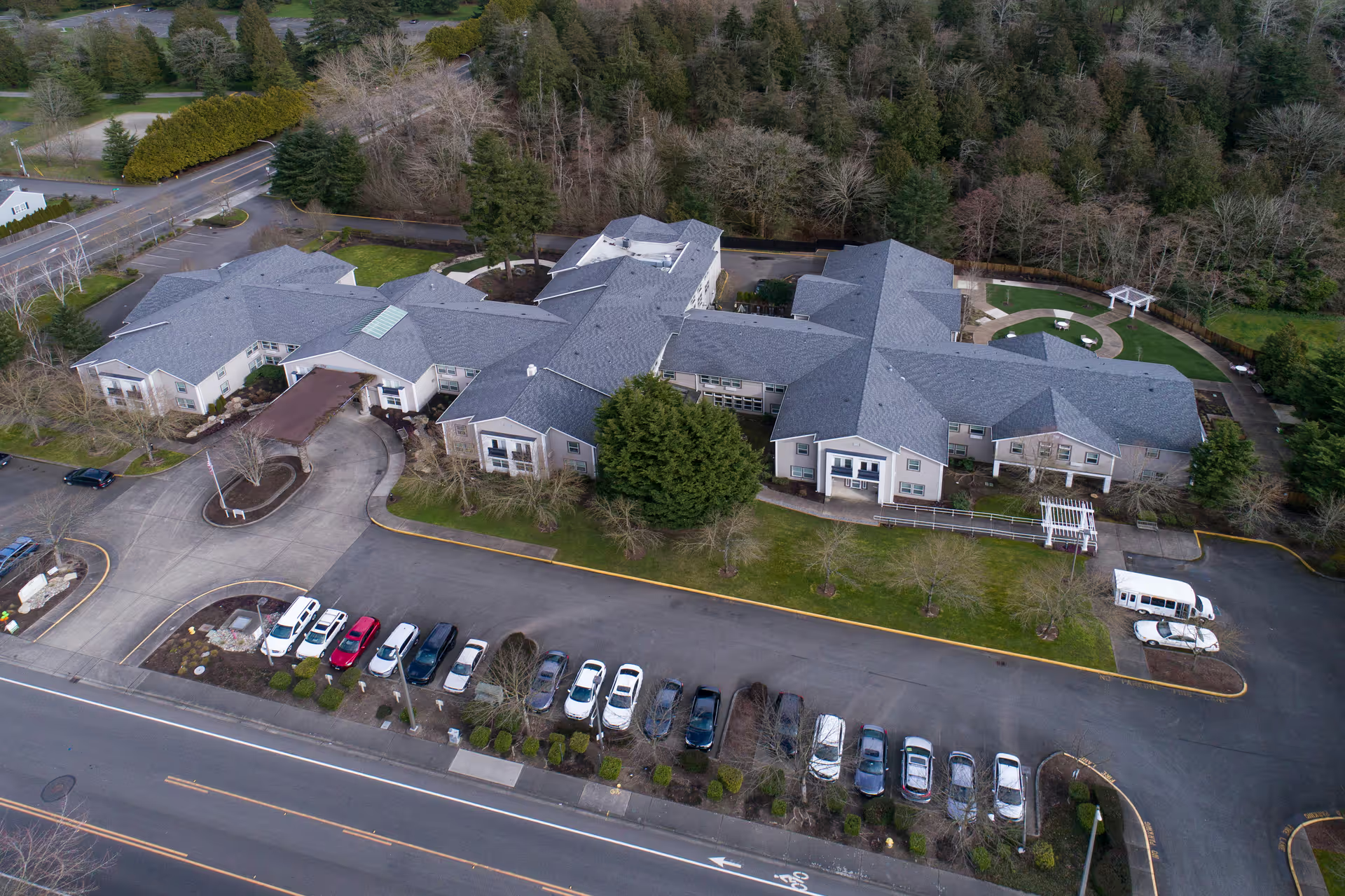
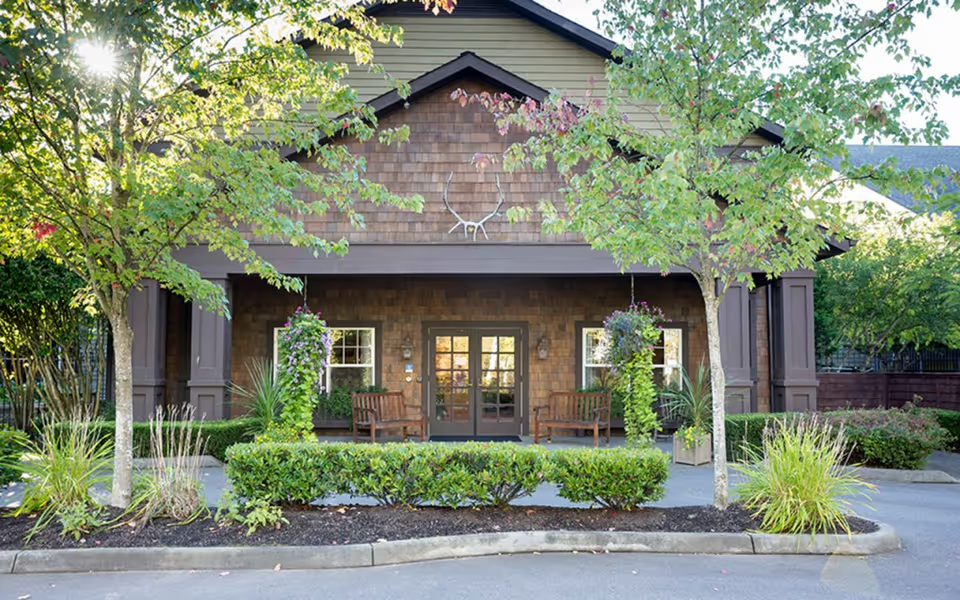
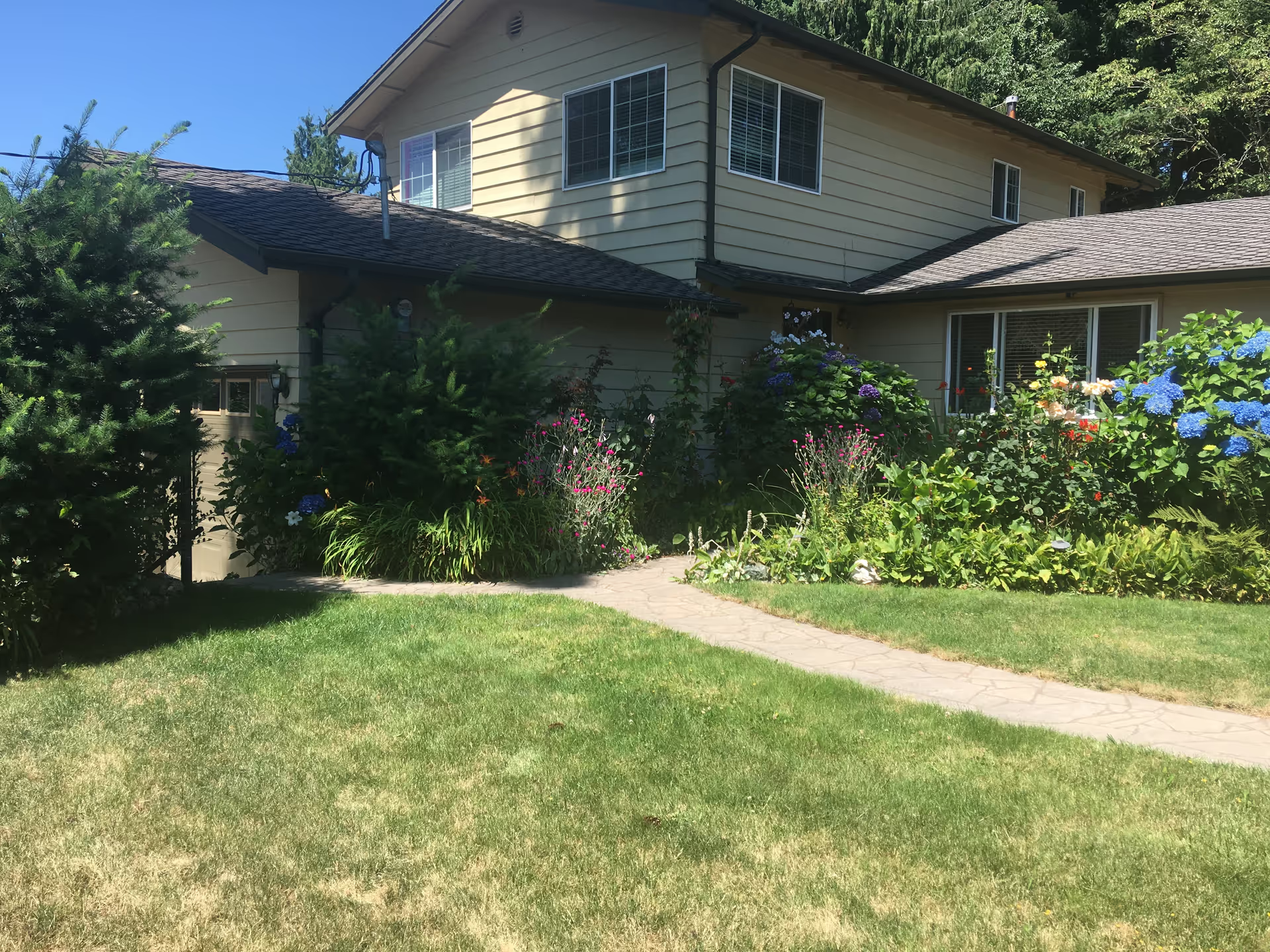
Auburn Meadows presents as a community with a strong emphasis on warm, relationship-driven care and a well‑kept campus. Numerous comments highlight caring staff who create a family-like atmosphere, a variety of social opportunities, and tangible clinical supports such as in-house nursing, periodic physician visits, hospice, and a memory-care program that many families found reassuring. The physical environment is often described as clean and recently updated in many areas; residents and families point to spacious studio units with kitchenettes or full appliances, an active grounds program, and convenient on-site services such as laundry and maintenance.
Clinical care and staffing elicit mixed impressions. While many families praised attentive caregivers, strong dementia expertise, and hospice services that exceeded expectations, there is an equally persistent pattern of staffing instability. High turnover, CNA vacancies, and staff being stretched thin were mentioned repeatedly. That pattern correlates with operational concerns such as inconsistent assistance with activities of daily living, gaps in medication-management controls, and variable responsiveness. Prospective families should ask about current staffing levels, turnover rates, and medication-administration safeguards when evaluating placement.
Dining and programming are clear strengths for some residents and pain points for others. Several reviews praise chef-driven menus, generous portions, snacks between meals, and organized dining experiences; others describe limited menu variety, high-carbohydrate options, and a lack of accommodations for specialized diets. Activity programming has historically been broad — from walking groups and craft classes to off-site trips and holiday events — but programming continuity has been affected at times by COVID restrictions and staff changes. Families who prioritize robust, consistent engagement should inquire about current activity staffing and schedules.
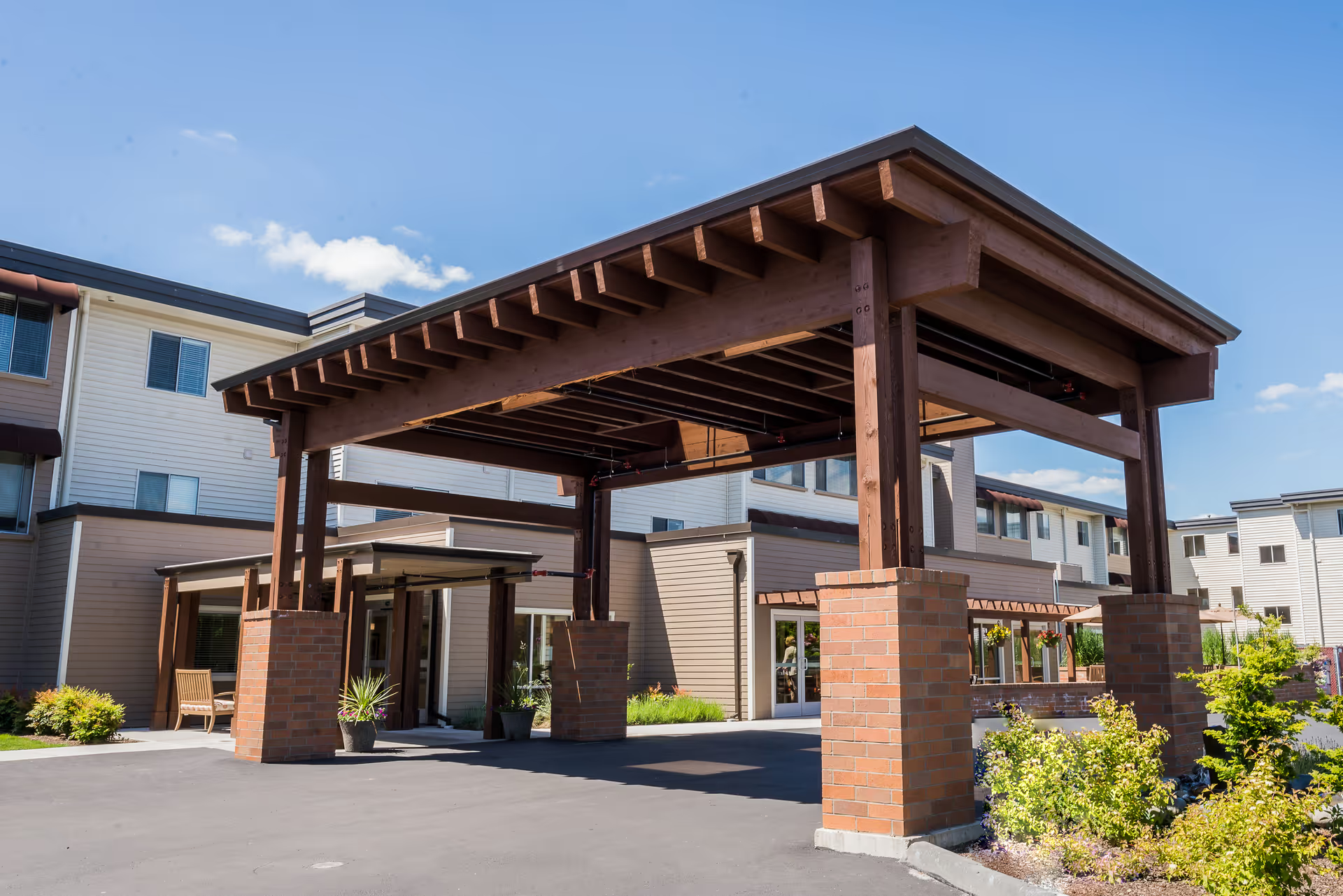
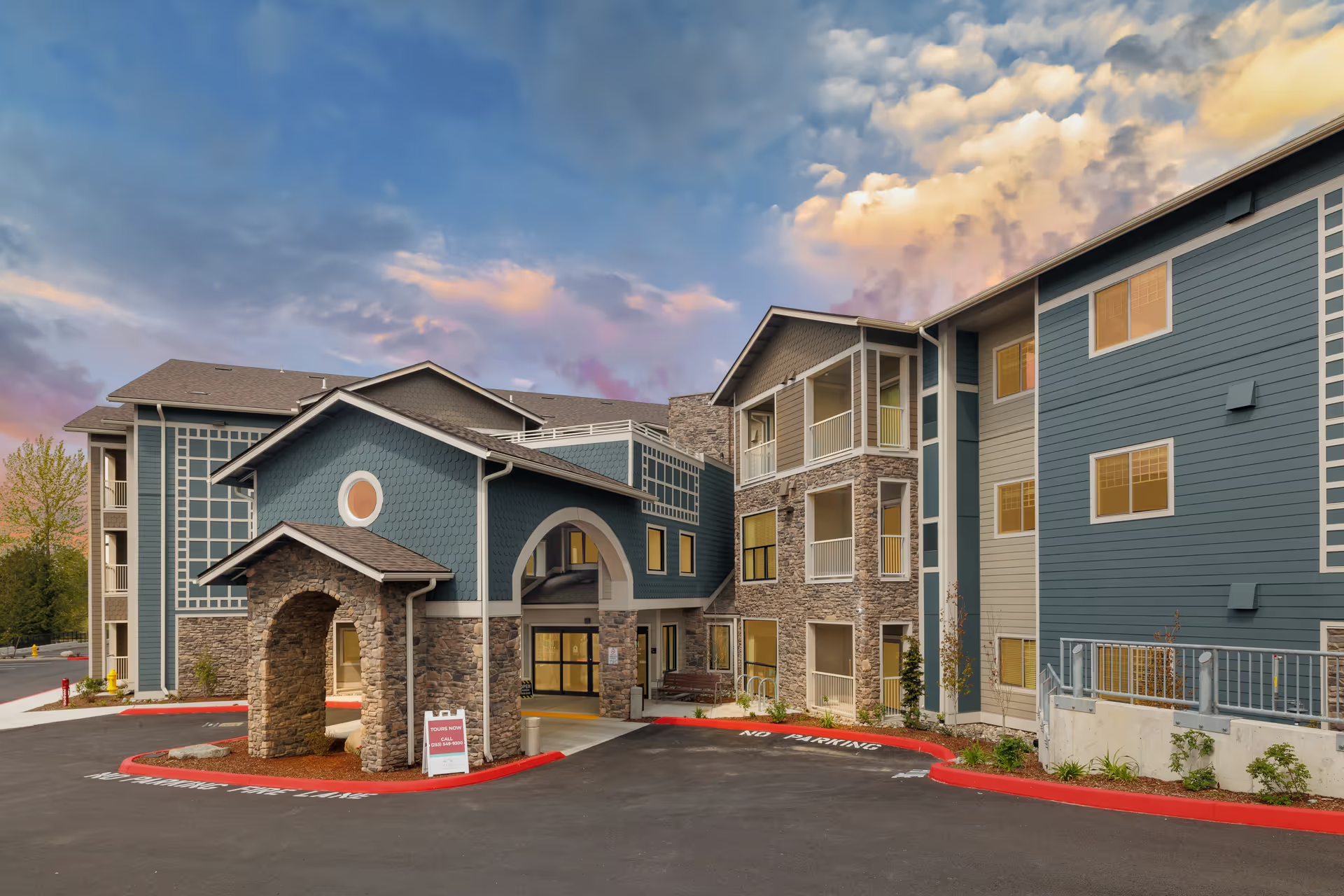
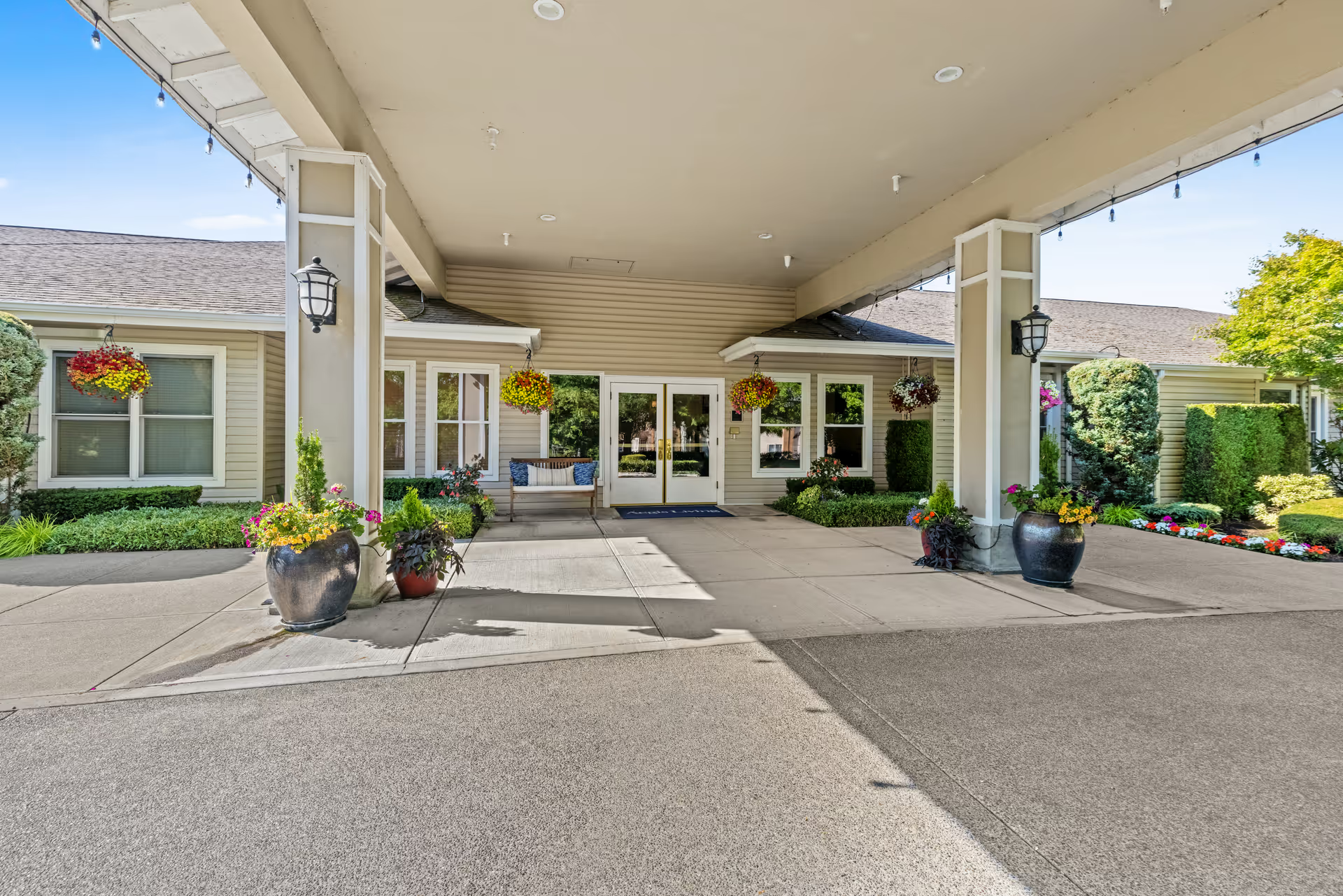
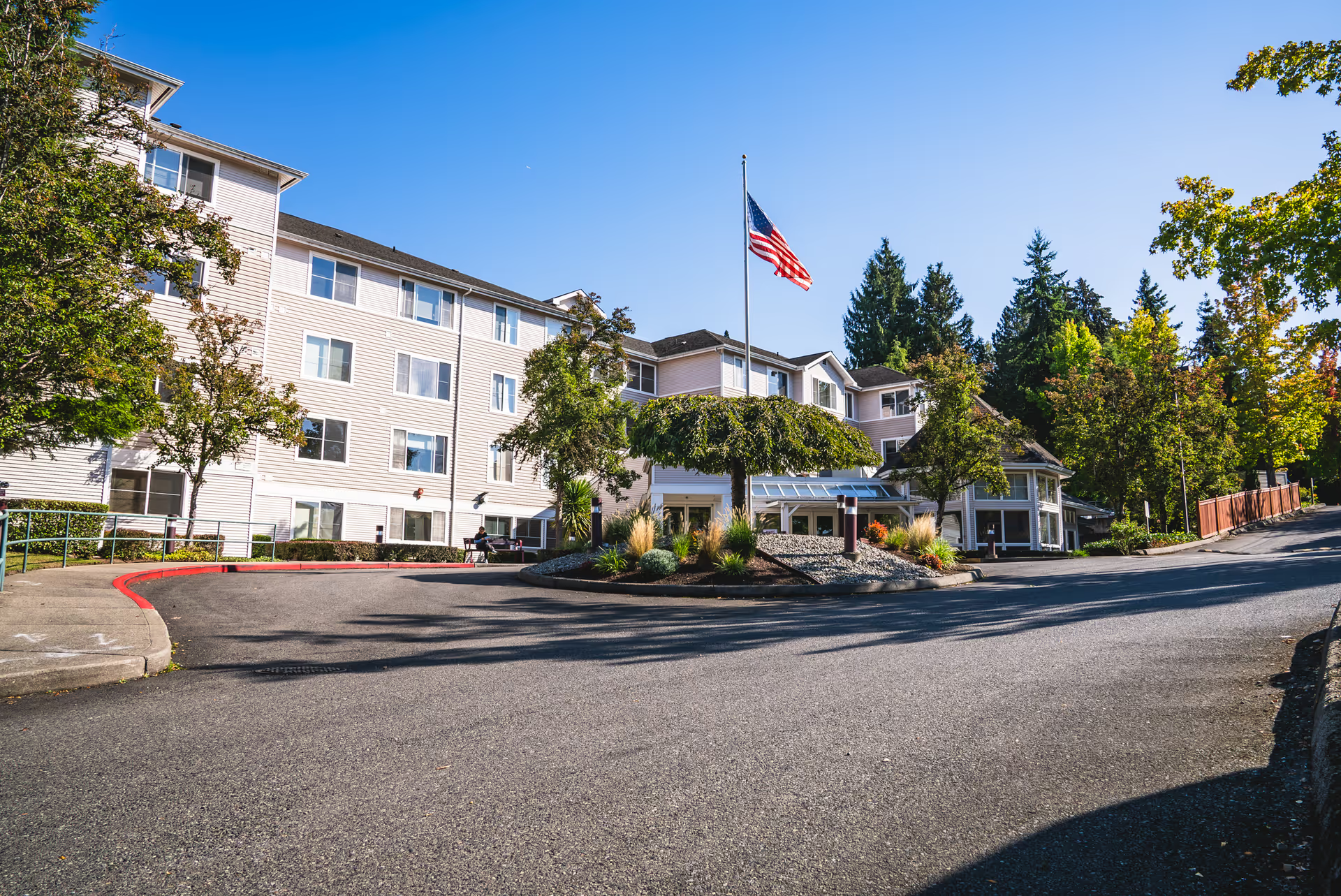
Facilities and campus upkeep are mostly favorably viewed: many noted renovated interiors, pleasant landscaping, and comfortable common areas. At the same time, reviewers identified areas that still show age or wear, ongoing construction, and occasional maintenance delays (including windows or heavy furniture safety during renovations). Accessibility constraints such as a single elevator and limited parking were also cited. Administrative and management practices are another mixed area; some families commend strong leadership, quick admissions, and good coordination with medical providers, while others describe slow move-ins, unclear care-level assessment processes, abrupt management turnover, and disputes over deposits or billing. These operational inconsistencies can require family advocacy to resolve.
Overall, Auburn Meadows may suit families seeking a community with a warm culture, visible clinical supports, and a campus that offers social engagement and on-site conveniences. At the same time, the facility shows recurring operational challenges—most notably staffing stability, variable dining and clinical-consistency, and administrative communication—that can affect the day‑to‑day experience. Visitors should tour the memory- and assisted-living areas, ask for current staffing ratios and turnover data, review meal plans and dietary accommodations, clarify assessment and billing policies, and confirm how activities and visitation are currently managed before deciding.