Overall impression: Reviews present a mixed picture. Many commenters praised frontline caregivers, the facility’s clinical capability for both acute and long‑term care, and basic comforts such as large rooms and satisfactory meals. At the same time, a pattern of operational weaknesses — particularly in clinical oversight, responsiveness, communications, and physical plant maintenance — appears across accounts and may affect the experience and safety of residents.
Care and staff: Direct‑care staff are frequently described as kind and hardworking, and reviewers credit the facility with providing both acute and long‑term services. Therapy and treatment resources are characterized as well‑equipped in some accounts. However, several notes point to gaps in clinical oversight (for example, limited physician availability) and occasional failures in basic care responsiveness, such as delays addressing personal‑care needs and inconsistent hydration management. These patterns suggest that the quality of day‑to‑day clinical monitoring and timely interventions can vary depending on staffing and shift.
Dining and activities: Dining is a relative strength in the reviews: food quality is described positively. Rooms are noted to be large, which supports resident comfort. There is limited information about recreation or structured activity programming in the supplied summaries; prospective residents may want to ask the facility for a current activities schedule and examples of engagement options during a tour.
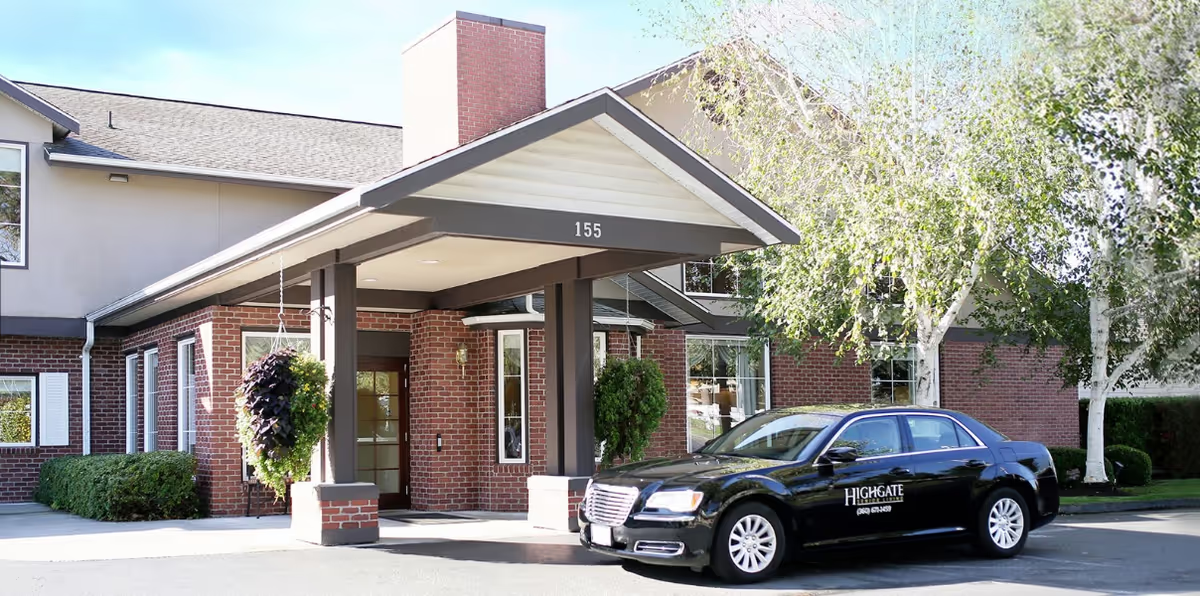
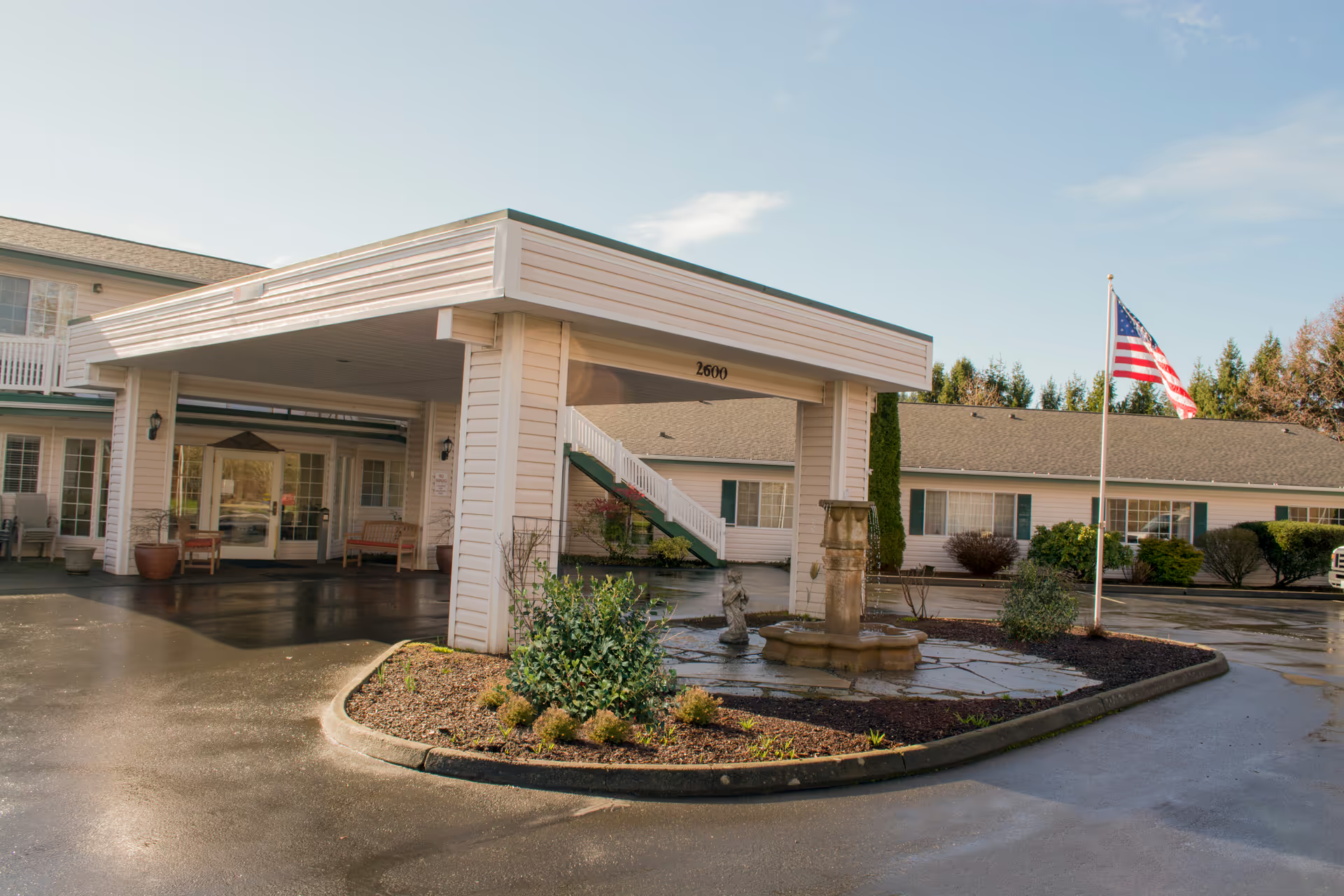
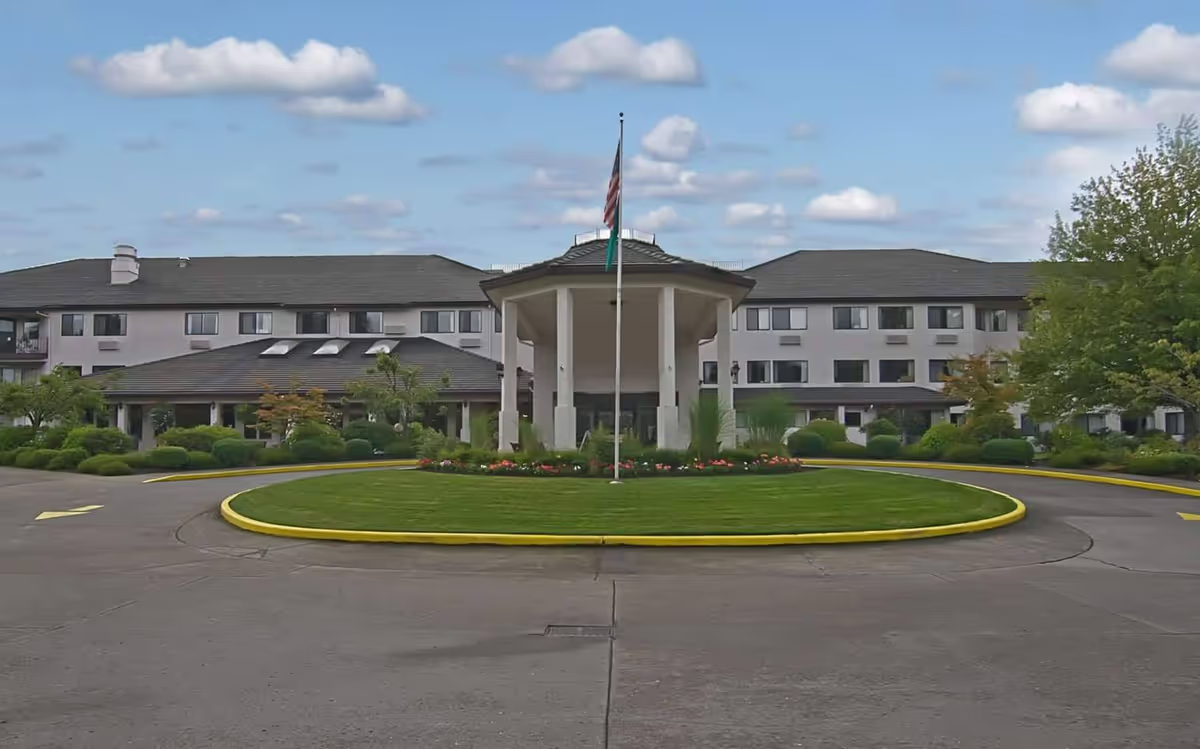
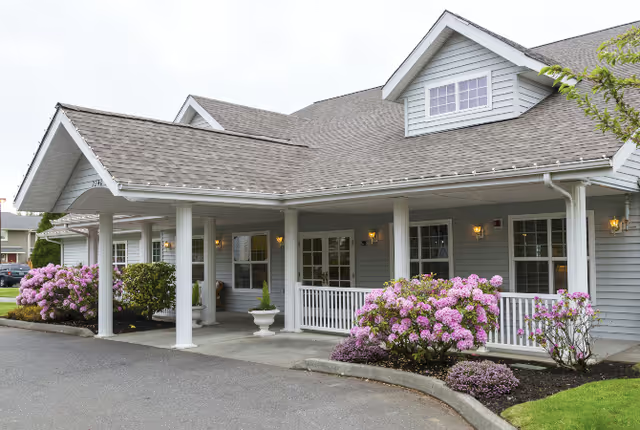
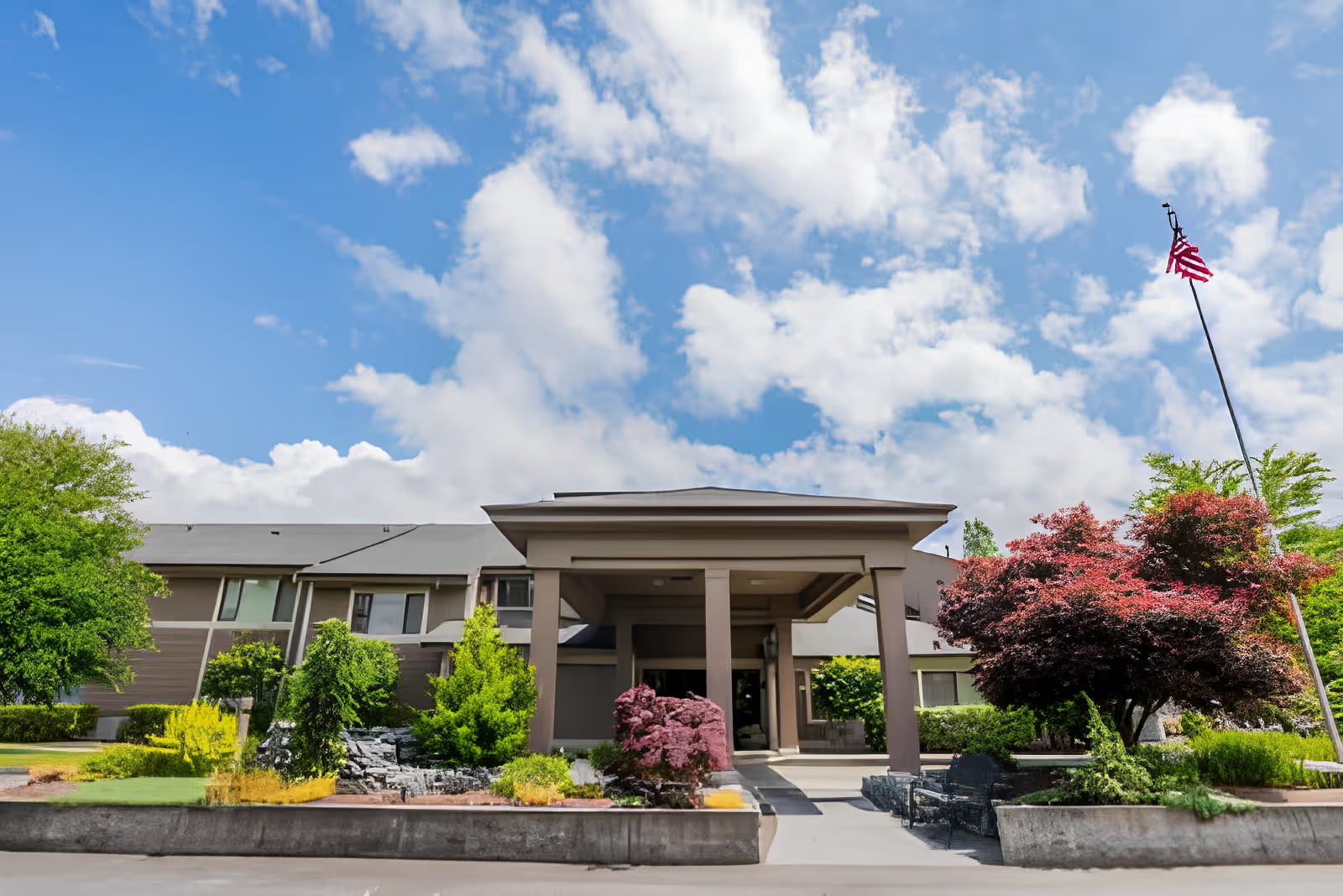
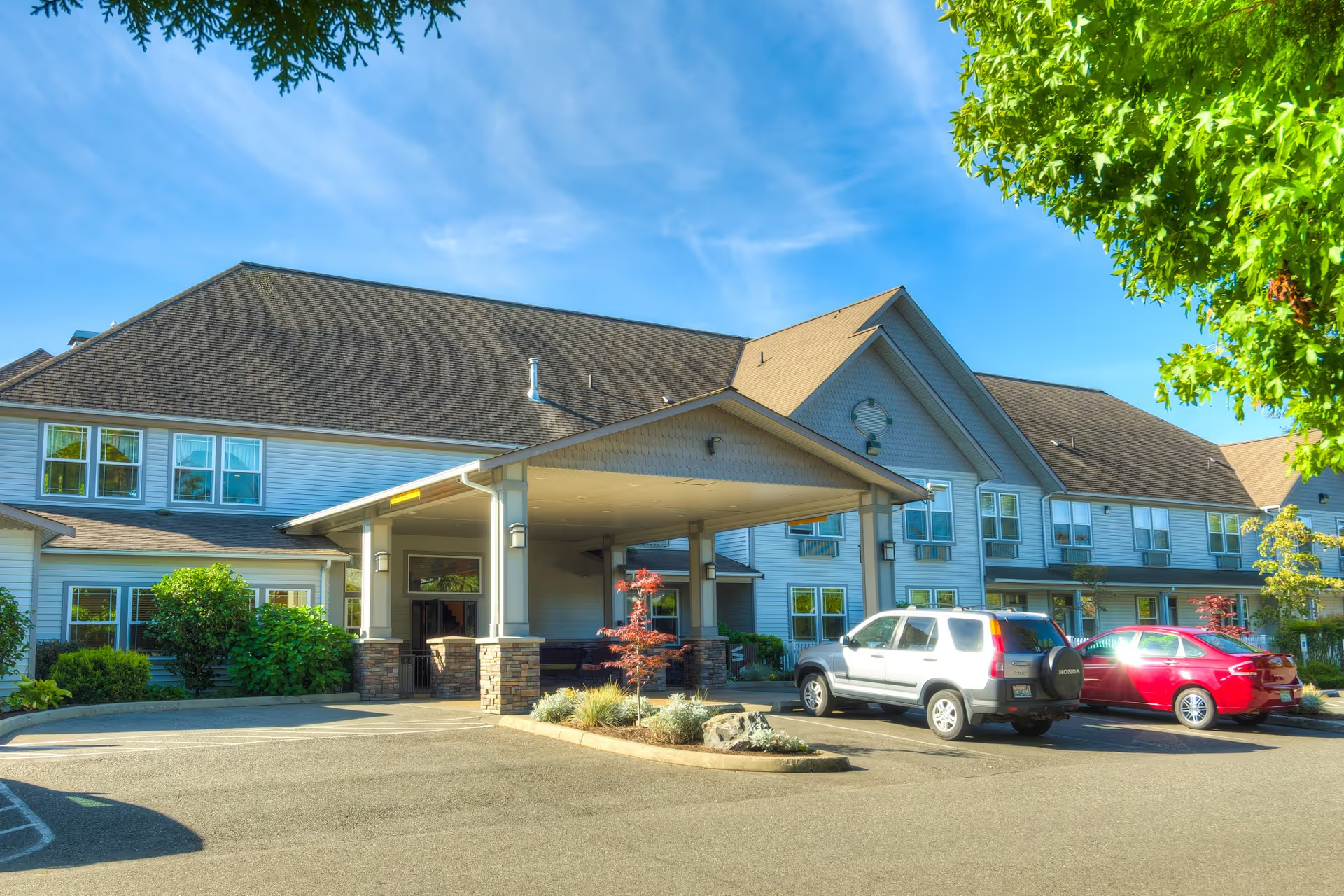
Facilities and environment: The facility is described as older, with some observations about maintenance needs. Environmental concerns include cluttered corridors and elevated noise levels at times, which can impact mobility and rest. Physical‑plant issues are coupled with communication infrastructure problems — notably nonfunctioning phone lines and multiple unreachable contact numbers — that impede family contact and administrative coordination.
Management and administration: Reviews indicate several administrative weaknesses: delays in approvals and medication changes, inconsistent documentation practices, and concerns about transparency around paperwork. These issues intersect with clinical operations (for example, slow medication adjustments or difficulty confirming physician orders) and with family communications when phone systems are unreliable. Nighttime staffing shortages are a recurring operational theme that amplifies responsiveness concerns during off hours.
Notable patterns and guidance for families: The strongest, consistent positives relate to staff compassion and the facility’s basic clinical capabilities. The recurring operational themes to probe further are infection‑control protocols, physician coverage and clinical oversight (including on‑call arrangements), staffing levels at night, response times for personal‑care needs, medication‑administration and approval workflows, and the facility’s communication systems. When evaluating this facility in person, ask for current staffing ratios, a copy of infection‑control policies, examples of documentation and consent practices, recent maintenance or renovation plans, and to test primary contact numbers. These checks can help balance the facility’s evident strengths against the operational gaps described in reviews.