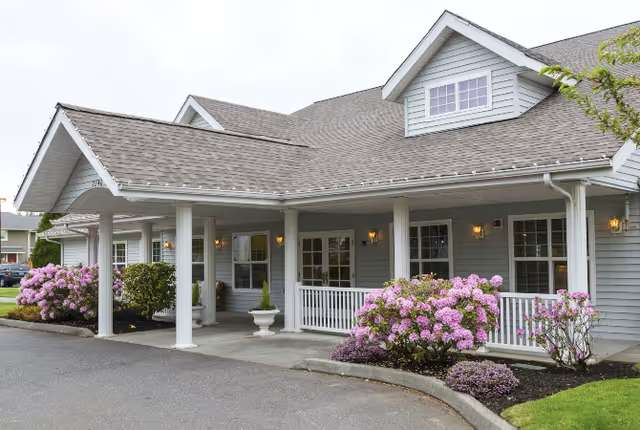
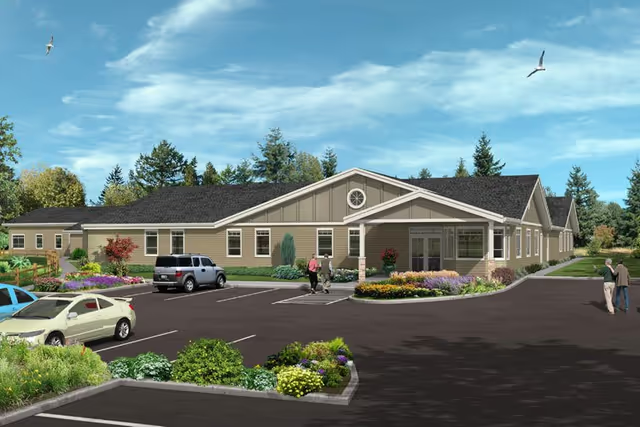
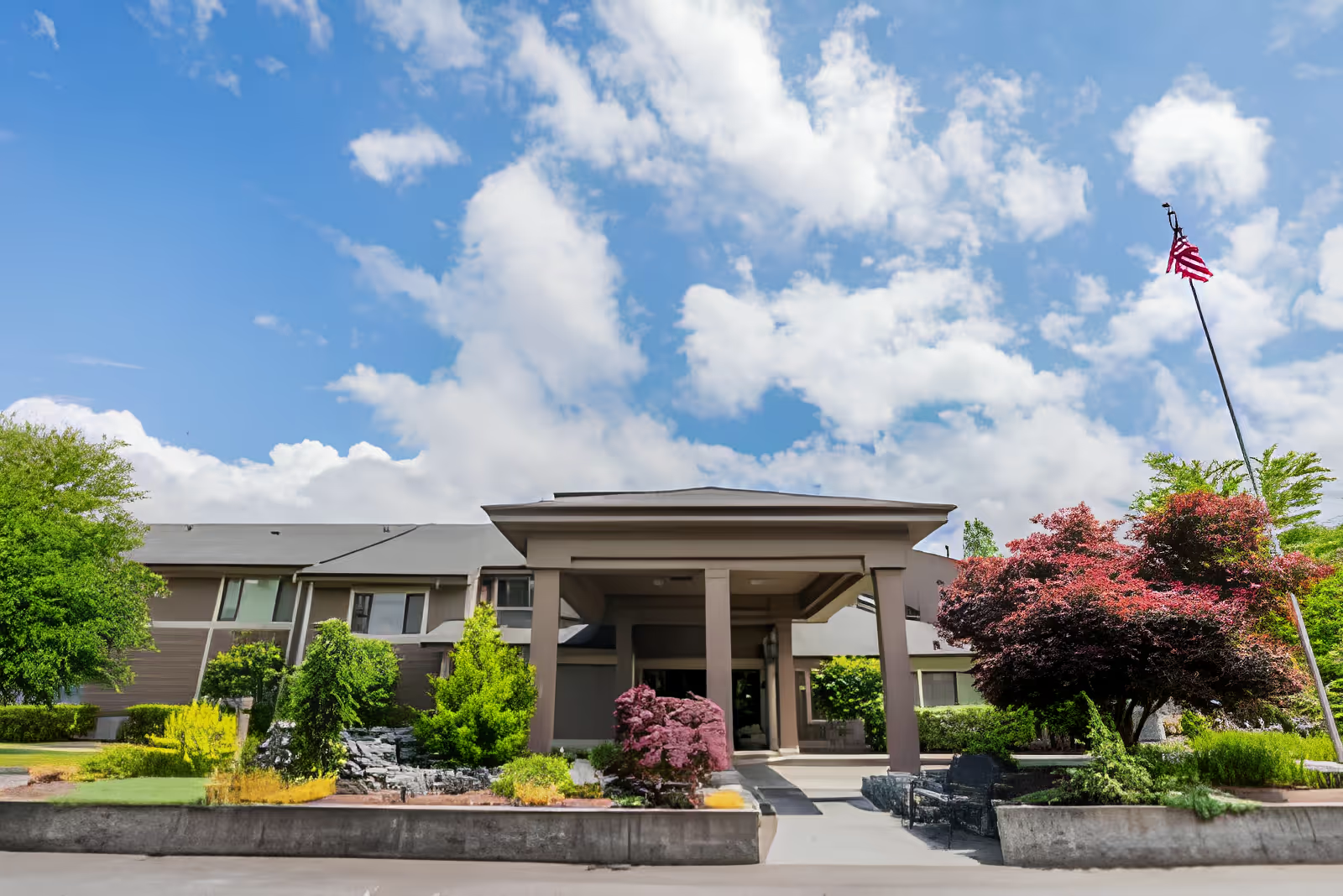
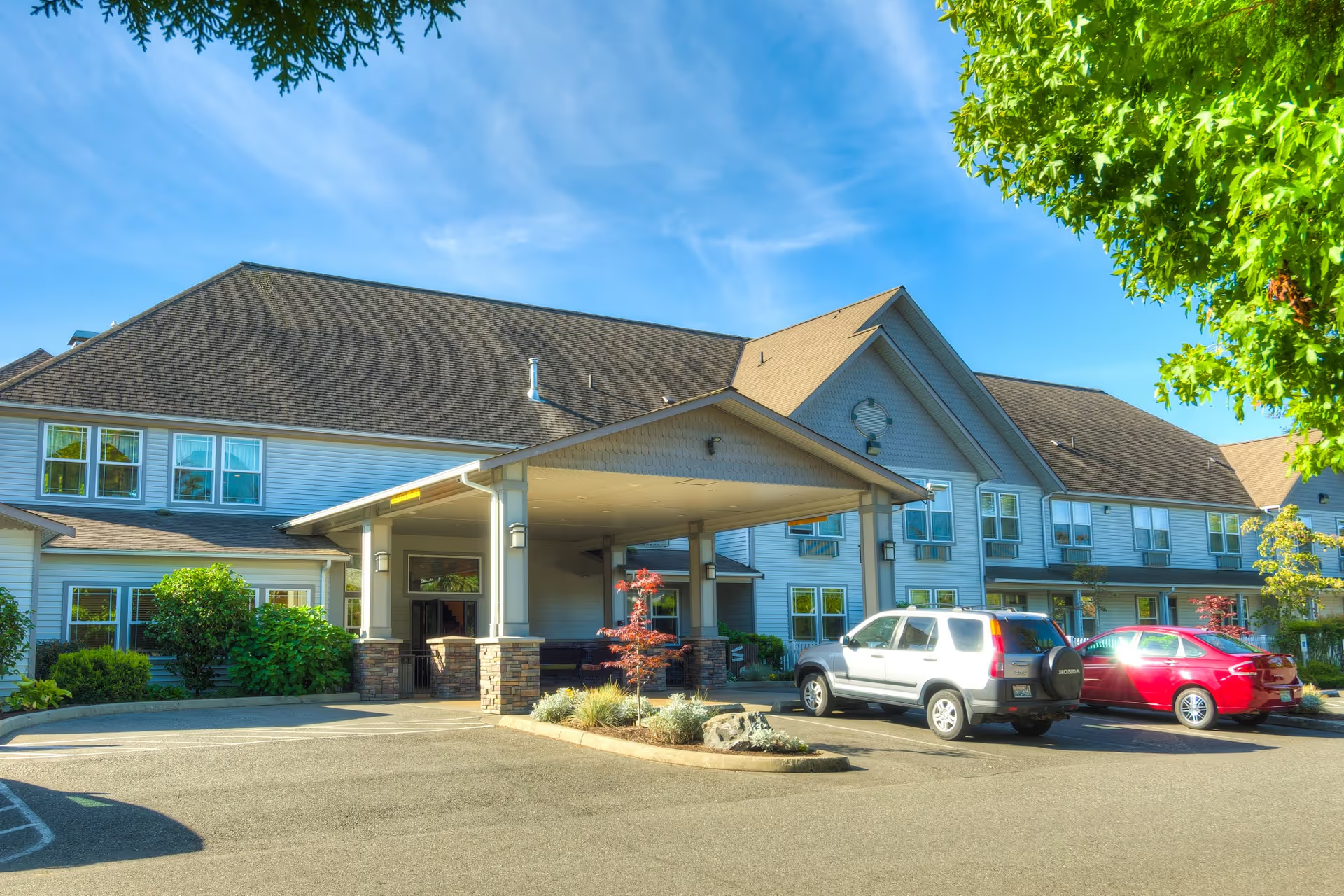
Avalon Healthcare - Bellingham elicits a broadly mixed but distinct pattern of responses. Many families praise the facility for compassionate, patient-focused nursing and therapy services: reviewers frequently describe attentive nurses and CNAs, strong physical and occupational therapy programs that support measurable restorative progress, and staff who engage families through clear communication and care conferences. Admissions and transition processes are often described as smooth, with the facility positioned advantageously next to a hospital and offering private-room options. Several accounts also highlight coordinated hospice support and effective discharge planning for end-of-life care.
Dining and programming receive varied commentary. The kitchen is noted for accommodating individualized dietary needs and some families compliment breakfast and certain meals; however, there are repeated notes about inconsistent meal quality and occasional delays in meal delivery. Social programming, group activities, and one-on-one engagement are recurring positives, and reviewers commonly report a welcoming atmosphere with staff who make residents feel at home.
Operational and facility-level weaknesses are a consistent counterpoint. Reviewers point to uneven staffing and high turnover that correlate with variability in day-to-day care quality, delayed responses to call bells, and irregular bathing/personal-care schedules. There are also sanitation and odor concerns reported in parts of the building, along with maintenance needs such as worn carpeting and paint. Overcrowding and busy hallways in some units have been described as affecting residents’ rest and privacy, and issues around loss of personal laundry and belongings have been raised.
Clinical processes and management practices are another area of divergence. While some families applaud leadership changes and improvements under new management, others cite administrative weaknesses including inconsistent follow-through, billing and financial-administration problems, and uneven enforcement of visitation policies. Reviewers also describe specific clinical process gaps — for example, wound-care checks and medication-administration oversight — that suggest variability in protocol adherence. Several comments reference perceived resource constraints impacting staffing and equipment availability.
Taken together, Avalon demonstrates strong strengths in person-centered caregiving, rehabilitation, and family communication that make it a viable option for many seeking short-term rehab or coordinated hospice care. At the same time, operational inconsistencies — staffing variability, cleanliness and maintenance issues, dining reliability, and administrative communication gaps — are prominent themes. Prospective residents and families would benefit from targeted questions during a visit about current staffing levels and turnover, wound-care and medication protocols, laundry and personal-item safeguards, meal schedules and menu supervision, visitation rules, and recent management or quality-improvement initiatives to understand how the facility’s strengths apply to their specific needs.