The reviews present a mixed but distinct pattern: many families and residents describe high-quality clinical rehabilitation and day-to-day caregiving, while a smaller set of accounts identify operational shortfalls that affect some stays. Strengths center on therapy, individualized care planning, and a cohort of caregivers who receive repeated praise for compassionate, hands-on support. Multiple comments highlight an effective rehab program with skilled therapists, frequent therapy sessions during active rehab, coordinated post-rehab planning, and staff who prioritize functional recovery. Several CNAs and nurses are named as dependable and empathetic, and hospice/end-of-life support is described as comforting and professionally managed.
Staffing and conduct show notable variability. Positive accounts describe punctual, attentive teams and strong teamwork; conversely, other narratives describe slow response times to assistance requests, inconsistent personal-care practices (including bathing and continence support), and variability in medication timing. These patterns suggest uneven staffing coverage and differences in individual caregiver practices that translate into inconsistent resident experiences. Reviewers also cite instances suggesting gaps in visitor supervision and unit access control, which may reflect local workflow or security practices rather than facility-wide policy.
Dining and activities are generally seen as assets for many residents. Several reviewers compliment the food—including comments about an improved menu under new kitchen leadership—and note regular activities such as movies, bingo, and outings that support social engagement. At the same time, there are recurring remarks about limited menu variety and occasional food-service inconsistencies, indicating that meal experience may vary depending on timing and individual expectations.
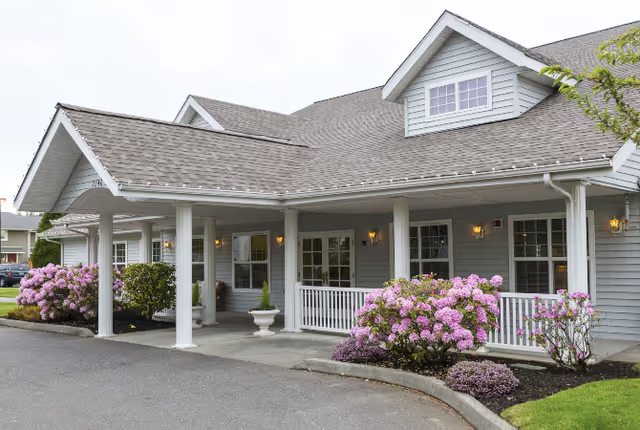
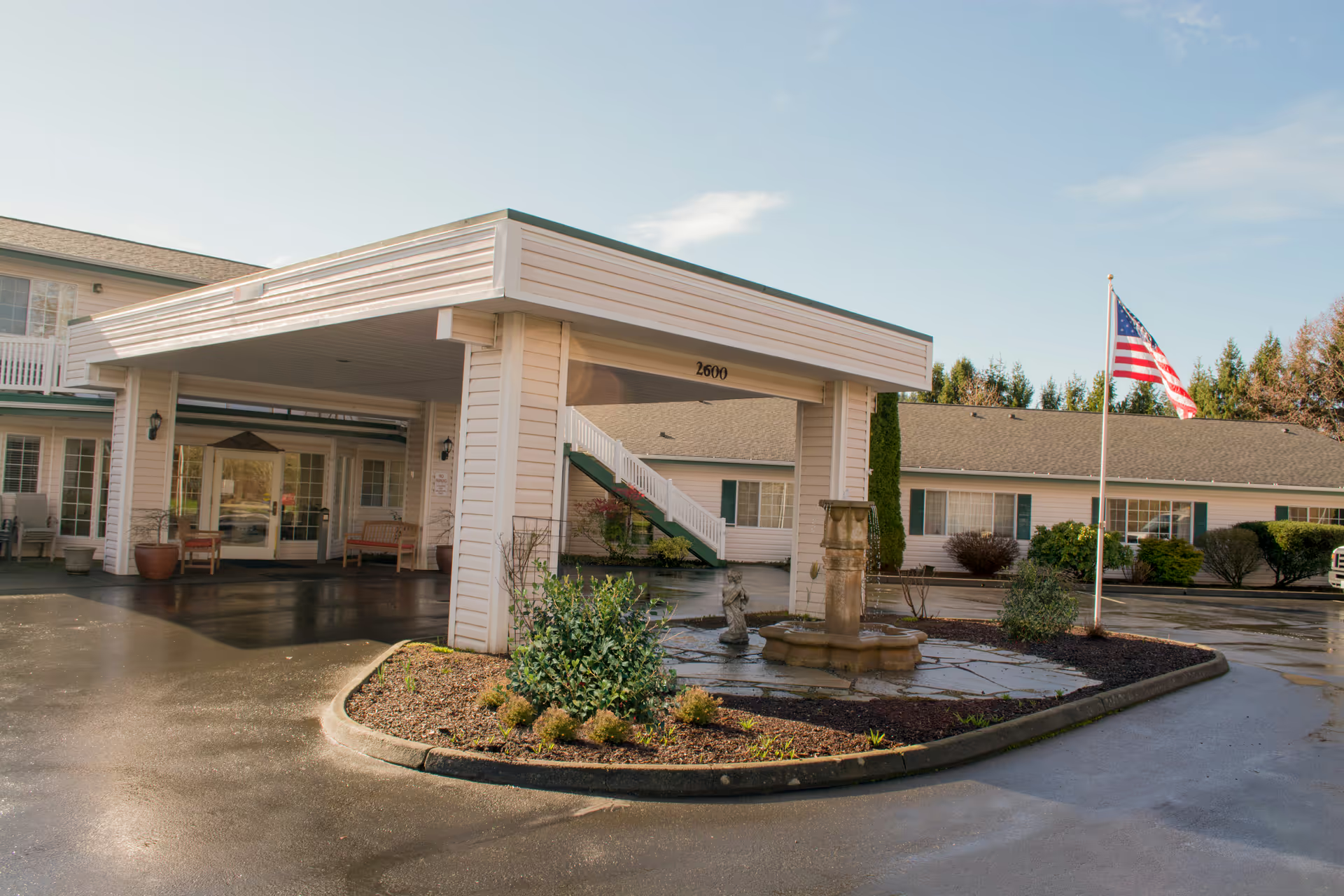
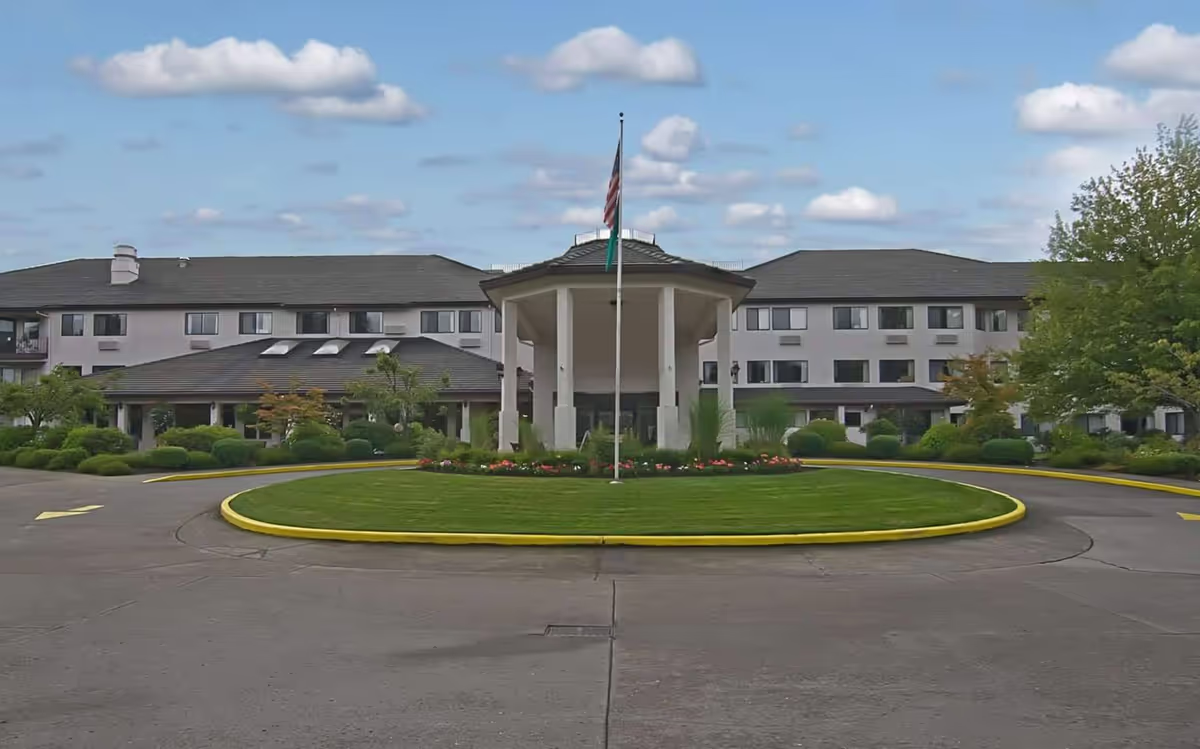
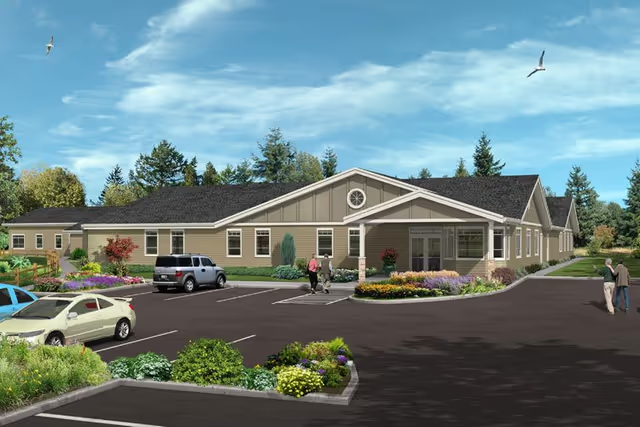
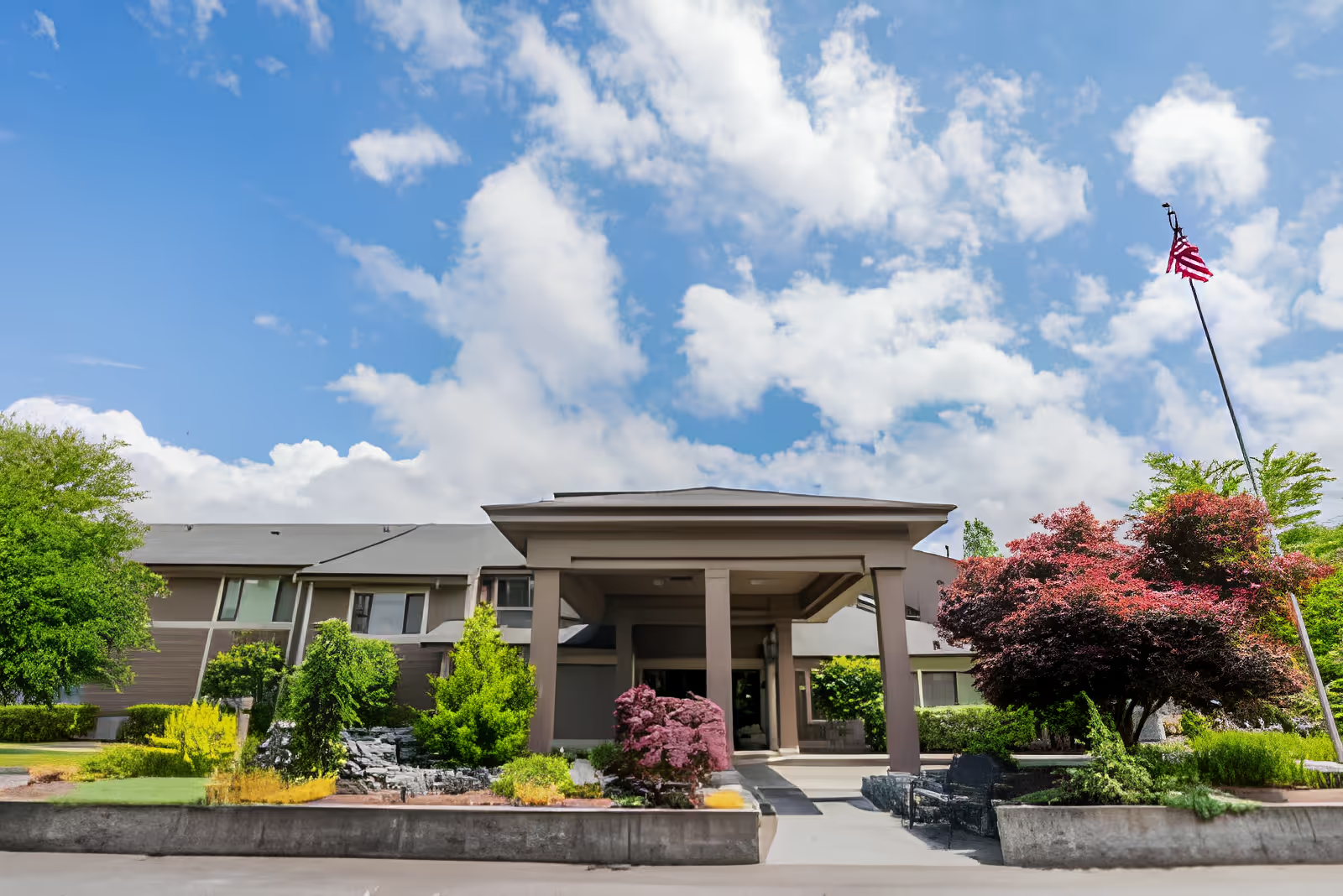
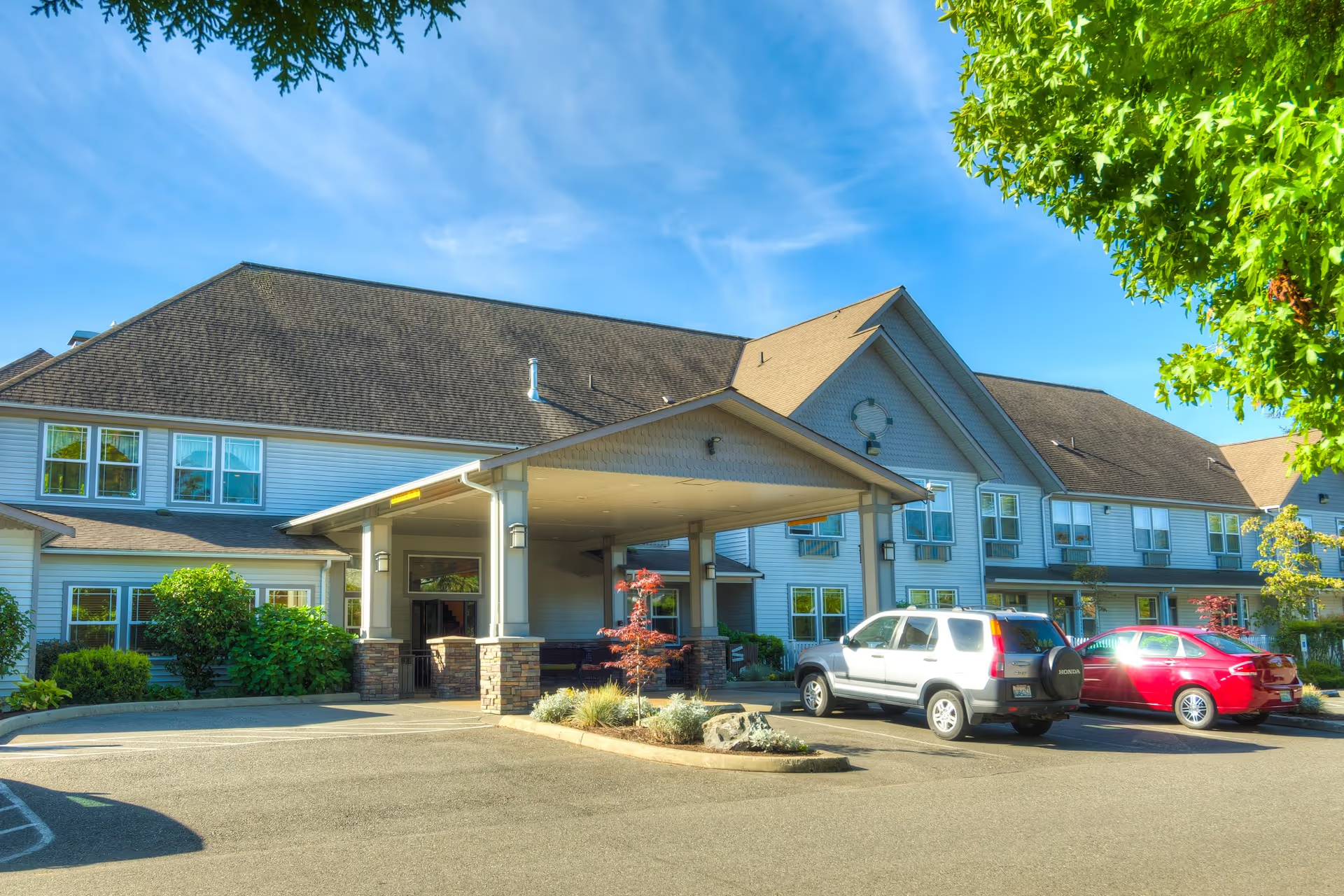
Facility condition and admissions experience are frequently positive: the building is described as clean, bright, and well maintained, and the admissions/tour process is often characterized as welcoming and informative. Housekeeping and laundry service, however, are identified as an operational area needing improvement in some cases, with delays and lapses affecting resident comfort and family satisfaction.
Management and communications present an inconsistent picture. Some families praise approachable leadership and good communication; others describe strained employee relations, concerns about managerial tone, and unsatisfactory grievance handling. These discrepancies point to variability in leadership practices or local unit management rather than uniform policy differences. Prospective residents and families should ask specific questions about staffing ratios, escalation pathways for concerns, and grievance procedures during the tour.
Bottom line: North Cascades Health and Rehabilitation appears to offer strong rehabilitation services, many compassionate and skilled caregivers, a pleasant physical environment, and active programming—factors that drive positive outcomes for many residents. Simultaneously, intermittent operational weaknesses (staffing consistency, response times, personal-care scheduling, housekeeping/laundry, and management consistency) can degrade the experience for others. Families evaluating the facility should weigh the documented strengths in therapy and individualized care against the potential for variability by asking targeted questions about staffing levels, care-plan adherence, medication timing processes, and how the facility handles complaints and visitor supervision.