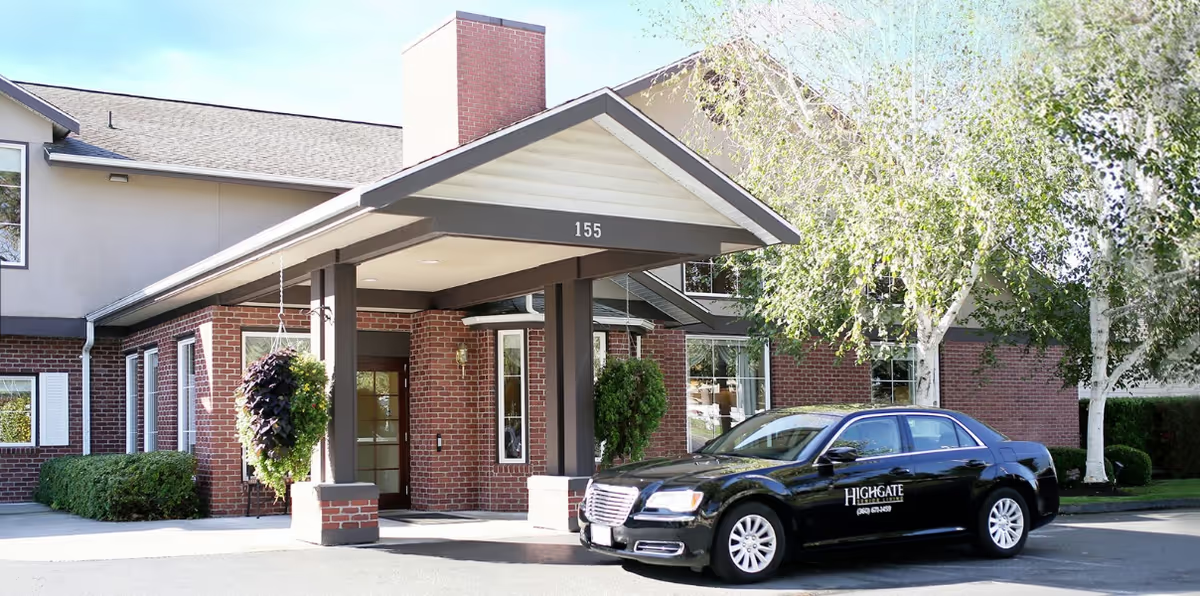
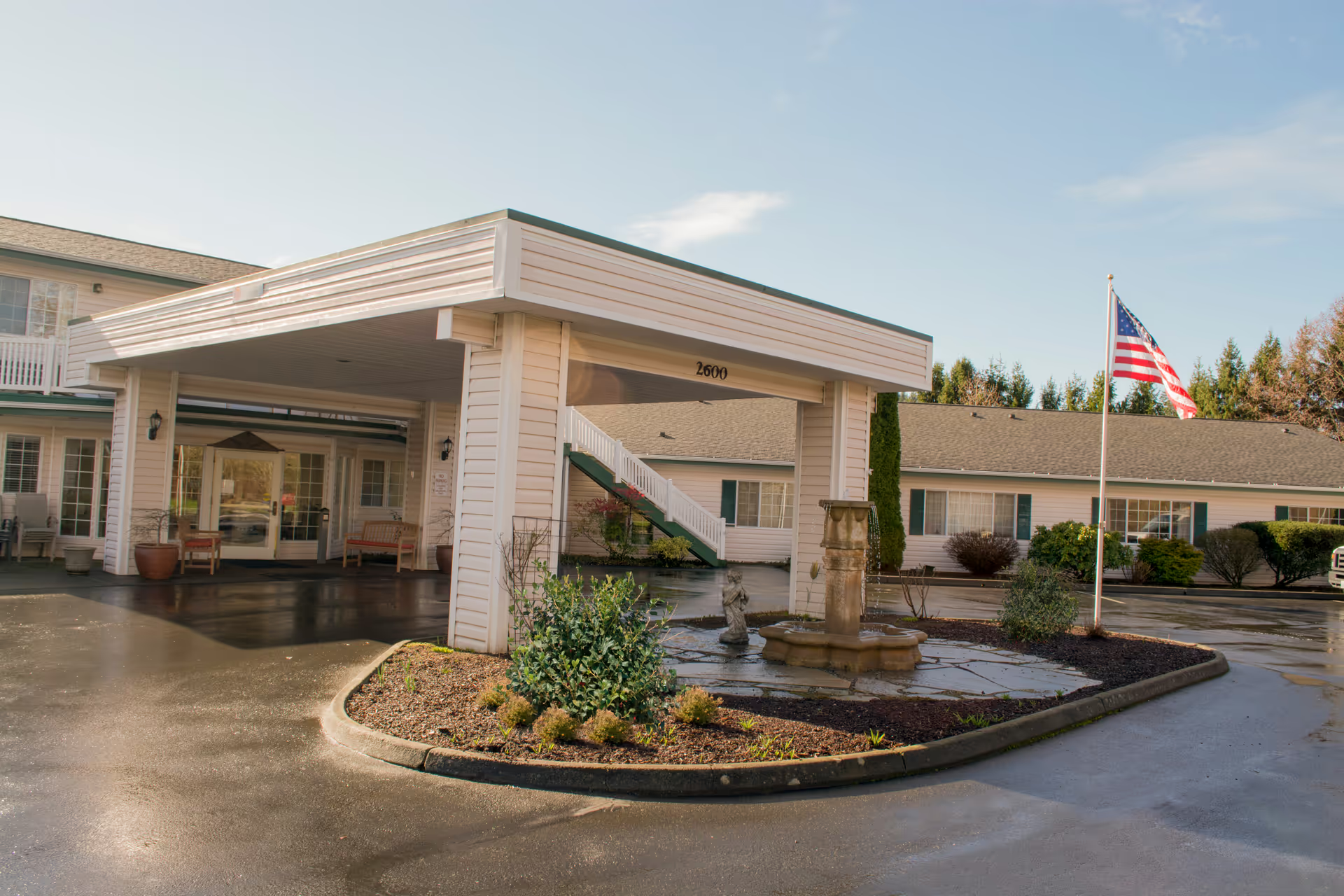
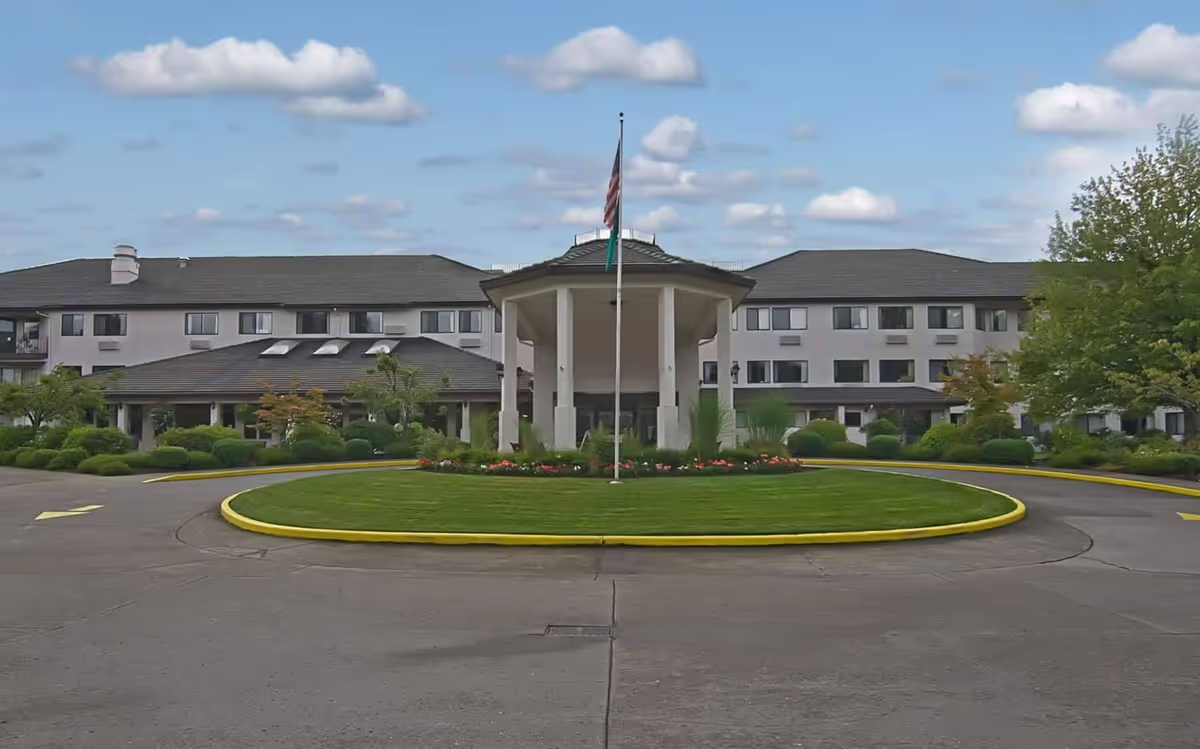
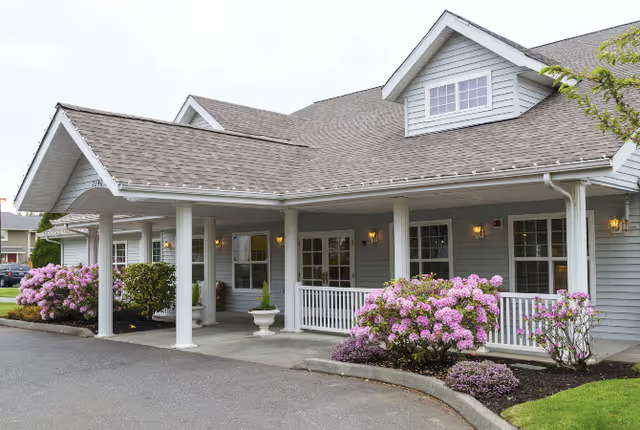
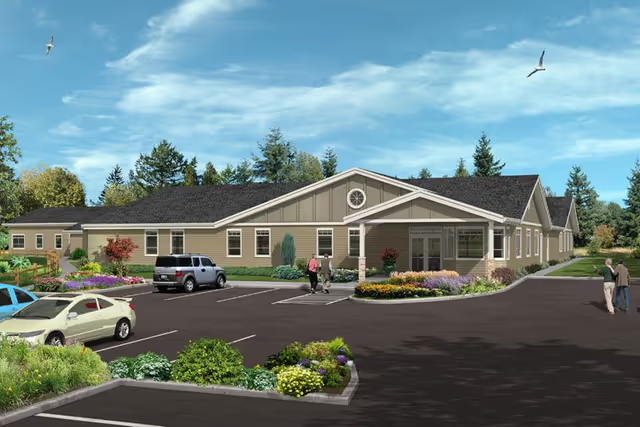
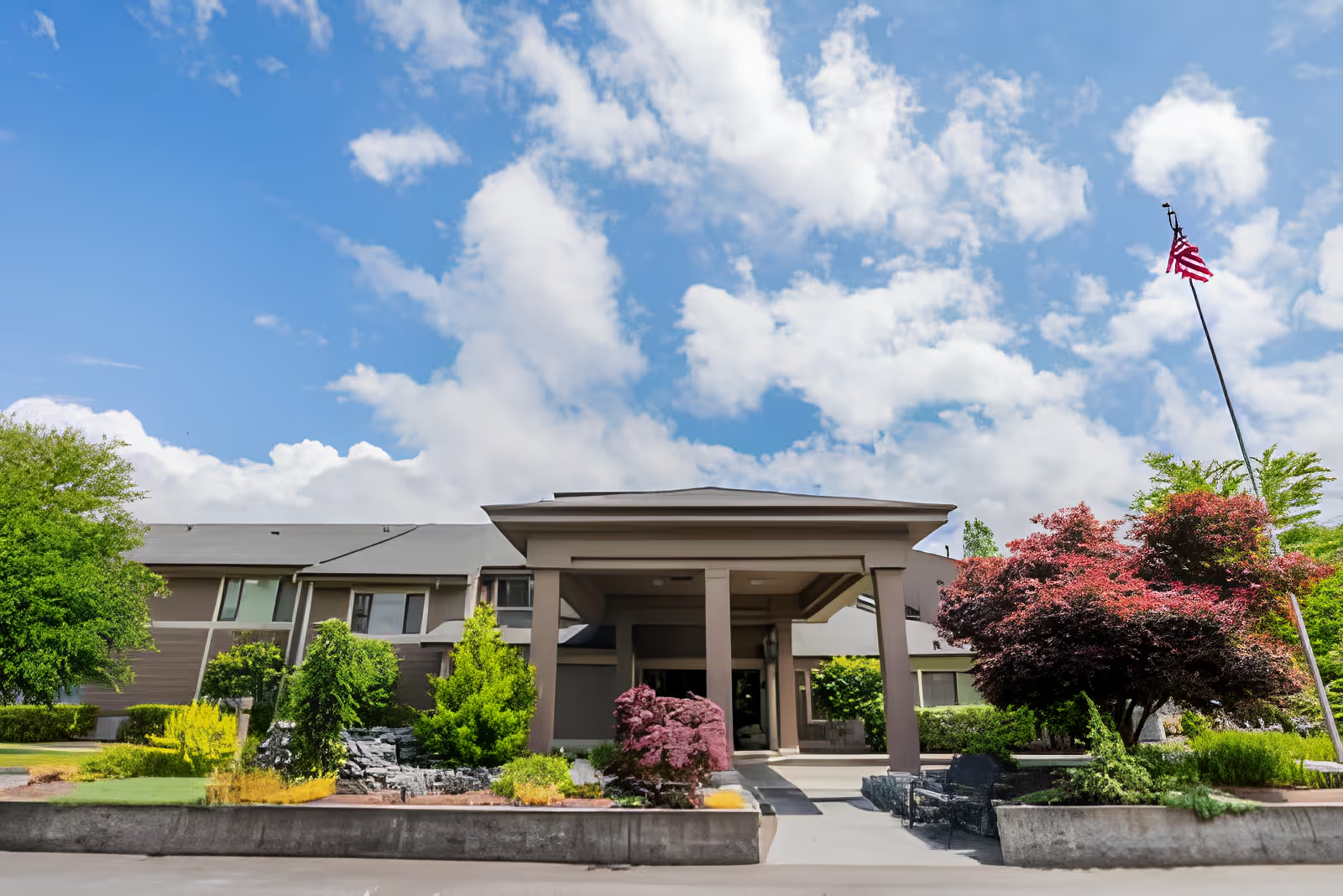
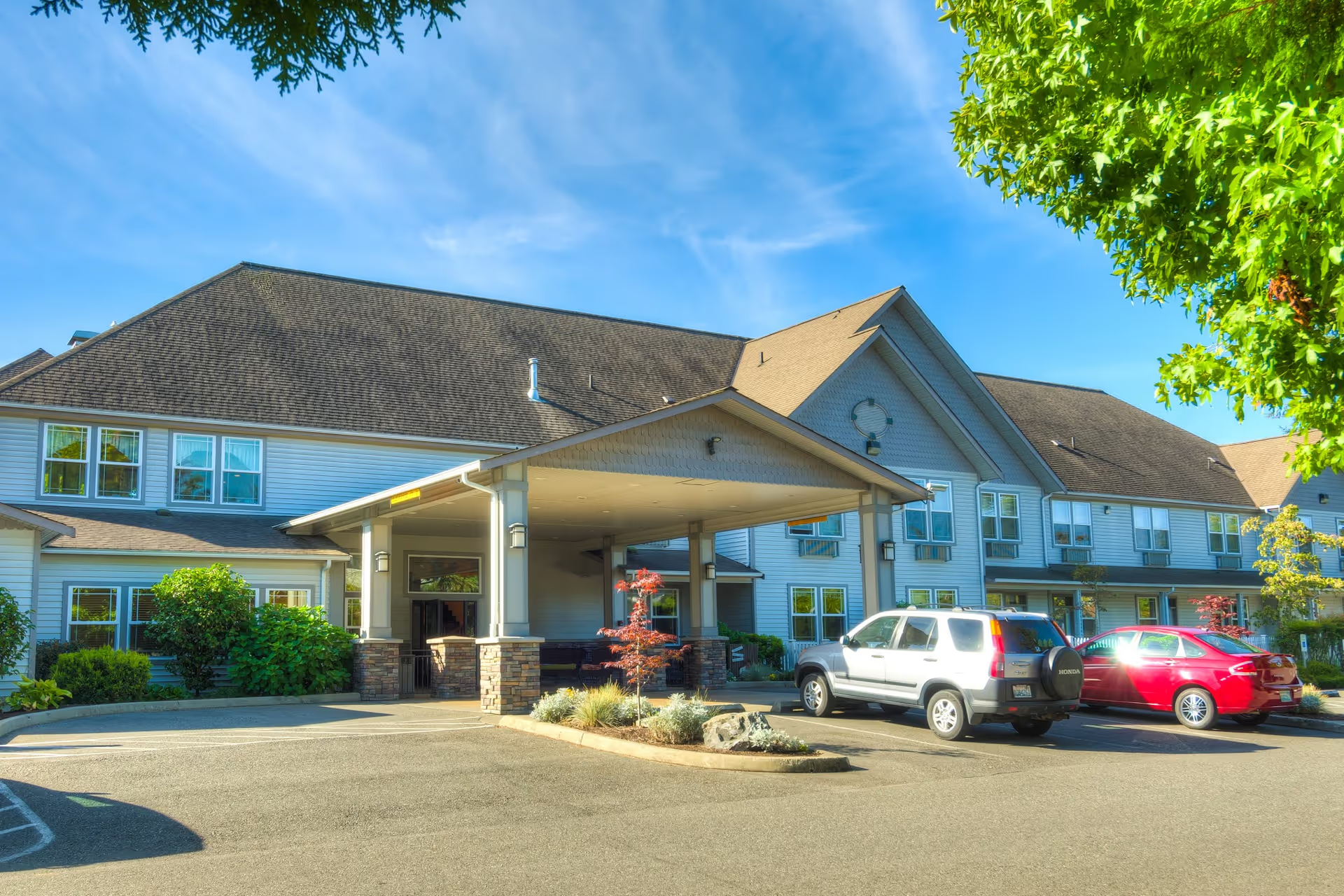
Orchard Park presents a mixed but informative profile for prospective residents and families. Strengths consistently cited include a compassionate caregiving team—often described as long-tenured and relationship-driven—proactive coordination with physicians and family members, and a generally well-kept physical environment. Several families praised maintenance responsiveness, clean apartments, an accessible main floor with pleasant outdoor views, and accommodating spaces for family meals and events. Many reviewers also described clear scheduling and communication around activities and named specific program offerings such as music, exercise classes, and group singing.
Care quality impressions are polarized. A substantial number of comments indicate attentive nursing staff and aides who develop close relationships with residents and actively manage appointments and care coordination. Conversely, a consistent pattern of concerns centers on staffing stability: high turnover and inconsistent staffing levels appear to affect the facility’s ability to serve higher-acuity residents and those with dementia-related needs. These operational staffing issues were linked in multiple accounts to gaps in direct care, uneven training, and periods when families felt the facility did not meet a resident’s individualized needs.
Dining and nutrition receive broadly positive notes about dining-room service and some very favorable reports of food quality, but there are also recurring criticisms. Some families raised concerns about meal preparation, high sodium content, and inconsistent food value for cost. More operationally significant are the reported gaps in mealtime assistance and supervision—situations where residents did not receive needed help while eating—which can affect weight and nutritional status. Prospective residents who require assistance at meals should verify staffing patterns and mealtime support procedures during tours.
Activities and social life offer both positive and limiting experiences. Orchard Park runs a range of programs and communicates schedules clearly; many residents settle in quickly and enjoy the offered events. At the same time, a subset of families described programming that felt repetitive or not tailored to individual preferences, and some noted restrictive policies regarding media or choice of activities. Low occupancy and a generally quiet pace were also flagged as potential contributors to resident isolation for people seeking a more active social environment.
Management and administration show signs of improvement and strain simultaneously. Several reviews cite improvements under recent leadership, and some families feel they receive good value and efficient administration. However, recurring themes include variable leadership stability, corporate budget limitations, periodic rent increases, and instances where complaints were not resolved to family satisfaction. These operational concerns intersect with staffing and training gaps to produce uneven experiences across households.
In summary, Orchard Park’s clear strengths are its relational caregiving culture, maintained physical environment, proactive coordination, and several well-run service areas. The most important due-diligence topics for prospective residents are staffing consistency (especially for higher-acuity or dementia care), meal-assistance protocols, housekeeping and laundry processes, activity fit and flexibility, and contract/fee trends. Families should schedule a detailed tour, ask for current staffing ratios at different times of day, review meal and assistance procedures, and request recent examples of leadership actions to address training and turnover before making a placement decision.