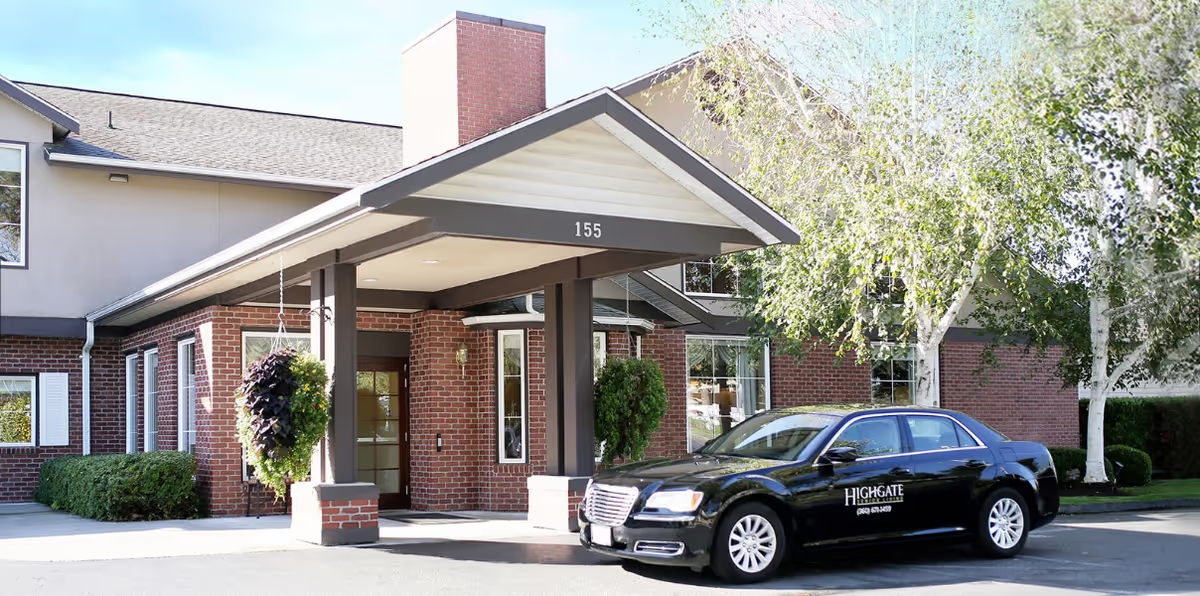
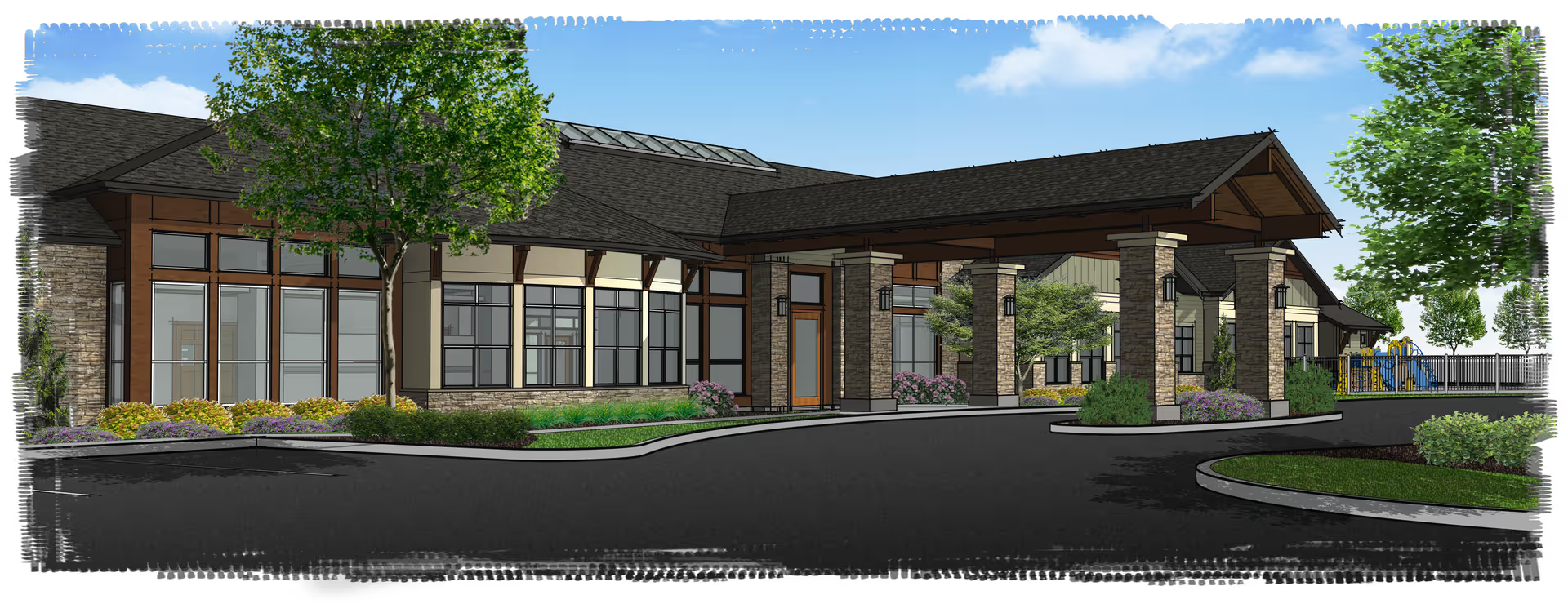
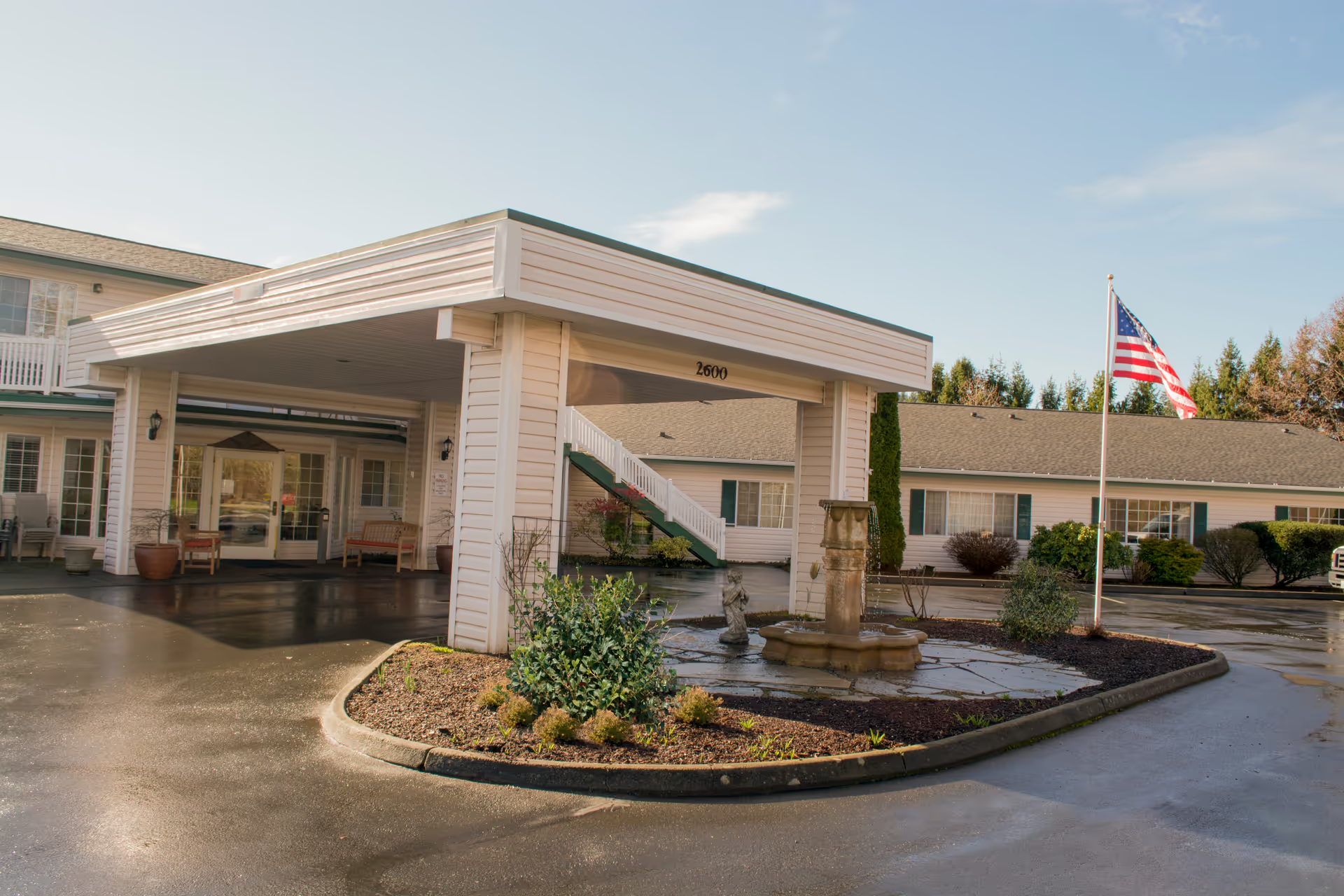
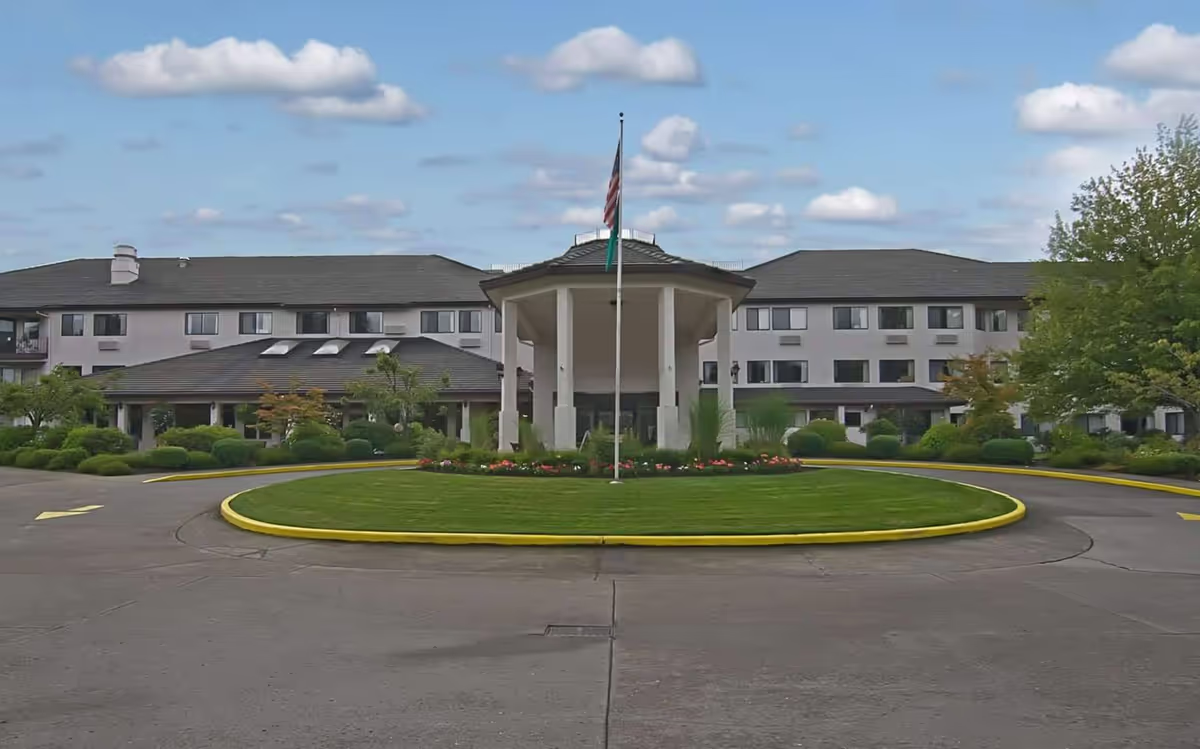
The Bellingham at Orchard is a memory-care community that families and visitors often describe as welcoming, home-like, and active. Many accounts praise compassionate caregivers who learn residents’ names, routines, and preferences, and who respond patiently to dementia-related behaviors. Families also describe helpful move-in support, accessible communication with managers, and coordination with hospice. However, experiences with personal care are not consistent: some families describe attentive support, while others raise concerns about bathing and grooming schedules, clothing, and residents’ appearance. Accounts also vary on how reliably staff respond to resident needs and communicate changes in condition.
Activities are a notable strength. Reviews describe music, dance, choirs, arts and crafts, games, chair exercise, outings, performances, and other options adapted to different interests and abilities. The SPARK approach, sensory spaces, and efforts to personalize activities are viewed positively. Some families would have liked more physical or cognitive therapy, as well as additional religious programming. Dining feedback is mixed: some residents and families praise the food, while others describe meals as mediocre or inconsistent. Flexible snacks, soft-food options, and efforts to adjust menus for dietary needs are positive features, though reviewers also cite uneven food quality and limited supplies in some areas.
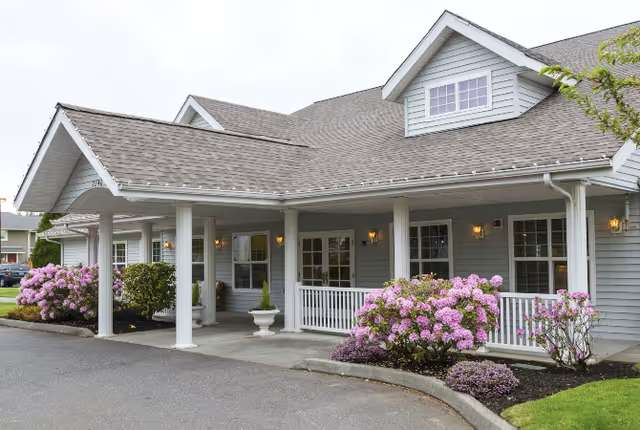
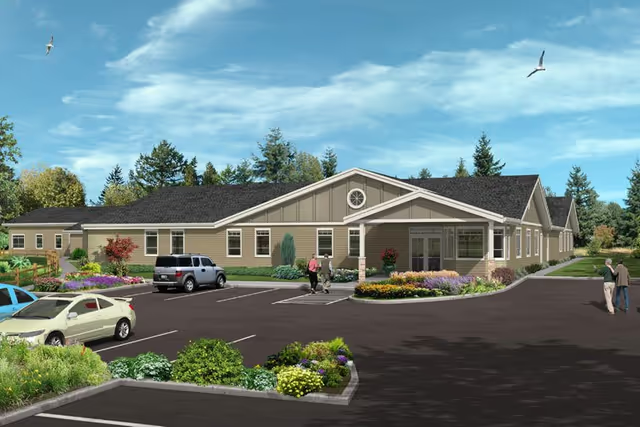
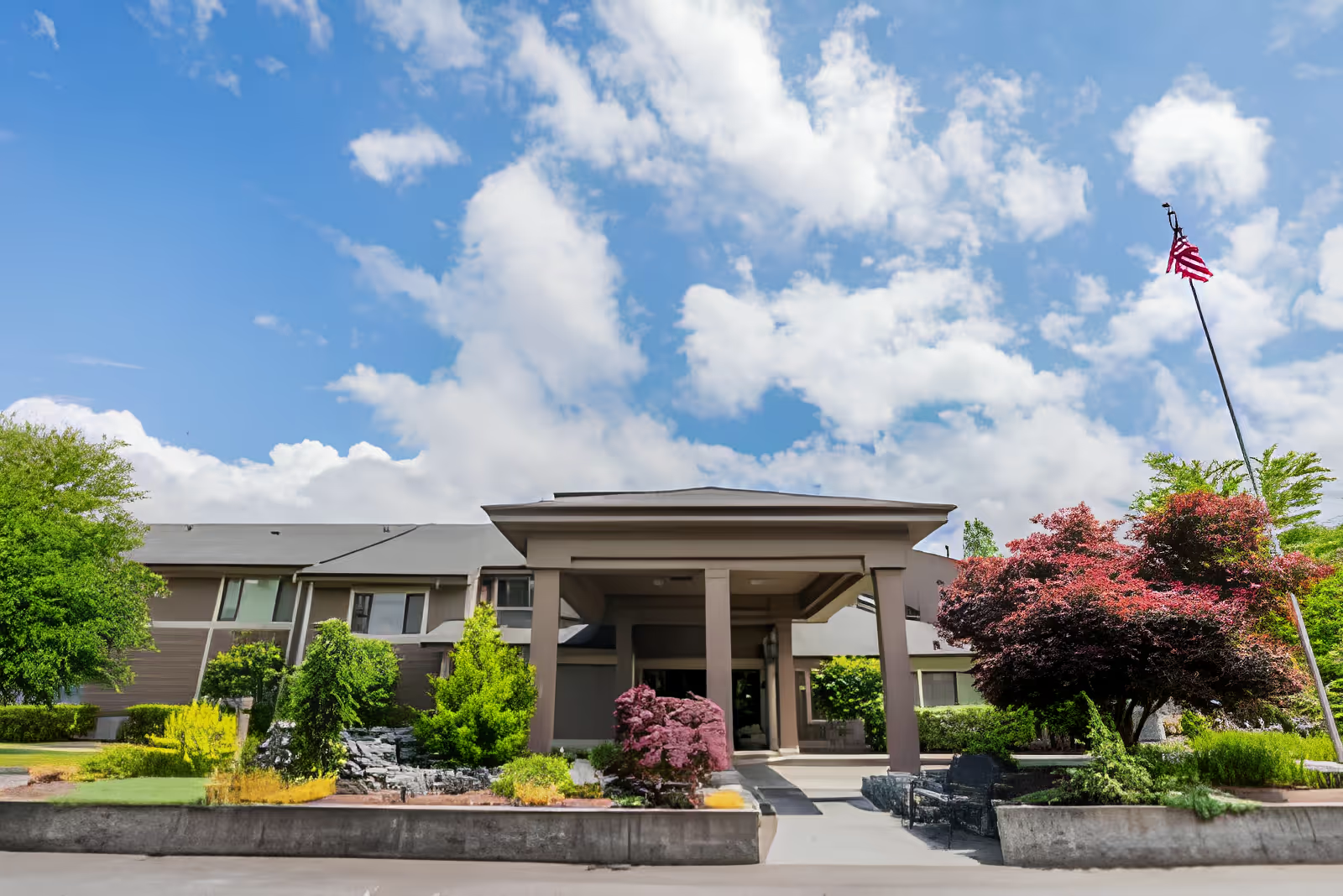
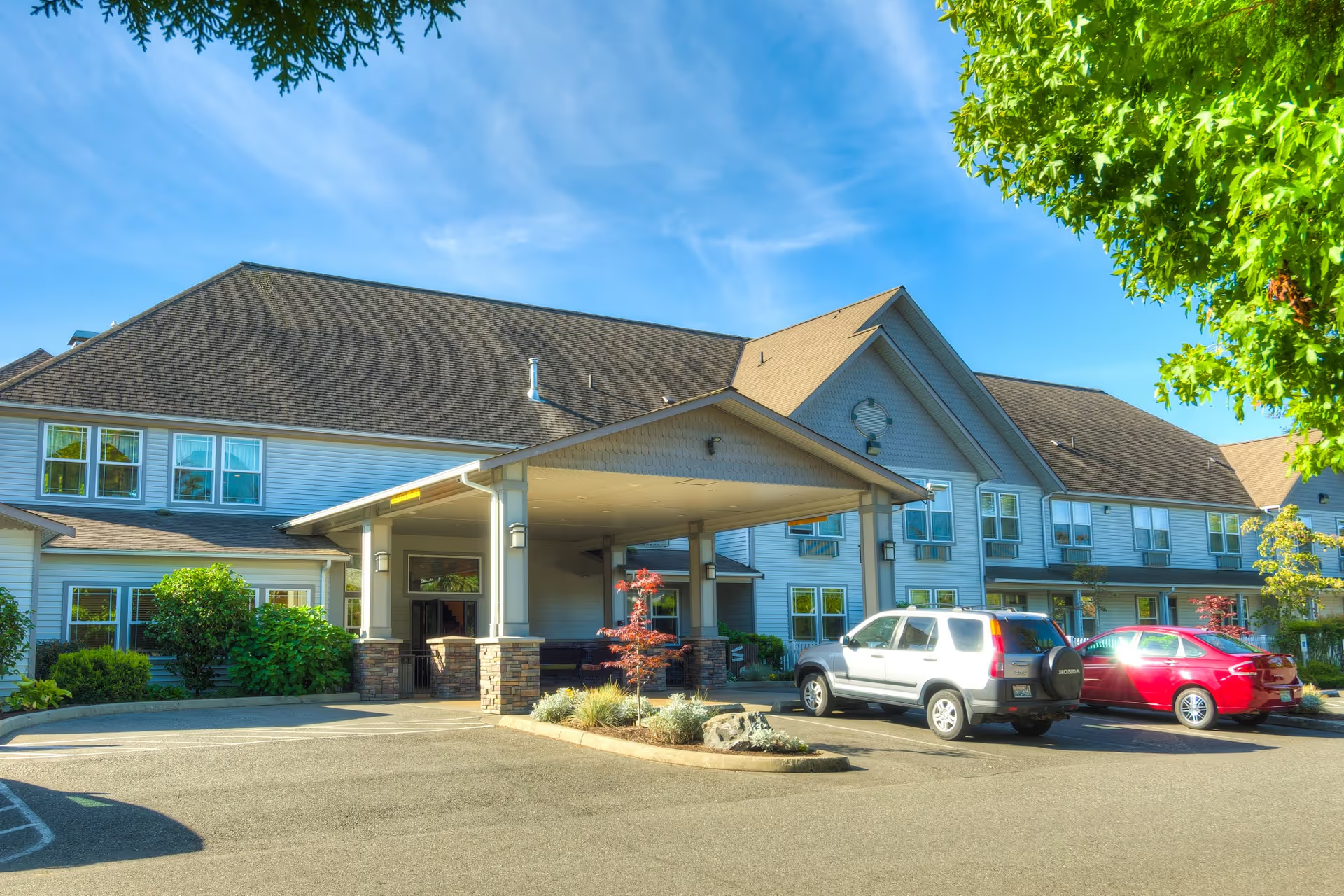
The physical environment is frequently praised for its bright, clean, hotel-like feel, single-level layout, personalized rooms, and secure outdoor courtyard with walkable paths and gardens. Other accounts raise concerns about room or dining-area cleanliness, occasional odors, and the availability of basic supplies. Families have also noted that personal belongings can be misplaced, making labeling and inventory practices useful considerations. Although the courtyard and overall layout are viewed as supportive of safety and wayfinding, concerns about falls, resident observation, and delayed clinical escalation indicate that monitoring and response practices warrant direct discussion during a tour.
Reviews differ substantially on staffing and management. Many describe friendly, attentive employees and approachable leaders, while others cite turnover, workload pressures, delayed responses, and dissatisfaction with management communication or conduct. One review also notes limited on-site medical and rehabilitation coverage. Cost is described as high. The reviews span different operating and management periods, and some families associate changes in care with past transitions; therefore, they should not be treated as a single snapshot of current practice. Prospective families may wish to ask about staffing stability, personal-care schedules, fall-prevention procedures, clinical coverage, food options, and how resident belongings are tracked.