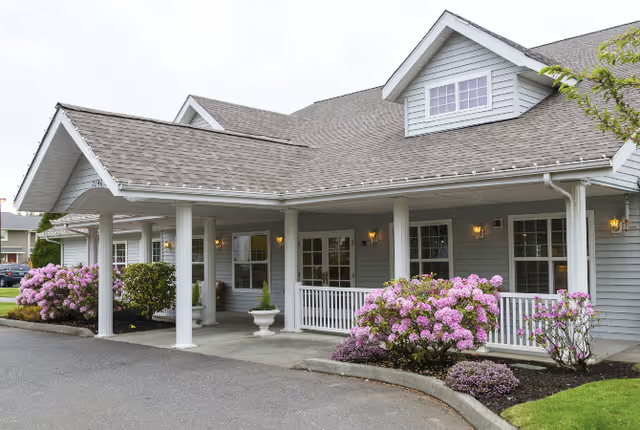
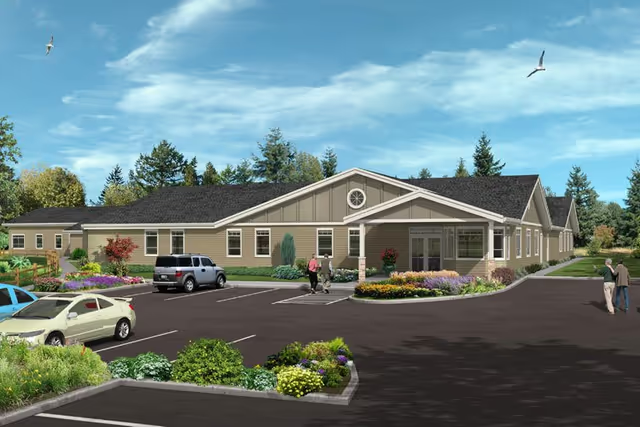
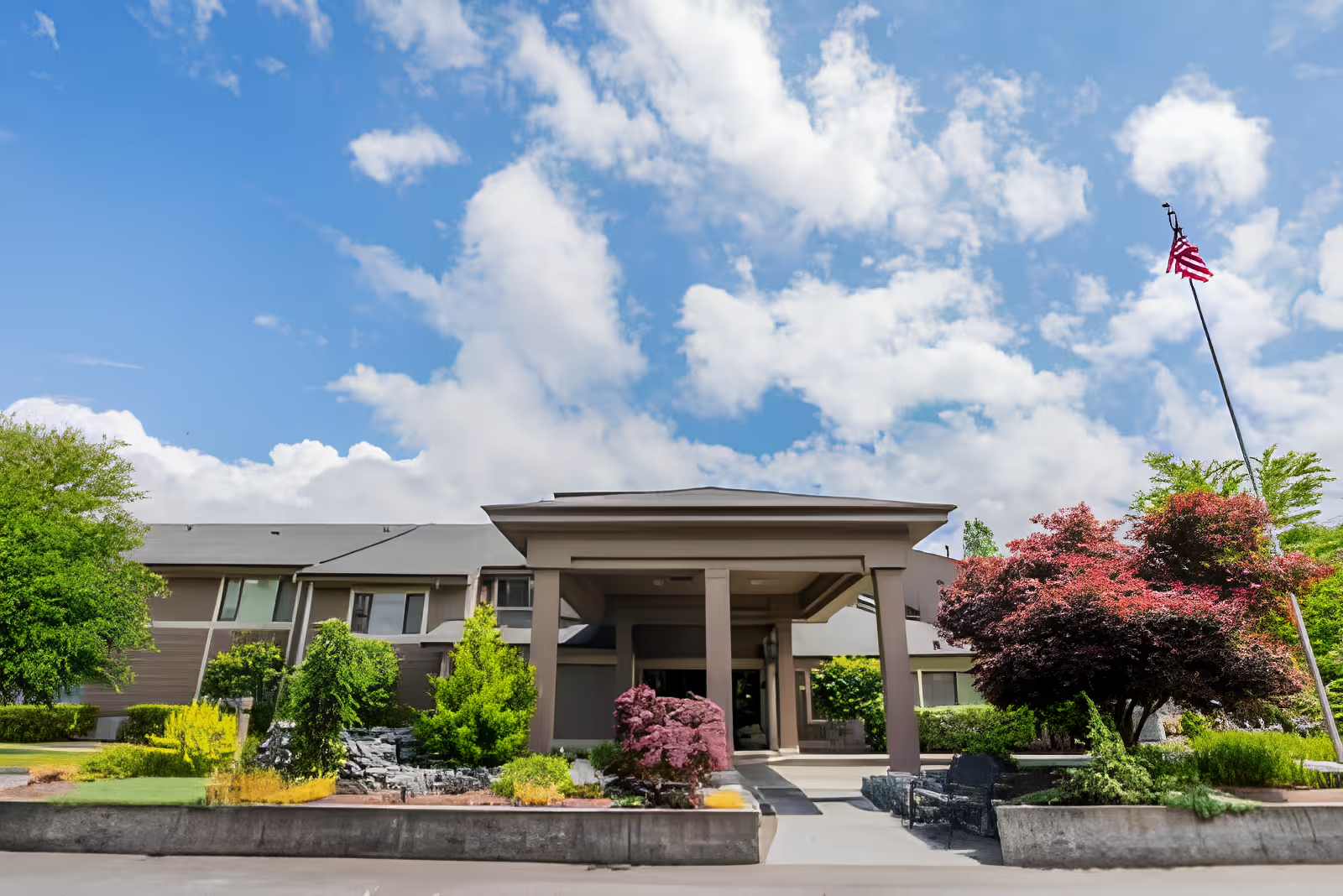
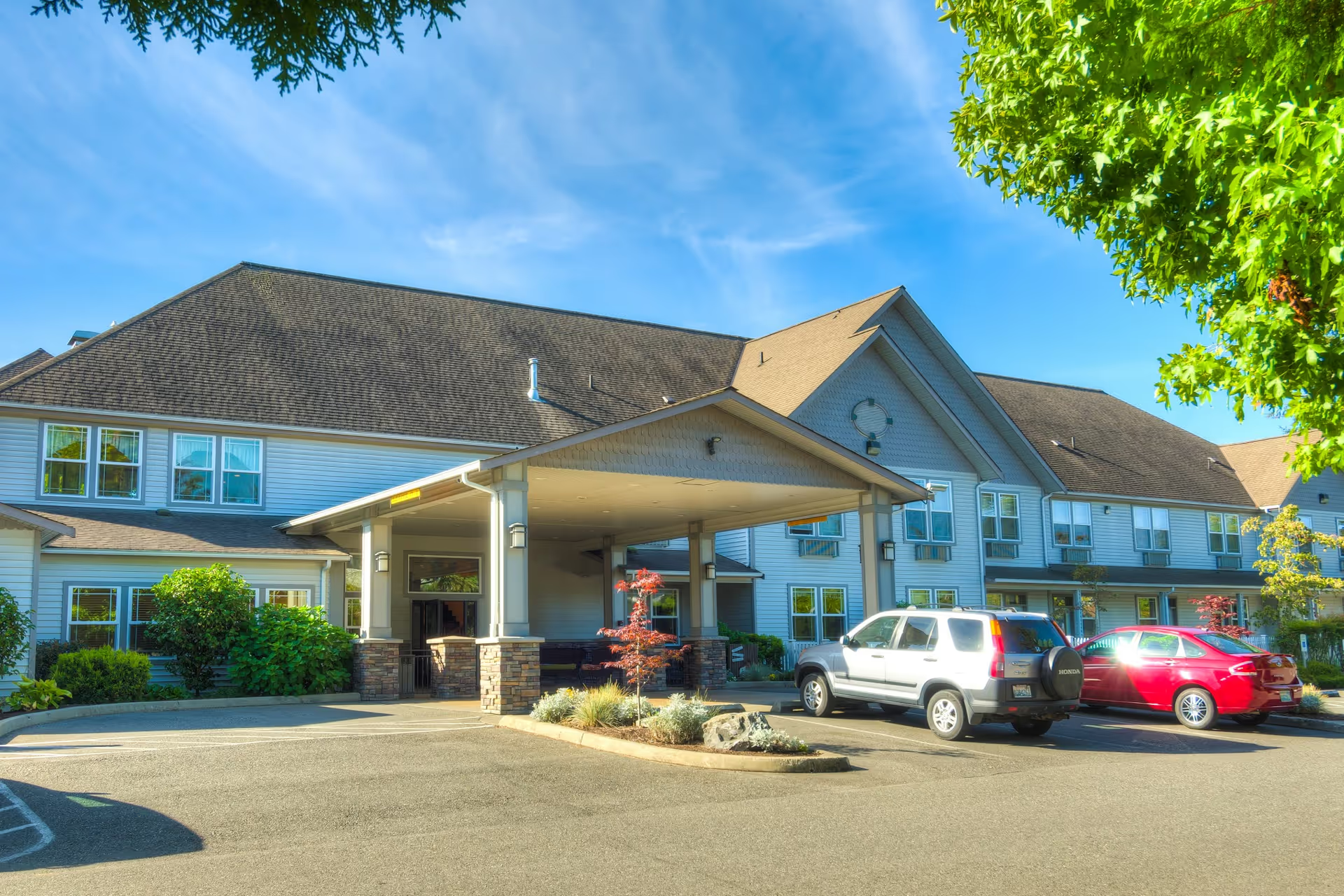
The Leopold Retirement Residence is frequently described as a historic, well-maintained community with preserved architecture and a cozy, old‑world atmosphere. Common strengths cited include attractive social spaces such as a ballroom, recently updated interiors, and a planned outdoor deck. The facility appears to position itself as an independent/assisted retirement option with a community-oriented feel and generally affordable pricing relative to its amenities.
Staff and care: Staff are consistently characterized as friendly, kind, and helpful; reviewers highlight attentive servers and marketing/acceptance staff who encouraged move-in. Families and residents mention positive day‑to‑day interactions and an engaged dining and server team. There are, however, notes about inconsistent administrative responsiveness and mixed impressions of management leadership, suggesting variability in how administrative issues and resident concerns are handled.
Dining and meals: Dining is a visible feature of the community. The residence offers waiter-served dining with two meal options and a half‑portion choice. Several reviewers praise the chef, presentation, and specific meals, while a few describe food as satisfactory rather than gourmet. This indicates generally strong culinary presentation but some variability in perceived meal quality.
Activities and transportation: Activities are a clear highlight. The program includes bingo, bridge, arts and crafts, Happy Hour, monthly educational classes, monthly dances, movie nights, park outings, holiday events, and First Aid/CPR training. Scheduled transportation and weekly shopping trips are available, supporting resident independence and access to nearby amenities like restaurants and the YMCA.
Facilities and residences: The building’s historic character and remodeled common areas receive positive mentions. The community is described as dog-friendly and well-maintained. At the unit level, a recurring operational limitation is compact apartment layouts with limited closet/storage space. There is also limited availability of units at times, which may affect move-in timing and choice.
Management and notable patterns: While day‑to‑day staff receive favorable remarks, several reviewers raised significant concerns about how the facility handled ownership changes and resident relocations. Accounts describe sudden sales, disruptive move coordination, and distress associated with forced moves and belongings being unsettled. These accounts point to weaknesses in transition planning, ownership‑change practices, and administrative communication; prospective residents and families should discuss contingency plans, resident-protection policies, and the facility’s approach to ownership transitions before committing.
Overall, The Leopold appears to offer a warm, activity-rich environment with strong front‑line staff and attractive common spaces. The principal operational cautions are small unit sizes and storage limits, limited availability, and important questions about how management handles major transitions. Families prioritizing an active social program and historic character will likely find strengths here, but those for whom stable long‑term residency and ample private space are critical should probe unit dimensions, lease terms, and the facility’s policies for ownership or management changes during their tour and contract review.