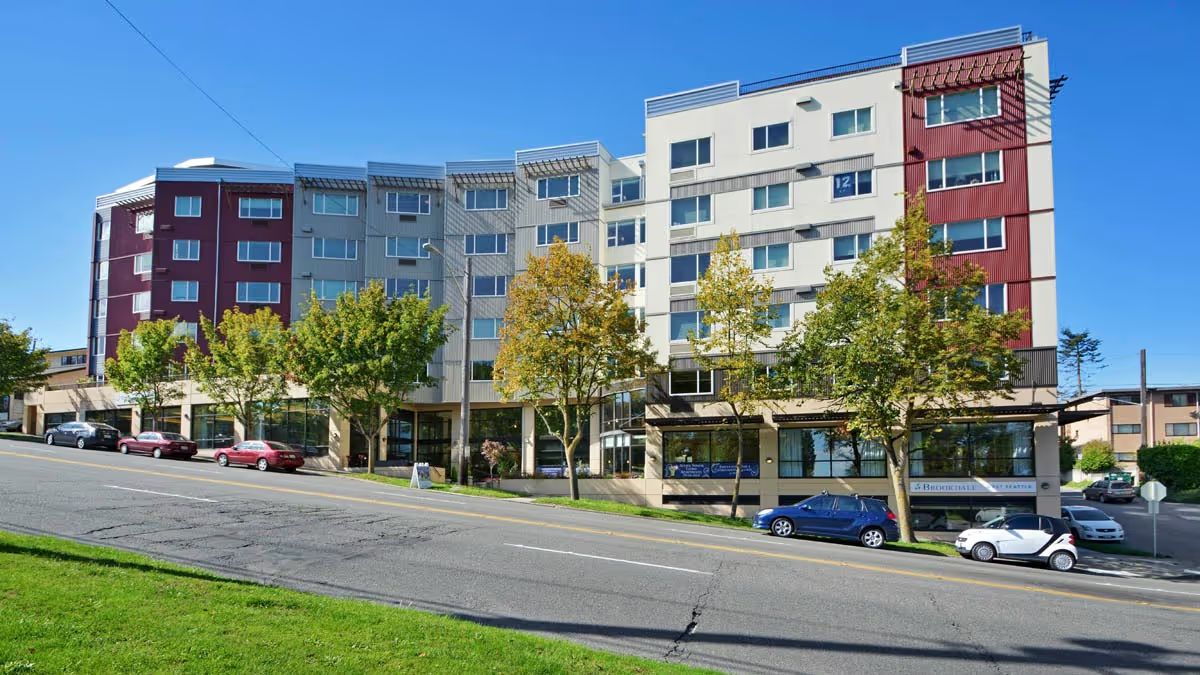
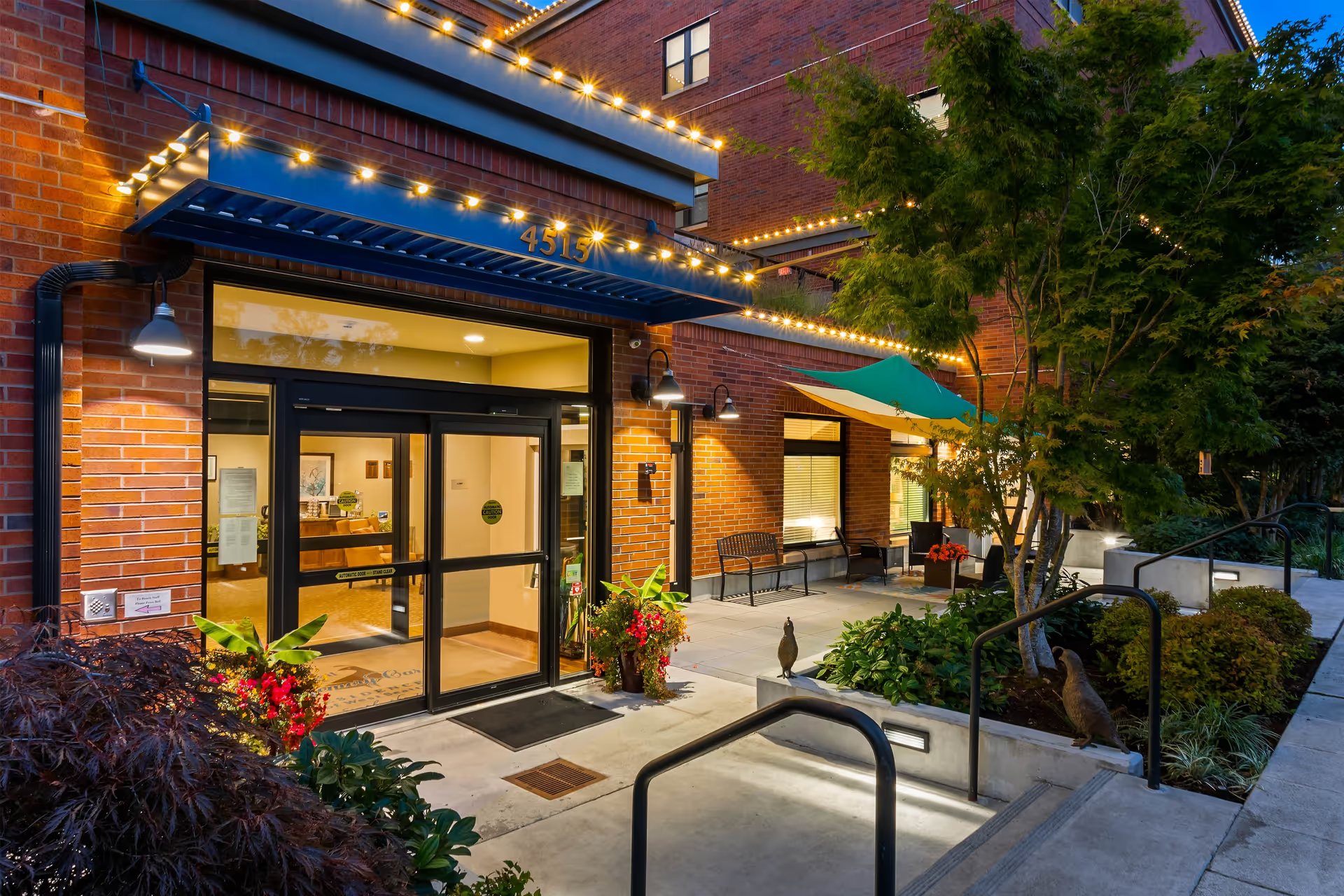
The review corpus for Avamere Rehabilitation of Burien is markedly mixed, with a clear split between strong experiences—especially around therapy and some frontline caregivers—and recurring operational concerns. Many families praised specific CNAs, nurses, and therapy staff by name and described meaningful functional gains during short-term rehabilitation stays. Several reviews highlighted individualized activities programming, accommodating dietary choices for picky eaters, clean private rooms in some cases, and supportive end-of-life or family-centered care. Therapy teams (PT/OT/speech) are a clear strength in multiple accounts, and some admissions and weekend nursing teams were described as responsive and effective in acute transitions.
At the same time, a consistent set of concerns emerges about routine nursing care and operations. The most common themes are slow response to call lights, inconsistent attention to basic resident needs (including incontinence-care delays and bathing schedules), and language or communication barriers among staff that complicate care delivery and family interaction. Several reviews describe clinical oversight gaps such as missed medication doses, incomplete medication lists, and instances where physician rounds or medication reconciliation were not perceived as thorough. There are also reports indicating inadequate night staffing and limited monitoring, which families associated with safety risks during overnight hours.
Dining and activities present a mixed picture. While some families appreciated the variety of options, personalized menus, and activities like art and social games, others described inconsistent meal quality and limited adherence to medical diet needs (for example, low-protein or high-sodium offerings when a therapeutic diet was expected). Activities and engagement were cited as a positive differentiator when present, but availability and personalization appear uneven across stays.
Facility maintenance and administrative issues were noted on multiple fronts. Positive comments about cleanliness and caring housekeeping coexist with specific sanitation and maintenance concerns (including shower mold and pest-control concerns), and intermittent infrastructure problems such as phone service and heating/cooling. Parking and room size were occasional frustrations. Management-related issues include inconsistent family communication, perceived pressure at discharge, unexpected billing or room-rate increases, and reports that changes in upper management coincided with perceived declines in consistency of care. There is at least one allegation of discriminatory remarks; such claims should be treated as serious and investigated by prospective families and regulators.
Overall pattern: therapy and some front-line caregivers are strengths, while nursing responsiveness, medication/clinical oversight, sanitation/maintenance, and consistent administrative communication are recurring weaknesses. Prospective residents and families may find good outcomes when paired with the facility’s stronger therapy teams and engaged staff members, but should plan targeted questions during tours: ask about staffing ratios (day and night), call-light response times and monitoring systems, medication reconciliation processes, infection-control and maintenance protocols, dietary accommodations for medical conditions, and discharge/billing policies. These inquiries can help clarify whether the experience will align with the positive accounts or expose the operational gaps noted by families.