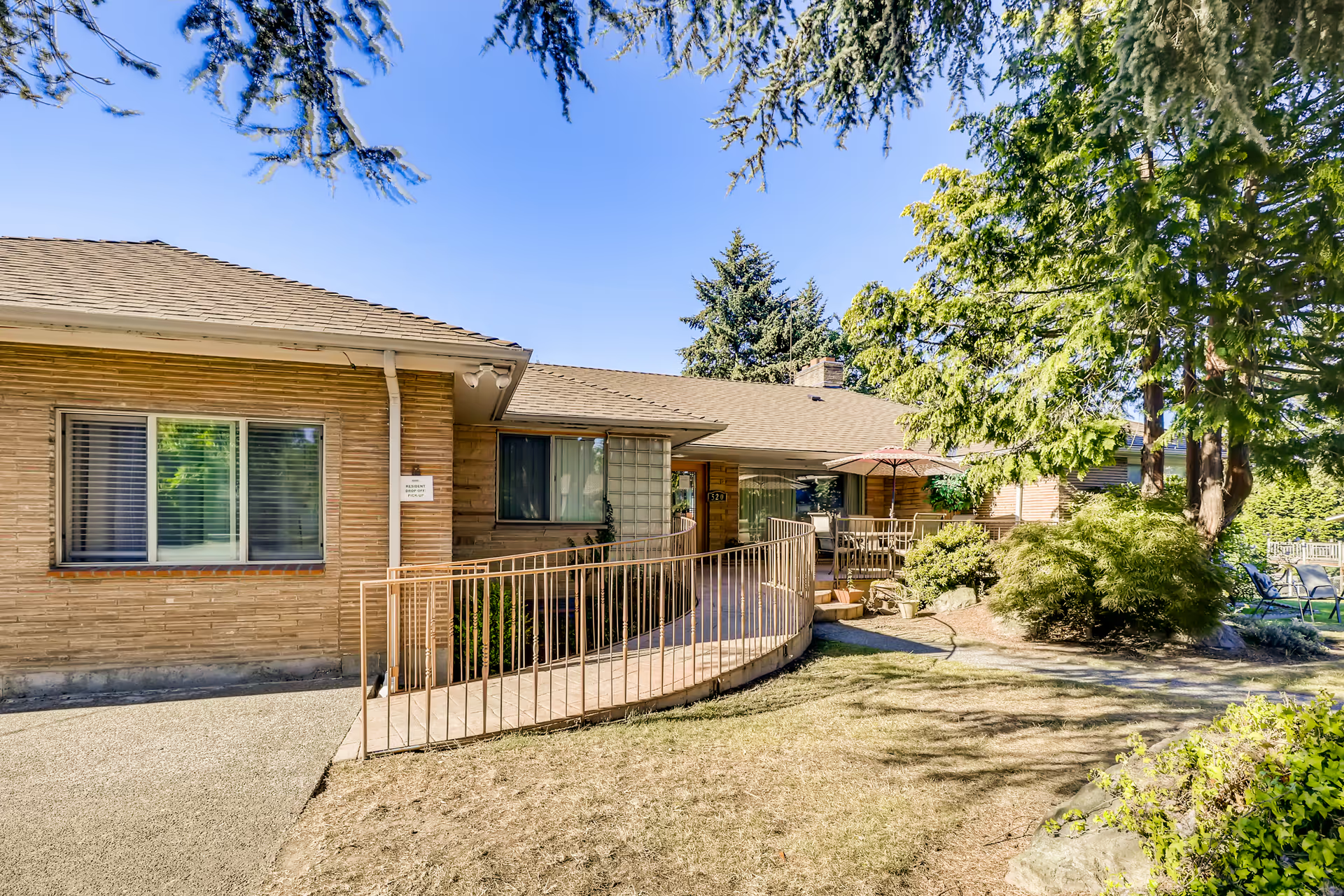
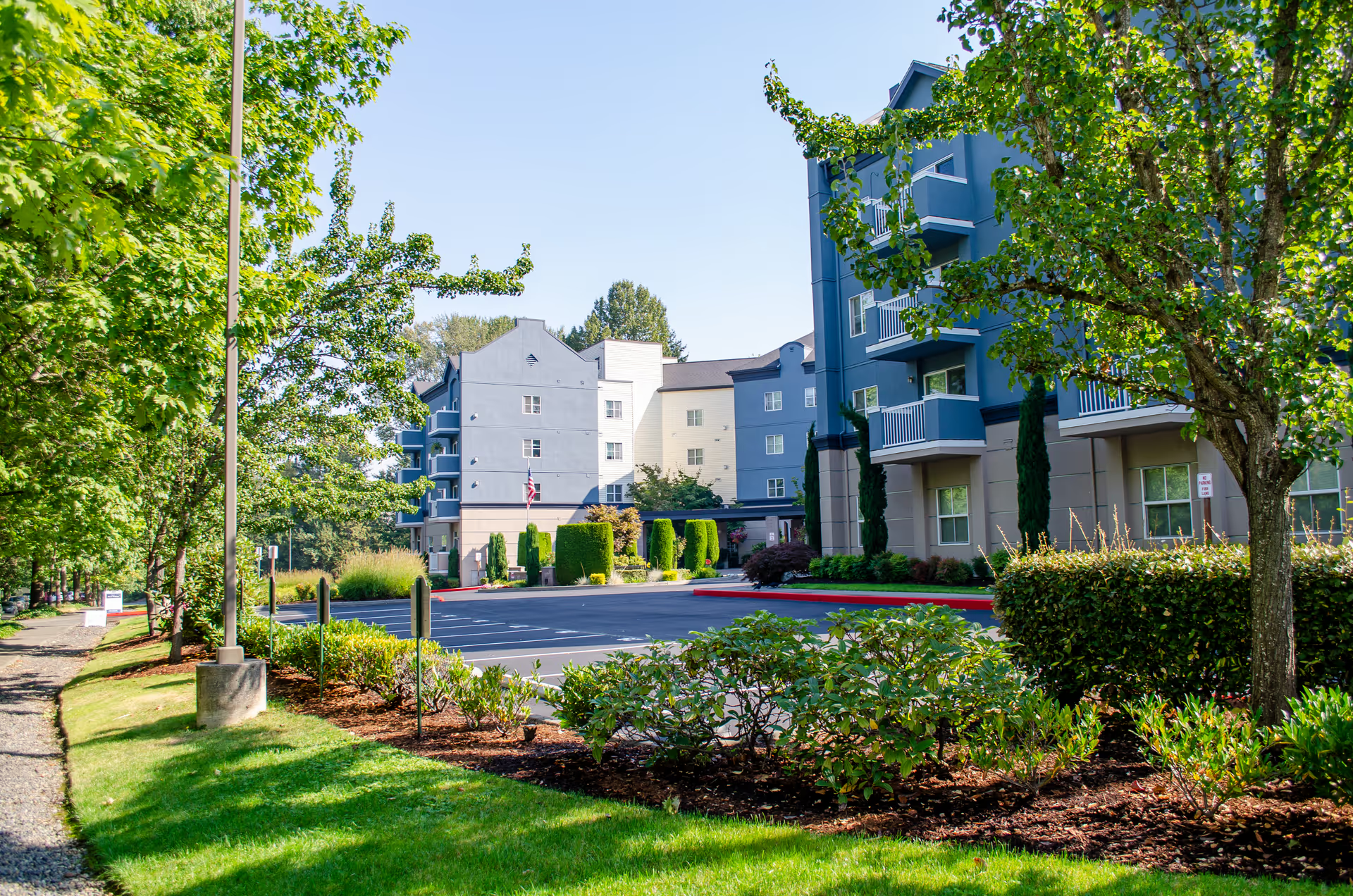
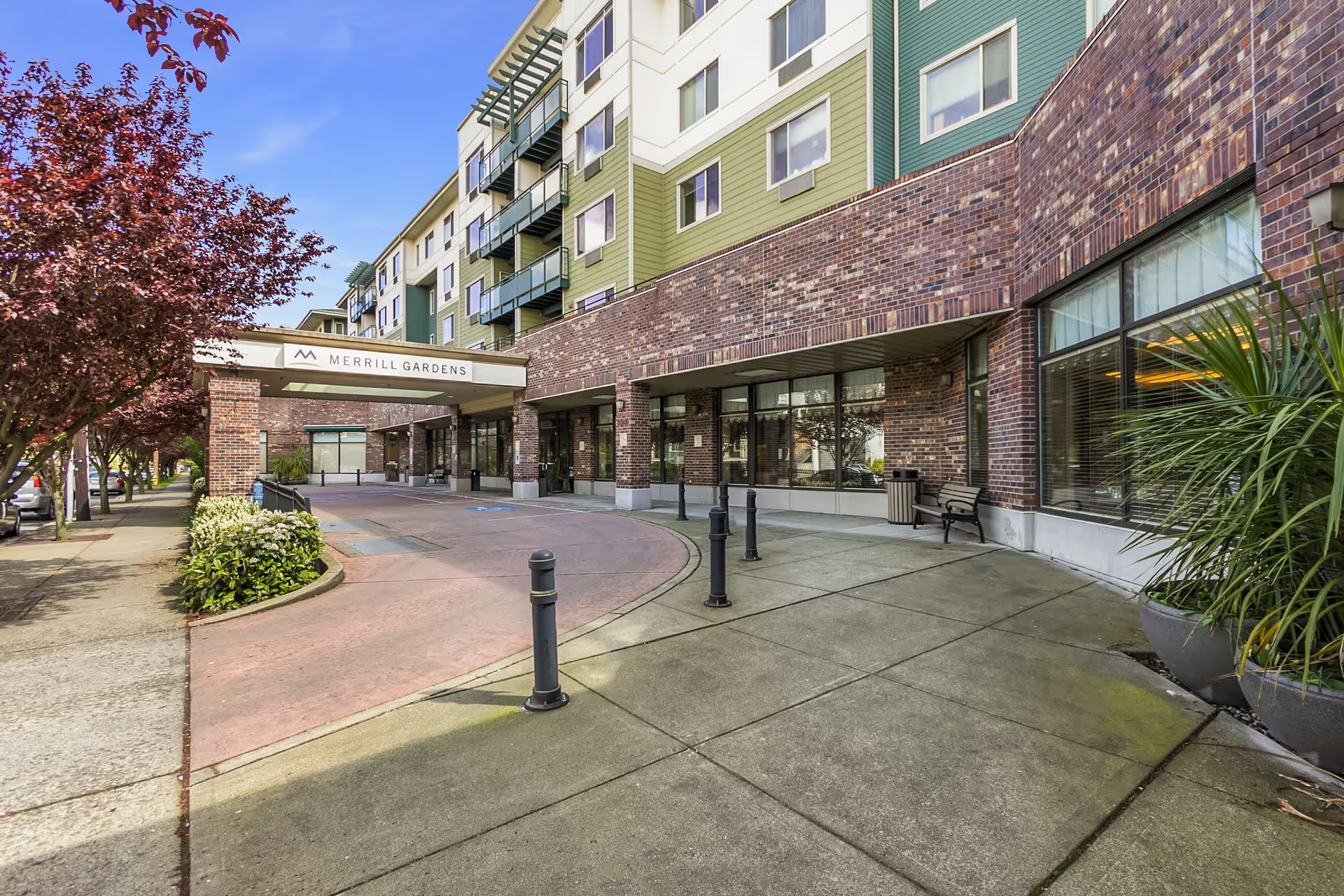
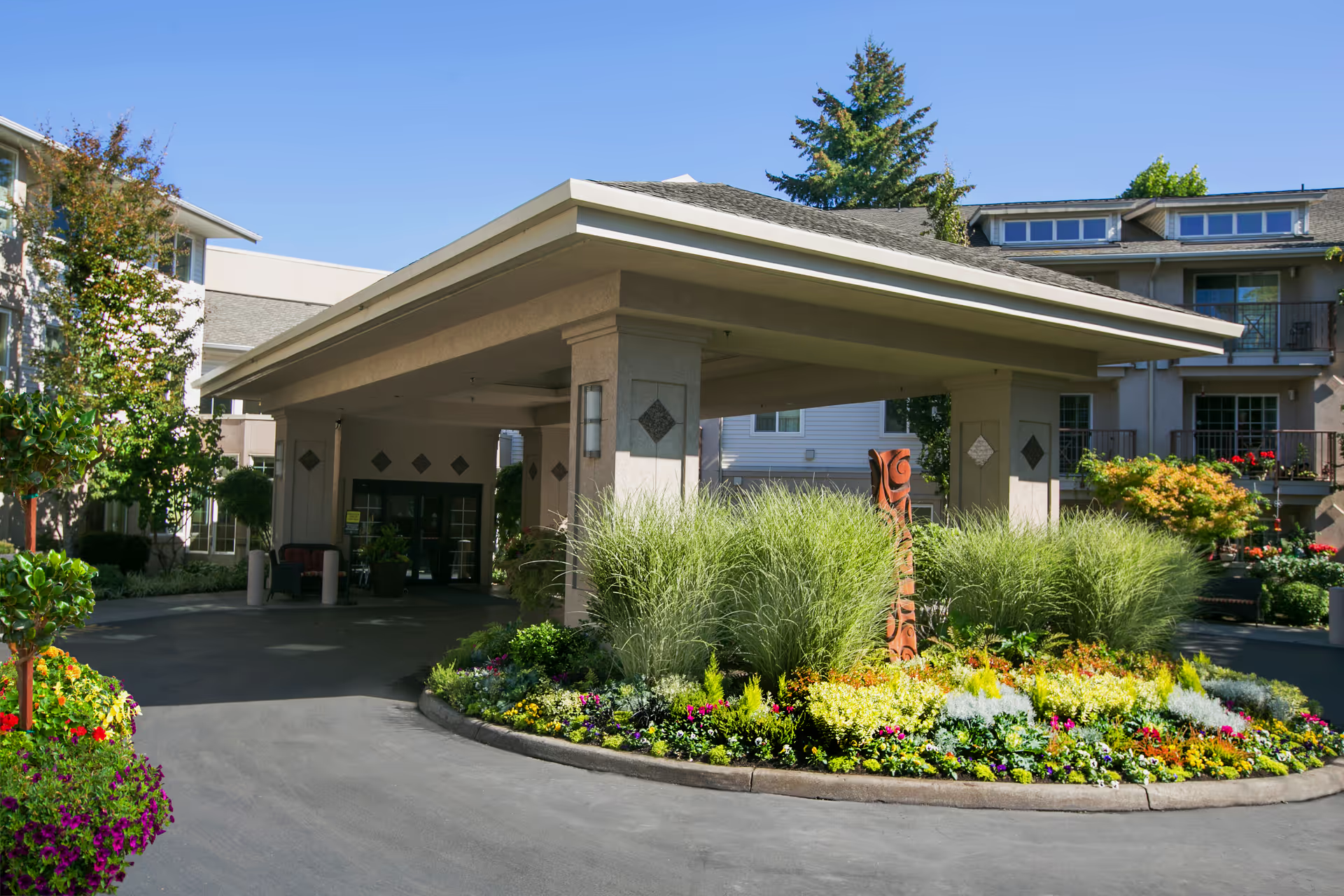
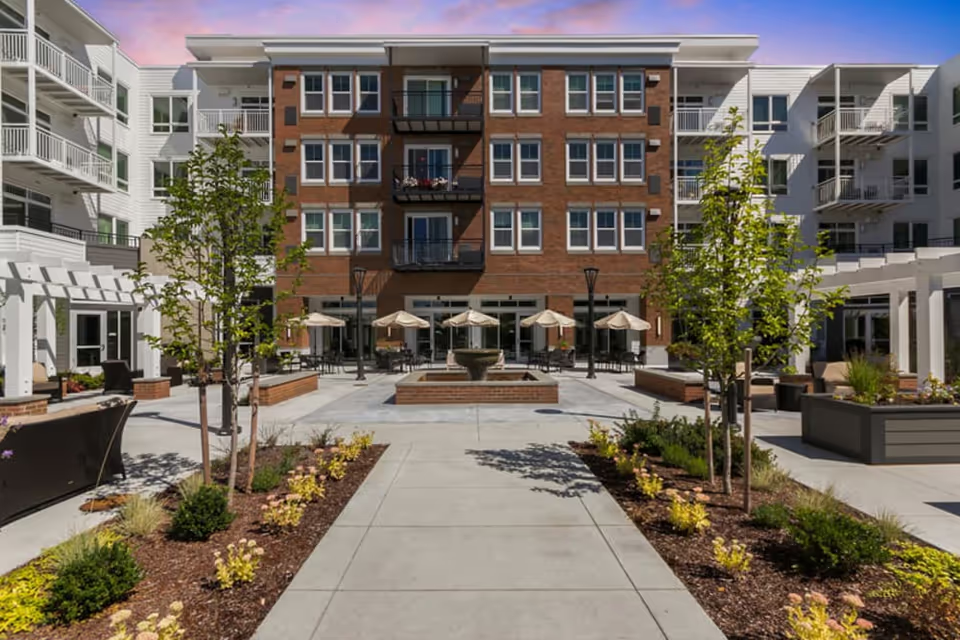
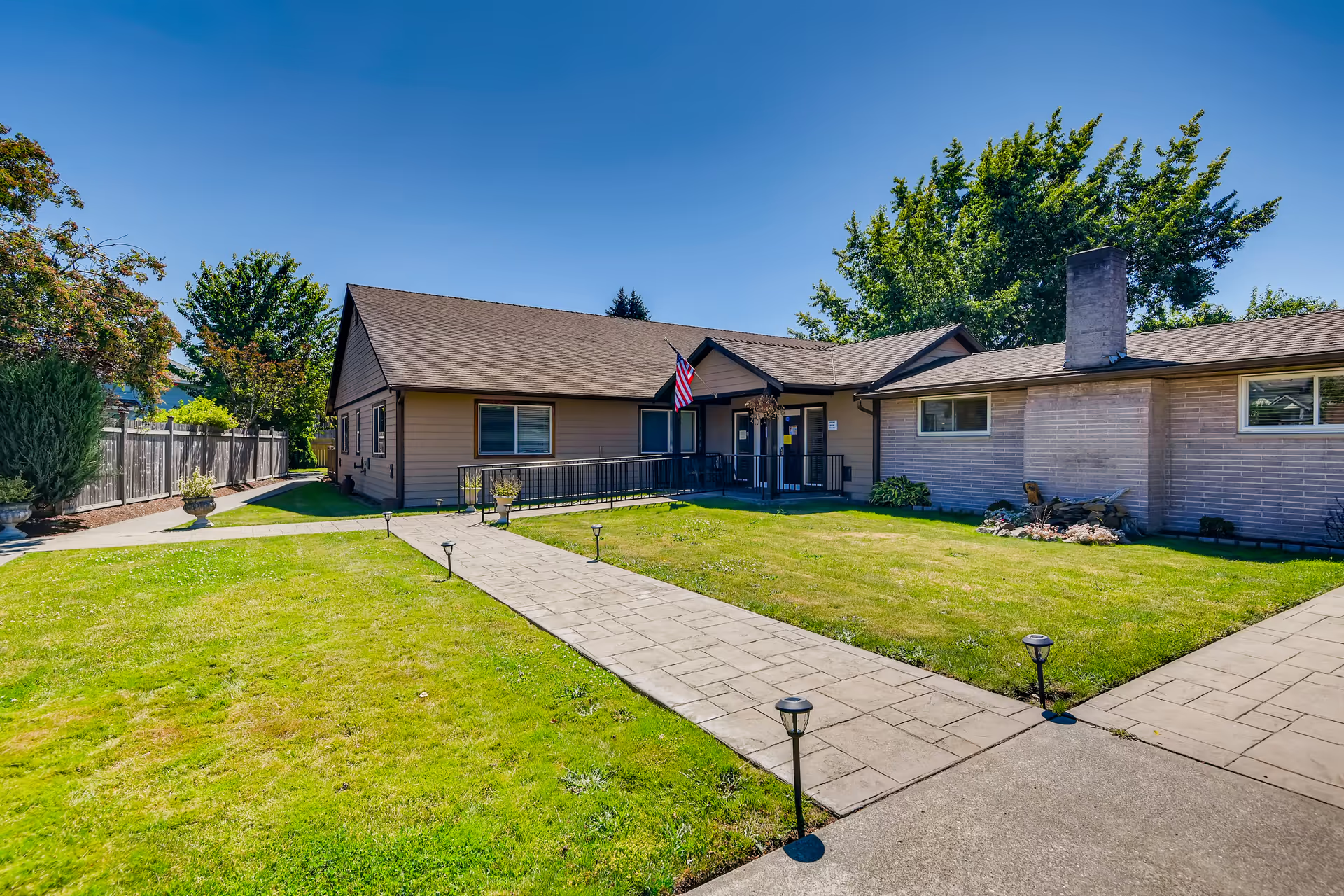
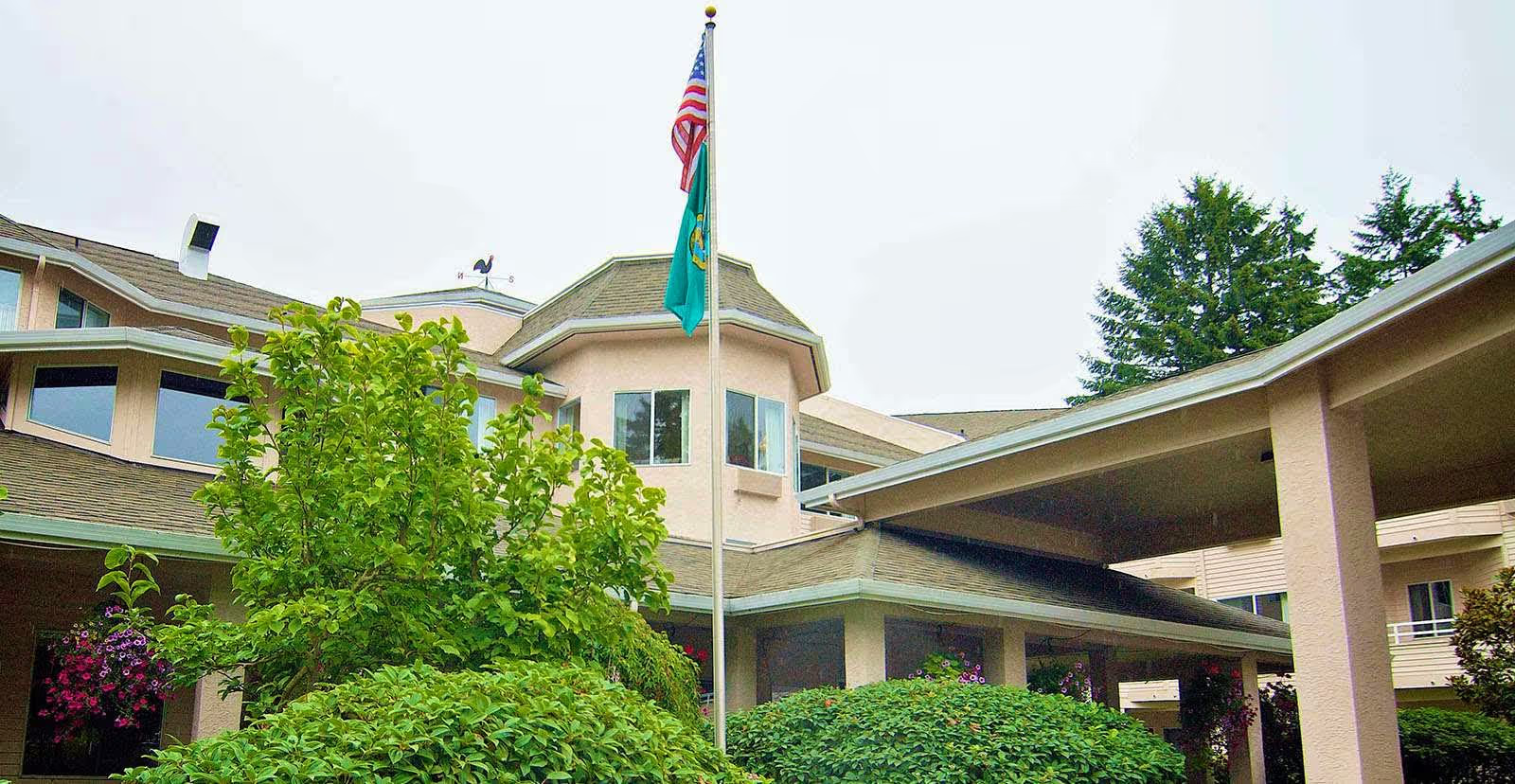
Merrill Gardens at Tukwila is presented across reviews as a new, well-appointed senior living community with a strong emphasis on aesthetics and hospitality. The building is frequently described as hotel-like: bright, modern, and thoughtfully laid out with large windows, river and trail views, accessible apartment designs, and numerous common-area amenities (salon, gym, rooftop patio, multiple dining spaces). Physical design strengths include ADA features, larger bathrooms and closets in many units, easy parking, scooter-friendly walking paths, and a dedicated memory-care floor with private rooms and a private garden.
Dining and on-site clinical services are prominent strengths. The community markets a chef-operated, restaurant-style dining program with a wide menu variety, dine-and-order flexibility, and long dining-room hours. Reviewers consistently praise the quality of food, professional dining staff, and the visible kitchen operations. Onsite clinical services (physical, occupational, and speech therapy) and therapeutic programming are available, and families note that these services support rehabilitation and ongoing clinical needs without outside travel.
Staff and culture receive the most positive commentary. Caregivers, front-desk personnel, marketing and leadership (including the executive director) are repeatedly described as caring, attentive, and professional; many reviewers use terms indicating a family-like, respectful atmosphere. Security and intake procedures are seen as strong, with 24-hour staff presence and controlled access. Housekeeping and common-area maintenance are generally praised and contribute to the overall impression of cleanliness and safety.
Despite the many strengths, several operational patterns emerge as recurring concerns. Communication with families and between staff shifts is inconsistent, which families describe as uneven updates about clinical changes or care-plan adjustments. Related clinical concerns include variability in medication-timing practices and delays in responding to call-button alerts; these are presented as process and responsiveness issues rather than uniform practice. Housekeeping and laundry management also show variability: common areas are typically well-maintained, but specific problems such as laundry left in machines or individual room maintenance (temperature, odors, flooring) were mentioned.
Other areas for prospective families to evaluate include meal suitability for residents with swallowing or dexterity challenges (some meals reportedly are not easy for certain residents to eat), and activity participation logistics (a broad calendar exists, but actual daily implementation and resident engagement vary). There are also mentions of unclear fee communication and perceptions of changing costs, which suggests the need for detailed fee and contract review. Location factors—limited nearby public transit—may matter for visitors or residents who rely on public transportation.
In summary, Merrill Gardens at Tukwila is characterized by upscale, well-designed facilities, high-quality dining, onsite therapy services, and a broadly praised staff culture. The notable operational weaknesses center on inconsistent communication and clinical responsiveness, variability in housekeeping/laundry execution, and occasional gaps in end-of-life planning and fee transparency. Prospective residents and families would benefit from targeted questions on communication protocols, medication administration timing, housekeeping schedules, end-of-life documentation, and a clear, written explanation of fees before committing.