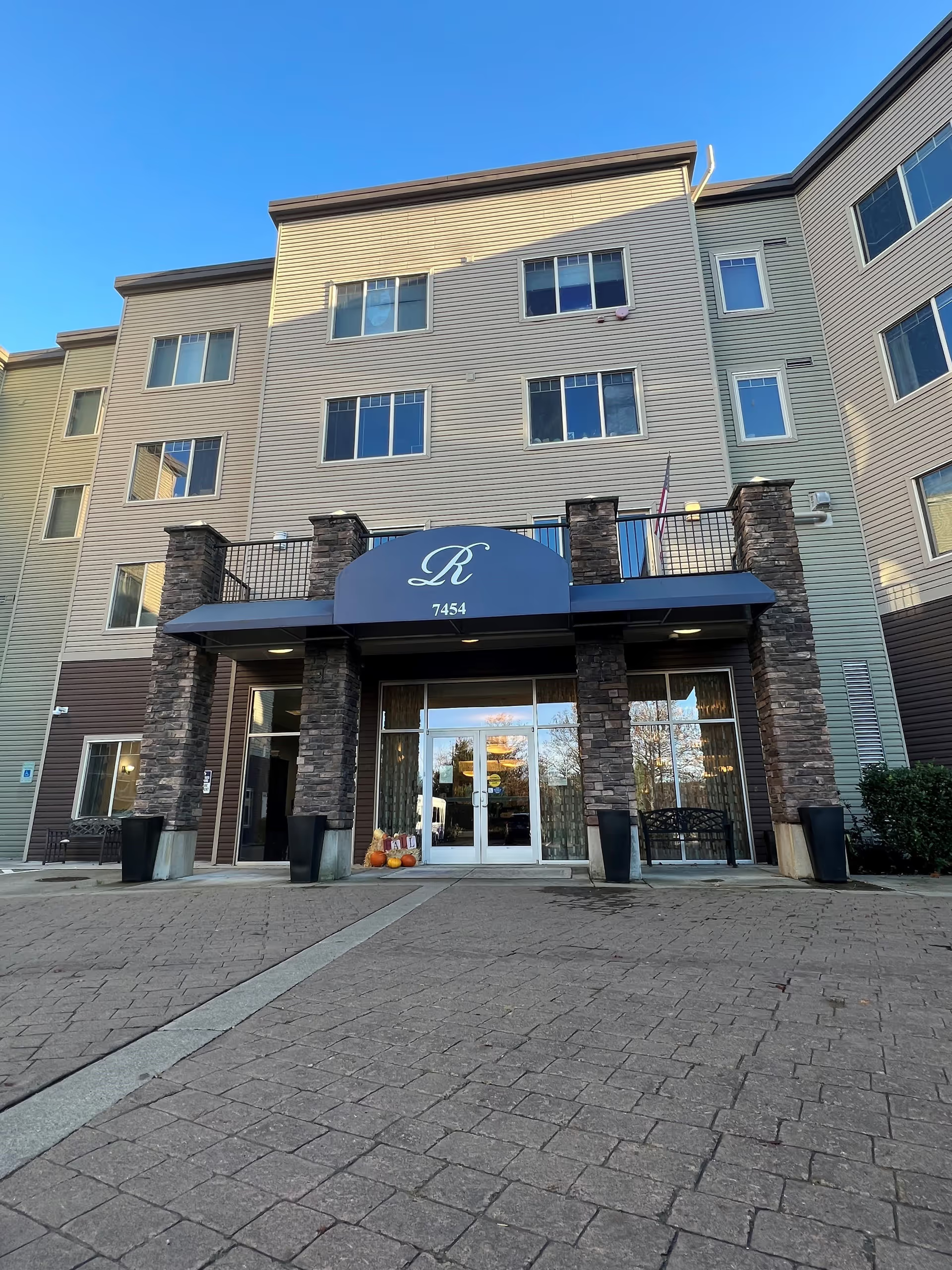
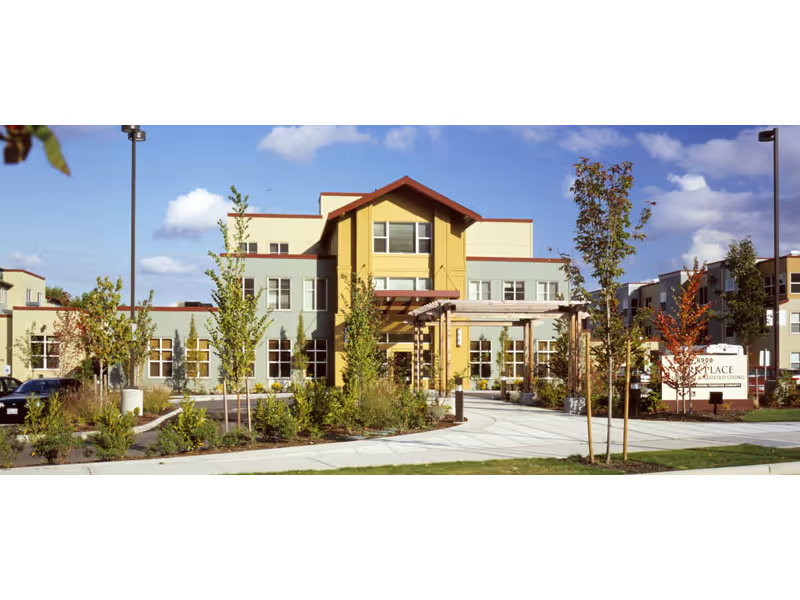
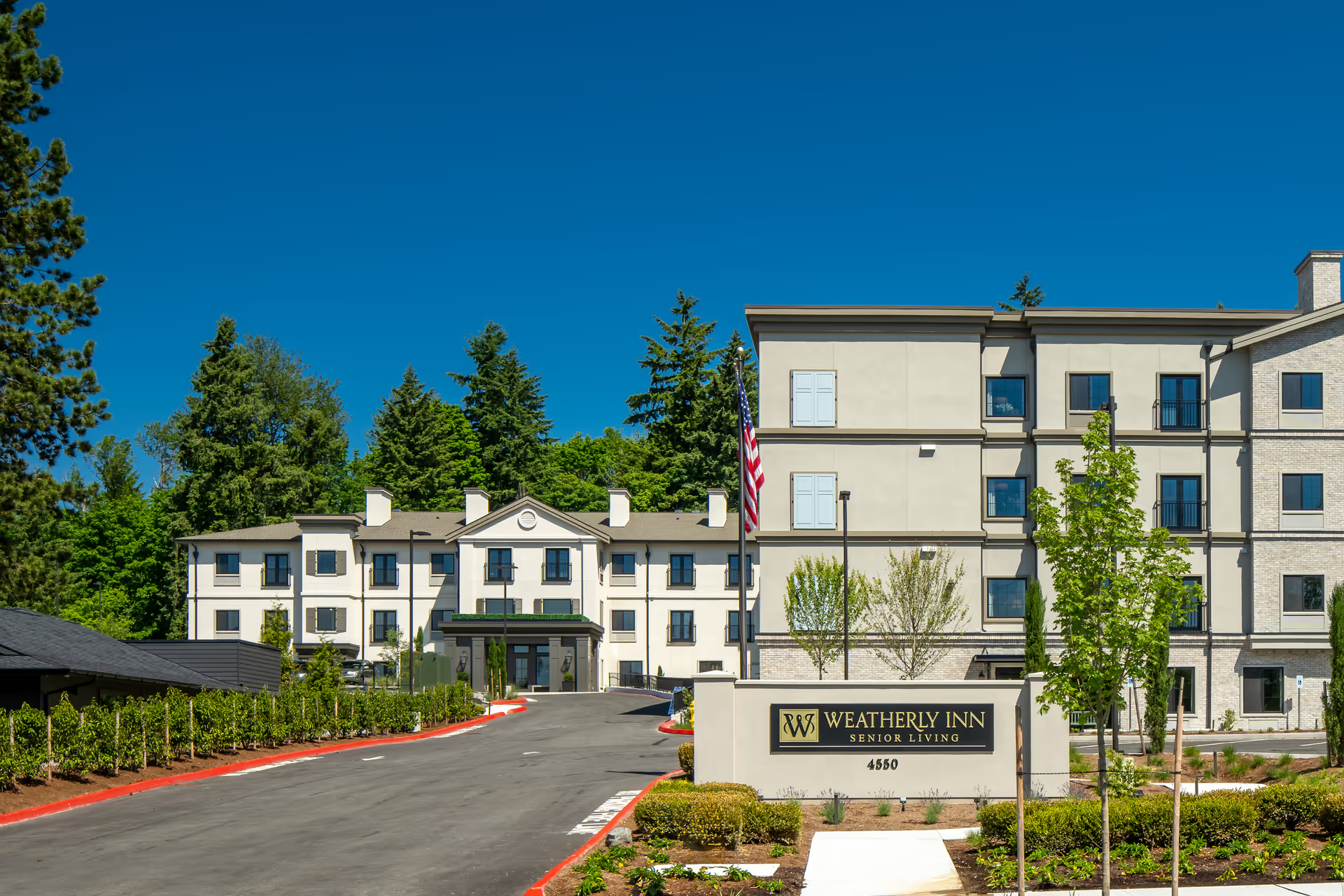
The Lakeshore presents as a well-appointed, lakeside senior living community with several consistent strengths: a scenic location overlooking Lake Washington, well-maintained grounds and gardens, and a bright restaurant-style dining room that many residents and visitors find appealing. The community offers suite-style apartments with private bathrooms and kitchenettes, private dining-room options, and an on-site continuum of care including 24-hour nursing and wellness-clinic resources. Staff are frequently described as warm, professional, and attentive; many reviewers highlight strong move-in support, engaged front-desk reception, and staff who form clear personal connections with residents.
Care quality and staffing are a mixed but important theme. Numerous families praised the nursing team and day-to-day caregiving, citing proactive and responsive clinical attention and individualized support when needs changed. At the same time, reviewers also identify operational weaknesses: inconsistent staffing levels, periodic turnover, and delays in responsiveness. Several reviews raise broader concerns about how acute incidents and family notifications are handled; these suggest gaps in clinical-incident response protocols and cross-shift communication that prospective families should clarify during a tour.
Dining and nutrition are generally seen as strengths: many reviewers report high-quality, freshly prepared meals with accommodations for dietary restrictions (gluten-free, dairy-free, low-sugar options) and an emphasis on restaurant-style service and desserts. That said, there is variability in food experience—some noted reduced variety or a decline in quality after staff changes, and others would like a broader rotating menu or more red-meat options. Meal-service logistics also vary by plan (two meals included with optional third), and a few reviewers found dining supervision and in-room dining practices inconsistent.
Activities and social life are prominent assets. The Lakeshore runs a broad calendar: concerts, lectures, art shows, card clubs, Wii bowling, book groups, gardening/pea-patch programs, seasonal events, and frequent off-site outings (shopping, day cruises, medical transportation, and cultural trips). These offerings support social connection for many residents, though some newcomers report difficulty integrating or limited participation when their personal interests differ from scheduled programming. Activity-space size and scheduling can constrain some programs.
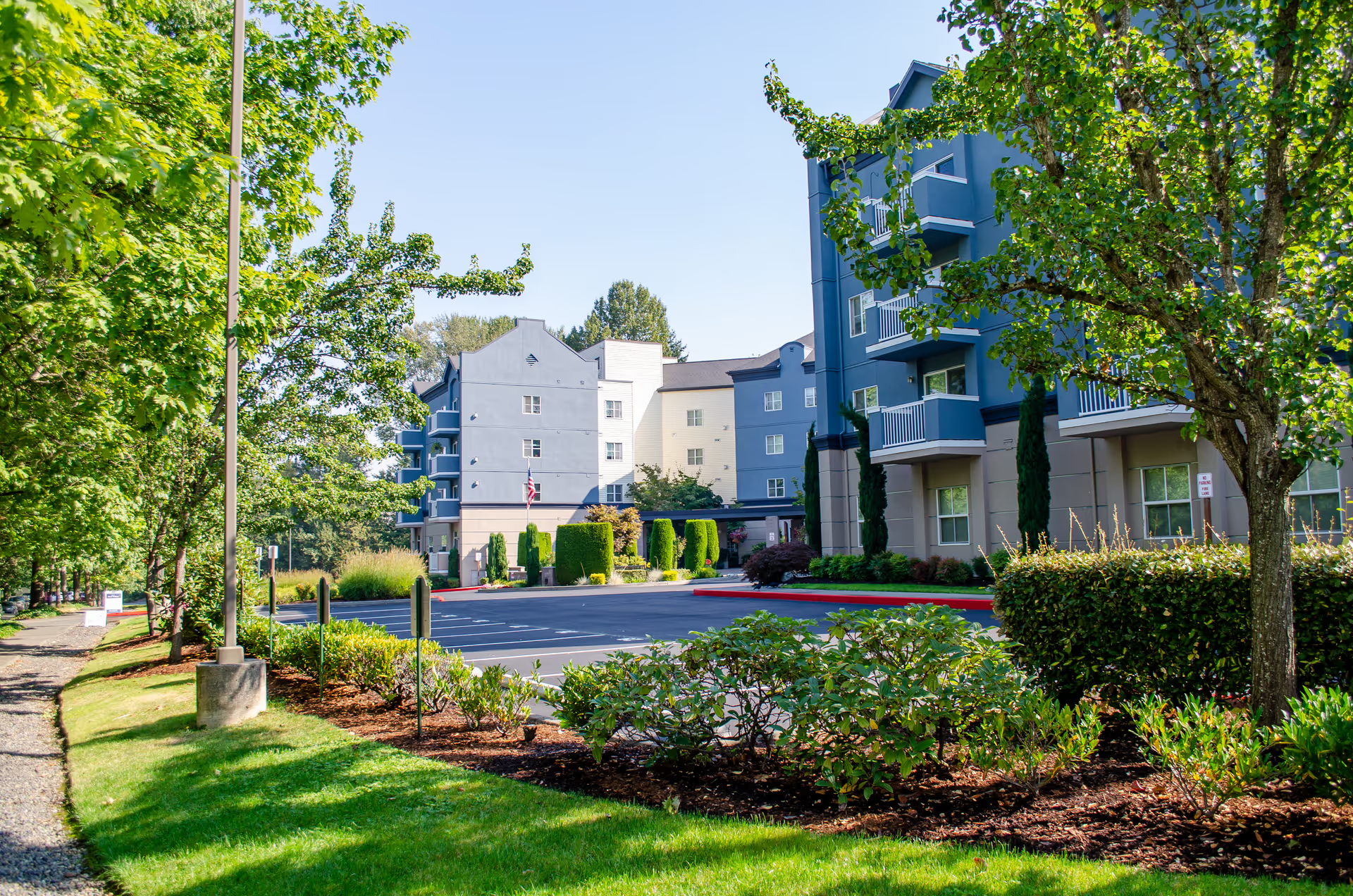
Facilities and location combine strong positives with some trade-offs. The property is well maintained, with attractive landscaping and scenic views; private balconies and lake-view dining are repeatedly valued. Conversely, some apartment units are described as small or not recently updated, and a few layout problems (e.g., obstructive cabinetry) were noted. Practical concerns include parking limitations, proximity to busy roads and the airport (affecting walkability), and limited on-site grocery access for residents who want to walk locally.
Management and administrative areas show both responsiveness and room for improvement. Several reviewers compliment leadership for addressing maintenance and quality issues and for helpful billing disclosure during tours. However, others identify unclear billing practices, unexpected additional fees, inconsistent housekeeping, and occasional role ambiguity among staff points of contact. A limited number of reviews raise serious individual allegations about incident handling and notification; while these appear to be isolated in scope, they underscore the importance of asking about escalation protocols, family communication procedures, staffing ratios, and documented incident response during a visit.
Overall, The Lakeshore is described as a scenic, activity-rich community with committed staff and a strong dining program that suits many independent and assisted-living residents. Prospective residents and families should verify current staffing levels, review the fee schedule and what services are included, observe activity programming during peak times, and ask for written policies on incident response, communication, and post-acute placement to ensure the community’s operational practices match their expectations.